
 Walid Sujud Trenggono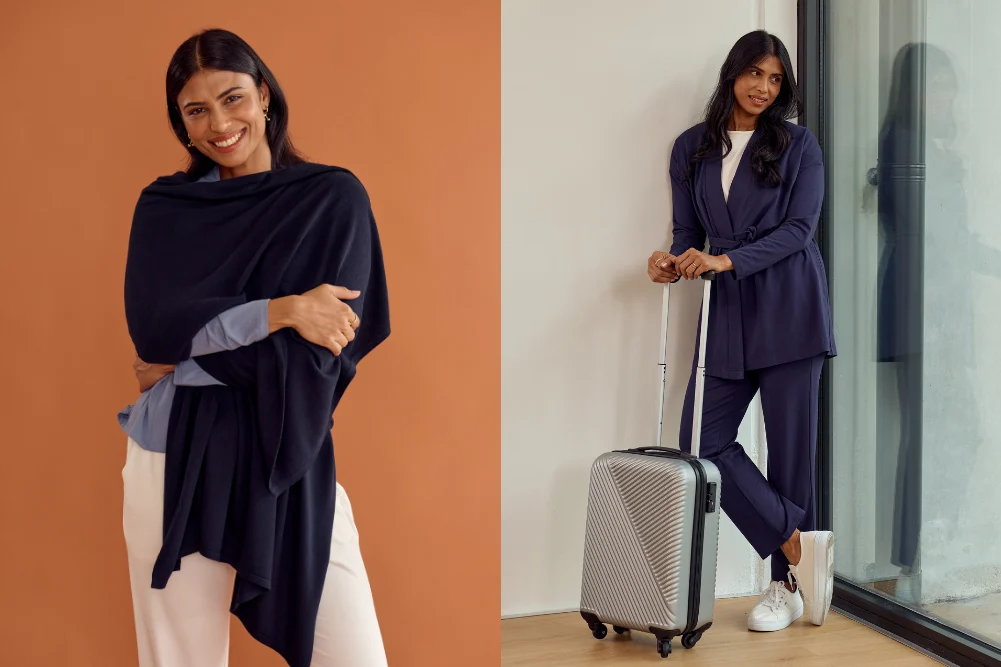
The global travel industry has undergone a radical transformation over the past decade, shifting its focus from mere logistics to the holistic quality of the passenger experience. Central to this evolution is a burgeoning sector of the fashion industry dedicated to "transit-wear"—clothing specifically engineered to withstand the unique physiological and environmental stressors of long-distance travel. As international flight frequencies return to and exceed pre-pandemic levels, with Australians alone taking millions of overseas trips annually, the demand for apparel that balances aesthetic polish with functional performance has reached an all-time high. Within this market, the Australian brand Bamboo Body has emerged as a significant player, leveraging two decades of textile innovation to address the specific challenges of the 35,000-foot environment.
The science of why travel attire matters is rooted in the harsh conditions of the modern aircraft cabin. Passengers are subjected to humidity levels often lower than 20 percent—drier than the Sahara Desert—alongside fluctuating temperatures and the physiological effects of prolonged immobility. Industry experts note that the traditional "glamour of travel," which once dictated formal suits and structured dresses, has been replaced by a data-driven approach to comfort. Modern travelers now prioritize moisture-wicking capabilities, thermal regulation, and non-restrictive silhouettes to mitigate the physical toll of long-haul journeys.
The Environmental Physics of the Aircraft Cabin
To understand the necessity of specialized travel clothing, one must first examine the environment of a pressurized cabin. Commercial aircraft typically maintain a cabin altitude of 6,000 to 8,000 feet, which results in lower oxygen saturation in the blood and can lead to swelling in the extremities. Furthermore, the air conditioning systems on long-haul flights are notorious for their inconsistency. During boarding and taxiing, cabins can become uncomfortably warm, while at cruising altitude, the temperature can drop significantly to counteract the heat generated by avionics and the high density of passengers.
Bamboo fiber has gained prominence in this context due to its unique microscopic structure. Under a microscope, bamboo fiber reveals various micro-gaps and micro-holes, which allow for superior moisture absorption and ventilation compared to synthetic polyester or even traditional cotton. This "breathability" is not merely a comfort feature; it is a thermal regulatory mechanism. By wicking moisture away from the skin, the fabric helps maintain a stable core body temperature, preventing the "shiver-and-sweat" cycle that often plagues passengers on red-eye flights.
A Chronology of Travel Fashion: From Formality to Functionalism
The history of travel attire reflects broader societal shifts in mobility and class. In the mid-20th century, the "Golden Age of Flight" saw passengers dressing in their "Sunday best." For men, this meant wool suits and ties; for women, structured suits and hats. This was a period when air travel was a rare, high-status event. However, as flight became a utility rather than a luxury, the restrictive nature of these garments became apparent.
By the 1990s and early 2000s, the pendulum swung toward extreme casualization, often referred to as the "pajama era" of travel. While comfortable, this shift often left travelers feeling disheveled and underdressed upon arrival, particularly when transitioning directly into business meetings or hotel check-ins. The current era, which Bamboo Body has navigated for nearly 20 years, represents a "Third Way": the rise of high-performance basics. This movement seeks to combine the tactile comfort of loungewear with the visual sophistication of tailored clothing. The modern travel set—comprising coordinated tops and bottoms—is the culmination of this trend, designed to look like a cohesive outfit while feeling like a second skin.
The Strategic Importance of the Travel Set
The concept of the "Travel Set" has become a cornerstone of the modern packing list. By utilizing coordinated pieces, travelers can reduce the cognitive load of dressing while ensuring they remain presentable across multiple time zones. Bamboo Body’s approach emphasizes stretchy waistbands and relaxed silhouettes, which are critical for maintaining circulation during 14-hour international flights.
Medical data suggests that restrictive clothing, particularly around the waist and groin, can exacerbate the risk of gastrointestinal discomfort and even contribute to the risk of Deep Vein Thrombosis (DVT) when combined with long periods of sitting. "The goal of a travel outfit is to provide zero resistance to the body’s natural movements," says one textile consultant familiar with the brand’s design philosophy. "When you remove the friction of stiff seams and non-breathable fabrics, you significantly reduce the physical fatigue associated with travel."
Thermal Layering and the Versatility of the Wrap
One of the most significant challenges for the modern traveler is the transition between micro-climates. A passenger may leave a humid Australian summer, wait in a highly air-conditioned terminal, board a fluctuating cabin environment, and land in a European winter. Layering is the only logical solution to this logistical puzzle.
The "Travel Wrap" has evolved into a multi-functional tool in this regard. Beyond being a fashion accessory, a generously sized wrap made from a blend of bamboo and recycled cashmere serves as a personal climate control system. It functions as a scarf during transit, a shawl in the lounge, and a high-quality blanket on board, replacing the often thin and chemically treated blankets provided by airlines. This focus on "recycled cashmere" also points to a broader industry trend toward sustainability, as consumers increasingly demand that their comfort does not come at the expense of environmental integrity.
Addressing the Micro-Details: Circulation and Extremities
While much attention is paid to the primary garments, the role of accessories in travel comfort is frequently underestimated. Feet are often the first part of the body to experience discomfort during flight due to peripheral edema—the swelling caused by fluid retention and gravity.
Soft bamboo socks have become a recommended staple for frequent flyers. Unlike synthetic socks, which can trap heat and bacteria, bamboo’s natural antimicrobial properties (often attributed to a bio-agent called "bamboo kun") help maintain foot hygiene in the enclosed environment of a shoe or an airplane cabin. Furthermore, the softness of the fiber prevents the skin irritation that can occur when feet swell against the fabric. For the traveler, these small interventions—choosing the right sock or the right base layer—accumulate to create a significantly different arrival experience.
The Broader Impact: Sustainability in the Travel Sector
The shift toward bamboo clothing also intersects with the travel industry’s urgent need to address its carbon footprint. As travelers become more conscious of the environmental impact of aviation, they are also scrutinizing the lifecycle of the products they carry. Bamboo is a highly renewable resource; it requires no pesticides, minimal water compared to cotton, and sequesters more carbon dioxide than an equivalent stand of trees.
For a brand like Bamboo Body, which has operated for nearly two decades, the longevity of the garment is as much a part of the sustainability story as the material itself. Travel-wear is subject to high levels of stress—frequent washing, cramped packing, and prolonged wear. Fabrics that maintain their shape and softness over years of use reduce the "fast fashion" cycle that contributes to textile waste.
Analysis of the "Arrive Refreshed" Phenomenon
The psychological impact of one’s attire upon arrival cannot be overstated. "Enclothed cognition" is a psychological theory suggesting that the clothes we wear influence our psychological processes. In the context of travel, arriving at a destination feeling "stiff, cold and completely dishevelled" can lead to a negative perception of the entire trip and exacerbate the symptoms of jet lag.
Conversely, arriving in clothing that has remained breathable and wrinkle-free allows a traveler to maintain a sense of agency and readiness. This is particularly vital for the growing demographic of "bleisure" travelers—those who combine business trips with leisure. For this group, the travel outfit must be capable of transitioning from the tarmac to a professional environment without a complete wardrobe change.
Conclusion: The Future of Transit Apparel
As we look toward the future of global mobility, the intersection of textile science and travel logistics will only deepen. Innovations in fabric weight, anti-wrinkle technology, and sustainable sourcing are set to define the next generation of travel apparel. The success of Australian brands in this space highlights a global shift toward "slow travel" values—prioritizing quality, comfort, and longevity over disposable trends.
In summary, the perfect travel outfit is no longer a matter of vanity; it is a strategic component of modern transit. By understanding the physics of the cabin, the biology of the passenger, and the environmental impact of the textile, travelers can transform the "necessary evil" of a long-haul flight into a manageable, and even comfortable, prelude to their destination. The secret to arriving refreshed, as the industry now recognizes, is a synthesis of smart design and the inherent properties of natural fibers. For more information on the evolution of travel essentials, stakeholders and consumers continue to look toward pioneers in the bamboo textile industry to set the standard for the journeys of tomorrow.



 Chandra Hamzah
 Tatiana Tantri Indah Sari
 Budi Mulyono
 Anjar Salim

