
 Budi Mulyono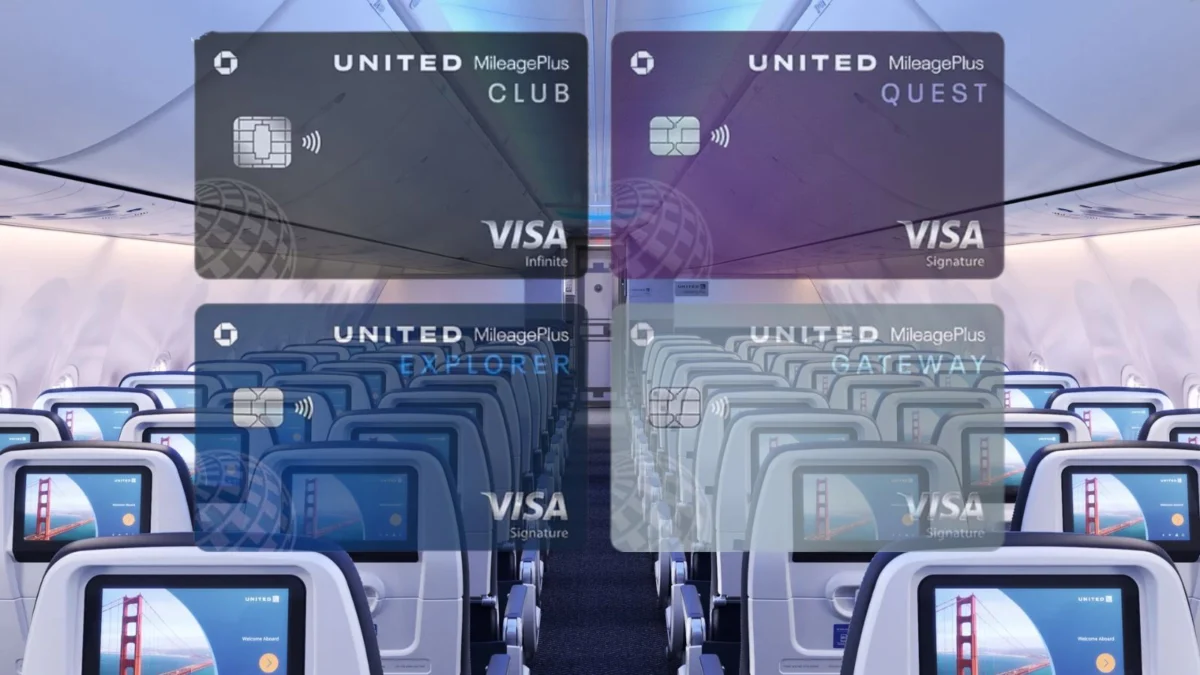
United Airlines has implemented a series of fundamental restructuring measures to its MileagePlus loyalty program, signaling a strategic pivot toward a revenue-centric model that prioritizes credit card ecosystem integration. As the industry moves further away from traditional distance-based earning, United’s recent updates—effective through 2026—demonstrate a clear intent to reward financial engagement with its banking partners as much as actual flight frequency. These changes include the elimination of legacy perks, the introduction of tiered earning structures based on cardholder status, and a comprehensive overhaul of how elite status is achieved and maintained.
The Strategic Shift Toward Card-Centric Loyalty
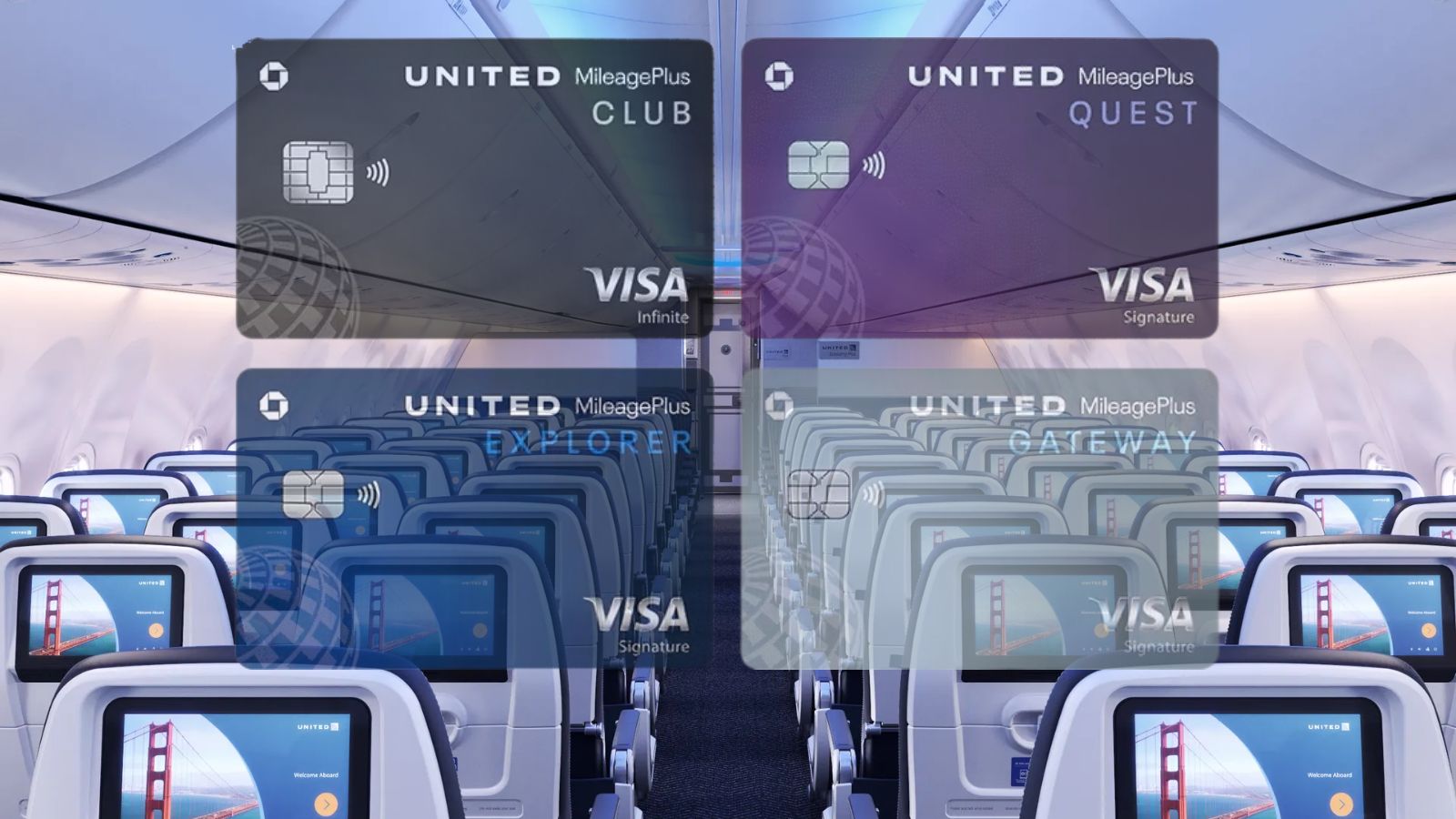
The most significant transformation within the MileagePlus framework is the creation of a two-tiered earning system that distinguishes between members who hold a co-branded United credit card and those who do not. Historically, airline loyalty programs functioned as a reward for travel; however, United’s current trajectory suggests that the program now functions as a comprehensive financial services ecosystem.
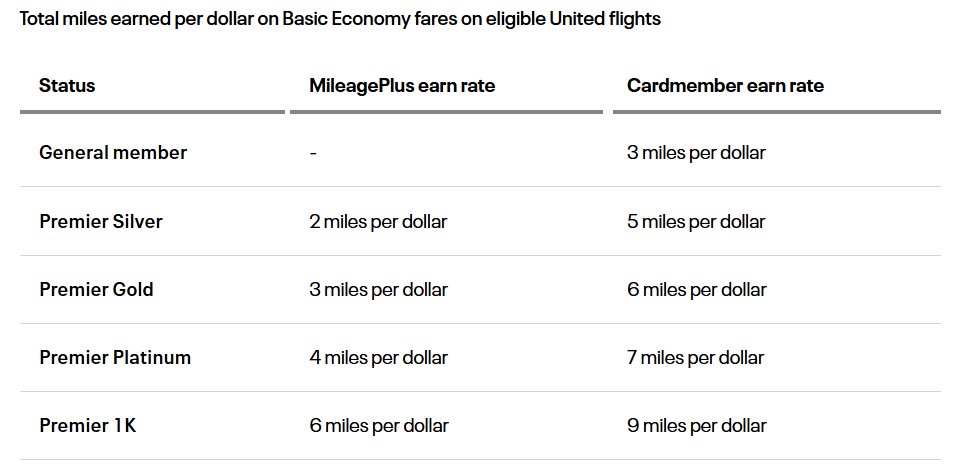
Under the 2026 guidelines, the disparity in earning potential is stark. Non-cardholders now earn significantly fewer miles per dollar spent on airfare compared to their card-carrying counterparts. Across all elite tiers, cardholders earn a premium of three additional miles per dollar. For a general member, holding a United credit card effectively doubles their earning rate from 3 miles per dollar to 6 miles per dollar. For top-tier Premier 1K members, the rate increases from 8 miles to 11 miles per dollar. This 33% to 100% increase in earning velocity underscores the airline’s reliance on its partnership with Chase and the high-margin revenue generated by credit card spend.
Furthermore, United has introduced restrictive measures for its "Basic Economy" fares. In a move that deviates from competitors like Delta and American Airlines, United now requires travelers to hold a co-branded credit card to earn any miles at all on Basic Economy tickets. Non-cardholders flying on these entry-level fares receive zero mileage credit, a policy designed to push infrequent travelers toward higher fare classes or credit card applications.

Chronology of Recent Program Milestones
The current state of MileagePlus is the result of a multi-year phase-out of traditional benefits and the introduction of more dynamic, spend-based metrics.

In the preceding 24 months, United officially retired the "Excursionist Perk," a long-standing feature that allowed for a free one-way flight within a multi-city award itinerary. This was followed by the elimination of fixed award charts in favor of dynamic pricing, which allows the airline to adjust the "cost" of a flight in miles based on real-time demand.

By 2025, United introduced miles pooling, allowing up to five members to combine rewards for shared redemptions, a move intended to increase program engagement among families and small groups. Looking ahead to February 2027, the airline has already announced that PlusPoints—the currency used by elites for upgrades—will move to a dynamic pricing model, ending the era of fixed-rate upgrades for international long-haul flights.

The 2026 Elite Status Framework
United’s "Premier" status levels—Silver, Gold, Platinum, and 1K—remain the primary goal for frequent travelers. However, the requirements for 2026 emphasize "Premier Qualifying Points" (PQP), which are directly tied to the base fare of the ticket and certain ancillary purchases.

To achieve status, members must meet one of two paths:

- Premier Qualifying Flights (PQF) + PQP: A combination of a specific number of flight segments and a spend threshold.
- PQP Only: A significantly higher spend threshold that waives the requirement for a specific number of flights.
For the 2026 qualification year, the requirements are:

- Premier Silver: 12 PQF and 4,000 PQP, or 5,000 PQP.
- Premier Gold: 24 PQF and 8,000 PQP, or 10,000 PQP.
- Premier Platinum: 36 PQF and 12,000 PQP, or 15,000 PQP.
- Premier 1K: 54 PQF and 18,000 PQP, or 24,000 PQP.
United has also modified how award flights contribute to status. In a bid to encourage redemptions, the airline now awards 1 PQP for every 100 miles redeemed on United-operated award flights. This ensures that even "free" travel helps a member progress toward their next elite tier.
Strategic Partnerships and the "Blue Sky" Initiative
A critical component of United’s market positioning is its membership in the Star Alliance, the world’s largest airline network. This allows MileagePlus members to earn and redeem miles across 26 different carriers, including Lufthansa, ANA, and Singapore Airlines. One of United’s primary strengths remains its policy of not passing on fuel surcharges on partner award bookings, making it a preferred program for international premium cabin redemptions.
Beyond the Star Alliance, United has forged a significant domestic partnership with JetBlue, branded as "Blue Sky." This collaboration provides reciprocal benefits for elite members of both airlines. United Premier members flying on JetBlue now enjoy priority check-in, expedited security, and priority boarding. Conversely, JetBlue Mosaic members receive similar perks when flying United. This partnership is viewed by analysts as a tactical move to compete with the American Airlines-Alaska Airlines West Coast alliance and Delta’s dominance in the Northeast.

Financial Integration: Chase, Bilt, and Marriott
The liquidity of MileagePlus miles is bolstered by its status as a primary transfer partner for several major financial rewards programs.

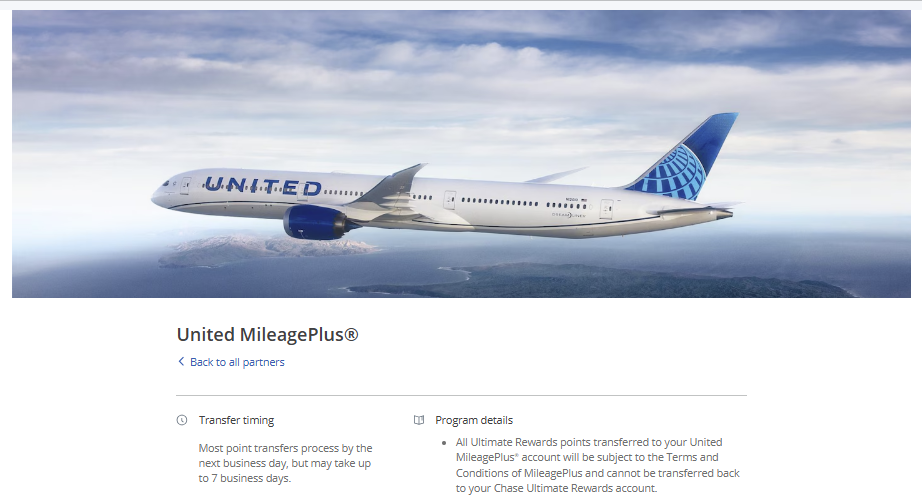
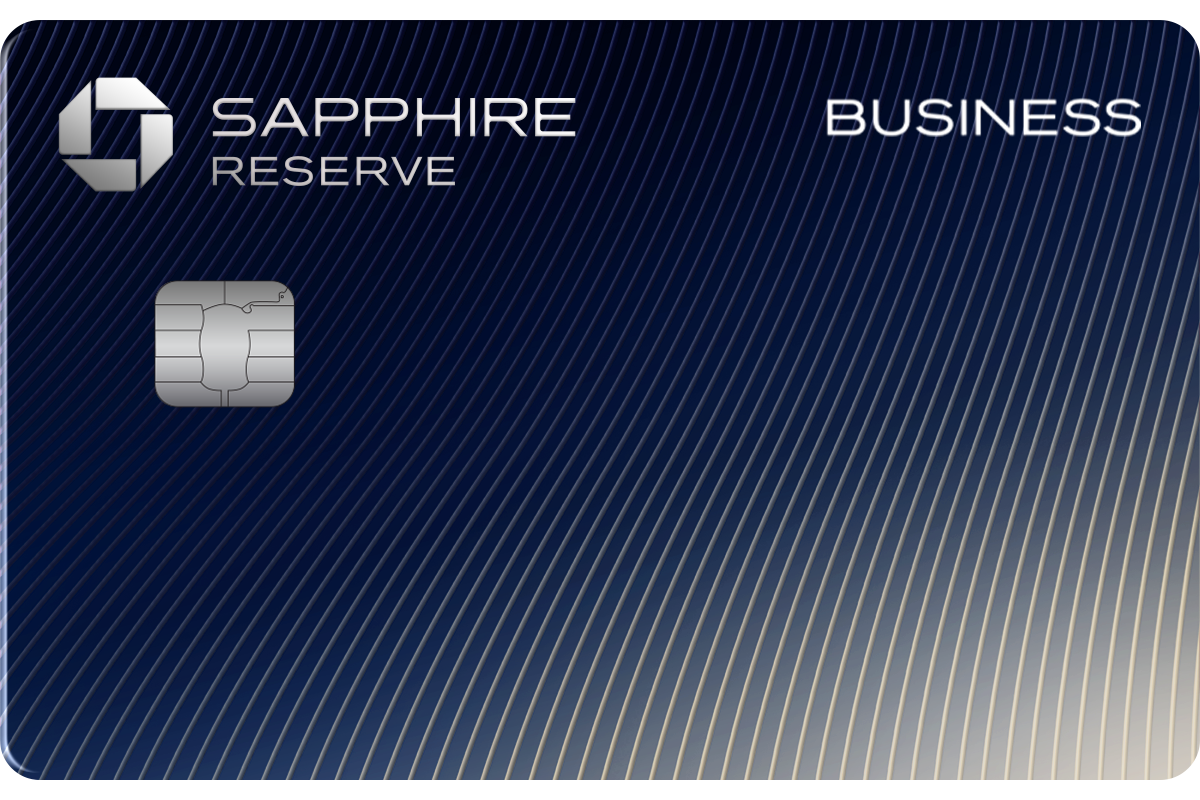
- Chase Ultimate Rewards: As United’s primary banking partner, Chase allows 1:1 transfers from cards like the Sapphire Preferred and Sapphire Reserve. Because many Chase cards earn 2x or 3x points on categories like dining and travel, savvy consumers often earn United miles faster through Chase-branded cards than through United’s own co-branded cards.
- Bilt Rewards: United remains a 1:1 transfer partner for Bilt, which allows members to earn points on rent payments. This provides a unique pipeline for younger, urban demographics to enter the MileagePlus ecosystem.
- Marriott Bonvoy: Through the "Preferred Rewards Partnership," Marriott points transfer to United at a 3:1 ratio, with a 10,000-mile bonus for every 60,000 Marriott points transferred, effectively creating a 2:1 ratio for large transfers.
Elite Upgrades and the PlusPoints System
For top-tier elites, the PlusPoints system represents the most valuable aspect of the program. Premier Platinum members receive 40 PlusPoints, while 1K members receive 280 upon qualification. These points allow for "confirmed" upgrades at the time of booking if specific fare buckets are available, providing more certainty than the "waitlist" systems used by competitors.

In a recent update to increase the flexibility of this currency, United now allows members to exchange PlusPoints for other benefits if they cannot find upgrade availability. Members can exchange up to 600 PlusPoints per expiration cycle for perks such as:

- TravelBank Cash: Up to 100 PlusPoints can be converted to cash credits for future flight purchases.
- PQP Credits: Members can convert PlusPoints into Premier Qualifying Points to help bridge the gap to the next status tier.
- Bonus Miles: Points can be converted back into standard redeemable miles.
Lifetime Loyalty: The Million Miler Program
United continues to offer one of the industry’s most robust lifetime status programs, based on actual "butt-in-seat" miles flown on United-operated aircraft.

- 1 Million Miles: Lifetime Premier Gold.
- 2 Million Miles: Lifetime Premier Platinum.
- 3 Million Miles: Lifetime Premier 1K.
- 4 Million Miles: Lifetime United Global Services (the airline’s highest, invite-only tier).
However, a significant policy change is looming for "Million Miler" companions. Currently, a spouse or domestic partner of a Million Miler shares the member’s current elite status. Starting in 2027, the companion will be capped at Premier Gold status, regardless of whether the primary member holds a higher rank. This change reflects a broader effort by United to thin the ranks of its highest elite tiers to ensure that "earned" status maintains its exclusivity and value.

Market Implications and Industry Reaction
Industry analysts suggest that United’s aggressive push toward credit card integration is a defensive response to the rising costs of operation and the high profitability of loyalty programs. By making it difficult to earn miles or status without a credit card, United is effectively insulating itself from "low-value" travelers while doubling down on its most profitable customer segments.

Consumer reaction has been mixed. While high-spending business travelers and credit card enthusiasts benefit from the increased PQP earning opportunities and award discounts (up to 15% for cardholders), occasional travelers have found the program increasingly inaccessible. The 2026 framework solidifies United’s position as a premium-focused carrier that views loyalty not just as a reward for flying, but as a comprehensive financial partnership. As the 2027 shift to dynamic PlusPoints pricing approaches, the program is set to become even more aligned with market demand, further distancing itself from the fixed-value models of the past.




 Anjar Salim
 Chandra Hamzah
 Tatiana Tantri Indah Sari
 Lukman Taruna Persada Ramadan