
 Dwi Wanna
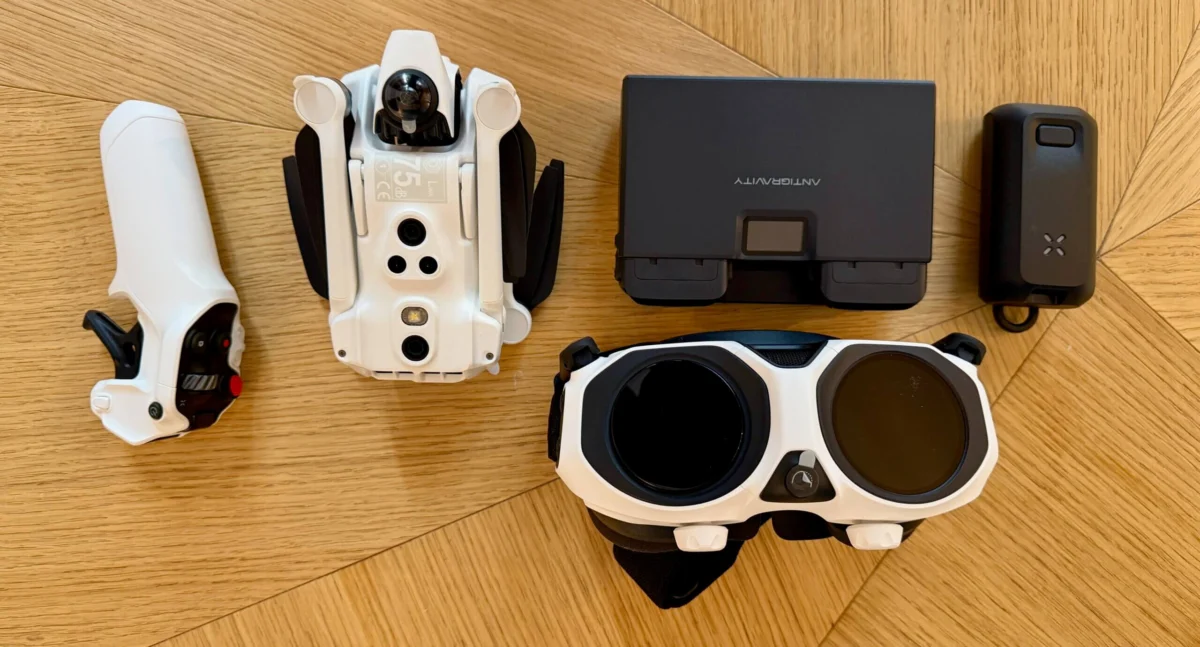
The landscape of consumer-grade aerial cinematography underwent a significant shift in late 2025 with the introduction of the Antigravity A1. By integrating dual-lens 360-degree capture technology into a sub-250-gram airframe, the manufacturer has effectively challenged the long-standing industry reliance on mechanical gimbals. This development marks a transition from traditional directed flight to an immersive, post-production-focused methodology, fundamentally altering how visual storytellers approach aerial capture.
Chronology and Market Context
The drone industry has seen a rapid evolution since the mid-2010s, defined primarily by the dominance of single-lens, gimbal-stabilized cameras. Throughout 2023 and 2024, manufacturers focused on sensor size and transmission distance. However, the limitation of this hardware remained the pilot’s inability to capture off-axis action without complex, high-speed maneuvers.
In Q4 2025, Antigravity 360 released the A1, a culmination of two years of research into miniaturized spherical optics. The release timing was strategic, coinciding with an increased demand for high-quality, social-media-ready vertical content and immersive VR-ready footage. The device’s architecture—featuring two 200-degree field-of-view lenses—bypasses the need for mechanical stabilization, a breakthrough that industry analysts suggest could signal a trend toward software-defined stabilization across the broader drone market.
Technical Specifications and Design Engineering
At the core of the A1’s utility is its dual-sensor configuration. Each 1/1.28-inch CMOS sensor provides a 200-degree field of view, which, when stitched in-camera, eliminates the blind spots inherent in single-lens drone photography. By digitally removing the drone’s fuselage from the final output, the A1 creates an uninterrupted, spherical environment that allows editors to re-frame footage in post-production.
The selection of a 1/1.28-inch sensor is a critical engineering compromise. While professional-grade cinema drones often utilize 1-inch or larger sensors for superior low-light performance, the A1’s sensors are notably larger than those found in standard 360-degree action cameras. This allows for a higher dynamic range, enabling the capture of complex shadow and highlight detail during peak daylight hours.
Weight and Regulatory Compliance
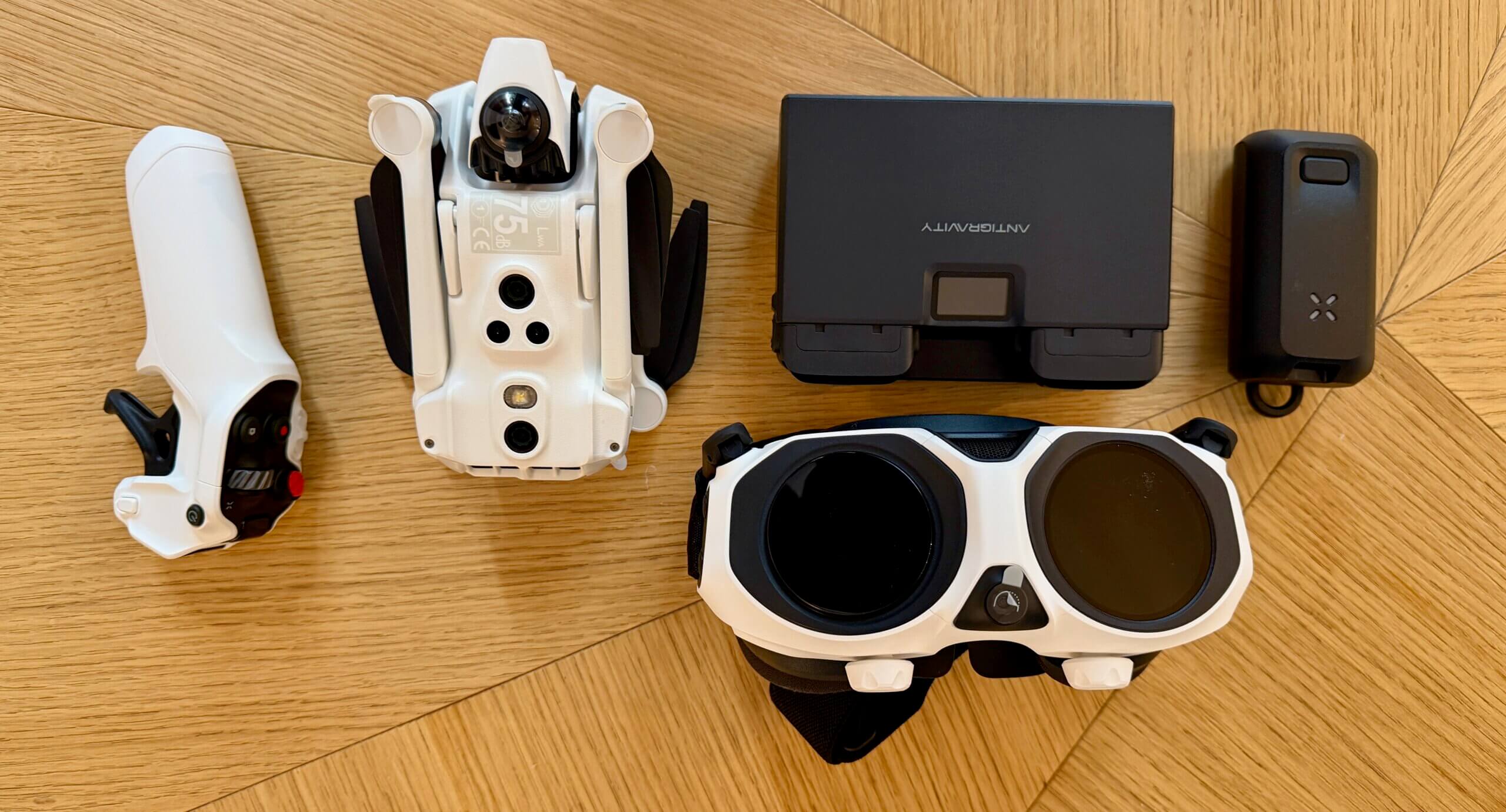
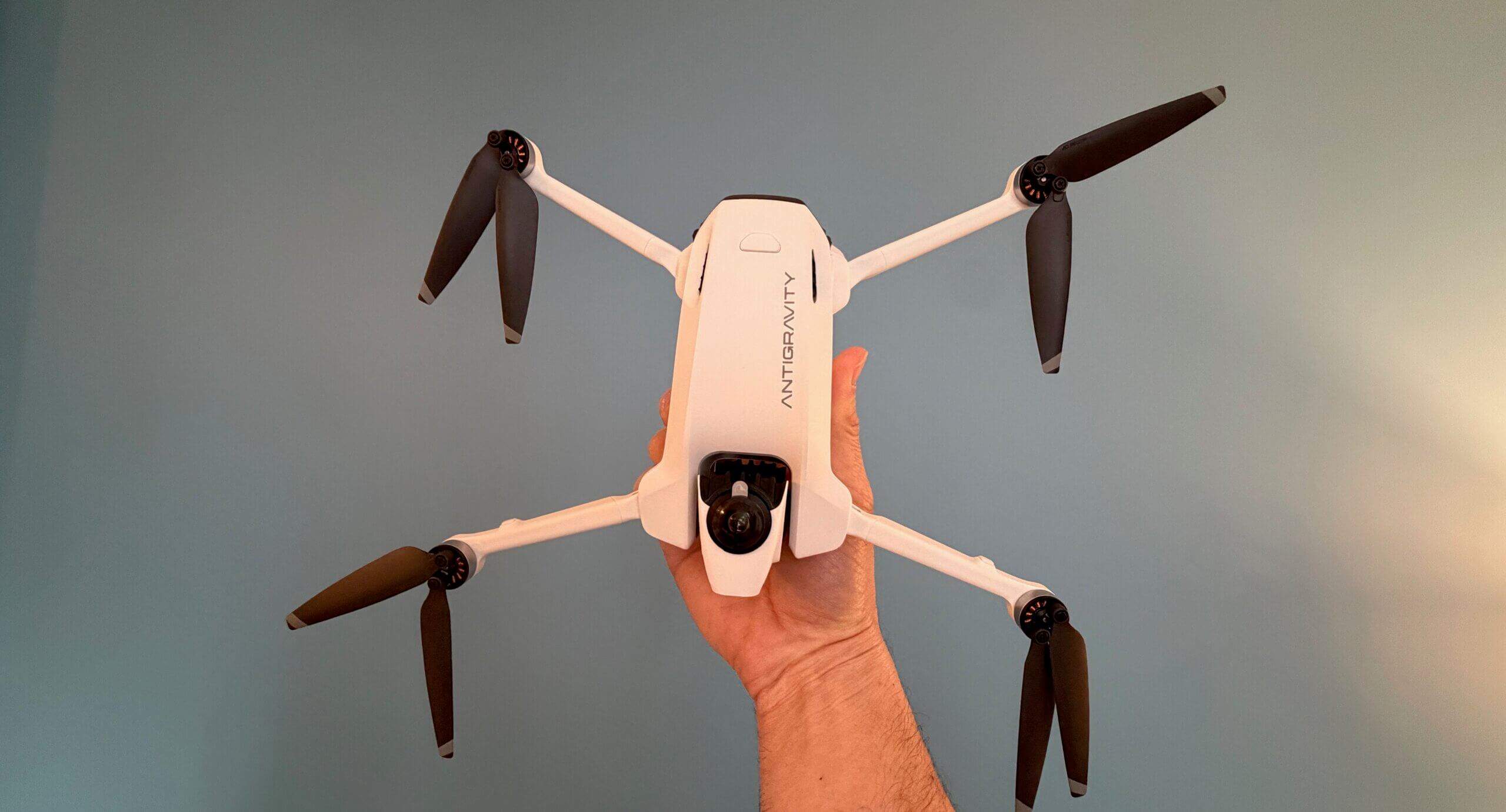
The most significant operational advantage of the A1 is its weight. By adhering to a total takeoff weight of 249 grams (inclusive of the standard battery), the A1 falls below the regulatory threshold in many jurisdictions, including the United States (FAA) and various European Union states. This classification allows operators to bypass mandatory registration requirements for commercial-grade unmanned aerial systems (UAS), effectively lowering the barrier to entry for solo creators and independent filmmakers.
The chassis is constructed from carbon-fiber-reinforced polymer. This material choice provides a superior strength-to-weight ratio compared to the ABS plastic commonly used in entry-level drones. Structural testing suggests that this material choice also enhances the device’s vibration dampening, a necessity for high-resolution, stitch-intensive 360-degree imagery.
User Interface and Flight Dynamics
The flight experience of the A1 deviates from traditional RC-style navigation through the implementation of a motion-sensitive control system. Pilots operate the device using a one-handed controller that tracks wrist orientation to determine pitch, roll, and yaw. This interface is supported by "Vision Goggles," which utilize dual 4K micro-OLED displays with a 120Hz refresh rate.
Integrated head-tracking technology within the goggles provides the pilot with a 360-degree view of the environment. Unlike traditional fixed-camera drones, where the pilot must turn the aircraft to track a subject, the A1 pilot can look around independently of the drone’s flight path. This spatial awareness is facilitated by minimal latency, which is essential for preventing motion sickness and maintaining flight safety in complex environments.
The drone operates with a top speed of 36 mph, classifying it as a "cinewhoop" style aircraft. This flight profile is optimized for stability and obstacle navigation rather than high-speed pursuit. Furthermore, the inclusion of "Turtle Mode"—an automated recovery sequence that allows the drone to flip itself upright if it lands inverted—minimizes the need for manual retrieval in difficult terrain.
Software and Data Processing
Antigravity Studio, the proprietary software platform for the A1, serves as the central hub for footage processing. Data is transferred from the drone to a mobile device at speeds reaching 80MB/s. The app utilizes a gyroscope-based interface, allowing users to reframe scenes in real-time as if they were filming the scene anew.
The integration of "Auto-Frame" AI represents a notable leap in editing efficiency. By identifying subjects within the 360-degree sphere, the software autonomously generates a frame that tracks the movement of the subject. This feature addresses a common pain point for solo creators, who previously required a second operator to manage the camera angle. Additionally, the software supports a 10-bit "Log" profile, catering to professional colorists who require high-latitude footage for matching with cinema-grade cameras in post-production.
Operational Limitations
Despite its technical merits, the A1 is subject to the limitations inherent in all compact aerial platforms. The standard Intelligent Flight Battery offers a 24-minute theoretical flight time, which is reduced to approximately 19–20 minutes under real-world conditions. While the manufacturer offers a "Pro Battery" option that extends flight time to 39 minutes, this accessory pushes the total weight of the device above the 250-gram regulatory threshold, necessitating formal registration in many regions.
Furthermore, the dual-lens system, while effective, remains vulnerable. The lenses occupy the topmost and bottommost positions of the fuselage, making them susceptible to damage during landings or collisions. While the software-based stabilization—branded as "FlowState"—effectively mitigates wind-induced movement in speeds up to 20 mph, it cannot compensate for physical damage to the optic elements.
Broader Implications for the Industry
The introduction of the Antigravity A1 suggests a broader industry shift toward "capture-all" cinematography. By prioritizing the ability to record the entirety of a scene, the need for complex, rehearsed flight paths is reduced. This methodology shifts the burden of cinematography from the flight phase to the editing phase.
Industry analysts observe that this trend may democratize professional-looking aerial footage. When the risk of "missing the shot" is removed by capturing the entire 360-degree sphere, the learning curve for amateur operators is significantly reduced. However, this shift also raises questions regarding data management, as 360-degree 8K files require significantly more storage and computational power than standard 4K footage.
Furthermore, the A1’s success could influence how urban and environmental regulations are applied. As drones become smaller and more capable, the traditional distinction between "hobbyist" and "commercial" equipment is blurring. Regulators will likely need to adjust policies to account for drones that provide high-end, professional output within the weight class previously reserved for toys.
Conclusion
The Antigravity A1 is a manifestation of the current intersection between advanced optics, miniaturized flight controllers, and artificial intelligence. By successfully removing the physical limitations of the traditional gimbal and the cognitive load of manual framing, the manufacturer has provided a tool that changes the fundamental workflow of aerial production. While the device is not intended to replace high-end cinema drones that require large sensors and interchangeable lenses, it offers a level of creative utility that makes it a viable, and perhaps essential, component of a modern production toolkit. As the technology matures, it is likely that competitors will follow suit, further solidifying the 360-degree capture format as a standard in the aerial cinematography market.




 Gabriela Annisa

 Lukman Taruna Persada Ramadan

 Tatiana Tantri Indah Sari

 Anjar Salim

