
 Dwi Wanna

The island of Ko Lipe, situated in the Adang Archipelago within Thailand’s Satun Province, has undergone a radical transformation over the past two decades. Once a remote outpost characterized by limited infrastructure and a subsistence-based local economy, the island has transitioned into a high-volume tourism hub. This shift, while contributing significantly to the local economy, has raised critical questions regarding ecological sustainability, the preservation of local heritage, and the long-term viability of small-island tourism models in the Andaman Sea.
A Chronology of Development (2006–2026)
In 2006, Ko Lipe was defined by its isolation. The island operated on a limited power grid, with electricity available for only a few hours per day. Lodging consisted primarily of basic wooden bungalows, and the local community maintained a lifestyle closely tied to the sea. Access was restricted by seasonal boat schedules, which served as the primary tether between the island and the mainland.
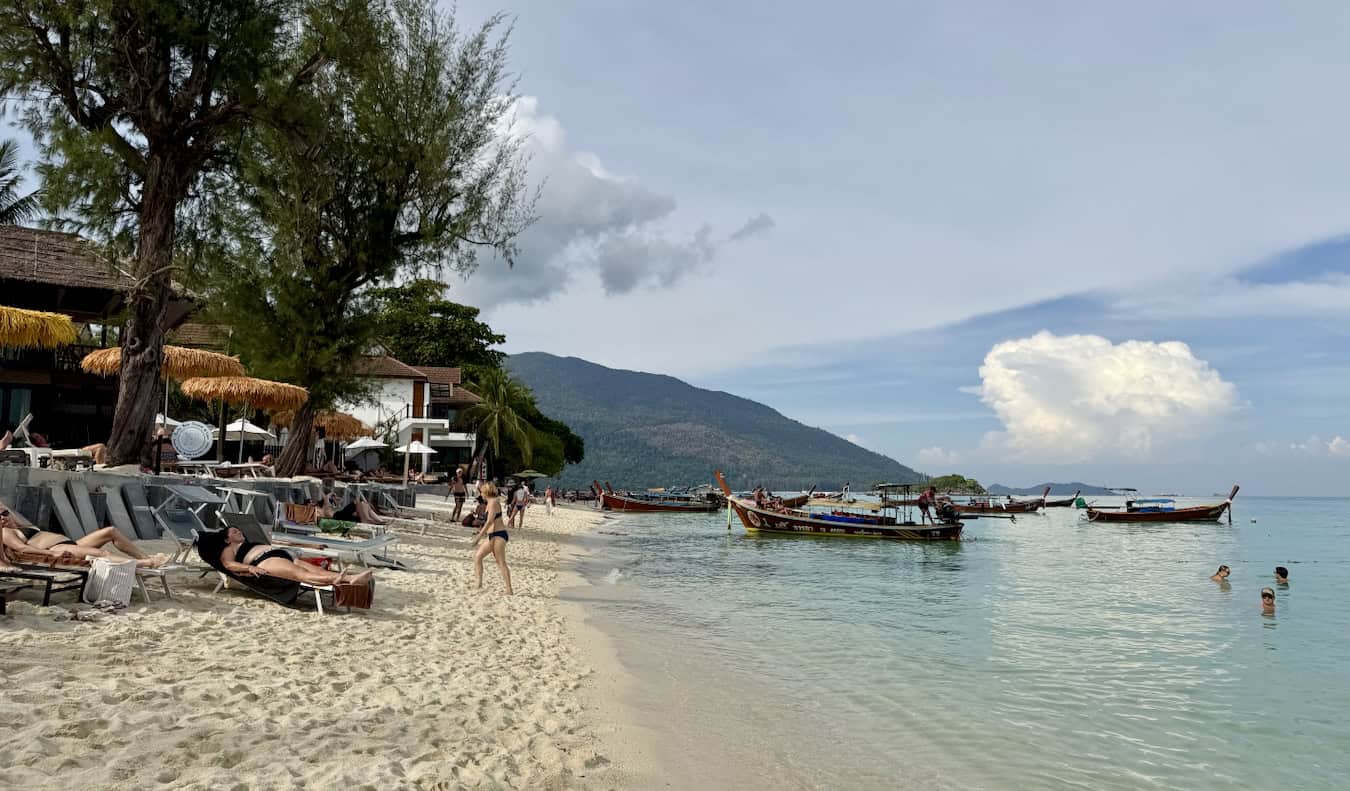
By the early 2010s, the emergence of high-speed ferry services and the island’s inclusion in more prominent travel circuits catalyzed a shift in land use. The construction of permanent, concrete-based structures accelerated, replacing traditional architecture. By 2020, the island had established a nearly constant electricity supply, a network of paved roads, and a dense concentration of hospitality businesses. As of 2026, the island’s footprint has expanded to cover a significant portion of its landmass, with ongoing construction projects signaling further development of high-end resorts.
Ecological and Infrastructure Challenges
The environmental impact of this rapid growth is documented through the lens of resource management and marine biodiversity. Ko Lipe lacks a natural, sustainable freshwater source. The increased demand from resorts, swimming pools, and a transient population has placed immense pressure on the island’s limited groundwater reserves. Experts in regional island development note that the extraction of groundwater often leads to saltwater intrusion into the local water table, a process that can permanently alter the island’s hydrology.
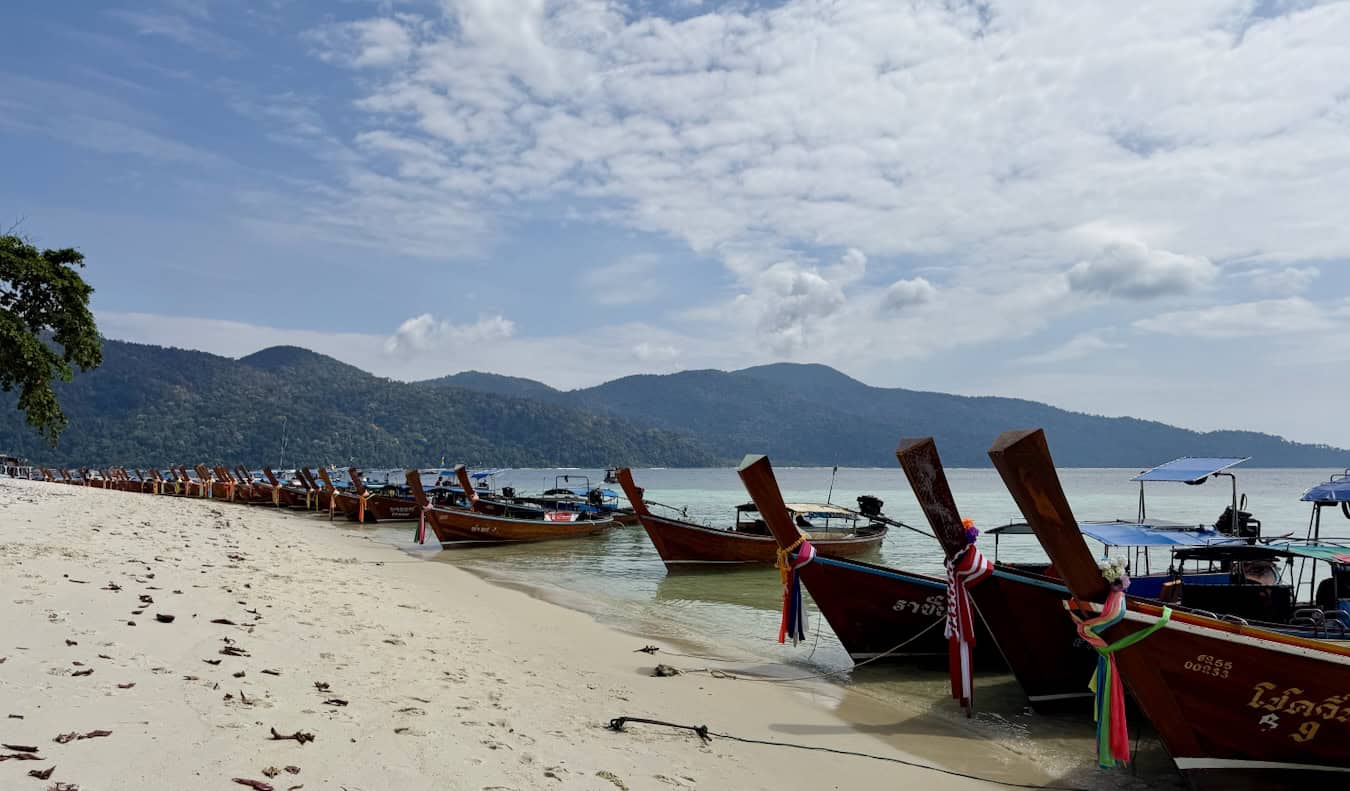
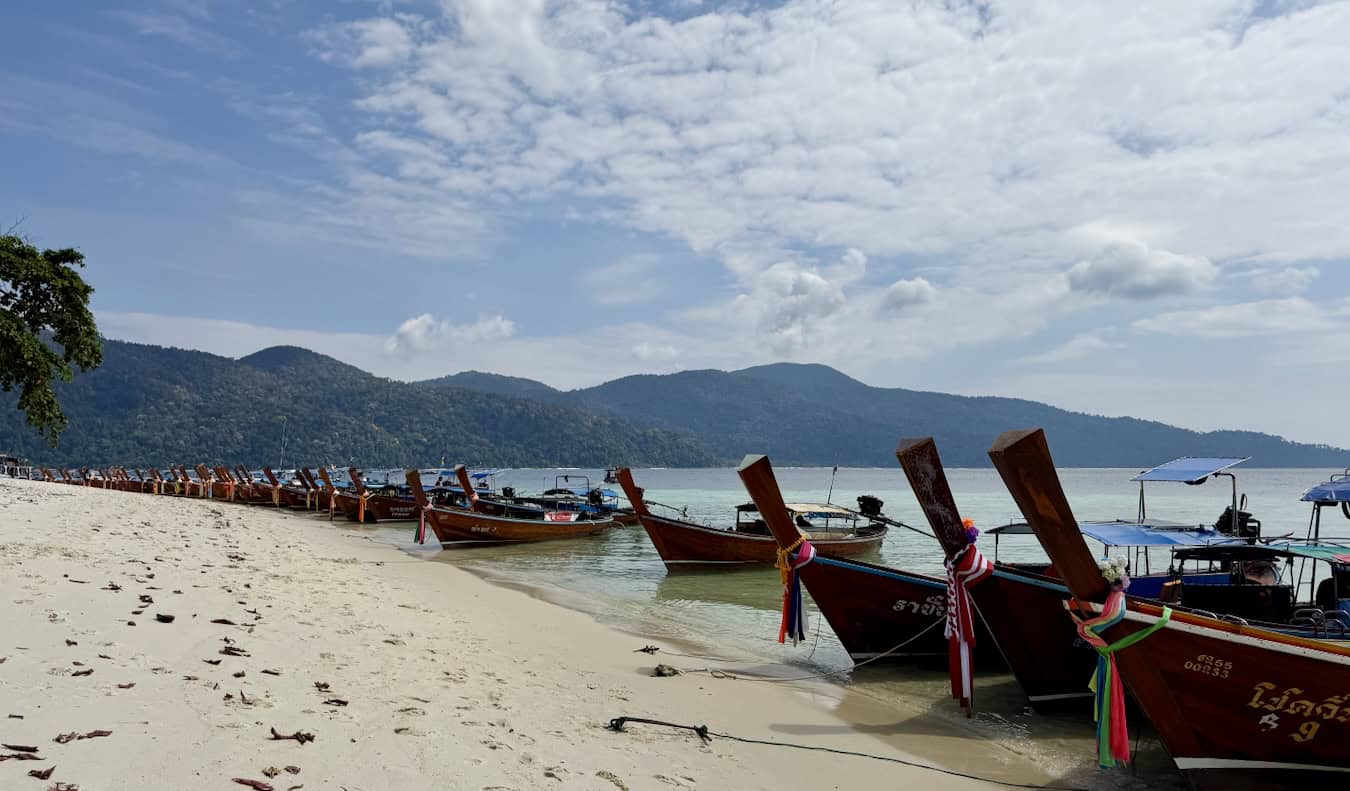
Furthermore, the surrounding marine environment—protected under the Tarutao National Marine Park—has faced degradation. Reports indicate that the surge in maritime traffic, specifically the high density of longtail boats and ferries, has contributed to coral bleaching and physical damage to reef structures. Chemical runoff from waste disposal and fuel spillage from boat engines have been identified as primary contributors to the decline in water quality. The "shiny film" often observed on the surface of the water in high-traffic bays serves as a visible indicator of this ongoing pollution.
Socioeconomic Shifts and the Displaced Workforce
The economic boom on Ko Lipe has created a dichotomy between development and local benefit. Traditionally, the island was home to a community that relied on fishing and small-scale trade. As property values surged due to international and mainland investment, many original inhabitants were incentivized or compelled to sell their land to large-scale developers.
Current workforce data suggests that a significant percentage of the labor force currently employed in the hospitality and service sectors on Ko Lipe consists of migrants from the mainland rather than local islanders. This demographic shift has fundamentally altered the cultural fabric of the island. While the increase in tourism has provided jobs, the economic dividends are frequently repatriated to corporate headquarters off-island, rather than remaining within the local community. The replacement of authentic local dining and trade with standardized, Western-oriented commercial services reflects a broader trend in Thai coastal development often described as the "Ko Phi Phi model."
Comparative Analysis of Regional Tourism
Ko Lipe is frequently compared to other Thai tourism hotspots, such as Ko Phi Phi, Krabi, and Phuket. Each of these locations experienced similar growth trajectories characterized by the rapid expansion of hospitality infrastructure preceding the implementation of comprehensive waste and resource management systems.
When measured against nearby, less-developed alternatives such as Ko Lanta, Ko Jum, or Ko Mook, the disparity in management styles becomes evident. These islands have, to varying degrees, maintained a more tempered approach to development, often prioritizing lower-density tourism and stricter zoning regulations. The lack of such regulatory oversight on Ko Lipe has allowed for an unchecked expansion that prioritizes short-term revenue over long-term environmental and social stability.
Implications for Sustainable Travel
The situation on Ko Lipe highlights the broader challenges of "overtourism," a term used by urban planners and environmentalists to describe destinations where the volume of visitors exceeds the carrying capacity of the local infrastructure.
- Environmental Degradation: The exhaustion of freshwater, loss of biodiversity, and accumulation of non-biodegradable waste represent long-term ecological debts.
- Loss of Cultural Authenticity: The transition from a local, community-driven economy to a tourist-centric one often leads to the erosion of traditional practices and the displacement of indigenous populations.
- Infrastructure Strain: The inability of waste management and power systems to keep pace with the influx of tourists creates a cycle of constant, and often poorly planned, construction.
Official Responses and Future Outlook
While government bodies have made strides in promoting sustainable tourism through initiatives like the "Bio-Circular-Green (BCG) Economy" model, the implementation on smaller islands remains inconsistent. Local community leaders and regional tourism boards are often caught between the need for economic development and the desire to preserve the natural assets that draw visitors in the first place.
Some environmental groups have advocated for a temporary moratorium on new construction projects on the island to allow for a comprehensive environmental impact assessment. However, such measures face significant opposition from developers and stakeholders who rely on the current pace of growth.
Conclusion: The Consumer’s Role
The narrative of Ko Lipe serves as a case study for the influence of consumer behavior on global tourism markets. Historical precedents, such as the decline in demand for elephant riding and the rise of eco-conscious travel, demonstrate that shifting preferences can force industry changes.
For the prospective traveler, the decision to visit a destination that is currently exceeding its environmental capacity involves a choice between personal travel goals and the collective responsibility to preserve natural sites. As researchers and travel advocates suggest, redirecting tourism demand toward better-managed locations—or choosing to visit during off-peak times with a focus on low-impact activities—can serve as a mechanism to discourage the unsustainable development models that have rendered Ko Lipe a cautionary tale.
Ultimately, the future of Thailand’s islands depends on a shift in strategy: moving away from the volume-based growth of the past three decades toward a model that respects the inherent ecological and social limits of these fragile environments. Whether Ko Lipe can recover or even stabilize remains a subject of ongoing debate among environmental scientists and tourism policymakers.




 Diana Nuri Rohmawati

 Gabriela Annisa

 Lukman Taruna Persada Ramadan

 Tatiana Tantri Indah Sari

 Anjar Salim

