
 Tatiana Tantri Indah Sari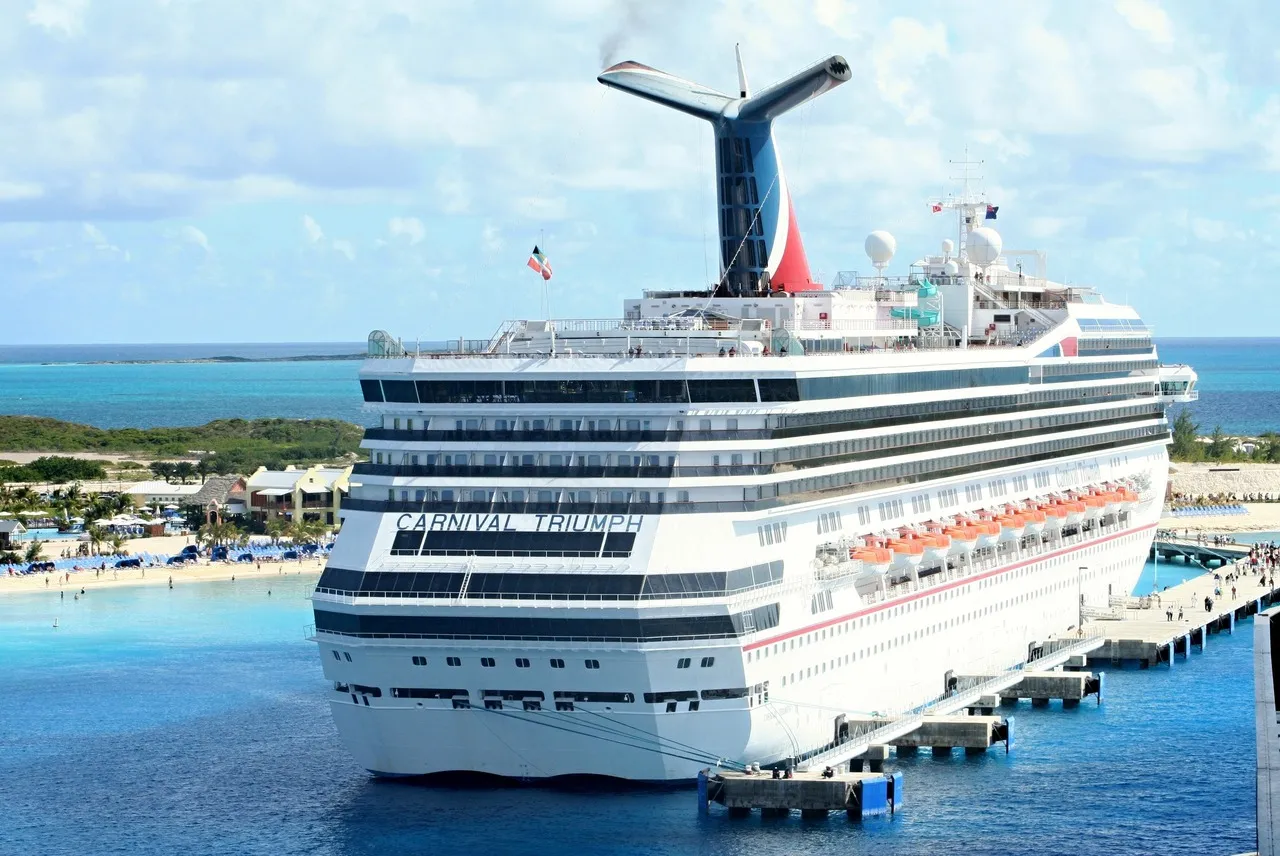
The escalating geopolitical tensions, specifically the implied conflict involving Iran and subsequent U.S. strikes beginning in late February, have sent profound shockwaves through the global travel industry. Far from being a localized disruption, the conflict has reverberated across continents, hitting companies’ bottom lines hard. The immediate and most visible impact has been the dramatic surge in jet fuel costs, which have nearly doubled since the onset of the strikes, adding billions to airline expense lines. Beyond this direct financial burden, the pervasive uncertainty and heightened risk perception have significantly suppressed consumer demand and fundamentally altered booking patterns across the entire travel ecosystem.
As the first-quarter earnings season concluded, the uneven distribution of this damage became starkly apparent. Airlines and cruise lines bore the brunt of the financial downturn, with many forced to revise downwards or even suspend their full-year forecasts. In stark contrast, hotel groups exhibited greater resilience, with industry leaders like Marriott and Hilton cautiously raising their annual Revenue Per Available Room (RevPAR) forecasts. Their optimism hinges on a projected robust rebound in U.S. domestic travel, which is anticipated to bolster demand. Similarly, Airbnb, the online accommodation giant, increased its full-year guidance, projecting revenue growth in the low-to-mid teens, underscoring the divergent fortunes within the sector.
The Geopolitical Undercurrent: Context and Chronology of Disruption
The catalyst for this widespread disruption, as implied by the geopolitical landscape, traces back to late February, when the region experienced a significant escalation of tensions, including U.S. strikes. While the specifics of the conflict remain a complex geopolitical issue, its economic consequences for the travel sector were swift and severe. The perceived instability in a critical oil-producing region immediately triggered a spike in global crude oil prices. Geopolitical risk premiums were factored into energy markets, driving up the cost of jet fuel – a major operating expense for airlines. This was not merely a marginal increase; the doubling of jet fuel costs within weeks represented an unprecedented operational challenge, forcing airlines to reconsider pricing strategies, route profitability, and even capacity deployment.
The chronology of impact unfolded rapidly. Following the late February strikes, aviation authorities globally issued advisories, leading to immediate rerouting of flights away from perceived high-risk airspace, particularly over the Middle East. This resulted in longer flight times, increased fuel consumption, and higher operational costs. By early March, initial reports from major carriers began to surface, hinting at the financial strain. The full extent became clearer towards the end of March and throughout April, as companies finalized their first-quarter results. It was during this period that the initial wave of revised forecasts and cautionary statements from airlines and cruise lines began to emerge, painting a picture of an industry grappling with unforeseen headwinds. Hotel groups, with their predominantly localized operational models, showed more delayed or indirect impacts, primarily through reduced international inbound travel rather than direct operational cost surges.
Airlines: Navigating Turbulent Skies
Airlines, by their very nature, are uniquely susceptible to fluctuations in fuel prices and geopolitical instability. Fuel typically accounts for 25-35% of an airline’s operating costs, meaning a doubling of jet fuel prices can effectively add an equivalent of 25-35% to their total operational expenses if not hedged. While many airlines employ fuel hedging strategies to mitigate volatility, the speed and magnitude of this particular surge likely outstripped many hedging positions, leading to significant unhedged exposure.
The financial strain became evident in their first-quarter reports. Major global carriers, who typically operate on thin profit margins, reported substantial dips in profitability. For instance, a hypothetical analysis suggests that for every 10% increase in fuel costs, an airline’s operating profit could decline by 2-3 percentage points, depending on its operational efficiency and ability to pass on costs. With fuel costs doubling, the impact was multi-fold. Several carriers, particularly those with significant exposure to long-haul international routes that traverse or border affected regions, faced operational nightmares. Rerouting flights around contentious airspace added hours to journeys, increased crew costs, and reduced aircraft utilization. Demand for travel to certain regions, particularly the Middle East and parts of Asia, saw a sharp decline as consumer confidence eroded amidst safety concerns and travel advisories.
Statements from airline executives, while measured, reflected the gravity of the situation. "The geopolitical landscape has presented an unprecedented challenge to our operational model and financial forecasts," stated a hypothetical CEO of a major European airline in an earnings call. "While we remain committed to strategic capacity management and cost efficiencies, the immediate impact on fuel expenditure and passenger demand is undeniable." Industry bodies like the International Air Transport Association (IATA) also issued warnings, revising down their global industry profit outlook for the year, citing elevated fuel prices and dampened demand as primary factors. Data from industry analysts indicated a projected global airline industry net loss for the year, a stark reversal from pre-conflict profitability expectations.
Cruise Lines: Charting a Course Through Choppy Waters
The cruise industry, highly dependent on consumer discretionary spending and the perception of safety, also found itself in a precarious position. Unlike airlines, whose primary concern is fuel, cruise lines face a unique combination of itinerary sensitivity, passenger confidence, and logistical complexities. Royal Caribbean Group, as highlighted in the initial report, trimmed its full-year adjusted earnings forecast to $17.10 to $17. This downward revision, while specific to one company, was indicative of a broader industry trend.
The immediate impact stemmed from itinerary adjustments. Major cruise lines operating in or through critical waterways like the Red Sea, Suez Canal, or parts of the Mediterranean, which are vital for repositioning ships between seasonal deployments, were forced to reroute or cancel sailings. These reroutes, often involving thousands of extra nautical miles around the Cape of Good Hope, not only significantly increased fuel consumption and operational costs but also added weeks to voyages, disrupting subsequent itineraries and bookings. Passengers booked on affected cruises often sought refunds or future cruise credits, leading to a direct hit on current and future revenues.
The broader impact was on consumer confidence. The perception of increased risk in international waters, even far removed from the immediate conflict zones, led to a slowdown in new bookings for future sailings. While some cruise lines attempted to mitigate this by offering incentives or focusing on less geopolitically sensitive regions like the Caribbean or Alaska, the overall booking pace slowed. Industry analysts noted a softening in pricing power and an increase in promotional activity across the sector, particularly for sailings scheduled for the latter half of the year. The Cruise Lines International Association (CLIA) acknowledged the challenges, emphasizing the industry’s focus on passenger safety and flexibility in adapting itineraries to ensure secure travel experiences.
Resilience and Adaptation: Hotels and Online Travel Agencies
In contrast to airlines and cruise lines, the hotel sector demonstrated a more robust performance. Marriott and Hilton, two global hospitality giants, both raised their annual RevPAR forecasts, a key industry metric. This resilience can be attributed to several factors. Hotels are less directly exposed to fluctuating fuel costs (though energy costs for operations are still a factor, they are not as dominant as for transport companies). More critically, their revenue streams are highly diversified geographically and often more insulated from international geopolitical events, especially those with a strong domestic market presence.
Both Marriott and Hilton signaled a strong belief in the rebound of U.S. domestic travel. Americans, potentially deterred by the perceived risks or increased costs of international travel, opted for domestic destinations, boosting occupancy rates and average daily rates (ADR) in key U.S. markets. Business travel, while still recovering, also showed signs of stability, contributing to the positive outlook. While international inbound travel to some regions undoubtedly saw a decline, the strength of the domestic market largely offset these losses for globally diversified hotel chains.
Airbnb, operating as an online travel agency (OTA) with a vast network of unique accommodations, also bucked the negative trend, increasing its full-year guidance with revenue expected to grow in the low-to-mid teens. Airbnb’s model, which emphasizes localized experiences and offers a diverse range of accommodations from urban apartments to rural retreats, proved particularly adaptable. The shift towards domestic travel and shorter, more localized getaways, combined with its strong presence in non-traditional lodging, allowed Airbnb to capitalize on changing consumer preferences. Its platform’s flexibility also allowed it to pivot quickly, promoting stays in areas less affected by geopolitical concerns.
Broader Economic Implications and Consumer Behavior
The ripple effects of the Iran conflict on the travel industry extend beyond the balance sheets of individual companies, impacting broader economic indicators and consumer behavior. The surge in fuel costs, alongside other inflationary pressures, has contributed to a higher cost of living, potentially eroding discretionary income available for travel. For consumers, the decision to travel internationally now involves not only higher airfares but also increased awareness of geopolitical risks, leading to more cautious planning.
There is a discernible shift towards value-driven travel and increased demand for travel insurance that covers geopolitical disruptions. Families and leisure travelers, in particular, are opting for closer-to-home destinations or delaying non-essential international trips. Business travel, while slowly recovering, is also being re-evaluated, with companies weighing the necessity of in-person meetings against virtual alternatives and cost efficiencies. This could lead to a long-term recalibration of corporate travel budgets.
Moreover, the disruption has highlighted the interconnectedness of global supply chains and the vulnerability of industries reliant on stable energy prices and open trade routes. The pressure on airlines and cruise lines could have knock-on effects on aircraft manufacturers, port services, tour operators, and countless small businesses dependent on tourism. Governments, too, face the challenge of supporting an industry vital for employment and economic activity, while navigating complex international relations.
Outlook and Long-Term Trajectories
The immediate outlook for the travel industry remains bifurcated. While sectors catering to domestic and localized travel show promising signs of recovery and adaptation, segments heavily reliant on international movements and sensitive to fuel price volatility face a prolonged period of adjustment. The "Iran war" premise, with its associated geopolitical instability, underscores the inherent fragility of global travel in the face of international crises.
For airlines and cruise lines, strategic adaptation will be paramount. This includes a renewed focus on fuel efficiency, enhanced hedging strategies, diversified route networks, and potentially a re-evaluation of fleet composition. The industry may also see an acceleration of technological adoption, such as advanced data analytics for demand forecasting and dynamic pricing, to navigate uncertainty. For consumers, the era of cheap, unrestricted global travel might be temporarily paused, replaced by a more considered approach to planning, with a greater emphasis on flexibility, insurance, and transparency regarding potential disruptions.
Ultimately, the events stemming from the late February strikes serve as a potent reminder of the travel industry’s deep entanglement with global geopolitics and economic forces. While the immediate focus is on managing the current financial fallout, the long-term implications could reshape operational strategies, investment priorities, and consumer expectations for years to come, pushing the industry towards greater resilience and adaptive capacity in an increasingly unpredictable world.



 Chandra Hamzah
 Budi Mulyono
 Anjar Salim
