
 Chandra Hamzah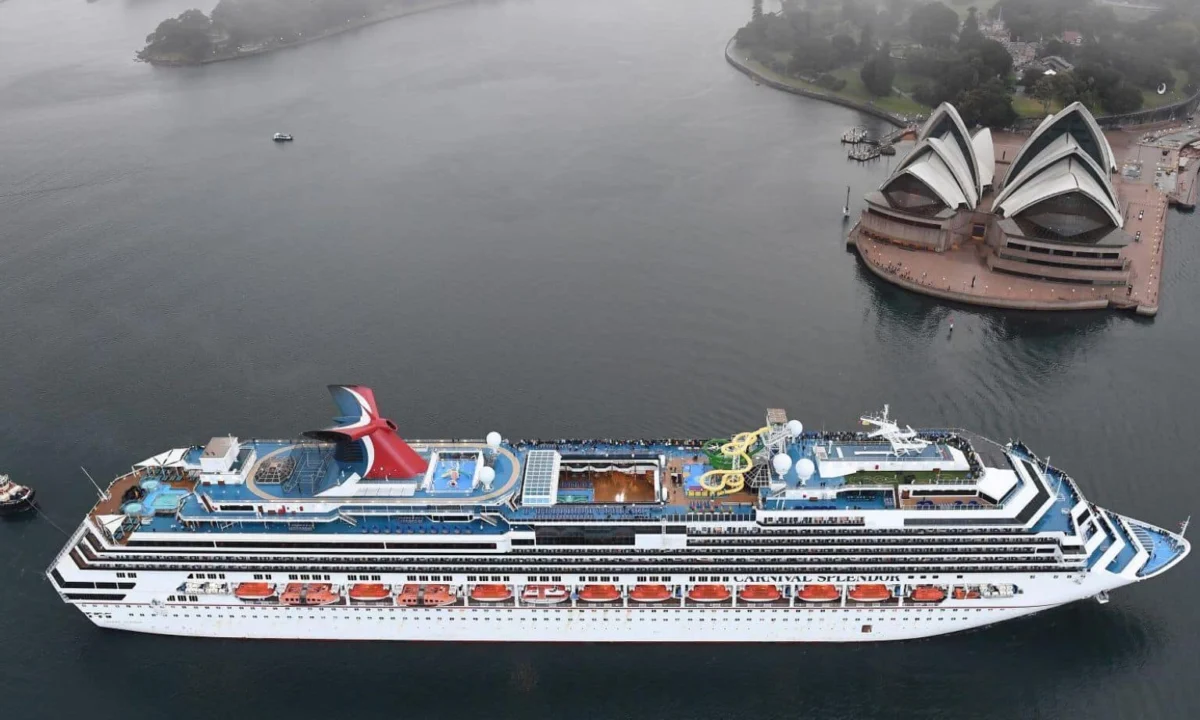
The Australian cruise industry is abuzz with a spirited debate ignited by Cruise Passenger readers concerning the format and appeal of three-day cruises. These short voyages, often sailing "to nowhere," have become a significant segment of the market, yet a vocal contingent of passengers believes they could offer more value through the inclusion of port stops or themed itineraries. The discussion, primarily surfacing on Cruise Passenger’s blogs, social media posts, and newsletters, reveals a diverse range of opinions, from staunch defenders of the current model to advocates for revitalized short-trip experiences.
The Current Landscape of Three-Day Cruises
Three-day cruises have carved out a distinct niche in the Australian cruise calendar. Typically departing from major ports like Sydney and Brisbane, these voyages are often characterized by their focus on onboard entertainment, dining, and relaxation, rather than exploring multiple destinations. This "sail to nowhere" model has been attributed to several factors, including optimizing ship utilization between longer itineraries, catering to passengers seeking a brief escape, and serving as an accessible entry point for new cruisers. The Australian cruise market has seen consistent growth, with data from Cruise Lines International Association (CLIA) indicating a significant number of passengers embarking on shorter voyages. For instance, in pre-pandemic years, short cruises represented a substantial portion of total cruise departures, highlighting their economic importance.
Passenger Voices: A Spectrum of Opinions
The Cruise Passenger initiative to solicit reader feedback on this topic has unearthed a wealth of perspectives. Many passengers, like Darren Hopper, express unreserved satisfaction with the current three-day cruise experience. Hopper’s recent voyage was described as "awesome," filled with a rich tapestry of onboard activities including live shows, comedy performances, bingo, trivia, diverse dining options across multiple restaurants, and vibrant nightlife. His account underscores the appeal of these short trips as self-contained entertainment packages, offering a concentrated dose of holiday enjoyment without the logistical complexities of disembarking and exploring new ports.
"I did that cruise last week and it was awesome," Hopper shared. "Got to see Blanc de Blanc, three comedy shows, played bingo on three days, played trivia games, had proper restaurant food in three different restaurants, drank copious amounts of cocktails, watched movies, and danced in the nightclub."
Conversely, some readers, such as Kyle Williams, yearn for the return of more structured and themed short cruises, reminiscent of past offerings by lines like P&O. Williams specifically recalled the popularity of themed voyages, such as Comedy Cruises or 80s and 90s themed trips, which he believes added a unique draw and a sense of occasion to these brief getaways. Without such thematic elements, he finds the current offerings to be "boring," suitable only for absolute beginners or those requiring a minimal break from land.
"I preferred them when they had themed 3 nights to nowhere, like the Comedy Cruises, 80s or 90s cruises," Williams stated. "Now without that they seem like a boring choice. Maybe fine for a first cruise or a quick getaway off land, but without the theme, I lost interest. Personal opinion."
The Case for Port Stops: Enhancing Value and Local Impact
A significant number of respondents advocate for the integration of port stops into three-day cruise itineraries. Daniel Simcic, for example, believes that incorporating day stops in accessible coastal towns could significantly enhance the appeal of these short breaks. He suggests potential destinations from Sydney, such as Eden, Jervis Bay, Newcastle, and Port Macquarie, as viable options for an eight-hour stopover. Simcic highlights the dual benefit: offering passengers a taste of local exploration and providing a valuable economic stimulus to these smaller communities.
"Three day cruises are good breaks and are a good taster for travellers new to cruising," Simcic explained. "From Sydney cruise lines could consider 8 hours day stops in Eden, Jervis Bay, Newcastle and Port Macquarie as part of their three day cruises. Great opportunities for small communities welcoming ships for the day."
Jane Lee offers a pragmatic perspective, suggesting that the current "to nowhere" model serves a crucial function in balancing cruise line schedules. She points out that these short cruises help fill gaps in ship calendars, allowing lines to optimize the allocation of vessels across various durations and destinations. Lee emphasizes passenger choice, asserting that those who prefer itineraries with port stops can simply opt out of the "to nowhere" options.
"The short cruises to ‘nowhere’ are used to fill the gaps in the cruise ship calendar – help to balance up his they juggle the algorithm of number of nights, cruise locations and actual port stops," Lee commented. "People can either choose to book them, or not. Some like them, others don’t."
Sharon Monck’s experience with a three-night cruise to Eden further supports the appeal of port-inclusive short trips. She found the stop in Eden to be a positive addition to her cruise experience, reinforcing the idea that even a single port can significantly enhance a short voyage. Monck also touches upon the broader economic implications, suggesting that passengers might extend their holiday with pre- or post-cruise stays in major departure cities, contributing to local economies. She posits that if cruises were longer, the spending might be diverted offshore, implying a potential benefit for domestic tourism through shorter, port-inclusive trips.
"Eden is a possibility for 3 nights – we did this once, and it was great, but I love a 3 night cruise!!" Monck stated. "Some people fly into Sydney or Brisbane and stay in a hotel, go out to eat, maybe take in the sights, so there is some residual spending – maybe this is an untapped market for an ‘experience’ prior to or post cruise."
Jen Mulligan expresses a preference for cruises that include port calls, stating that her sole short cruise experience was not to her liking. Having cruised internationally, she values the opportunity to disembark and explore new destinations.
Chloe Rose, however, finds the extended sea days on shorter cruises to be a significant part of their appeal. She likens the experience to a relaxing beach holiday in a hotel, but with the added advantage of multiple dining and entertainment options. This perspective highlights the value proposition of the current "to nowhere" model for passengers seeking a comprehensive onboard leisure experience.
Nick Aisbitt introduces a crucial economic consideration, suggesting that the willingness of ports to attract cruise ships plays a pivotal role. He argues that if ports are more welcoming and offer competitive pricing, cruise lines will naturally incorporate them into itineraries. Aisbitt frames tourism as a market-driven sector, where destinations actively compete for cruise ship calls, mirroring the choices cities make regarding their own tourism strategies.
Challenges and Opportunities for Short Cruises
Anna Simpson’s feedback points to the variability in onboard entertainment quality, citing a disappointing experience on a recent Carnival Luminosa four-night cruise compared to previous voyages on Pacific Encounter. While she enjoyed a port stop at Airlie Beach on her last cruise, she also raises a practical concern for travelers based in regional centers. For those in Cairns, for instance, a three-night cruise departing from Sydney or Brisbane becomes significantly more expensive due to the added costs of airfares and pre-cruise accommodation. This suggests a need for cruise lines to consider more regionally accessible departure points for their shorter itineraries to broaden their appeal.
Ronda Harman expresses a strong disinterest in three-day cruises, particularly when factoring in the cost and time of flying from Western Australia to eastern ports. For her, such a commitment necessitates a longer voyage, at least ten days, to justify the expense and travel. This highlights a key demographic challenge for short cruises: they must offer sufficient value to outweigh the travel investment for passengers coming from distant locations.
Broader Implications for the Australian Cruise Market
The debate over three-day cruises reflects a broader discussion about the future of cruising in Australia. The industry is facing evolving passenger expectations and a competitive travel landscape. For cruise lines, finding the right balance between offering convenient, accessible short breaks and catering to passengers seeking more immersive destination experiences is critical.
The potential for themed cruises, as suggested by Kyle Williams, could be a strategy to differentiate short itineraries and attract specific passenger segments. The success of these themed voyages in the past indicates a latent demand for more specialized cruise experiences.
Furthermore, the economic impact on regional communities, as highlighted by Daniel Simcic and Sharon Monck, presents an opportunity for collaboration between cruise lines and local tourism bodies. Developing mutually beneficial port-of-call arrangements for short cruises could foster regional development and provide passengers with unique, authentic experiences. The current system, where ports compete for cruise ship visits, suggests that those offering attractive shore excursion packages and a welcoming environment are more likely to succeed.
The logistical and financial considerations raised by Anna Simpson and Ronda Harman underscore the importance of network planning and pricing strategies. Offering short cruises from a wider range of Australian ports, or developing more cost-effective travel packages for regional passengers, could unlock new markets.
Ultimately, the ongoing discussion among Cruise Passenger readers demonstrates an engaged and invested cruising community. Their feedback provides invaluable insights for cruise operators as they navigate the complexities of the Australian market and strive to enhance the appeal and profitability of all cruise offerings, from the briefest of escapes to extended voyages. The industry’s ability to adapt to these diverse passenger preferences will be key to its continued success.
What Lies Ahead?
The question of whether three-day cruises should evolve remains open. The varied perspectives – from those who cherish the current onboard-centric model to those who advocate for port visits and themed itineraries – illustrate the multifaceted nature of passenger desires. As cruise lines continue to plan their future schedules, the ongoing dialogue from passengers like those featured here will undoubtedly play a role in shaping the short cruise experience in Australia. The industry faces the challenge of innovating while retaining the core appeal that has made these short voyages popular, ensuring that they continue to be a viable and enjoyable option for a wide spectrum of travelers.



 Tatiana Tantri Indah Sari
 Budi Mulyono
 Anjar Salim
