
 Chandra Hamzah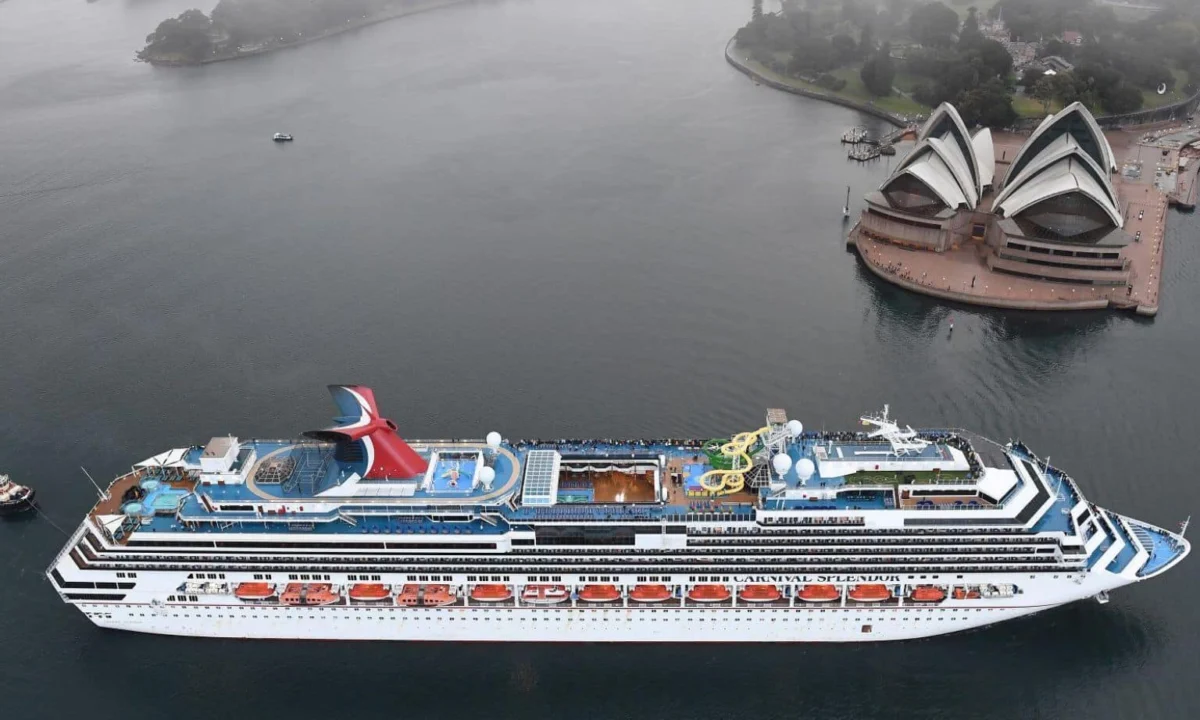
The Australian cruise industry is experiencing a vibrant period of passenger engagement, particularly concerning the future and format of short-duration voyages. Recent discussions, amplified by reader feedback published by Cruise Passenger, highlight a divergence of opinions on whether three-day cruises, predominantly sailing "to nowhere," should incorporate port calls or thematic elements to enhance their appeal. This debate touches upon the economic realities of cruise line operations, the evolving preferences of modern travellers, and the potential for regional tourism development.
The core of the discussion revolves around the utility and attractiveness of three-day cruises. Historically, these shorter itineraries have served a dual purpose for cruise lines: filling schedule gaps between longer voyages and offering an accessible entry point for new cruisers or those seeking a brief, convenient getaway. However, the prevailing model of sailing without a port of call has prompted a re-evaluation among some passengers.
Passenger Perspectives: A Spectrum of Opinion
Feedback from Cruise Passenger readers reveals a nuanced perspective. Many defend the current model, citing the comprehensive onboard experience as the primary draw. Darren Hopper, for instance, shared his recent positive experience on a three-day cruise, emphasizing the abundance of entertainment and dining options. "I did that cruise last week and it was awesome," Hopper stated. "Got to see Blanc de Blanc, three comedy shows, played bingo on three days, played trivia games, had proper restaurant food in three different restaurants, drank copious amounts of cocktails, watched movies, and danced in the nightclub." His account underscores the appeal of a self-contained holiday experience where entertainment and relaxation are paramount, negating the need for external excursions.
This perspective is echoed by Chloe Rose, who finds the sea days themselves to be a significant benefit. "The sea days are super relaxing and there is heaps to do," Rose commented. "It’s just like laying in a hotel on a beach somewhere and not heading out, except you have multiple options for food and entertainment." This highlights a segment of the cruising market that prioritizes the ship as a destination in itself, offering a controlled and curated leisure environment.
However, a substantial contingent of passengers expressed a desire for more engagement with destinations. Kyle Williams articulated a preference for the return of themed cruises, such as those historically offered by P&O, which combined short voyages with specific interests like comedy or 80s/90s music. "I preferred them when they had themed 3 nights to nowhere, like the Comedy Cruises, 80s or 90s cruises," Williams explained. "Now without that they seem like a boring choice. Maybe fine for a first cruise or a quick getaway off land, but without the theme, I lost interest. Personal opinion." This suggests that while the "to nowhere" model can offer a break, a lack of distinct programming can lead to a perception of sameness and diminished value.
The Case for Port Stops: Economic and Experiential Benefits
Several readers proposed incorporating short port visits as a way to revitalize three-day cruises. Daniel Simcic suggested specific regional ports along the New South Wales coast that could be feasible for day stops. "Three day cruises are good breaks and are a good taster for travellers new to cruising," Simcic noted. "From Sydney cruise lines could consider 8 hours day stops in Eden, Jervis Bay, Newcastle and Port Macquarie as part of their three day cruises. Great opportunities for small communities welcoming ships for the day." This viewpoint taps into the potential for short cruises to act as a catalyst for regional tourism, providing economic stimulus to coastal towns.
Sharon Monck shared a positive experience with a three-night cruise to Eden, highlighting the value of a tangible destination. "Eden is a possibility for 3 nights – we did this once, and it was great, but I love a 3 night cruise!!" Monck also raised a crucial economic point: if cruises were longer, spending would inevitably shift offshore. This implies that short, domestic cruises with port stops could retain and inject spending into the Australian economy, benefiting local businesses and communities. Furthermore, Monck speculated on an "untapped market" for pre- or post-cruise experiences in departure cities like Sydney or Brisbane, suggesting that short cruises could be part of a broader travel package.
Jen Mulligan expressed a clear preference for cruises that include port calls, stating, "I have only done one short cruise and I didn’t like it." Her experience with longer international cruises has conditioned her to value the opportunity for exploration. "I have cruised overseas a few times and much prefer the cruises that dock somewhere so you can get off and go exploring," Mulligan stated.
Nick Aisbitt offered a pragmatic view on the feasibility of port calls, suggesting that their inclusion is contingent on the ports themselves. "If the ports are more welcoming and affordable the ships will visit," Aisbitt posited. "Tourism is a market not a right, just as cities can decide." This perspective places the onus on port authorities and local governments to create an environment conducive to cruise ship visits, including competitive pricing and attractive shore excursion offerings.
Operational Realities and Strategic Considerations
Jane Lee brought attention to the practical scheduling needs of cruise lines. "The short cruises to ‘nowhere’ are used to fill the gaps in the cruise ship calendar – help to balance up his they juggle the algorithm of number of nights, cruise locations and actual port stops," Lee explained. This points to the complex logistical and financial considerations that underpin cruise line itinerary planning. The flexibility offered by "to nowhere" cruises allows for efficient deployment of vessels and a consistent revenue stream, particularly during off-peak seasons or when longer itineraries are not commercially viable.
Anna Simpson’s feedback highlighted variability in onboard entertainment, contrasting positive experiences on Pacific Encounter with a less impressive offering on Carnival Luminosa. Her suggestion that three-night cruises should originate and terminate in Cairns underscores the logistical challenges and associated costs for passengers in different regions. "What we need is for 3 night cruises to begin and end in Cairns," Simpson stated. "Having a three-night cruise then becomes expensive because of of airfares and 1 night accommodation night before embarkation." This illustrates how geographical constraints can impact the accessibility and affordability of short cruises for a wider audience.
Ronda Harman’s strong preference for longer voyages, at least 10 days, further illustrates the diverse expectations within the cruising market. For passengers who incur significant travel costs to reach a departure port, shorter itineraries may not offer sufficient value to justify the expense. "I have no interest in a 3 day cruise," Harman declared. "If I have to fly from Perth to Sydney or Brisbane to cruise then it has to be worth the flight time and expense. Nothing less than a 10 day cruise for me."
Broader Implications and Future Outlook
The debate surrounding three-day cruises reflects a broader trend in the travel industry: the demand for both convenience and authentic experiences. While the "to nowhere" model caters to the desire for an easy, all-inclusive break, the growing interest in port calls suggests a yearning for deeper engagement with destinations.
For cruise lines, the challenge lies in balancing operational efficiency with passenger satisfaction. Incorporating port stops on short cruises could necessitate adjustments to itineraries, potentially increasing fuel costs and reducing the number of sea days available for onboard revenue generation. However, the potential for increased passenger appeal and the stimulation of regional economies present compelling arguments for exploring such modifications.
The resurgence of themed cruises, as advocated by some passengers, could offer a middle ground, injecting novelty and targeted appeal into "to nowhere" itineraries without the logistical complexities of port calls. This strategy could attract specific demographic groups and create unique selling propositions.
The Australian cruise market, with its extensive coastline and diverse regional attractions, is well-positioned to explore innovative short-cruise models. The ongoing dialogue between passengers and industry stakeholders, as evidenced by Cruise Passenger‘s "Your Say" column, is crucial for shaping the future of cruising in Australia. Ultimately, the success of short-duration voyages will depend on the industry’s ability to adapt to evolving passenger preferences, leverage regional opportunities, and maintain a compelling value proposition for a discerning market. The current discussions indicate a strong appetite for evolution, suggesting that the three-day cruise is far from a static product and holds potential for significant future development.



 Tatiana Tantri Indah Sari
 Budi Mulyono
 Anjar Salim
