
 Susilo Edi Turonggo
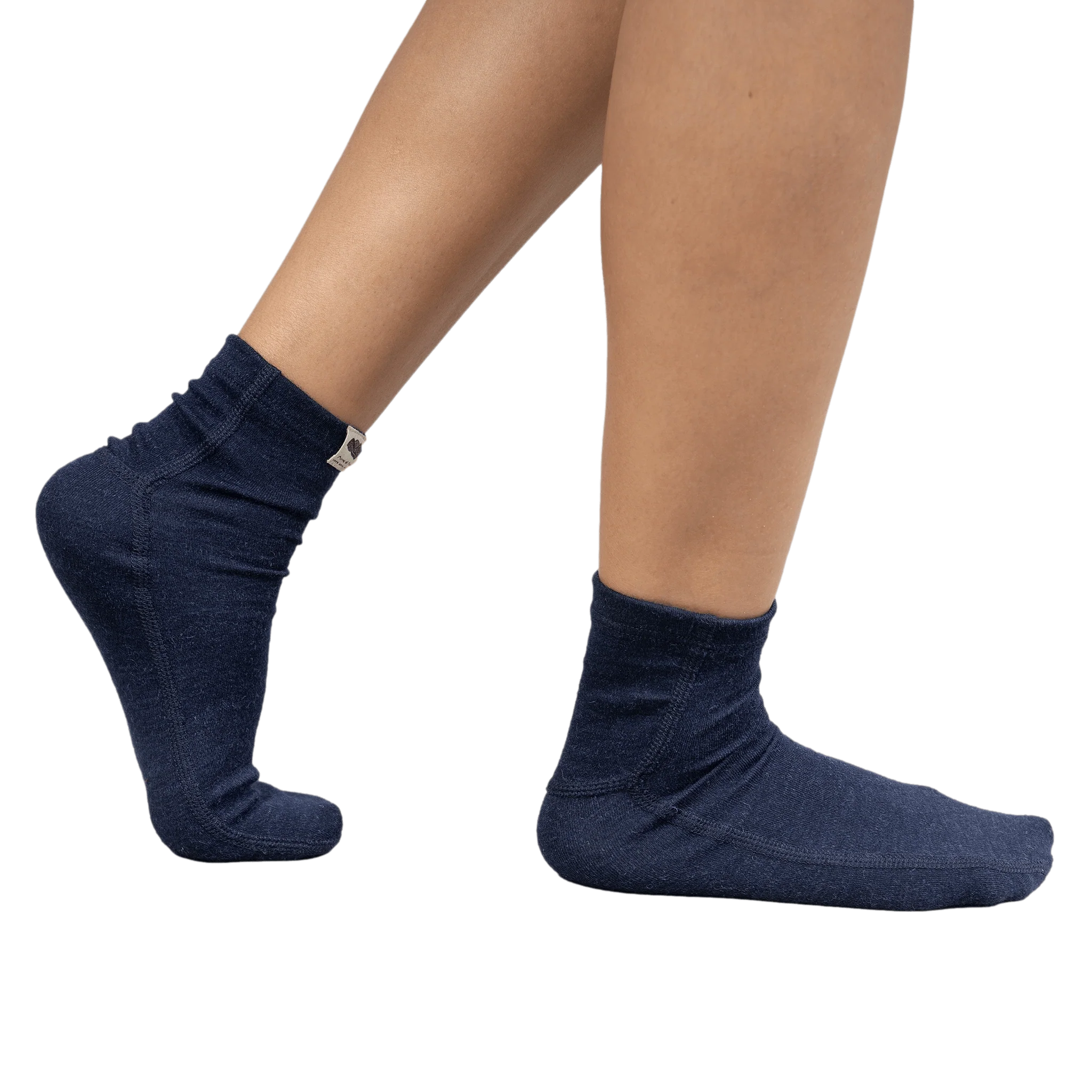
While often treated as an afterthought in the modern wardrobe, the humble sock serves as the primary barrier between the human foot and the interior of footwear. Recent dermatological research and textile industry reporting suggest that this seemingly benign layer of fabric can be a significant vector for chemical exposure. As consumers become increasingly aware of the health implications associated with skin-contact materials, a shift is occurring toward socks manufactured from natural, non-toxic fibers, moving away from the synthetic-heavy compositions that have dominated the mass market for decades.
The surge in interest regarding sock composition stems from a growing body of evidence linking textile chemicals to contact dermatitis and systemic health issues. Conventional socks are frequently produced using polyester, nylon, and elastane, materials derived from petroleum-based plastics. Beyond their lack of breathability—which contributes to the proliferation of odor-causing bacteria—these synthetic fibers are often treated with complex finishing agents. Of particular concern are azo-benzene disperse dyes. These chemicals, frequently used to achieve vibrant colors in synthetic fabrics, are known skin sensitizers. When combined with sweat, these dyes can leach from the fabric, potentially being absorbed through the pores of the skin. Scientific literature, including studies published in peer-reviewed medical journals, has identified several of these chemical compounds as potential carcinogens, raising concerns about long-term exposure for individuals who wear synthetic hosiery for extended periods.
The chronology of this trend toward "clean" hosiery mirrors the broader shift in the fashion industry toward radical transparency. Over the past decade, consumers have begun demanding the same level of accountability for undergarments and accessories that they now expect from outer layers. This demand has been accelerated by the proliferation of certifications such as Oeko-Tex and bluesign, which audit the chemical inputs used in textile manufacturing. Brands that once relied on opaque supply chains are now being pressured to provide evidence of chemical management systems that eliminate hazardous substances from the production cycle.
Supporting data regarding material composition highlights the prevalence of synthetics in the current market. A review of major retail offerings reveals that many "everyday" socks contain upwards of 50% to 70% synthetic blends, often justified by brands as necessary for elasticity and durability. However, industry analysts note that the reliance on these materials is as much about cost-cutting and manufacturing speed as it is about performance. In contrast, emerging brands focusing on "slow fashion" are proving that high-quality socks can be achieved with significantly lower synthetic content, or in some cases, with entirely natural fibers.
The manufacturing shift is characterized by a move toward traceable supply chains. For example, brands specializing in organic cotton are increasingly sourcing from specific regions—such as India or Egypt—where they can verify the absence of harmful pesticides and bleach. Similarly, the use of wool—specifically Merino and Alpaca—has seen a resurgence. These materials offer natural moisture-wicking and antimicrobial properties, negating the need for chemical finishes that are commonly applied to synthetic alternatives to achieve the same effect. The Responsible Wool Standard (RWS) has become a critical benchmark in this space, ensuring that animal welfare standards, such as the prohibition of mulesing, are upheld throughout the sourcing process.
The implications of this industry evolution are significant. For the consumer, the transition to non-toxic, natural-fiber socks is a pragmatic step toward mitigating skin sensitivities, particularly for those suffering from conditions like eczema or chronic contact dermatitis. Dermatologists have increasingly supported the use of organic, dye-free cotton for patients who report recurring irritation, noting that removing the chemical load from the foot is often the most effective way to resolve localized inflammatory responses.
Beyond individual health, the push for sustainable hosiery has broader environmental consequences. The production of synthetic fibers is a carbon-intensive process that relies on the extraction of fossil fuels. Furthermore, synthetic socks are frequent contributors to microplastic pollution; as they are laundered, they shed microscopic plastic fibers that enter the water system. By pivoting to natural, compostable fibers—such as organic cotton, linen, and Tencel—manufacturers are reducing the long-term ecological footprint of one of the most frequently replaced items in a consumer’s closet.
Leading the charge in this transition are brands that have adopted rigorous standards for their entire supply chain. Harvest & Mill, for instance, has gained industry recognition for its commitment to domestic, dye-free production, effectively eliminating the risk of dye-related skin sensitization. Similarly, brands like Cottonique and Arms of Andes are pushing the boundaries of material engineering by creating durable, high-performance socks without relying on the elastane or nylon that most manufacturers deem essential. This proves that the traditional argument—that synthetics are required for comfort and fit—is largely a legacy of mass-market manufacturing rather than an absolute technical necessity.
Official responses from industry trade groups suggest a cautious but steady acknowledgment of these trends. While traditional textile giants continue to prioritize cost-efficiency, smaller, mission-driven companies are capturing a growing share of the market by marketing "wellness" as a key feature of their products. This shift has forced a conversation about "restricted substances lists," which are now being adopted by a wider array of brands as a form of risk management. By self-imposing limits on the chemicals allowed in their products, these brands are proactively addressing the potential for regulatory scrutiny and consumer backlash.
The financial impact of this trend is also becoming clear. While non-toxic, ethically sourced socks command a higher price point than mass-produced synthetic alternatives, consumers are demonstrating a willingness to pay a premium for durability and health safety. The longevity of a high-quality wool or organic cotton sock often exceeds that of its synthetic counterpart, suggesting that the long-term value proposition favors sustainable options. As supply chains scale and these materials become more readily available, it is anticipated that the price gap between conventional and non-toxic hosiery will continue to narrow.
Looking forward, the integration of sustainable packaging—such as the use of FSC-certified paper and compostable mailers—has become a standard expectation rather than a premium feature. This holistic approach, which considers the health of the wearer, the welfare of the environment, and the transparency of the labor practices involved, represents a fundamental change in how a simple consumer good is perceived. The movement toward non-toxic socks is not merely a niche trend for those with sensitive skin; it is a microcosm of the systemic transformation required to make the global garment industry more accountable, transparent, and sustainable. As data on chemical exposure continues to mount, the demand for transparency will likely become the baseline requirement for all textile products, setting a new standard for a sector that has historically operated under the radar of public health and environmental oversight.




 Diana Nuri Rohmawati

 Gabriela Annisa

 Lukman Taruna Persada Ramadan

 Tatiana Tantri Indah Sari

 Anjar Salim

