
 Susilo Edi Turonggo
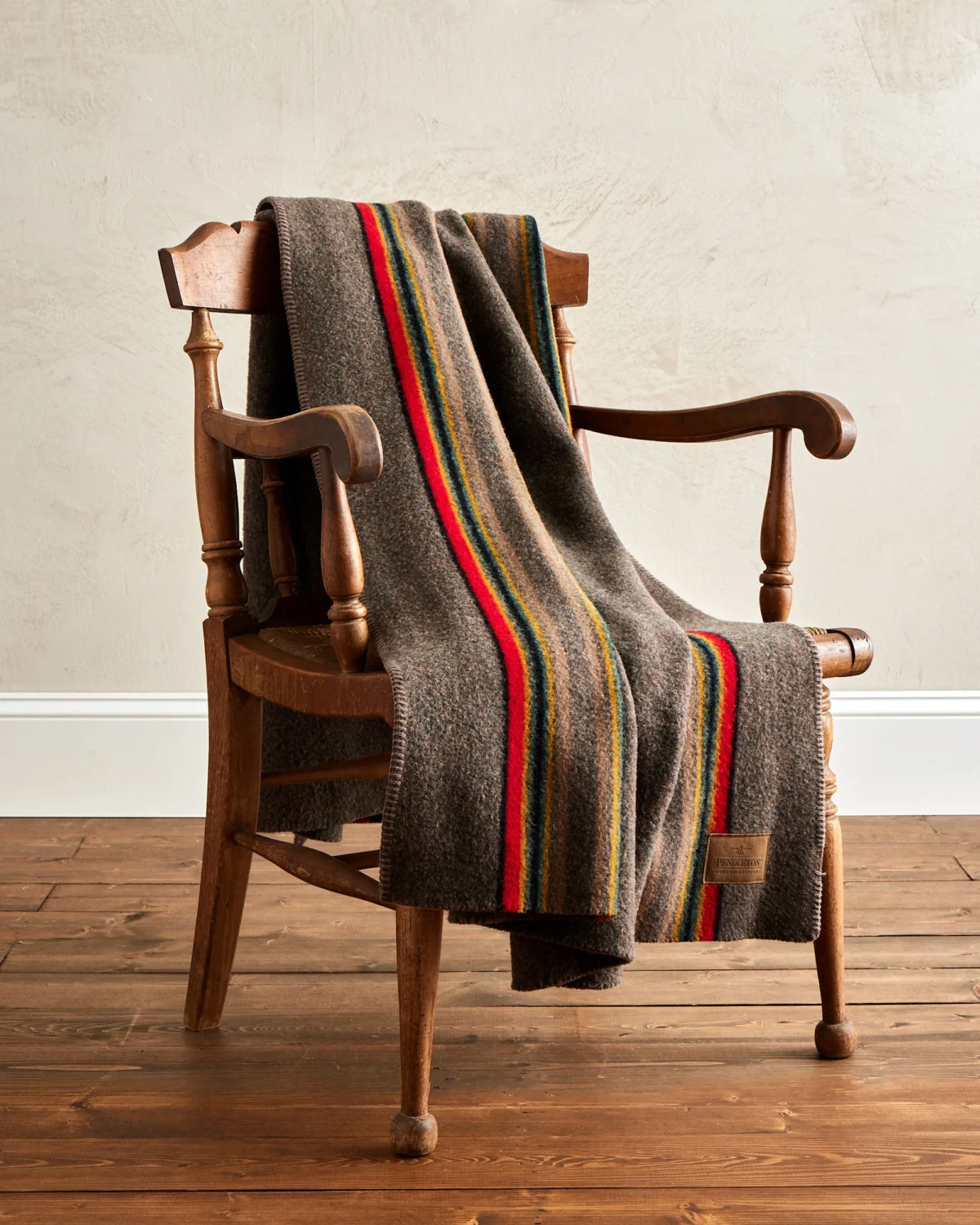
As temperatures drop and the winter season sets in, the demand for high-quality, long-lasting home textiles reaches its annual peak. For many households, the search for the perfect throw or quilt is driven not only by aesthetic preferences but by an increasing awareness of the materials, dyes, and labor practices embedded in the manufacturing process. While synthetic textiles have dominated the market for decades due to their low production costs, a growing body of evidence suggests that these materials pose significant risks to both human health and the broader ecosystem. Navigating the modern bedding market requires an understanding of textile science, supply chain transparency, and the certifications that distinguish genuinely ethical products from those relying on greenwashing.
The Hidden Health Risks of Synthetic Textiles
The transition toward natural fibers in home textiles is largely a response to the prevalence of toxic chemicals found in mass-market, synthetic blankets. Conventional synthetic textiles are frequently treated with azo-benzene disperse dyes. These chemicals are categorized as immuno-sensitizing agents, meaning they can trigger allergic reactions and skin irritation upon direct contact. Furthermore, as these blankets undergo friction and wear, micro-particles of these chemical-laden fibers can shed into the home environment. Household dust, which is often inhaled or ingested, can act as a carrier for these hazardous substances, potentially leading to long-term health complications for residents.
From an environmental perspective, synthetic fibers such as polyester and acrylic are petroleum-derived, contributing to the global carbon footprint and the proliferation of microplastic pollution. Every time a synthetic blanket is washed, it releases thousands of microfibers into the wastewater stream, eventually reaching oceans and ecosystems. In contrast, organic cotton, linen, hemp, alpaca, and merino wool offer renewable, biodegradable alternatives. When purchasing these items, industry standards recommend looking for the Oeko-Tex Standard 100 or Bluesign labels, which certify that the product has been tested for harmful substances at every stage of production, from raw fiber to finished textile.
A Chronology of the Sustainable Textile Movement
The shift toward ethical home goods did not happen overnight; it is the result of a decades-long movement aimed at reclaiming traditional craftsmanship. In the early 20th century, companies like Pendleton established vertically integrated woolen mills in the United States, maintaining control over the scouring, spinning, and weaving processes. This model, which prioritized durability and local sourcing, became the benchmark for quality.
By the late 20th century, the rise of "fast fashion" and low-cost, disposable home goods led to an industry-wide decline in quality and transparency. However, the early 2000s saw a resurgence in consumer interest regarding labor conditions, spurred by reports from organizations like the World Fair Trade Organization (WFTO). This led to the growth of the B Corp certification movement, which evaluates a company’s entire social and environmental performance. Today, the market for sustainable blankets is characterized by a "circular" philosophy—designing products for longevity and ensuring that materials can eventually be returned to the earth or recycled without introducing toxic dyes back into the system.
Data-Driven Consumer Choices: Materials and Longevity
Durability is a primary indicator of a product’s true sustainability. When consumers invest in high-quality wool, they are choosing a material with natural antimicrobial and flame-retardant properties. Unlike polyester, which requires frequent washing to remove odors and accumulated body oils, wool blankets can often be refreshed through airing or light spot cleaning. This reduces water usage and extends the lifespan of the item significantly.
Market analysis suggests that while the upfront cost of ethically produced textiles is higher, the "cost-per-use" is significantly lower over a five-to-ten-year period. A mass-market synthetic blanket may cost $30 but often degrades within two seasons, whereas an artisan-made wool or organic cotton piece can last for decades if properly cared for. Furthermore, the use of organic cotton—which uses significantly less water and eliminates the use of synthetic pesticides compared to conventional cotton—represents a vital shift in agricultural impact.
Profiles in Ethical Manufacturing
The current landscape of the industry includes several key players who have standardized ethical and transparent production:
Pendleton (Est. 1909): Operating two of the last remaining woolen mills in the United States, Pendleton maintains a high degree of supply chain control. Their commitment to Oeko-Tex certification and long-standing relationships with indigenous artists ensures that the cultural heritage of their designs is respected and economically supported.
Minna: As a certified B Corp, this organization focuses on small-batch production in collaboration with artisan partners in Central and South America. By providing transparent disclosures on their product pages regarding who made each item, they address the critical issue of labor visibility in the textile supply chain.
April Notes: Utilizing a "made-to-order" business model, this company tackles the issue of overproduction, which is one of the greatest environmental failures of the retail industry. By producing only what is requested, they minimize textile waste while maintaining fair wages for their boutique atelier partners in Lithuania.
Avocado: Recognized for their focus on non-toxic materials, Avocado’s use of naturally colored alpaca wool eliminates the need for chemical dyes entirely. Their supply chain, which includes regular audits of their sources in Northern India, provides a template for how large-scale home goods brands can maintain high ethical standards.
The Role of Certifications and Transparency
For the average consumer, verifying the claims made by brands can be daunting. Industry experts emphasize that certifications are the most reliable tool for accountability.
- Fair Trade USA / WFTO: These labels ensure that workers are paid living wages and operate in safe environments.
- Oeko-Tex / Bluesign: These labels focus on the chemical safety of the product, ensuring that no banned substances are present in the final textile.
- GOTS (Global Organic Textile Standard): This is the gold standard for organic fibers, covering both environmental and social criteria throughout the processing of organic textiles.
When a brand does not provide these certifications, it is often a signal for consumers to conduct deeper research into the brand’s supply chain disclosures. Transparency is rarely an accident; companies that work with ethical partners are generally eager to share that information.
Broader Implications for the Retail Industry
The growth of the sustainable blanket market reflects a broader shift in consumer behavior toward "slow home" living. This movement prioritizes quality over quantity and recognizes the home as an extension of one’s personal values. As retailers face increasing pressure to prove their sustainability claims, the industry is seeing a move toward more robust data reporting.
The implications for the textile industry are twofold. First, the demand for natural, non-toxic materials is driving innovation in dye technology, leading to more widespread use of plant-based and mineral-based pigments. Second, the success of small-batch and artisan-focused companies is forcing larger retailers to re-examine their reliance on cheap, synthetic supply chains.
Ultimately, the choice of a winter blanket serves as an opportunity to support traditional craftsmanship, reduce one’s personal exposure to chemical pollutants, and lower one’s overall environmental impact. As the market continues to evolve, the distinction between high-quality, ethical goods and disposable alternatives will become increasingly clear, favoring those brands that prioritize the health of their customers and the planet over the convenience of mass production. Consumers are encouraged to review material care instructions and verify certifications before purchasing, ensuring that their winter essentials align with their long-term health and ethical goals.



 Gabriela Annisa

 Lukman Taruna Persada Ramadan

 Tatiana Tantri Indah Sari

 Anjar Salim


 Dwi Wanna
