
 Gabriela Annisa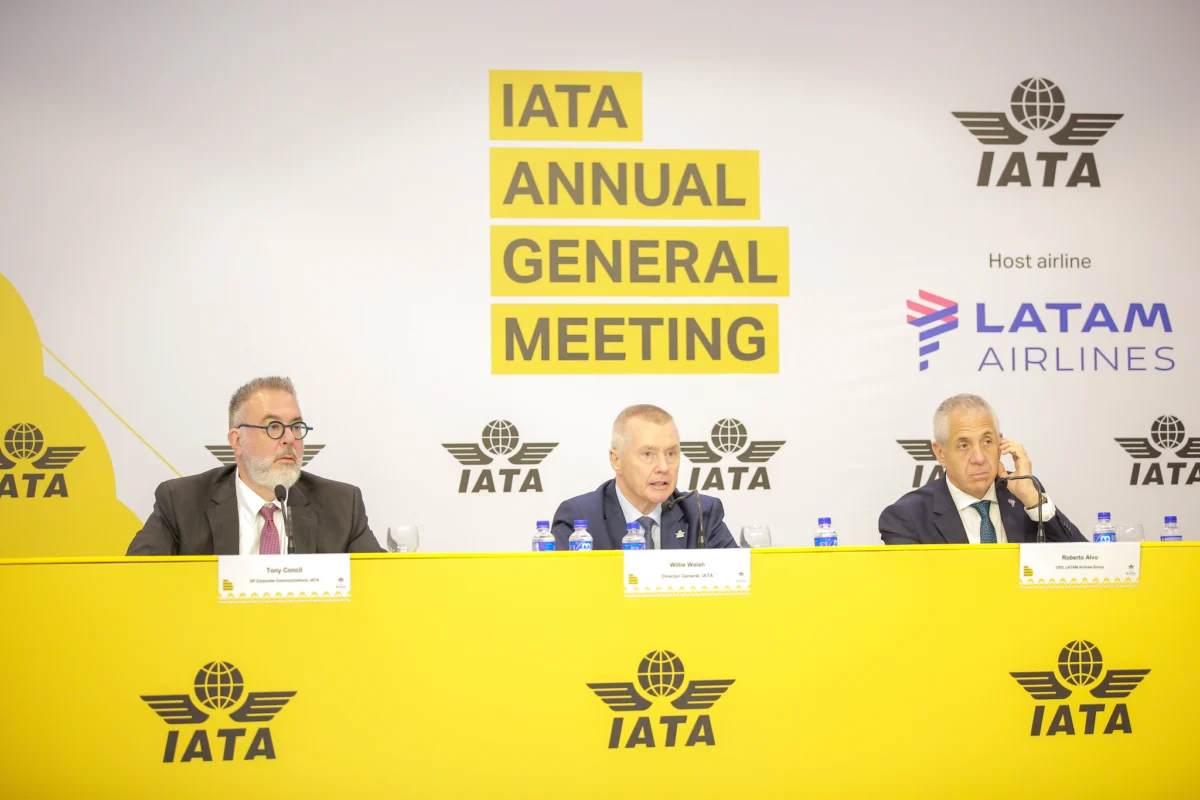
The International Air Transport Association (IATA) Annual General Meeting (AGM) for 2026, held this year in the vibrant city of Rio de Janeiro, Brazil, concluded with a comprehensive debriefing that not only summarized the global aviation industry’s current trajectory but also sharply focused on the host nation’s distinctive market characteristics. As the curtains drew on the high-profile gathering, industry leaders, policymakers, and analysts turned their attention to Brazil – one of the world’s largest and most dynamically evolving aviation markets, yet simultaneously one of its most consolidated. This paradoxical combination, extensively discussed by experts like Gordon Smith and Jay Shabat from Airline Weekly, profoundly influences everything from passenger pricing and route availability to the very competitive landscape within the country’s vast airspace.
The IATA AGM 2026: A Global Aviation Nexus in Rio
The IATA AGM serves as the pinnacle event for the global airline industry, bringing together CEOs, directors general, and leading figures from over 300 airlines, which collectively account for 83% of total air traffic. The 2026 assembly in Rio de Janeiro was particularly significant, marking a return to Latin America for a major industry discourse on the heels of a period characterized by rapid technological advancement, evolving sustainability mandates, and a volatile global economic climate. Hosted in a nation that embodies both immense potential and significant operational complexities for air travel, the AGM’s agenda was predictably packed with critical discussions.
Key themes that dominated the 2026 AGM included the industry’s unwavering commitment to achieving net-zero carbon emissions by 2050, advancements in sustainable aviation fuels (SAF) production and deployment, and the ongoing challenges of infrastructure development to meet surging demand. Furthermore, delegates delved into the intricacies of global regulatory harmonization, the imperative for enhanced cybersecurity measures, and the continued integration of digital technologies to streamline passenger experiences and operational efficiencies. Economic forecasts, geopolitical impacts on air travel, and strategies for managing rising operational costs—particularly fuel and labor—also featured prominently in plenary sessions and sideline discussions. The selection of Rio as the host city underscored the growing importance of emerging markets in the global aviation narrative, providing a vital platform for regional perspectives to influence worldwide policy and strategy.
Brazil’s Aviation Landscape: A Market of Contrasts
Brazil’s aviation market is an undeniable powerhouse in Latin America, ranking among the top ten globally in terms of domestic passenger traffic. Its sheer geographical size, coupled with a population exceeding 215 million, naturally fuels a robust demand for air travel, both for business and leisure. Historically, the nation has witnessed periods of rapid expansion, punctuated by economic fluctuations that have shaped its current structure. In 2025, preliminary data suggested that Brazil’s domestic market had not only fully recovered from the post-pandemic slump but had surpassed 2019 levels by an estimated 5-7%, carrying approximately 110-115 million domestic passengers annually. International traffic, while smaller in volume, has also shown significant recovery, benefiting from a renewed interest in tourism and strengthened business ties.
However, this impressive scale is juxtaposed with a market dynamic often described as highly consolidated. Unlike more fragmented markets in North America or Europe, where numerous carriers vie for market share, Brazil’s commercial aviation sector is largely dominated by a few key players. This consolidation has been a defining characteristic for over a decade, with profound implications that were thoroughly explored during the IATA AGM’s focused discussions on the Brazilian model.
The Dynamics of Consolidation: A Triopoly’s Grip
The current structure of Brazil’s aviation industry is primarily a triopoly, with LATAM Airlines Brasil, GOL Linhas Aéreas Inteligentes, and Azul S.A. holding the lion’s share of both domestic and a significant portion of international traffic. This market concentration is the result of a complex history involving economic crises, strategic mergers, and the eventual exits of several smaller and mid-sized carriers that struggled to compete or adapt to a challenging operating environment.
For instance, the early 2000s saw a more fragmented market, but the subsequent decades witnessed a wave of consolidation. The bankruptcy of VARIG, once Brazil’s flag carrier, and the eventual absorption or demise of other players like TransBrasil and VASP, paved the way for the rise of the current dominant trio. LATAM Brasil, a subsidiary of the larger LATAM Airlines Group, formed from the merger of Chile’s LAN and Brazil’s TAM, holds a strong position, particularly in the full-service and international segments. GOL emerged as a pioneer in the low-cost model in Brazil, revolutionizing domestic travel, while Azul carved out a niche by focusing on regional connectivity and serving a broader network of smaller cities, often with less direct competition.
By 2026, these three airlines collectively controlled an estimated 95-98% of the domestic market share, a figure that analysts frequently cite as indicative of a highly concentrated industry. This level of consolidation naturally raises questions about its impact on various stakeholders, especially consumers and potential new entrants.
Implications for Consumers and Competition
The high degree of market consolidation in Brazil presents a double-edged sword. On one hand, the dominant carriers argue that consolidation leads to greater operational efficiencies, allowing them to invest in modern fleets, enhance safety standards, and develop more robust route networks. These efficiencies, they contend, can translate into more stable operations and, in the long run, potentially lower costs through economies of scale.
However, the primary concern raised by market observers, consumer advocates, and regulatory bodies pertains to the impact on pricing and competition. With fewer players, the impetus for aggressive price competition can diminish. Analysts like Gordon Smith and Jay Shabat highlighted during their debrief that this limited competition can result in higher average fares for passengers, particularly on high-demand routes or to less-served regional destinations where one carrier might have a near-monopoly. For instance, while specific data for 2026 would be emerging, historical trends have shown that average domestic fares in consolidated markets like Brazil tend to be less volatile downward during periods of reduced demand compared to more competitive environments.
Furthermore, consolidation can lead to reduced choice for consumers in terms of flight times, service levels, and airline loyalty programs. Innovation, too, can sometimes stagnate if there is less pressure from rivals to differentiate offerings. Barriers to entry for new airlines are also significantly higher in such a market. The established players benefit from extensive route networks, significant brand recognition, existing infrastructure, and economies of scale, making it exceedingly difficult for startups to gain a foothold. This creates a challenging environment for fostering true competitive dynamics, potentially stifling the introduction of disruptive business models or niche services that could benefit specific segments of travelers.
Regulatory Oversight and Policy Challenges
Brazil’s aviation regulatory body, the Agência Nacional de Aviação Civil (ANAC), plays a crucial role in overseeing the market, ensuring safety, and promoting fair competition. However, ANAC, like many regulatory bodies globally, navigates a complex mandate that balances airline viability with consumer protection and market accessibility.
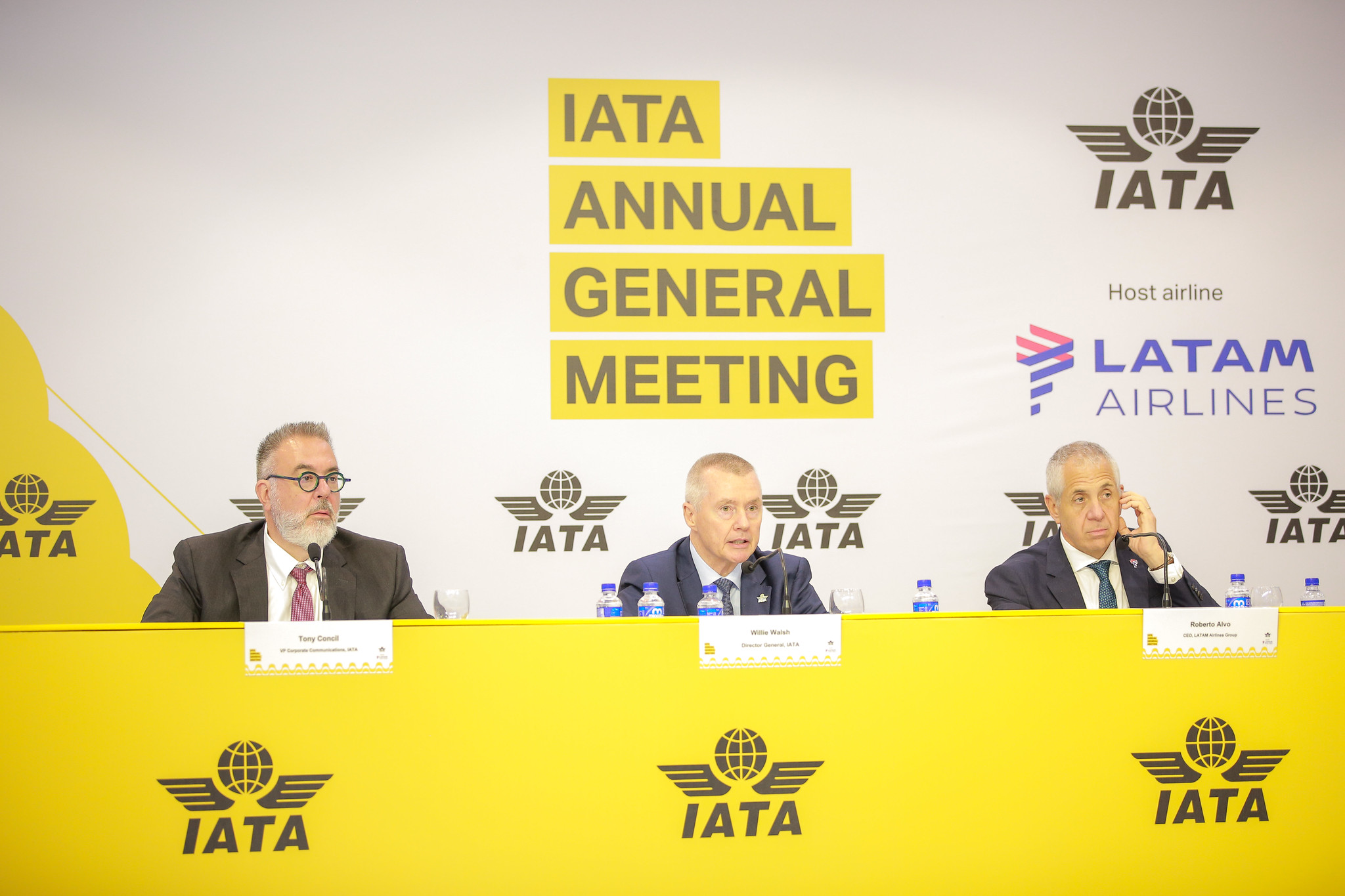
Discussions at the IATA AGM likely touched upon the ongoing debate surrounding ANAC’s powers and its approach to market consolidation. Critics often argue that stronger regulatory intervention might be needed to foster more competition, perhaps through stricter merger controls or incentives for new entrants. Conversely, the airlines and some economic proponents contend that the market naturally consolidates towards efficiency, and excessive intervention could stifle growth and investment.
Policy challenges extend beyond competition to areas like airport slot allocation, foreign ownership rules, and taxation. Brazil’s airports, particularly major hubs like São Paulo’s Guarulhos (GRU) and Rio’s Galeão (GIG), operate near capacity, making slot allocation a critical lever for competition. The government’s stance on foreign ownership of domestic airlines has also evolved, moving towards more liberalization, but the impact of these changes on the market structure takes time to materialize. Moreover, Brazil’s complex tax system and high fuel costs add further layers of operational expense for airlines, which can be passed on to consumers, further complicating the competitive landscape.
Economic Headwinds and Tailwinds
The health of Brazil’s aviation market is intrinsically linked to the broader national economic performance. In 2026, Brazil’s economy was projected to continue its gradual recovery from recent downturns, buoyed by commodity exports and domestic consumption. However, persistent inflation, interest rate volatility, and a sometimes-unpredictable political climate continue to pose significant headwinds.
For airlines, currency fluctuations are a major concern, as a substantial portion of their operational costs (aircraft leases, fuel, maintenance, spare parts) are denominated in U.S. dollars, while much of their revenue is in Brazilian Reais. This currency mismatch can heavily impact profitability. Labor costs, union negotiations, and the availability of skilled aviation professionals also represent ongoing challenges.
Despite these hurdles, significant tailwinds exist. Brazil’s growing middle class, coupled with its vast geography, ensures a continuous demand for air travel as an essential mode of transport. The country’s rich natural beauty and cultural attractions make it a perpetual draw for international tourism, which, if adequately supported by infrastructure and marketing, can provide a substantial boost to airline revenues. Government initiatives aimed at stimulating tourism and regional development can also open new routes and passenger segments.
The Path Forward: Innovation and Sustainability Imperatives
The themes from the IATA AGM – particularly sustainability and technological innovation – resonate deeply within the Brazilian context. The need for sustainable aviation fuels (SAF) is paramount for Brazil, which has vast agricultural resources that could be leveraged for SAF production, potentially positioning the country as a global leader in this critical area. Investments in SAF research, development, and infrastructure are crucial for the long-term environmental viability of its aviation sector.
Technological advancements in air traffic management, digital passenger processing, and aircraft efficiency also offer avenues for Brazilian airlines to enhance competitiveness and improve the customer experience. Smart airport initiatives, leveraging AI and biometrics, could streamline operations and reduce congestion, addressing some of the infrastructure challenges.
Expert Perspectives and Industry Reactions
During the IATA AGM debrief, industry figures and analysts offered varied perspectives. IATA Director General, Willie Walsh (or his successor, depending on the 2026 timeframe), would likely have reiterated the industry’s collective commitment to global targets, emphasizing collaboration between airlines, governments, and manufacturers. He might have acknowledged Brazil’s unique market dynamics while stressing the importance of regulatory frameworks that foster both competition and industry stability.
From the Brazilian government’s side, representatives from ANAC or the Ministry of Infrastructure would likely have highlighted their efforts to balance market efficiency with consumer protection. They might have pointed to ongoing initiatives to liberalize foreign ownership or improve airport infrastructure as evidence of their commitment to fostering a dynamic aviation sector.
Airline executives from LATAM, GOL, and Azul, while acknowledging the discussions on consolidation, would typically emphasize the benefits their respective companies bring to the Brazilian populace. They would likely underscore their extensive route networks, job creation, and contributions to regional development, arguing that their scale allows for better service and greater resilience in an often-challenging economic environment. They might also advocate for policies that reduce operating costs, such as lower fuel taxes or infrastructure investment.
Independent analysts, on the other hand, would continue to press for greater transparency and stronger regulatory oversight to ensure that the benefits of consolidation do not come at the undue expense of consumer choice and fair pricing. They might suggest that while efficiency gains are real, they must be balanced against the need for a truly competitive marketplace to drive innovation and value for the end-user.
Looking Ahead: Brazil’s Role in Global Aviation
As the IATA AGM 2026 concluded, the focus on Brazil underscored its pivotal role in the global aviation ecosystem. Its massive domestic market, coupled with its strategic geographical position linking North and South America, and increasingly, routes to Africa and Europe, makes it an indispensable player. The unique challenges posed by its consolidated market structure serve as a case study for other large, developing economies grappling with similar issues of scale, competition, and regulation.
The insights gleaned from the discussions in Rio will not only shape the future of air travel within Brazil but will also contribute to the broader global discourse on how to balance economic efficiency, environmental responsibility, and consumer welfare in an industry that is vital for global connectivity and prosperity. The path forward for Brazil’s aviation sector will undoubtedly involve continued innovation, strategic investments, and a dynamic regulatory approach that seeks to harness the power of its market while ensuring a vibrant and competitive environment for all stakeholders. The coming years will reveal how effectively Brazil navigates these complexities, cementing its position as a significant force in the skies.




 Anjar Salim
 Chandra Hamzah
 Tatiana Tantri Indah Sari
 Budi Mulyono
 Lukman Taruna Persada Ramadan
