Tatiana Tantri Indah Sari
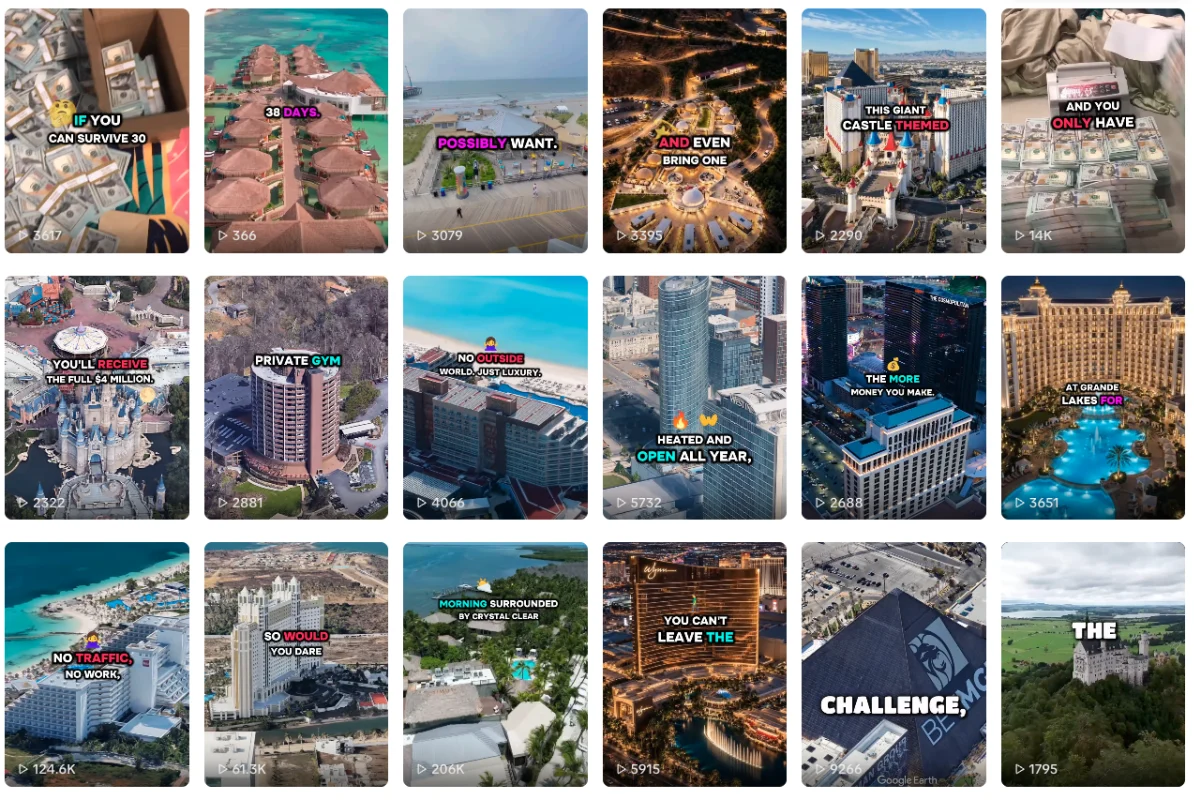
The modern digital landscape has continually blurred the lines between fantasy and reality, but a recent wave of sophisticated, highly coordinated social media hoaxes has elevated online deception to a level that directly impacts physical hospitality operations. In early October, staff at the Ambiente Sedona, an acclaimed luxury resort nestled in the red rocks of Arizona, received an unexpected telephone inquiry regarding an unusual proposition. A prospective guest wanted to know the exact terms and conditions of a viral internet challenge: could an individual truly reside on the resort property for thirty consecutive days without stepping a single foot off the grounds, ultimately walking away with a cash prize ranging from thousands to millions of dollars?
For the front desk employee who fielded the call, the premise sounded absurd—a clear internet fabrication. However, that initial inquiry was far from an isolated incident. Within a matter of hours, additional phone calls flooded the resort’s switchboard, all inquiring about the nonexistent endurance challenge. The confusion quickly escalated beyond domestic callers when an email arrived from a prominent luxury travel agency based in South Korea, reporting that several high-net-worth clients in the United States were actively seeking enrollment details for the lucrative promotional event.
Over the span of a single weekend, property owner Jennifer May noted that her staff handled four distinct inquiries directly at the front desk, alongside a steady stream of digital messages. May, who had previously raised alarms within the hospitality sector regarding artificial intelligence-generated video content that misrepresented her property, found herself once again dealing with the fallout of misleading digital media. This time, the resort was specifically targeted by anonymous social media accounts leveraging short-form video platforms to manufacture entirely fictional narratives designed to maximize engagement, leaving hospitality operators to manage the operational disruption.
The Chronology of an Online Fabrication
The emergence of the Ambiente Sedona hoax follows a meticulously documented pattern of digital deception that has increasingly plagued the travel and tourism industry over the past several years. The timeline of this specific incident underscores how quickly misinformation can propagate across global digital ecosystems.
In the weeks leading up to early October, automated and semi-coordinated accounts on platforms like TikTok began publishing short-form video content utilizing advanced editing techniques, synthetic voiceovers, and unauthorized high-definition footage of luxury accommodations. These videos frequently utilize psychological hooks common in reality television and high-stakes game shows, promising massive financial payouts for simple endurance tests. By falsely claiming that prestigious properties are hosting month-long residency challenges, creators tap into viewers’ desires for luxury travel and easy financial windfalls.
By Friday afternoon of that pivotal October weekend, the first direct phone call reached the Ambiente Sedona front desk. The caller inquired about registration fees and room availability for the month-long challenge. Recognizing that the inquiry stemmed from a social media post, the staff member patiently clarified that no such promotion existed.
However, the velocity of algorithmic content distribution ensured that the narrative continued to spread unchecked. On Saturday and Sunday, the property received multiple additional phone calls from individuals who had traveled from various parts of the country or were actively planning trips based on the premise of entering the challenge. Simultaneously, digital inquiries began pouring in through official email channels. The international inquiry from the South Korean travel agency highlighted the global reach of these localized digital hoaxes, proving that potential visitors thousands of miles away were consuming and believing the fabricated content. By Monday morning, resort management was forced to implement internal protocols to address the influx of confused prospective guests, dedicating valuable staff hours to debunking a myth generated entirely by online algorithms.
The Anatomy of Modern Travel Misinformation
The Ambiente Sedona incident is not an isolated anomaly but rather a symptom of a broader, systemic vulnerability within the digital marketing and social media ecosystems. As generative artificial intelligence tools and video editing software become increasingly sophisticated, bad actors have found lucrative incentives to fabricate content concerning real-world businesses.
In the digital creator economy, views, shares, and comments translate directly into monetization revenue through creator funds, brand sponsorships, and affiliate marketing links. By associating their channels with high-end, aspirational brands like luxury resorts, creators can artificially inflate their engagement metrics. Properties like Ambiente Sedona—known for their distinctive architecture, immersive natural surroundings, and exclusive atmosphere—make ideal visual backdrops for these deceptive campaigns.
Furthermore, the algorithms powering platforms such as TikTok, Instagram Reels, and YouTube Shorts prioritize watch time and emotional resonance over factual accuracy. When a video presents a compelling narrative—such as winning millions of dollars simply by lounging at a five-star resort—viewers frequently watch until the end, share the content with friends, or read the comments to determine its validity, thereby signaling to the algorithm that the video should be distributed to an even wider audience.
Industry analysts point out that hospitality brands face a unique disadvantage in these scenarios. Unlike e-commerce companies that can instantly issue digital clarifications or take down fraudulent listings, physical hotels operate in the tangible world where customer service personnel must interface directly with confused consumers. When guests arrive with expectations shaped by viral fiction, the immediate burden falls upon front-line employees to manage disappointment, confusion, and occasionally, frustration.
Industry Response and Operational Implications
The operational ramifications of viral social media hoaxes extend far beyond minor customer service inconveniences. For luxury properties that pride themselves on personalized, seamless guest experiences, managing waves of unwarranted inquiries strains valuable human resources.
Front desk agents, reservation specialists, and public relations teams are diverted from their primary duties—attending to verified paying guests—to field repetitive questions about nonexistent promotions. In the case of the Ambiente Sedona, the necessity of responding to international travel agents and domestic callers over a weekend required management intervention to ensure consistent messaging was delivered across all communication channels.
Moreover, reputational risks remain a persistent concern. Even when properties explicitly deny the existence of such challenges, a small fraction of disillusioned viewers may harbor skepticism, suspecting that the hotel is merely attempting to keep the promotion exclusive or secret. This phenomenon, often exacerbated by the comment sections of viral videos where users speculate wildly about the "real rules" of the challenge, complicates the brand’s messaging and forces marketing teams to invest time and capital into counter-messaging campaigns.
Legal and platform-level remedies remain stubbornly limited. While hotels can submit copyright takedown requests for the unauthorized use of their promotional imagery, the sheer volume of newly created accounts and the rapid re-uploading of edited video content make proactive enforcement nearly impossible. Social media platforms have been slow to implement automated moderation tools capable of detecting and removing fictional promotional claims without infringing upon legitimate user expression or parody.
Broader Economic and Societal Impact
The intersection of travel, social media, and digital fabrication highlights a maturing challenge for the global tourism sector. As consumers increasingly turn to social platforms as their primary search engines for travel inspiration and planning, the line between authentic destination marketing and deceptive entertainment continues to erode.
Data from hospitality marketing firms indicate that a growing percentage of travelers—particularly within the Gen Z and Millennial demographics—discover new destinations through short-form video content. While this trend has democratized travel marketing, allowing boutique and independent properties to achieve global visibility without massive advertising budgets, it also exposes the travelling public to unprecedented levels of misinformation.
Experts suggest that mitigating the impact of such hoaxes will require a multi-layered approach involving enhanced digital literacy among consumers, faster and more responsive content moderation from technology platforms, and proactive digital communication strategies from hospitality brands. Properties are increasingly advised to maintain highly visible, real-time FAQ sections on their official websites and social media profiles to quickly dispel viral rumors before they gain mainstream traction.
As digital landscapes continue to evolve with the integration of generative technologies, the experience of the Ambiente Sedona serves as a cautionary tale for the hospitality industry at large. The ability of a fabricated story to travel across continents in a matter of hours—transmuting digital fiction into physical reality at a hotel front desk—demonstrates that managing physical guests now requires an equally robust defense of a property’s digital reputation.


 Gabriela Annisa

 Lukman Taruna Persada Ramadan
 Anjar Salim

 Budi Mulyono