Anjar Salim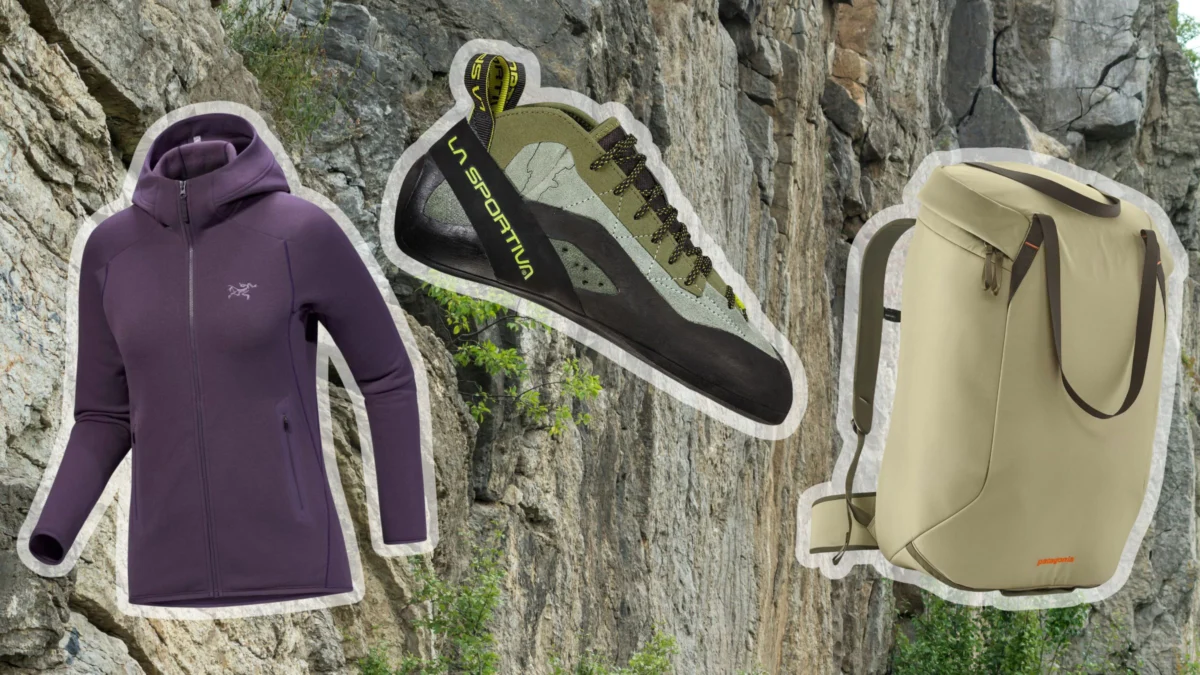
The landscape of professional and recreational rock climbing has undergone a significant transformation over the past decade, marked by a surge in indoor facility accessibility and a rapid evolution in safety and performance technology. As of June 2026, the industry is witnessing a notable trend: the return of seasoned climbers who stepped away from the sport during the early 2020s, a period defined by global health disruptions and shifting personal demographics. This resurgence is not merely a return to form but a reintegration into a sport that has become more technologically advanced, safety-conscious, and inclusive of diverse lifestyles, including those of parents balancing high-performance recreation with childcare responsibilities.
The Evolution of the Climbing Demographic and Market Trends
The narrative of the modern climber has shifted from the "dirtbag" subculture of the late 20th century to a more mainstream, multi-faceted demographic. Market data from 2024 and 2025 indicates that the "return-to-sport" segment—individuals aged 30 to 45 who are re-entering high-intensity activities after a hiatus—now accounts for approximately 22% of active climbing gym memberships in the United States. This demographic shift is particularly evident in climbing hubs such as Boulder, Colorado, and Santa Fe, New Mexico, where the proximity of world-class outdoor crags to urban centers facilitates a hybrid climbing lifestyle.
For many, the hiatus was prompted by the life-altering events of 2021, including the tail end of the COVID-19 pandemic and the subsequent "baby boom" seen in outdoor-active communities. As these parents return to the wall in 2026, they find an industry that has adapted to their needs. Modern facilities are increasingly incorporating family-friendly programming, while gear manufacturers have pivoted toward equipment that prioritizes ease of use, safety redundancy, and comfort without sacrificing the technical specifications required for elite-level performance.
A Chronology of Technological Innovation (2021–2026)
The five-year period between 2021 and 2026 saw a concentrated burst of innovation in climbing hardware and soft goods. When many climbers stepped away in 2021, the market was dominated by traditional manual belay devices and aggressive, highly specialized footwear. Upon their return in 2026, they are greeted by a "new normal" where assisted-braking technology is often a mandatory requirement in commercial gyms and recycled, high-durability textiles are the industry standard.
- 2021–2022: The focus on sustainability intensified, with major brands like Patagonia and The North Face committing to 100% recycled nylon and polyester in their technical lines.
- 2023: A shift in safety protocols occurred as major gym chains across the Southwest began phasing out traditional tubular belay devices (ATCs) for lead climbing, citing liability concerns and the lower margin of error provided by assisted-braking devices.
- 2024–2025: Footwear technology moved toward "hybridization," creating shoes that could perform on elite technical routes while providing the comfort necessary for long sessions or multi-pitch environments.
- 2026: The integration of "smart" gear and advanced ergonomics has allowed athletes to return to the sport with lower risks of repetitive strain injuries, a critical factor for the aging millennial climbing population.
Technical Analysis of Essential Equipment in the Current Market
The re-entry into climbing requires an overhaul of equipment, as soft goods like harnesses and ropes have a finite lifespan, typically recommended for retirement after five to seven years regardless of use. The 2026 gear market is defined by several standout products that exemplify the current state of the industry.
Footwear: The Balance of Comfort and Precision
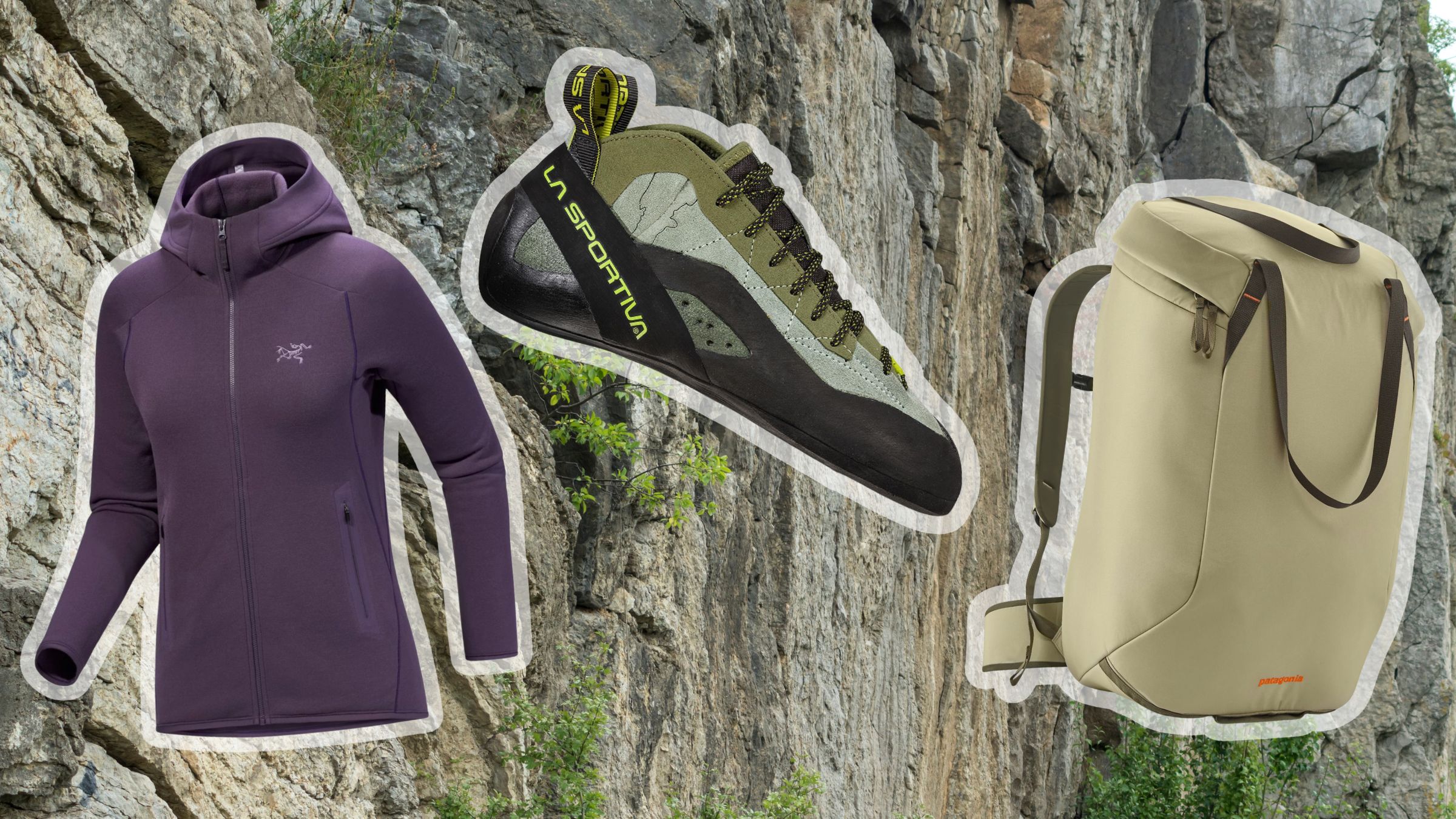
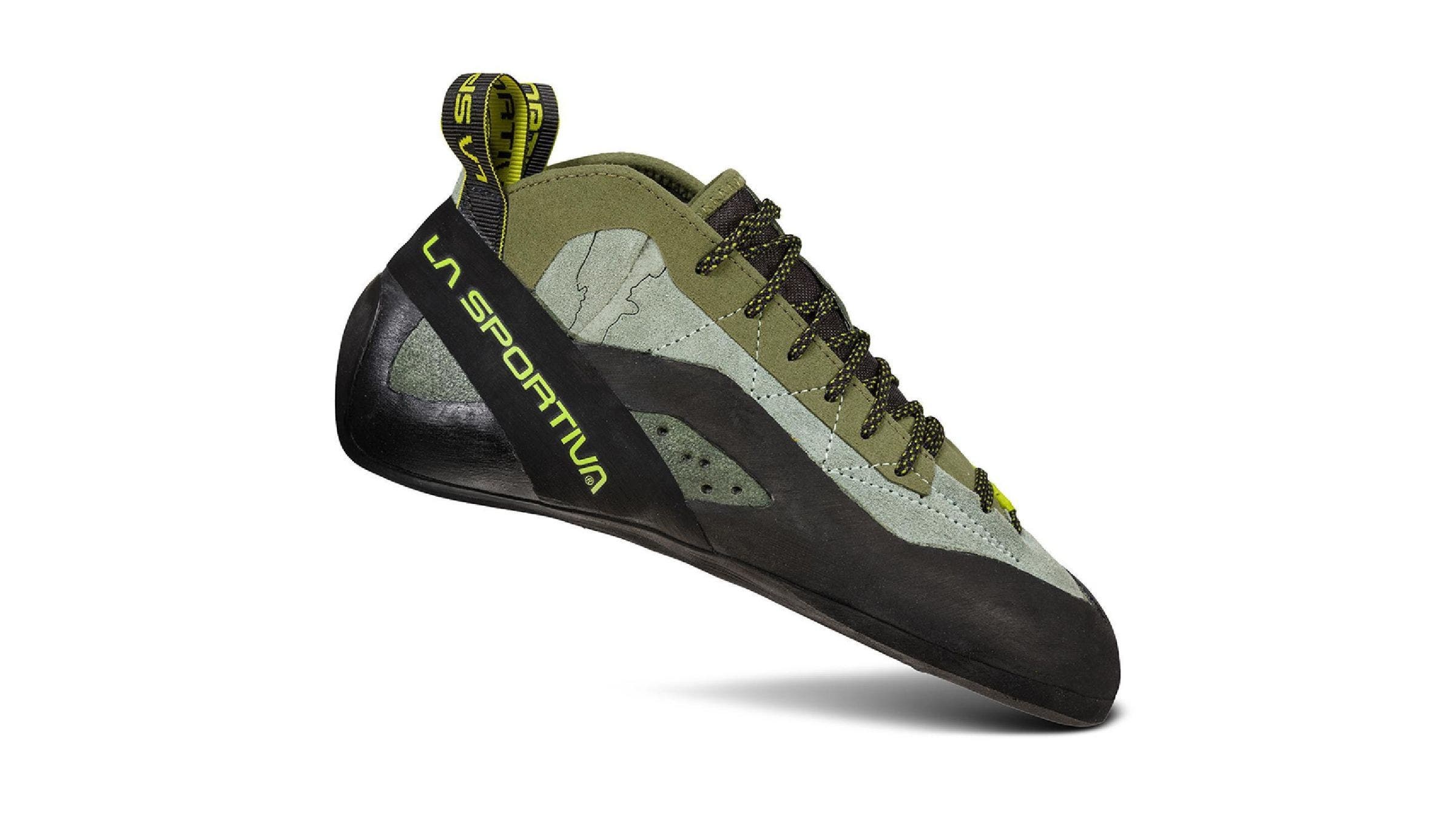
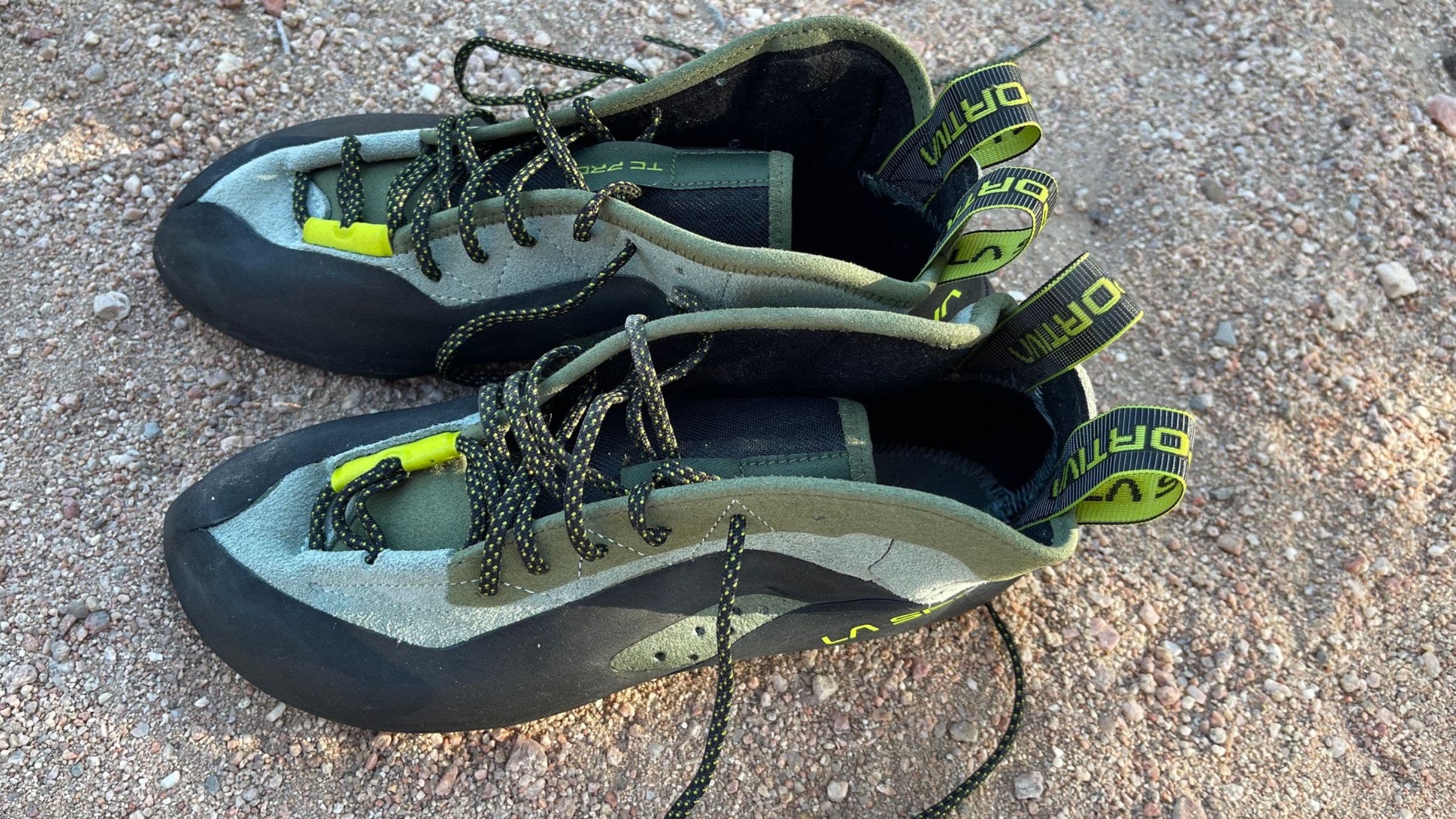
The La Sportiva TC Pro remains a benchmark in the industry, particularly for climbers transitioning from the gym to big-wall environments. Unlike the aggressive, downturned shoes favored by competition bouldering specialists, the TC Pro utilizes a flat-lasted design. This architecture supports the foot’s natural position, which is essential for climbers who have experienced the physiological changes associated with pregnancy or long-term distance running. Technical specifications include the use of Vibram XS Edge rubber, a compound engineered for maximum support on micro-edges, and a mid-height cuff that provides protection for the malleolus during crack climbing.
Safety Hardware: The Assisted-Braking Mandate
Perhaps the most significant change for returning climbers is the ubiquity of assisted-braking devices (ABDs). The Black Diamond Momentum Pilot Package represents the industry’s move toward "passive" assisted braking. Unlike mechanical devices with complex moving parts, the Pilot uses the geometry of the device and the carabiner to pinch the rope during a fall. Weighing approximately 86 grams, it is lighter than many traditional devices. This evolution addresses a primary critique of early ABDs—their bulk and weight—making high-level safety accessible to those accustomed to old-school, lightweight gear.
Logistics and Storage: The Multi-Pitch Requirement
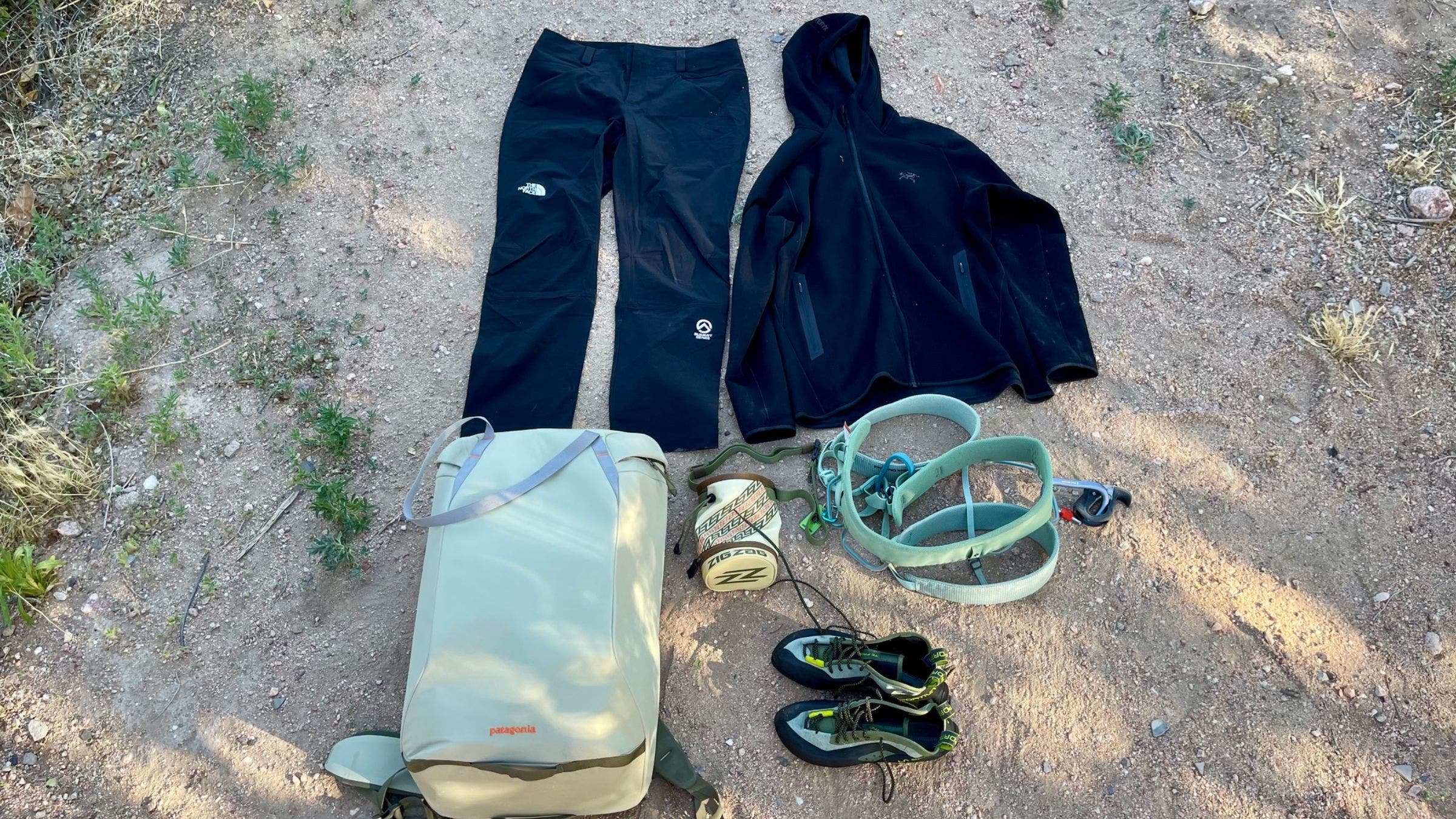
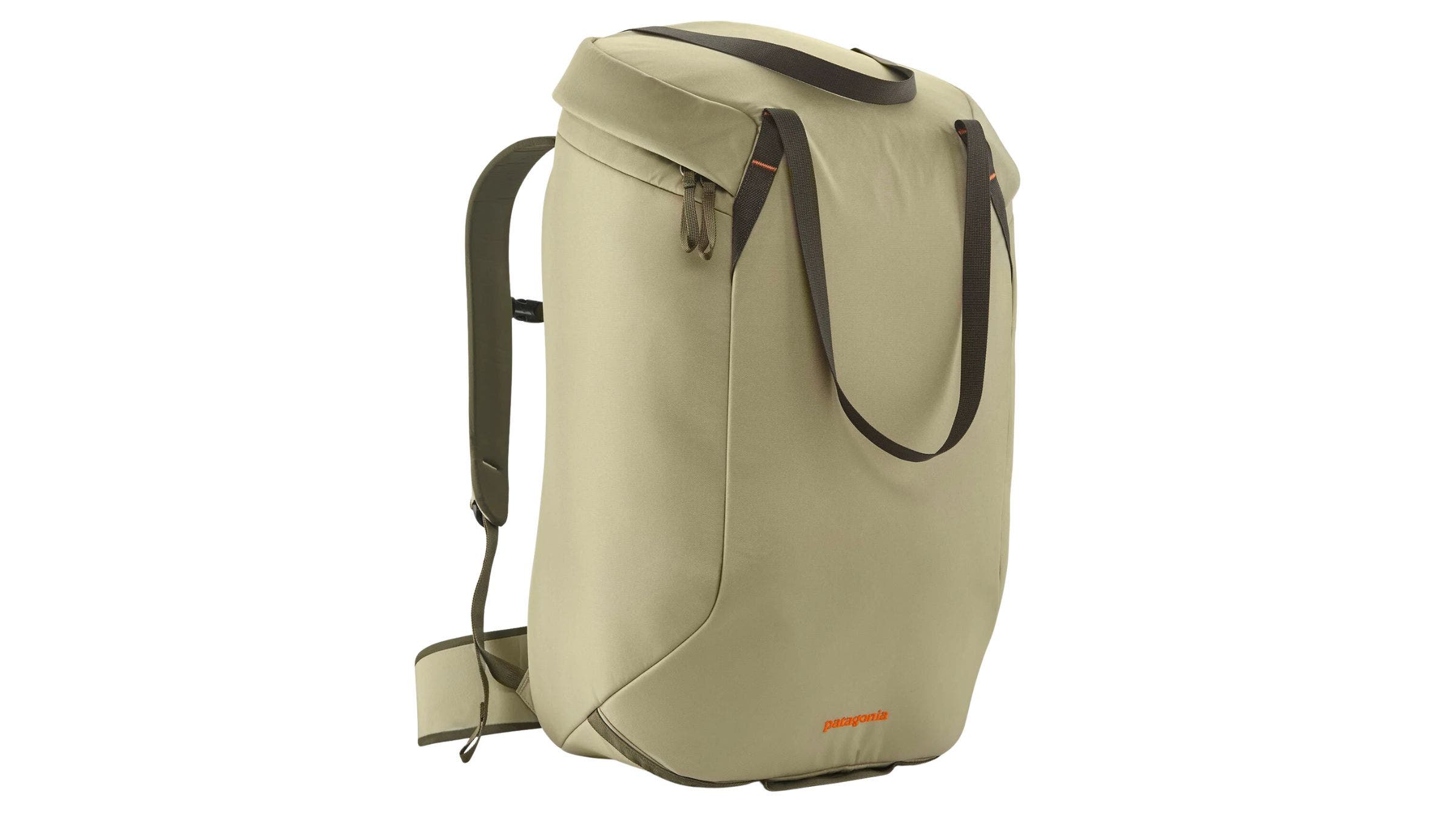
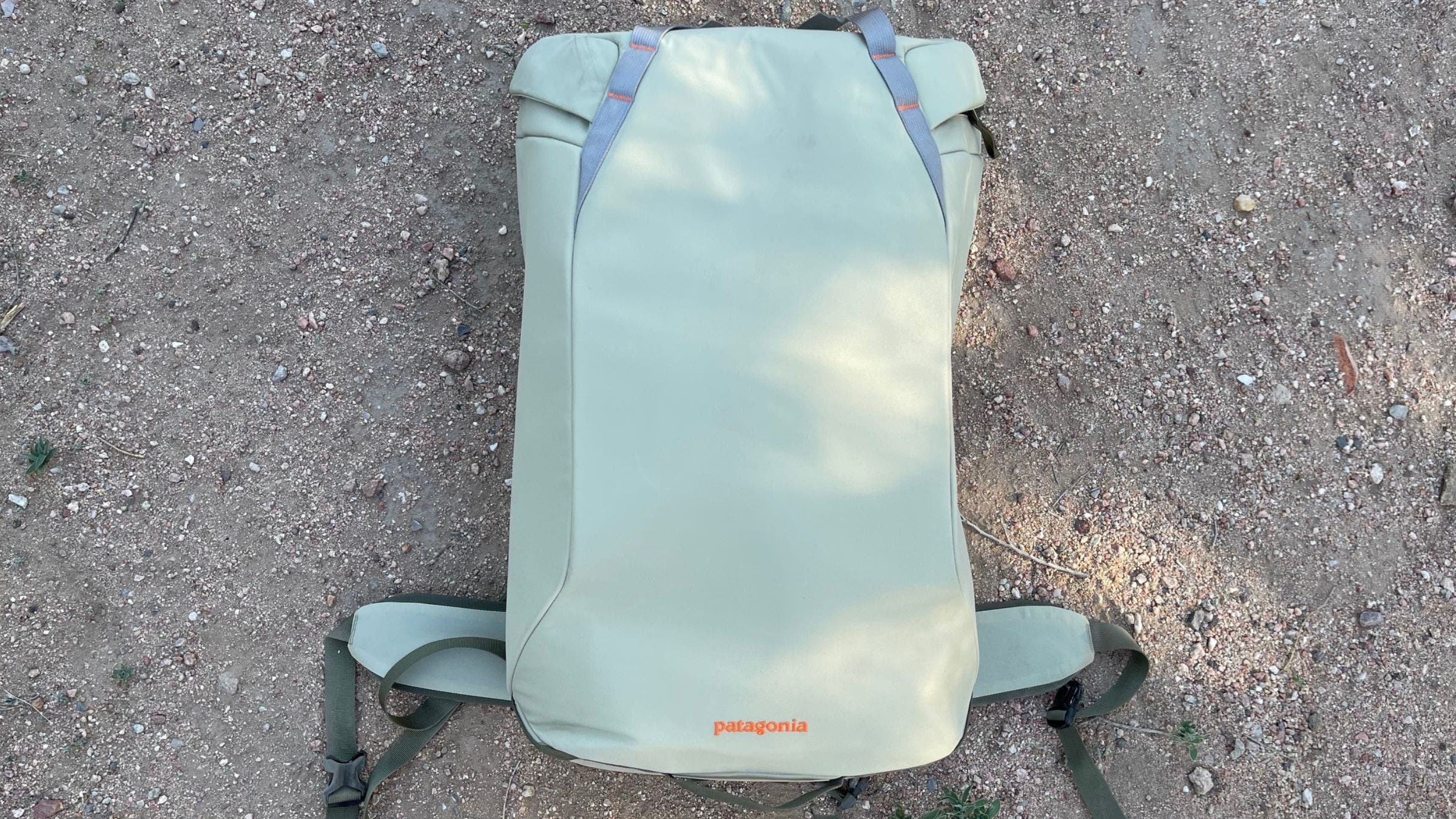
As climbers move beyond the gym, the demand for specialized haul packs has grown. The Patagonia Free Wall Haulsmith Pack, constructed from abrasion-resistant and water-repellent materials, reflects a trend toward "crossover" gear. With a weight of 41.3 ounces, it is designed to be hauled up granite faces while maintaining the ergonomic padding required for long approaches. The inclusion of gear loops and specialized "belay-ready" handles demonstrates a focus on the logistical flow of a climbing day, reducing the friction of gear management for parents who may have limited time at the crag.
The Sustainability Mandate and Material Science
In 2026, the "green" credentials of outdoor equipment are no longer optional. Brands like Zigzag have gained market share by utilizing recycled plastic bottles and discarded fishing nets to produce essential accessories like the Vessel Chalk Bag. This shift is mirrored in apparel; The North Face Summit Series Off Width Pants utilize a recycled nylon-elastane double weave. This material science provides the four-way stretch necessary for high-step maneuvers while incorporating non-PFC durable water repellent (DWR) finishes, which eliminate the "forever chemicals" that were standard in the industry only a few years ago.
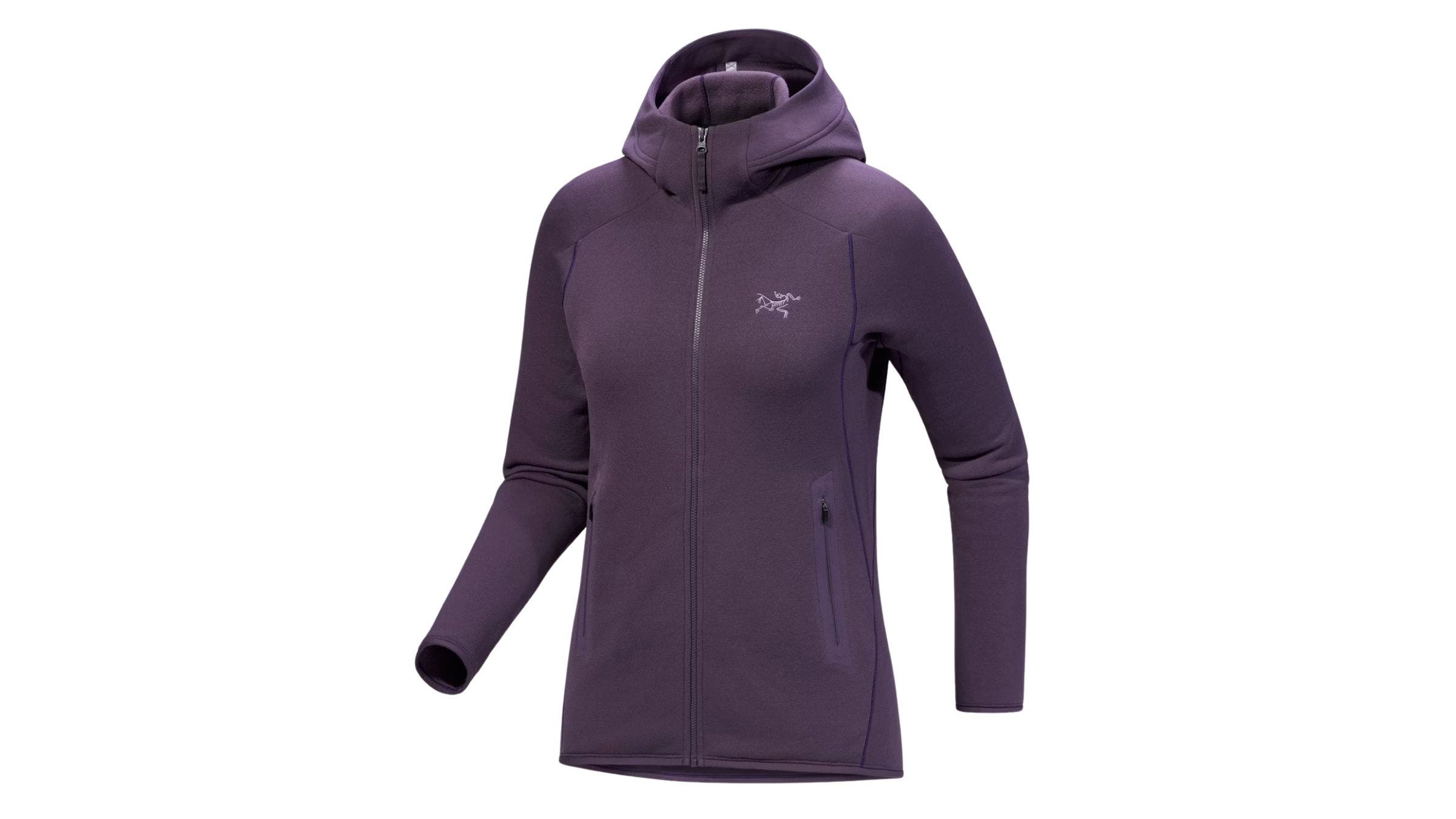
Furthermore, the Arc’teryx Kyanite Hoody exemplifies the trend of "technical versatility." By utilizing a polyester-nylon-elastane blend, manufacturers are creating layers that provide a high warmth-to-weight ratio and moisture management, suitable for a range of activities from alpine approaches to casual urban use. This versatility is a key selling point for the 2026 consumer, who demands gear that can perform across multiple disciplines.
Professional and Institutional Responses
The return of experienced climbers has been welcomed by gym owners and outdoor advocacy groups, though it has necessitated a re-evaluation of safety certifications. "We are seeing a lot of ‘legacy’ climbers coming back," noted a safety coordinator for a major Albuquerque climbing facility. "While they have the strength and the passion, the safety standards have evolved. We now require orientation sessions for assisted-braking devices to ensure that everyone on the wall is using the most current, safest techniques available."
From a physiological perspective, sports medicine professionals have noted the resilience of the climbing community. Dr. Elena Rodriguez, a specialist in postpartum athletics, states: "The return to high-impact sports like climbing after a multi-year hiatus requires a graduated approach. The current generation of gear—specifically more supportive footwear and ergonomic harnesses—plays a vital role in injury prevention for athletes re-adjusting to the physical demands of the vertical environment."
Broader Impact and Future Implications
The resurgence of climbing in 2026 is a microcosm of a larger societal trend: the reclamation of identity through outdoor recreation. For the segment of the population that paused their athletic pursuits for family or career, the sport of climbing offers a unique combination of physical challenge and social community.
The implications for the industry are clear. There is a sustained demand for high-quality, durable, and safe equipment that accommodates a wide range of skill levels and life stages. As technical innovation continues to lower the barrier to entry and increase the safety margins of the sport, the climbing community is expected to grow not just in numbers, but in the diversity of its participants. The "new" climbing culture of 2026 is one where the four-year-old watching from the gym floor is as much a part of the ecosystem as the parent on the lead wall, supported by a technological infrastructure that prioritizes the longevity of the athlete and the health of the environment.



 Chandra Hamzah
 Gabriela Annisa
 Tatiana Tantri Indah Sari
 Budi Mulyono