
 Diana Nuri Rohmawati

Nineteen years after spending nearly a month living a rudimentary backpacker existence on the remote Thai island of Ko Lipe, returning travelers and long-term observers face a sobering reality: the once-isolated sanctuary has transformed into a cautionary tale of unchecked mass tourism. In 2006, Ko Lipe was characterized by scarce electricity, $2 beachside bungalows, and a tranquil rhythm dictated by nature rather than commerce. Today, however, the island mirrors the heavily commercialized trajectories of destinations like Ko Phi Phi and Phuket, raising critical questions regarding environmental carrying capacity, sustainable resource management, and the socio-economic impacts of rapid development on local communities.
Historical Context and Evolution of Ko Lipe Tourism
Located in the Satun Province of southern Thailand, near the Malaysian border, Ko Lipe sits within the protected confines of the Tarutao National Marine Park. Two decades ago, access to the island required navigating unpredictable maritime conditions, often marking the literal end of the seasonal boat line. Infrastructure was virtually nonexistent. Power generators operated for only a few hours each evening, and daily life centered around local interactions, basic snorkeling, and a handful of local dining establishments.
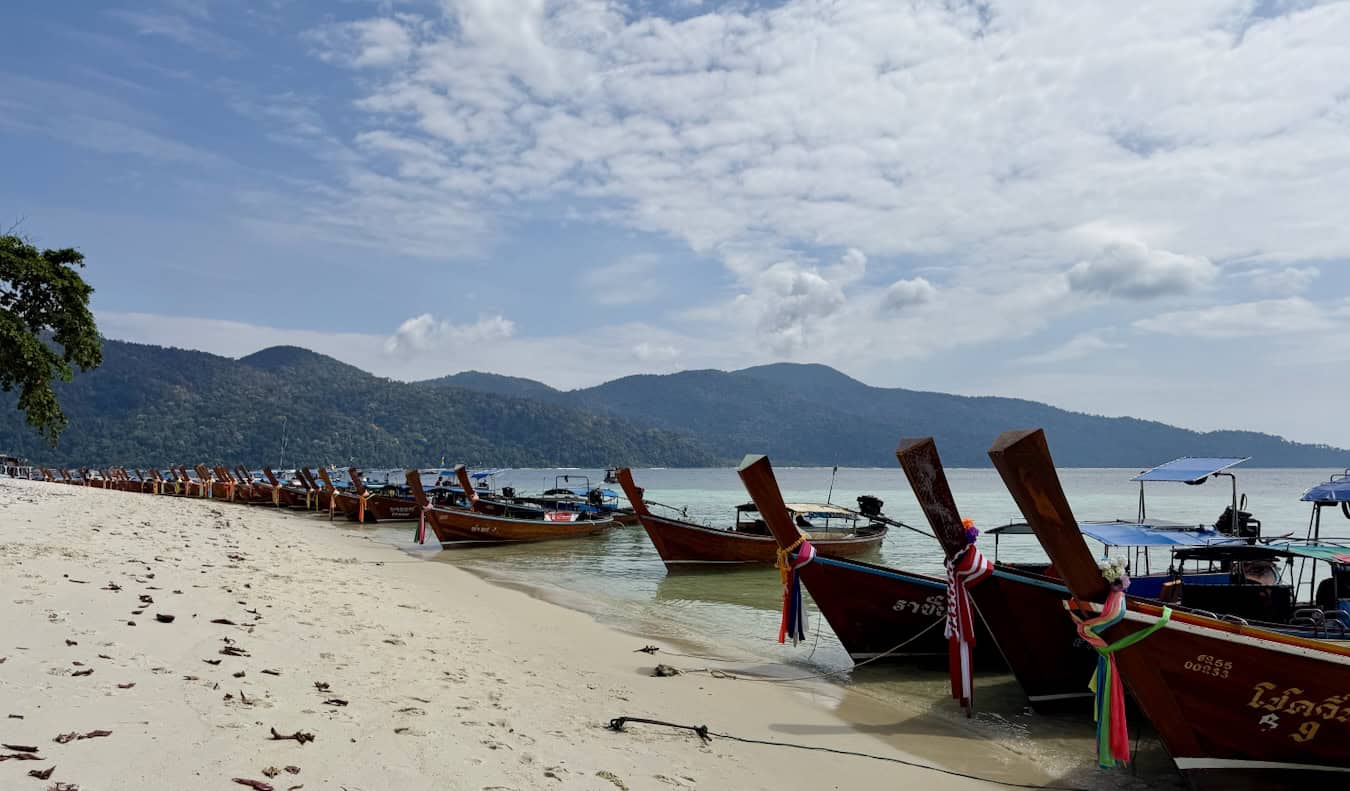
Over the subsequent two decades, Thailand’s tourism sector experienced exponential growth, driven by aggressive national marketing campaigns, expanded air connectivity, and increased regional travel from both Western tourists and visitors from neighboring Asian economies. While this influx generated substantial national revenue, peripheral islands with fragile ecosystems bore the brunt of the expansion. Ko Lipe transitioned rapidly from an off-the-grid haven to a high-density destination, driven by real estate demand, mainland investment, and surging visitor numbers.
Environmental and Infrastructural Consequences
Recent visits to Ko Lipe reveal profound environmental degradation directly linked to unsustainable construction and heavy tourist foot traffic. Most notably, the island’s original dirt footpaths have been systematically paved over with concrete to accommodate an influx of motor vehicles and construction freight.
Natural landscapes have been radically altered. Expansive groves of native palm trees have been cleared to make way for high-end resorts equipped with swimming pools—a particularly unsustainable amenity given that Ko Lipe possesses no natural freshwater aquifer. Consequently, the island relies heavily on energy-intensive desalination and freshwater transportation from the mainland, straining local utilities.
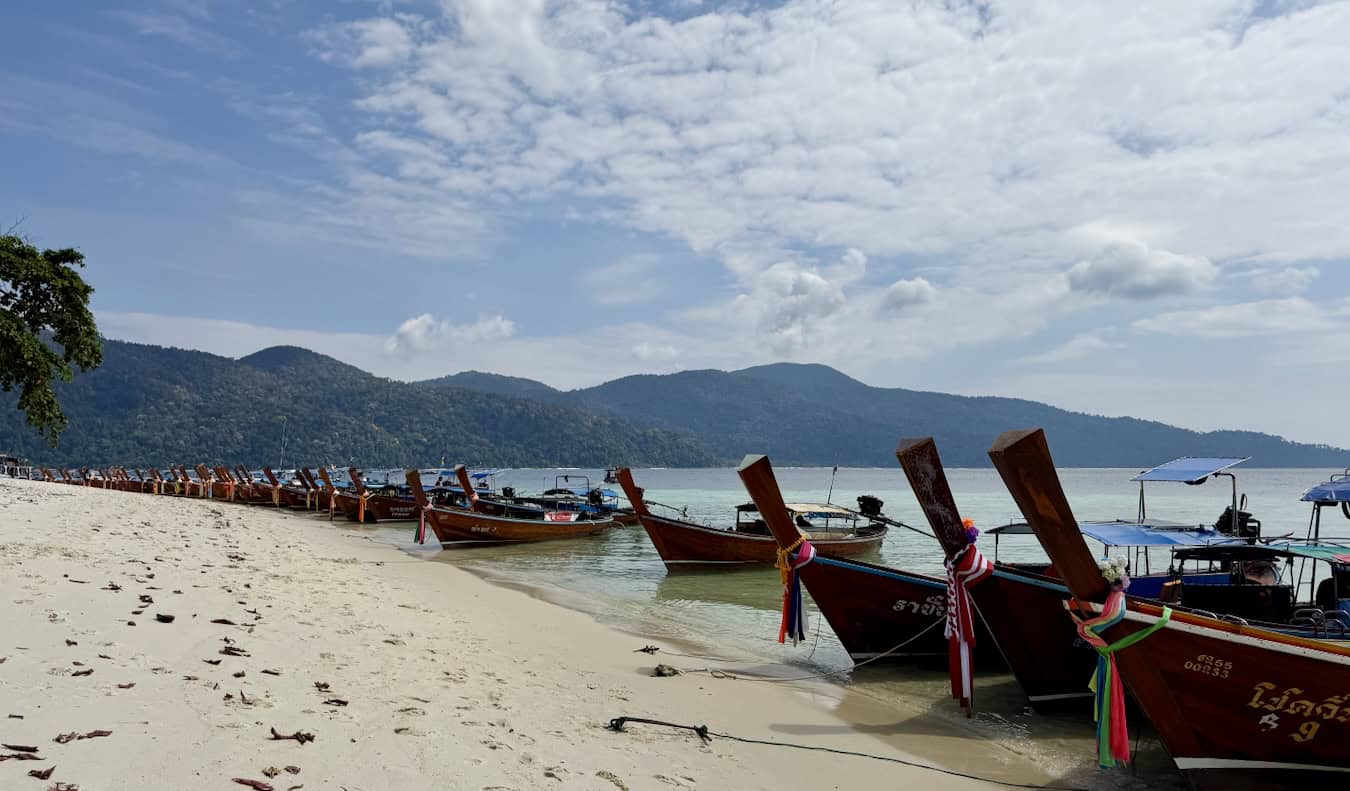
Marine ecosystems have suffered similarly severe impacts. Coral reefs surrounding Ko Lipe, which serve as a vital anchor for regional marine biodiversity, are experiencing accelerated bleaching and die-offs. Environmental researchers attribute this decline to several compounding factors:
- Maritime Congestion: A high volume of longtail and speedboats frequently anchor directly over coral formations, causing physical breakage.
- Pollution: Fuel exhaust from hundreds of daily boat motors leaves persistent hydrocarbon films across the water surface, impacting marine life and swimming conditions.
- Overfishing: Local fish populations have been heavily depleted to supply the island’s burgeoning hospitality industry.
- Waste Management Pressures: Solid waste and wastewater treatment facilities have struggled to scale alongside the explosive growth in visitor capacity, leading to runoff into surrounding waters.
Furthermore, dining and retail sectors have shifted away from traditional local cuisine and commerce, adapting instead to cater to mass-market international preferences.
Socio-Economic Realities and Displacement of Local Communities
The rapid economic boom on Ko Lipe has precipitated significant demographic and economic shifts for the indigenous Urak Lawoi (sea gypsy) community and long-term local residents. Escalating land values and aggressive acquisition strategies by mainland developers have forced many native landowners to sell their property.
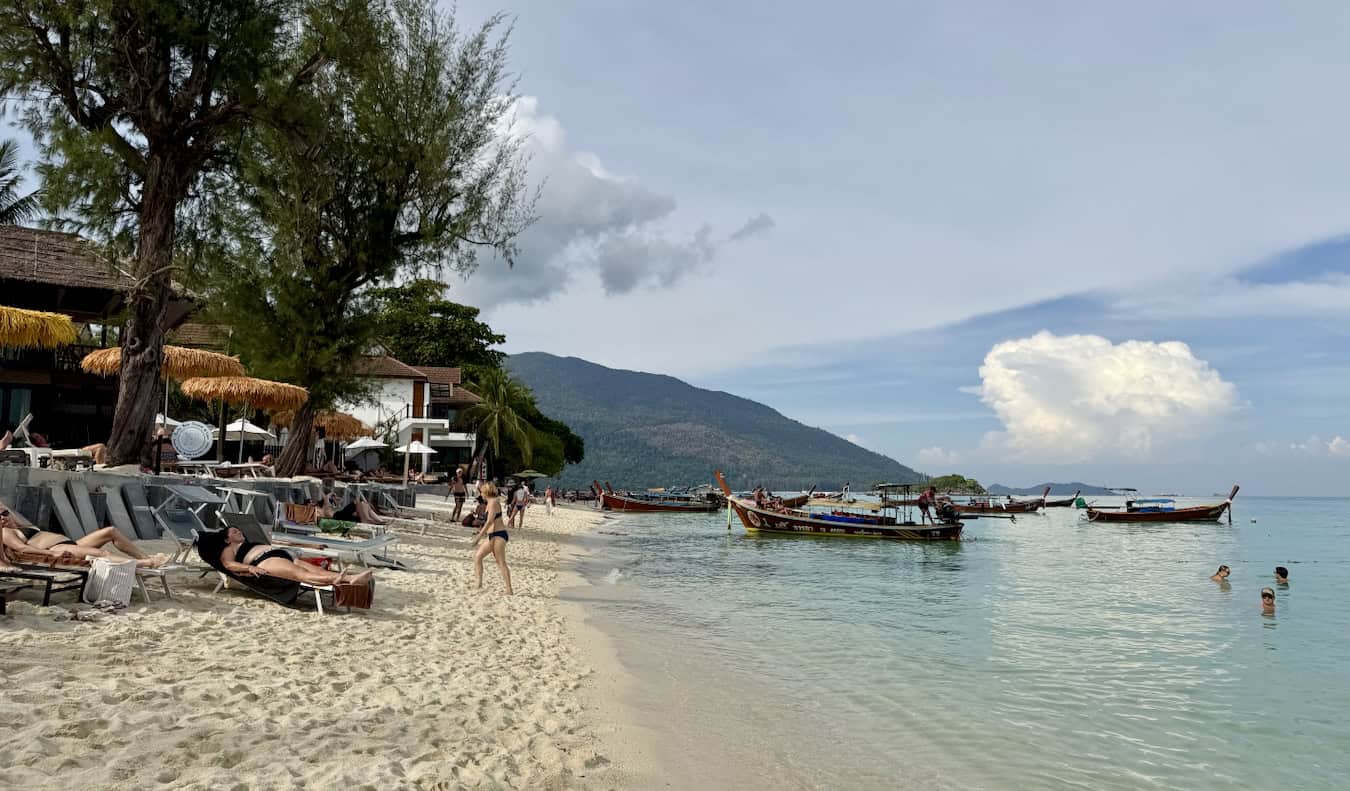
Consequently, a substantial portion of the island’s current workforce consists of migrant laborers recruited from the mainland, who often reside in precarious conditions and see only a fraction of the economic benefits generated by the tourism sector. Economists and regional sociologists point to Ko Lipe as a prime example of enclave tourism, where external capital drives development while local populations shoulder the socio-environmental externalities.
Comparative Analysis with Other Thai Destinations
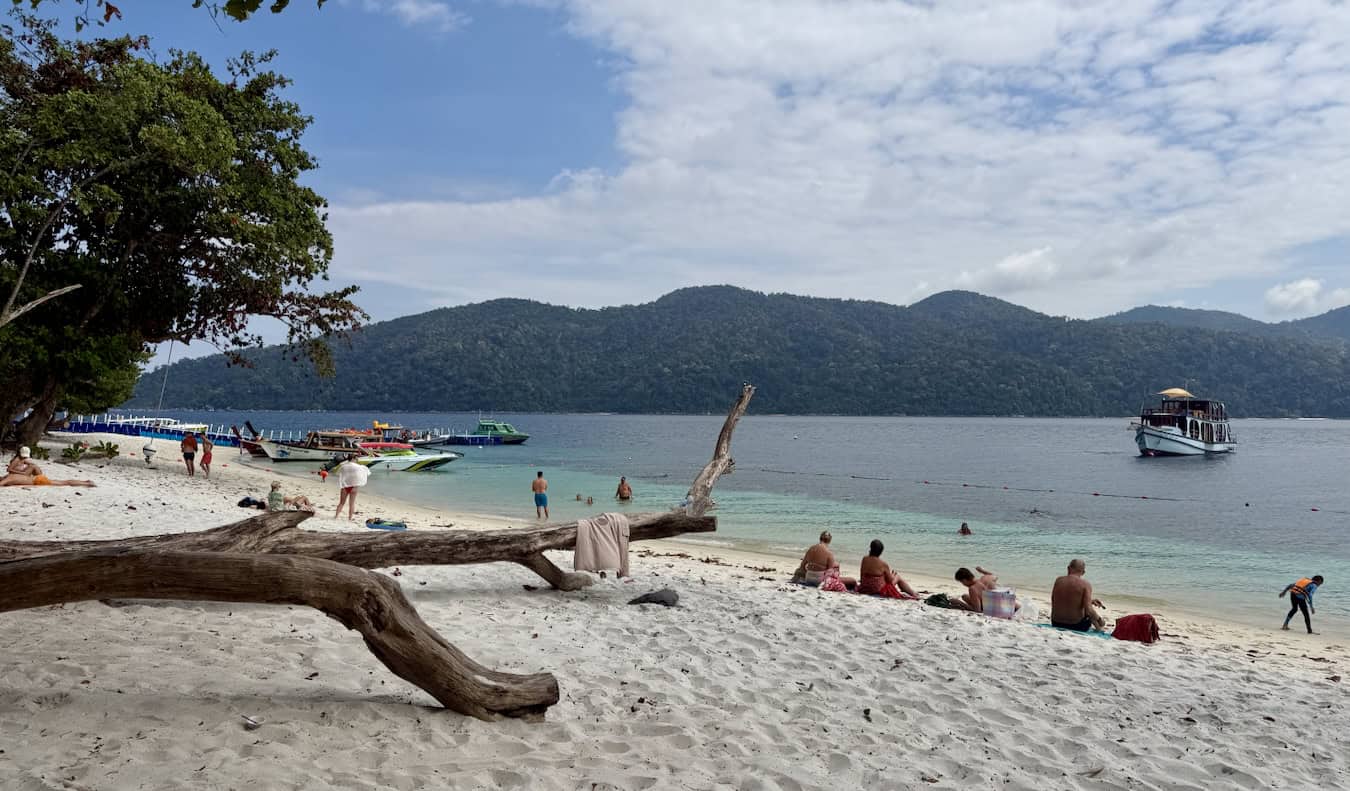
Ko Lipe’s developmental trajectory mirrors that of Ko Phi Phi, an island that famously faced temporary closures by Thai environmental authorities in the late 2010s to allow marine ecosystems to recover from extreme overtourism. While Ko Lipe remains geographically isolated and retains elements of pristine natural beauty—such as azure waters and white-sand beaches protected by the surrounding marine park boundaries—the systemic pressures remain identical.
Tourism boards and hospitality analysts frequently debate the threshold between economic vitality and ecological preservation. Proponents of growth argue that infrastructure upgrades improve visitor safety, accessibility, and medical readiness. However, environmental scientists emphasize that finite island ecosystems possess strict carrying capacities that, once breached, trigger irreversible ecological decline.
Implications for Future Travel and Consumer Responsibility
The situation on Ko Lipe highlights the growing tension between personal wanderlust and systemic responsibility. Industry observers note a distinct shift in consumer behavior over the past decade. Conscious consumerism successfully altered practices in other sectors of the Thai tourism industry—such as the significant decline in elephant-riding attractions and the rise of certified eco-lodges—driven primarily by traveler demand for ethical accountability.
However, stemming the tide of overtourism on established islands like Ko Lipe presents a complex challenge. Travel advocacy groups and conservationists increasingly urge tourists to bypass over-leveraged destinations in favor of better-managed alternatives. In the immediate region surrounding Ko Lipe, islands such as Ko Lanta, Ko Jum, and Ko Mook currently maintain more sustainable development practices and lower visitor densities.
Conclusion and Outlook
The challenges facing Ko Lipe underscore a broader dilemma for global travel destinations balancing economic dependence on tourism with environmental stewardship. While individual choices to avoid overcrowded or unsustainably managed islands may have a modest immediate effect, experts argue that collective consumer awareness remains a powerful catalyst for municipal and national policy reform. Without deliberate regulatory intervention, stringent zoning laws, and capped visitor numbers, islands like Ko Lipe risk loving their natural assets to death, transforming rare ecological paradises into cautionary monuments of modern overdevelopment.




 Gabriela Annisa

 Lukman Taruna Persada Ramadan

 Tatiana Tantri Indah Sari

 Anjar Salim

