
 Anjar Salim
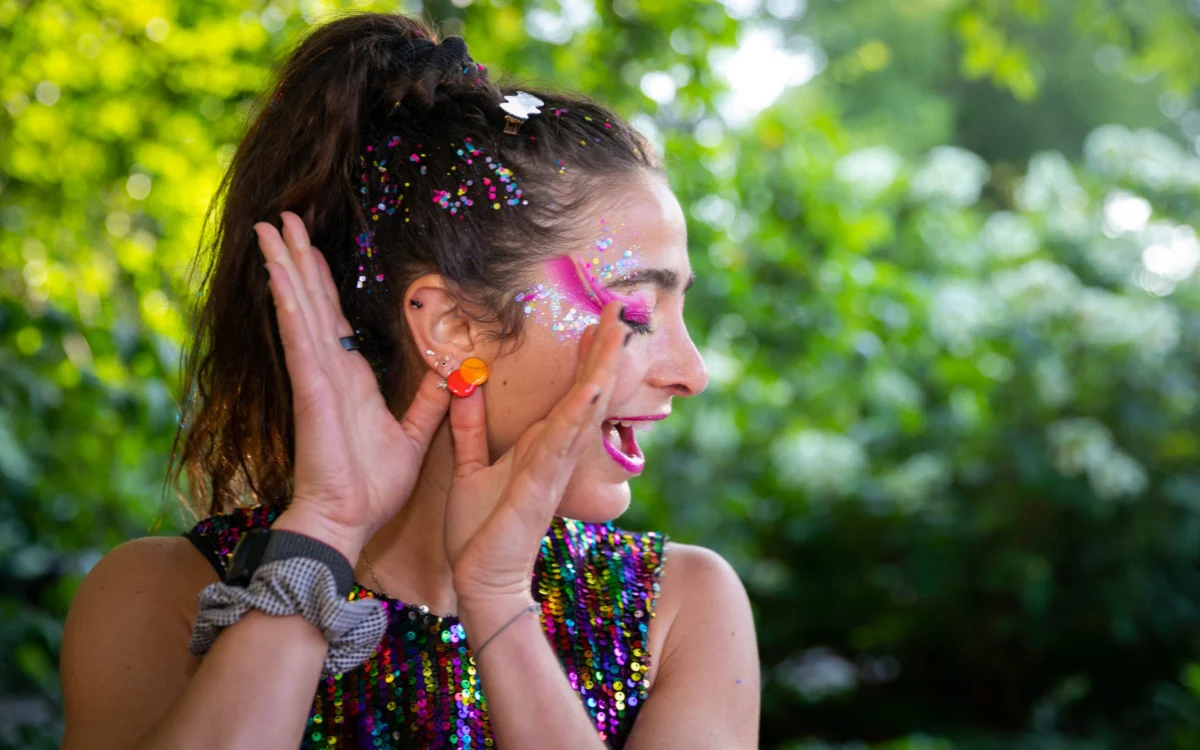
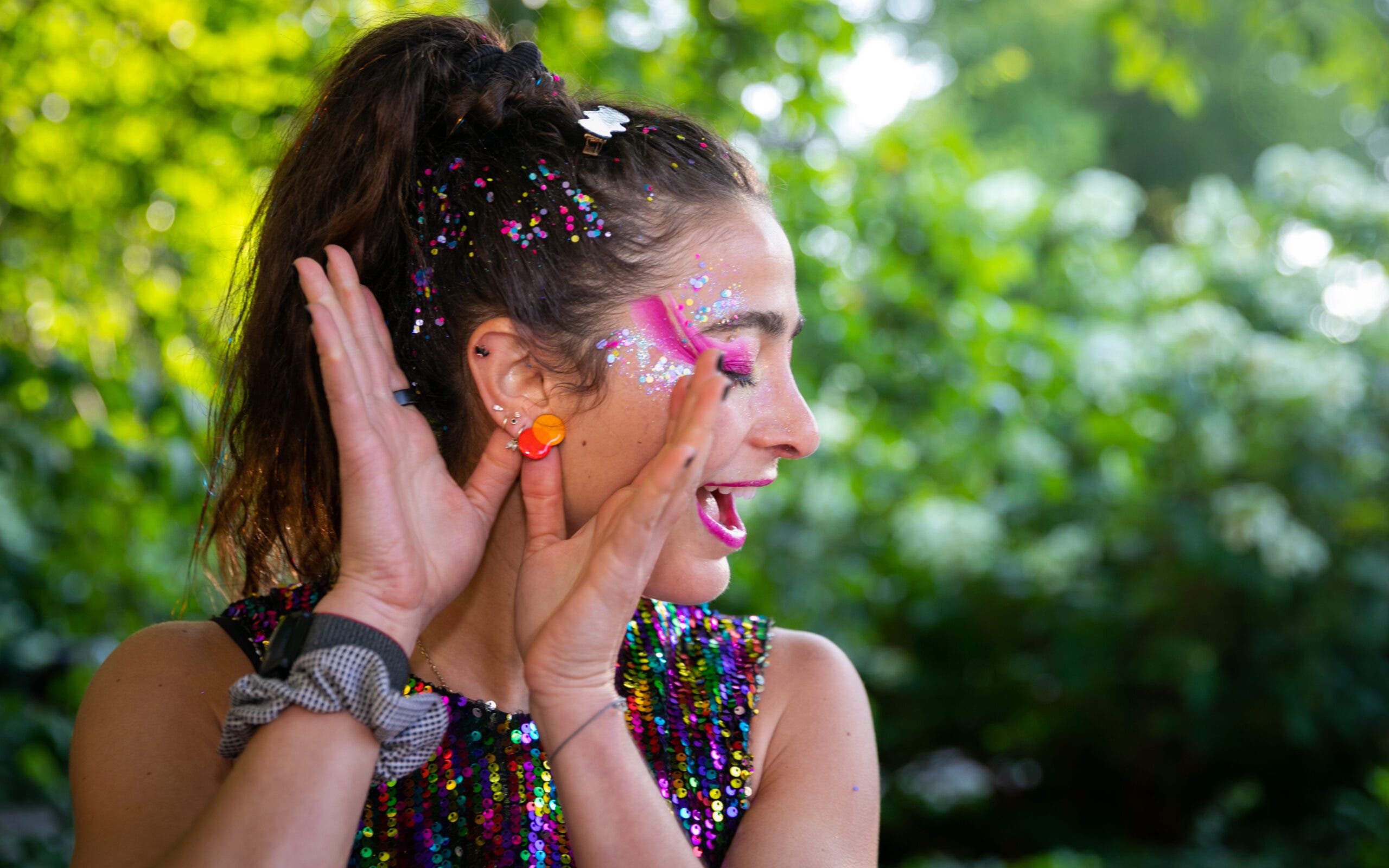
From the grueling, sun-baked singletracks of the Western States 100-mile endurance run to the biting, sub-zero winds of Olympic cross-country ski courses, a vibrant and unexpected aesthetic is redefining modern outdoor culture: face glitter. What was once the exclusive domain of music festivals, Halloween costumes, and children’s birthday parties has steadily infiltrated the upper echelons of elite sports and rugged backcountry expeditions. Marathoners, ultramarathoners, elite cyclists, backcountry ski guides, whitewater rafters, and even wildland firefighters are increasingly donning sparkles before tackling extreme physical challenges.
This burgeoning trend represents far more than a fleeting fashion statement. According to athletes, outdoor professionals, and cultural analysts, the adoption of face glitter serves a distinct psychological and social function. It acts as a counterbalance to the intense, often self-flagellating pressure of competitive athletics, helping participants dismantle the fear associated with high-risk environments while simultaneously offering a powerful vehicle for personal expression in historically utilitarian spaces.
Chronology and Evolution of Athletic Sparkle
While the mainstream crossover of face glitter into endurance sports has accelerated dramatically over the past several years, its roots in high-level competition trace back more than a decade. The practice gained its initial prominent visibility through elite winter sports competitors, most notably American cross-country skiing icon Jessie Diggins. Diggins, a four-time Olympic medalist, four-time World Cup overall titlist, and seven-time World Championship medalist, began incorporating glitter into her race-day preparations as a teenager.
Reflecting on her early years on the international circuit, Diggins noted that crippling pre-race anxiety frequently drained her physical and mental reserves, stripping the inherent enjoyment from her performances. At age 19, during her debut seasons on the FIS World Cup circuit, she made a deliberate choice to apply glitter prior to competitions as a tangible ritual to reclaim joy and levity. Over time, the practice evolved into a vital psychological anchor. By the time she competed at the 2026 Winter Olympics in Italy, shimmering with silver glitter across her cheekbones, the ritual had become an indispensable component of her athletic regimen, reinforcing the notion that competitive drive and lighthearted play are not mutually exclusive.
The momentum continued to build in the autumn of 2021 when Olympic distance runner Alexi Pappas toed the start line of the New York City Marathon adorned in glitter, rhinestones, and butterfly wings. At the time, Pappas was navigating a challenging physical recovery following hamstring surgery and harbored acute anxiety regarding her anticipated finish time. Rather than concealing her vulnerability, she utilized the ornate decorations as a form of psychological armor. The sparkling display communicated directly to spectators and competitors alike that her worth was not solely tied to a stopwatch, transforming a stressful physical ordeal into an exercise of celebration and community engagement.
The Psychology of Play in High-Stakes Endurance
The psychological mechanisms driving athletes to adopt glitter are deeply rooted in the nature of modern endurance sports, often colloquially referred to as "sufferfests." Events like the Western States Endurance Run, the Leadville Trail 100, and the Ultra-Trail du Mont Blanc push the human body to its absolute physiological limits, routinely inducing severe fatigue, pain, and psychological distress.
Sports psychologists and veteran athletes suggest that the physical act of applying glitter serves as a circuit breaker for acute performance anxiety. Ann Trason, a legendary ultrarunner and 14-time winner of the Western States Endurance Run, encountered the transformative power of the trend firsthand while pacing a struggling competitor during the 2018 Javelina Jundred 100K. Facing a grueling 13-mile deficit, the runner experienced a psychological and physical revival after visiting an aid station featuring face glitter and simple carbohydrates. Trason, who continues to compete in endurance events despite managing rheumatoid arthritis at age 66, describes the aesthetic addition as a powerful mood-altering catalyst—a physical manifestation of positivity that bypasses the need for conventional coping mechanisms during moments of extreme duress.
Recent high-profile athletic performances have further normalized the trend across diverse disciplines. Notable instances include ultramarathoner Rachel Entrekin securing a second-place finish at the Ultra-Trail du Mont Blanc while wearing glitter, and endurance athlete Mikey Mitch displaying sparkles across his chest, shoulders, and cheeks while placing fourth at the 2026 Leadville 100. These displays signal to the broader athletic community that elite competence and outward exuberance are entirely compatible.
Expansion into Backcountry Guiding and Wilderness Sports
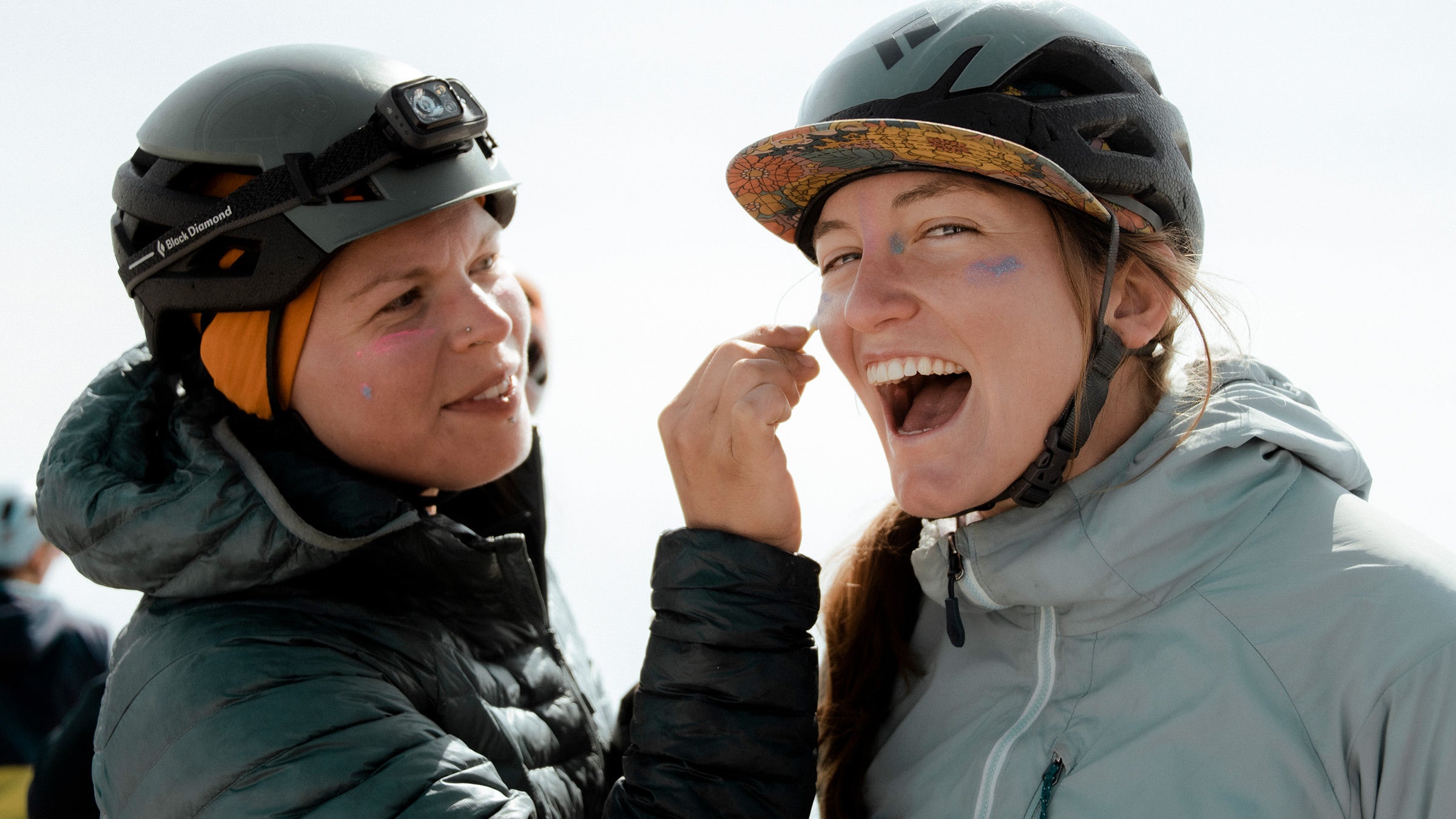
The cultural permeation of face glitter is no longer confined to the finish lines of organized marathons; it has deeply penetrated non-competitive outdoor guiding and remote backcountry expeditions. Professional guides leading high-risk or physically demanding activities have embraced the trend as a tool for group cohesion, morale building, and anxiety mitigation.

Victoria Garvin, owner and lead guide at Upwards Transitions Institute—a female-owned wilderness guiding company based in Bellingham, Washington—routinely incorporates pots of glitter into the standard equipment issued to participants on remote mountaineering trips. According to Garvin, the introduction of glitter serves a dual purpose in high-stress alpine environments. While mountaineering inherently involves objective hazards and physical discomfort, the presence of sparkles functions as an intentional reminder of the activity’s core recreational purpose: enjoyment. Furthermore, Garvin notes that the visual absurdity of wearing glitter helps dismantle hierarchical barriers between guides and clients, facilitating vulnerable and open communication regarding physical readiness, weather conditions, and risk management.
Similarly, Brooke Hornbeck, a professional guide with the Glacier Raft Company on the Middle Fork of the Flathead River in Montana, integrates glitter into her daily routine as a deliberate assertion of identity. Operating within traditionally male-dominated outdoor sectors, Hornbeck uses the aesthetic to challenge conventional archetypes of ruggedness, demonstrating that femininity and technical outdoor competence can coexist powerfully.
Commercialization and the Shift Toward Sustainable Aesthetics
As face glitter transitions from a grassroots athletic subculture into a broader commercial phenomenon, the market is responding with purpose-built products designed to withstand extreme physical exertion. Recognizing the limitations of standard cosmetic glitters and harsh adhesives—such as eyelash glue—industry figures are launching specialized athletic beauty ventures.
Alexi Pappas, for instance, is introducing an athletic aesthetics enterprise tailored specifically to endurance athletes. The product line, designed to be sweat-proof and easily packable within running vests, draws thematic inspiration from the biological concept of metamorphosis, specifically referencing the transitional phases of caterpillars and animals like the strawberry sea anemone. This branding underscores the core psychological theme of the trend: the transformation of the individual through physical challenge and self-expression.
Simultaneously, the widespread embrace of glitter in pristine natural environments has raised valid environmental concerns regarding microplastic pollution in alpine snowfields, rivers, and glacial ecosystems. Recognizing this vulnerability, prominent outdoor guides and commercial brands have actively pivoted toward eco-friendly alternatives. Companies specializing in biodegradable glitter manufactured from eucalyptus tree plant cellulose—such as Adorn Glitter, founded by Ali Bierman in 2022—have become standard fixtures in guide kits. These plant-based formulations decompose naturally, allowing outdoor enthusiasts to embrace whimsy and self-expression without compromising Leave No Trace conservation principles.
Broader Implications for Outdoor Culture
The ascendance of face glitter within sports and wilderness recreation reflects a broader, generational shift in outdoor culture. For decades, traditional outdoor aesthetics prioritized utilitarianism, muted earth tones, and an austere, hyper-serious approach to risk and endurance. The modern outdoor landscape, heavily influenced by small, diverse, and independent brands—particularly those owned by women—is actively dismantling these rigid paradigms in favor of color, creativity, inclusivity, and playfulness.
Ultimately, the enduring appeal of face glitter on mountain summits, riverbanks, and racing tracts lies in its psychological duality. It is simultaneously profoundly simple and deeply complex. By donning sparkles, athletes and adventurers are not signaling a lack of seriousness regarding their pursuits; rather, they are equipping themselves with a visual reminder of their own resilience. In environments where human endurance is tested to its absolute breaking point, a dusting of glitter functions as a metaphorical suit of armor—a deliberate choice to inject joy, banish fear, and reclaim the fundamental humanity of outdoor recreation.



 Diana Nuri Rohmawati

 Gabriela Annisa

 Lukman Taruna Persada Ramadan

 Tatiana Tantri Indah Sari

