
 Anjar Salim
Artificial illumination has fundamentally altered the nocturnal environment, precipitating a global decline in bioluminescent insect populations while concurrently disrupting human circadian biology and increasing long-term health risks. Recent scientific literature highlights a direct parallel between the ecological disruption caused by excessive artificial light at night (ALAN) and the degradation of human physiological health. Conservation efforts in regions like Bali, Indonesia, offer a model for mitigating these impacts, aligning ecological restoration with human sleep hygiene and longevity research.
Chronology and Historical Context of the Firefly Decline
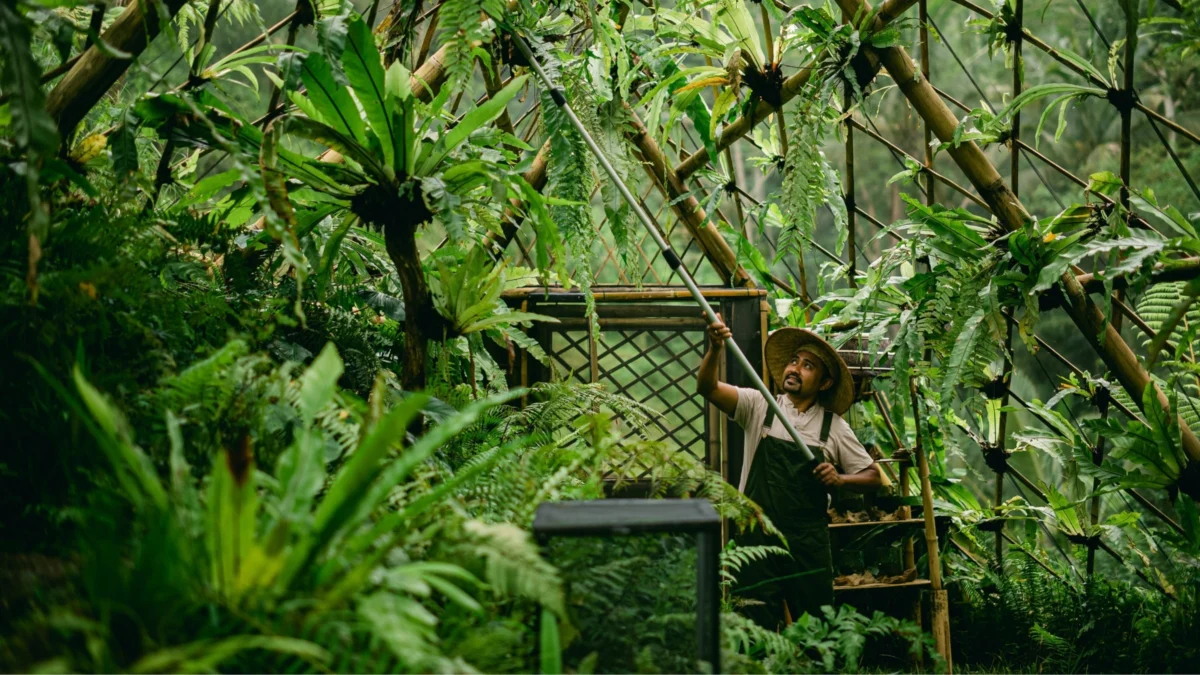
The modern crisis facing firefly populations is historically linked to the rapid expansion of global electrification during the mid-to-late twentieth century. For generations, rural agrarian communities operated under natural photoperiods, dictated strictly by solar cycles. In places like Taro Village, located twenty minutes outside the spiritual and cultural epicenter of Ubud in Bali, residents historically navigated evening hours relying entirely on ambient moonlight and the natural bioluminescence of dense firefly populations.
Wayan Wardika, a Balinese firefly conservationist, experienced this environment firsthand during his childhood, walking unlit pathways illuminated by native beetle species. When Wardika left Taro Village at age 25 to pursue a career in the hospitality industry, working in environments with perpetual illumination, global trends in urbanization and rural development were accelerating. Upon returning to his ancestral home two decades later, Wardika observed an acute ecological shift: the traditional rice paddies remained active, but the native firefly populations had vanished.
This local observation mirrors a broader international crisis. According to data compiled by the International Union for Conservation of Nature (IUCN) Species Survival Commission’s Firefly Specialist Group, approximately one in three firefly species in North America is currently threatened with extinction, with 14 percent categorized as vulnerable. Similar vulnerabilities have been documented across Southeast Asia, including Indonesia, Thailand, and Malaysia, where rapid commercial development and widespread installation of high-intensity artificial lighting have fragmented habitats and interrupted breeding cycles.
Recognizing the severity of the decline, Wardika liquidated personal savings to establish a dedicated firefly research facility on his family’s land in Taro Village, partnering with biologists and scientists to investigate the primary drivers of the insect’s disappearance. The empirical findings pointed directly to human activity, specifically habitat loss, pesticide use, and, crucially, light pollution.
The Biophysical Mechanism of Disruption: Bioluminescence and Circadian Rhythms
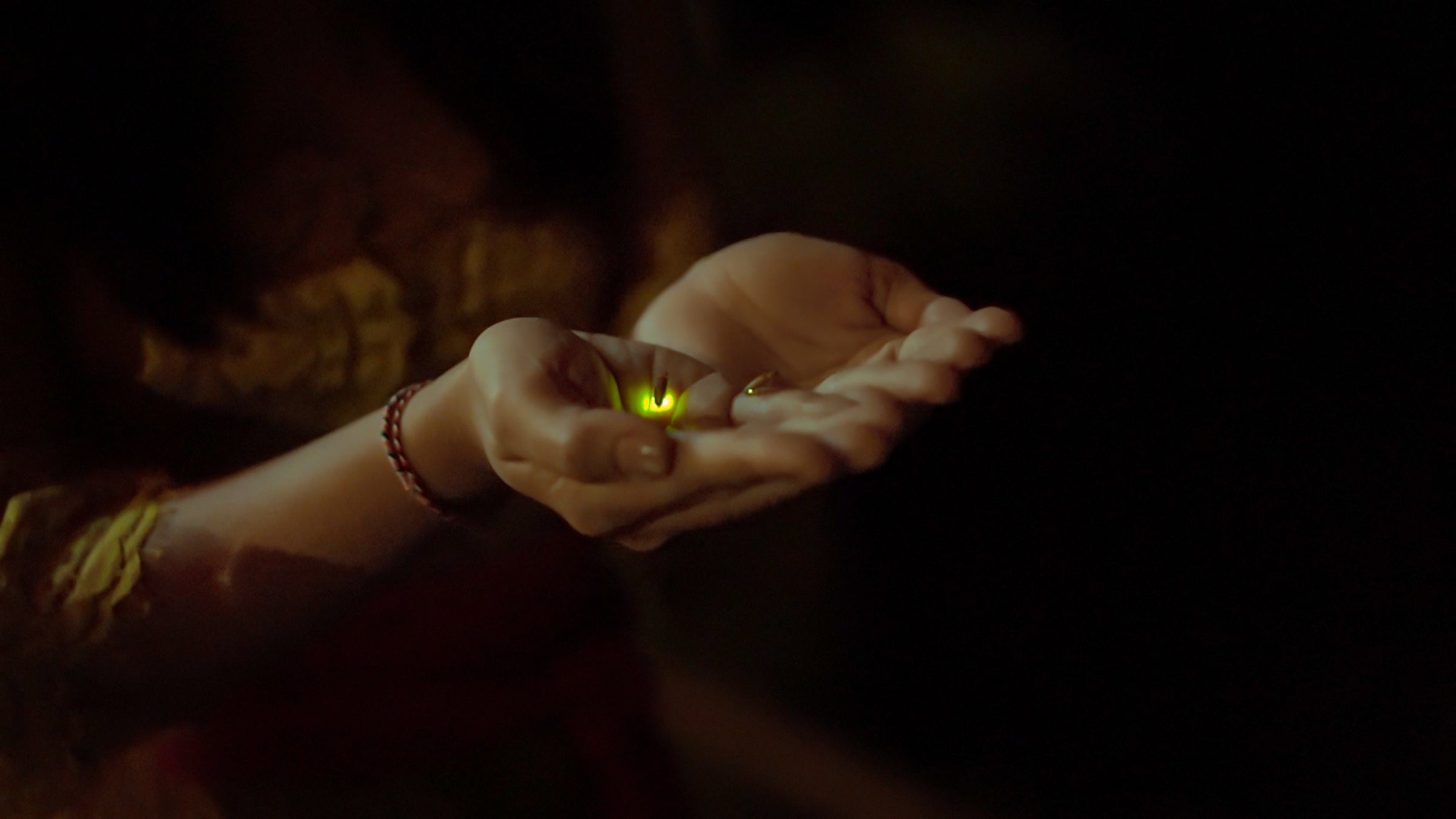
The vulnerability of fireflies centers on the biological mechanism of bioluminescence. A firefly’s glow is a cold-light chemical reaction produced through the interaction of luciferase, luciferin, magnesium ions, and oxygen within the insect’s abdomen. This flashing pattern is not merely decorative; it serves as a precise courtship signal. Male fireflies execute specific aerial flash patterns, while females respond from stationary perches within vegetation.
This communication channel requires darkness to function. The introduction of high-intensity artificial light—such as municipal streetlamps, commercial signage, and domestic exterior lighting—masks the subtle optical signals, rendering mating pairs unable to locate one another. Consequently, reproductive rates plummet, leading to rapid population collapses.
A striking parallel exists within human physiology. Human retinas contain specialized photoreceptors known as intrinsically photosensitive retinal ganglion cells (ipRGCs). These cells do not contribute to visual image formation; instead, they detect ambient light levels and project signals directly to the suprachiasmatic nucleus (SCN) located within the hypothalamus. The SCN functions as the master pacemaker of the human circadian rhythm, governing endocrine functions, core body temperature, and the scheduled synthesis of melatonin, the hormone responsible for sleep initiation.
When humans are exposed to artificial light late into the evening—particularly short-wavelength blue light emitted by electronic devices and standard LED fixtures—the SCN receives a false signal indicating that daytime conditions persist. This biological miscue suppresses melatonin secretion, elevates nocturnal cortisol levels, alters insulin sensitivity, and prevents the restorative processes typically executed during deep sleep.
Supporting Data and Epidemiological Implications
The health implications of chronic nocturnal light exposure have become a focal point of recent epidemiological research. A comprehensive 2024 study published in the Proceedings of the National Academy of Sciences (PNAS), which tracked light exposure patterns across nearly 89,000 individuals over an eight-year period, established a direct correlation between high outdoor light at night and elevated all-cause mortality. Specifically, individuals exposed to brighter nights and dimmer daylight hours demonstrated a significantly increased risk of mortality, predominantly driven by cardiometabolic pathologies such as ischemic heart disease and type 2 diabetes.
This research aligns with findings from a companion study published in The Lancet Regional Health – Europe, which identified a marked increase in the incidence of type 2 diabetes associated with residential exposure to artificial light at night. The consensus among sleep researchers and internists specializing in longevity is that human metabolic pathways evolved to function under strict diurnal cycles of light and darkness. Attempting to override these biological constraints through artificial illumination yields measurable physiological costs.
Furthermore, studies emphasizing sleep consistency reinforce the physiological importance of circadian stability. A 2024 analysis published in the journal Sleep, evaluating data from more than 60,000 participants, concluded that individuals maintaining highly consistent sleep schedules experienced a 20 to 48 percent reduction in mortality risk compared to those with irregular sleep patterns. Notably, sleep regularity emerged as a more potent predictor of longevity than total sleep duration alone.

Official Responses and Conservation Applications
In response to the converging data on ecological degradation and human health, conservationists and hospitality operators are beginning to redesign lighting infrastructure to mimic natural photoperiods. Wardika’s research team has transitioned from pure observation to active environmental consulting. He recently collaborated with Buahan, a Banyan Tree Escape property located near Taro Village, to overhaul its illumination protocols.
At the property, exterior and interior lighting fixtures are strictly maintained below 2,200 Kelvin after sundown. This color temperature and low lumen output provide sufficient visibility for human navigation without emitting the specific spectrums that disrupt firefly courtship displays or human melatonin production. The design choice, originally intended solely for ecological preservation, mirrors clinical recommendations issued by longevity specialists for human evening light hygiene: warm, low-intensity illumination in the hours preceding sleep.
Broader Impact and Public Health Recommendations
The convergence of firefly conservation and human longevity research highlights a broader systemic issue: infrastructure designed without consideration of evolutionary biology often generates unforeseen cascading consequences for both ecosystems and human health. While modern society cannot revert to pre-industrial living conditions, researchers emphasize that intentional environmental adjustments can restore circadian integrity.
Public health guidelines derived from these findings focus on two primary behavioral and environmental modifications:
- Morning Photoreception: Securing direct exposure to natural daylight within the first hour of waking anchors the master circadian clock, optimizing daytime alertness and setting the biological timer for evening melatonin release.
- Evening Light Management: Dimming indoor lighting and eliminating short-wavelength screen exposure in the two hours prior to sleep reduces endocrine disruption, facilitating the deep, restorative sleep stages necessary for the brain to clear metabolic waste and the body to regulate glucose metabolism and blood pressure.
As urbanization continues to expand, initiatives such as Wardika’s firefly laboratory and lighting redesigns in hospitality demonstrate that protecting nocturnal darkness yields dual benefits: safeguarding vulnerable invertebrate populations from extinction while restoring the natural biological parameters essential for human health and longevity.




 Diana Nuri Rohmawati

 Gabriela Annisa

 Lukman Taruna Persada Ramadan

 Tatiana Tantri Indah Sari

