
 Anjar Salim
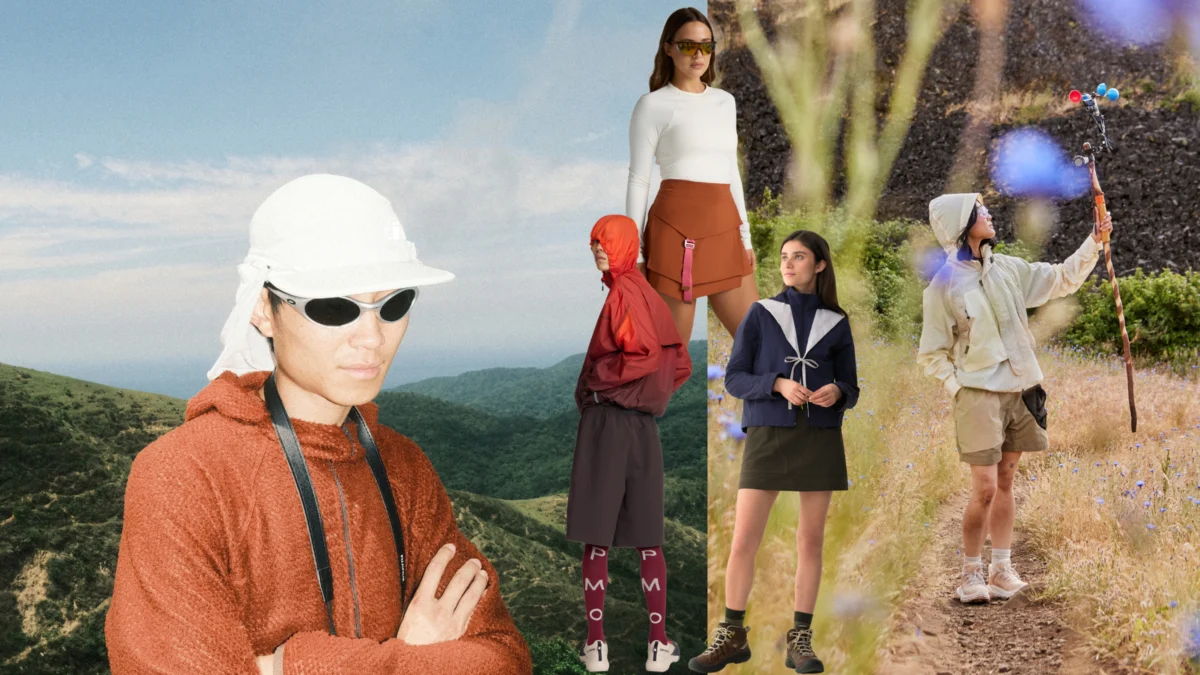
The outdoor apparel industry is undergoing a profound cultural and structural transformation, driven by an emerging generation of designers who refuse to separate technical performance from high fashion. For decades, the aesthetic of the trail was dictated by a rigid, function-first philosophy established in the 1970s and 1980s by legacy brands like Patagonia, The North Face, and REI. This established uniform—characterized by blocky boots, khaki nylon pants, pilling fleeces, and stiff rain shells in a riot of mismatched colors—prioritized utility above all else. Today, however, a new wave of multidisciplinary designers, fashion stylists, and industrial creators are rewriting these style codes, bridging the gap between rugged backcountry utility and avant-garde urban streetwear.
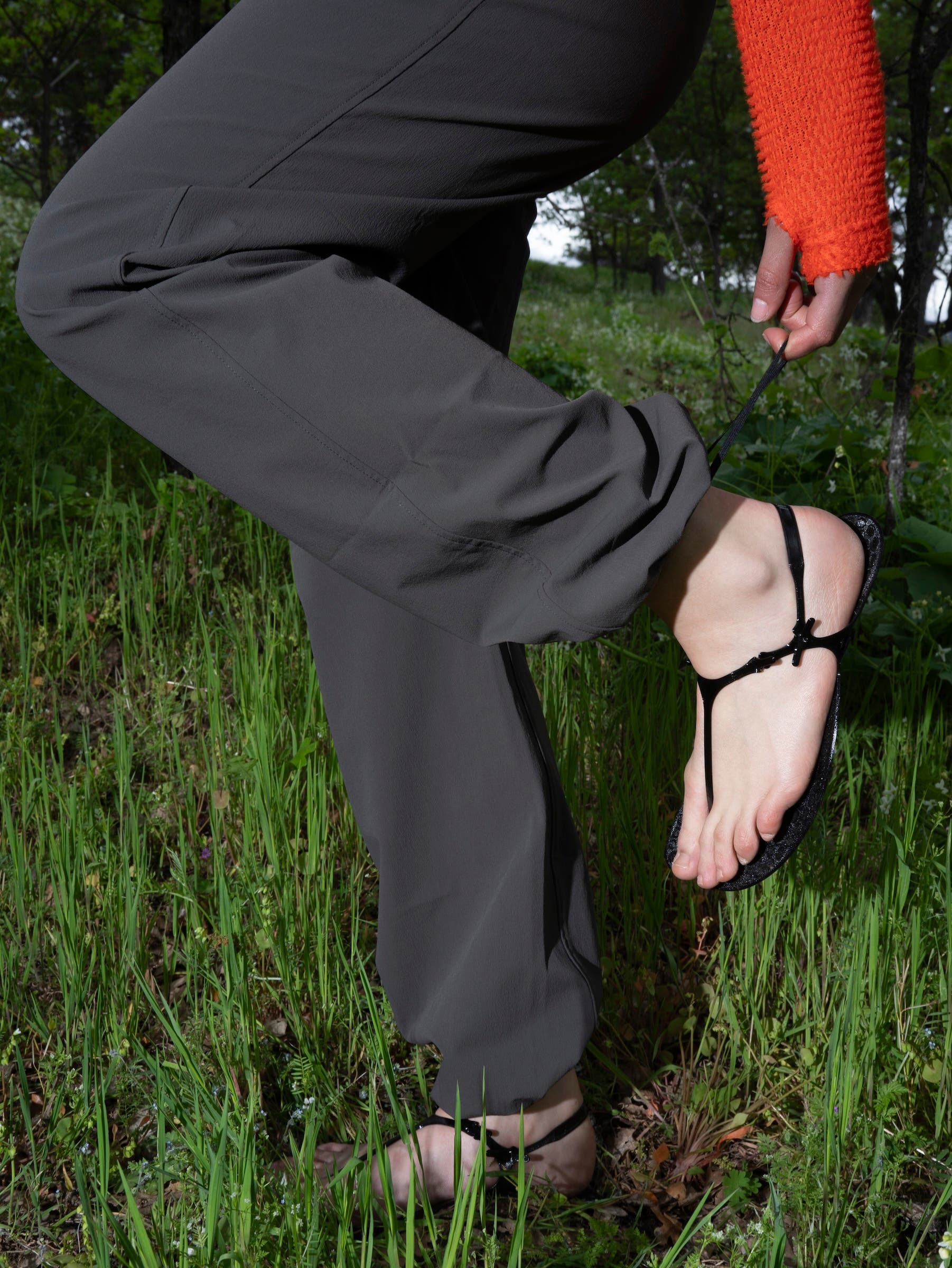
At the center of this movement is Nur Abbas, a veteran designer with a high-fashion pedigree that includes tenure at Louis Vuitton, Maison Margiela, and Yeezy. In 2023, Abbas launched his minimalist outdoor brand, Gnuhr, applying his extensive fashion-trained eye to the ultralight hiking market. Inside his studio, Abbas operates what he calls a "print farm"—a room housing 14 industrial 3D printers that hum synchronously, depositing precise paths of plastic to manufacture minimalist camp sandals. These shoes weigh a mere three ounces, offer tactile flexibility, and come in variations including a subtle, translucent white with a glow-in-the-dark tint.
Rather than debuting his latest collection at traditional high-fashion venues like Paris Fashion Week, Abbas chose to introduce Gnuhr to the thru-hiking community at Pacific Crest Trail Days in Cascade Locks, Oregon. This strategic pivot highlights a broader industry shift: contemporary designers are taking inspiration directly from the backcountry, while outdoor enthusiasts increasingly demand apparel that reflects their personal identities both on the trail and in urban environments.
Evolution of the Trail Aesthetic: From Anti-Fashion to Gorpcore
The traditional outdoor uniform was historically rooted in an "anti-fashion" ethos. Early backpackers and mountaineers focused entirely on reaching summits and surviving the elements, viewing aesthetics as irrelevant. While this prioritization of safety and durability was functionally sound, it created a homogenous subculture with its own strict unwritten rules. Adhering to the mismatched garage-sale aesthetic was treated almost as a rite of passage for serious hikers.
The landscape shifted dramatically during the pandemic-era outdoor boom, which coincided with the rise of "gorpcore"—a fashion phenomenon that blurs the lines between technical outdoor apparel and everyday streetwear. Younger demographics, entering the outdoors with different expectations about gear, brought influences from industrial design, skateboarding, and luxury fashion. They viewed technical apparel not as a utilitarian costume to be donned strictly in the wilderness, but as a versatile medium for self-expression.
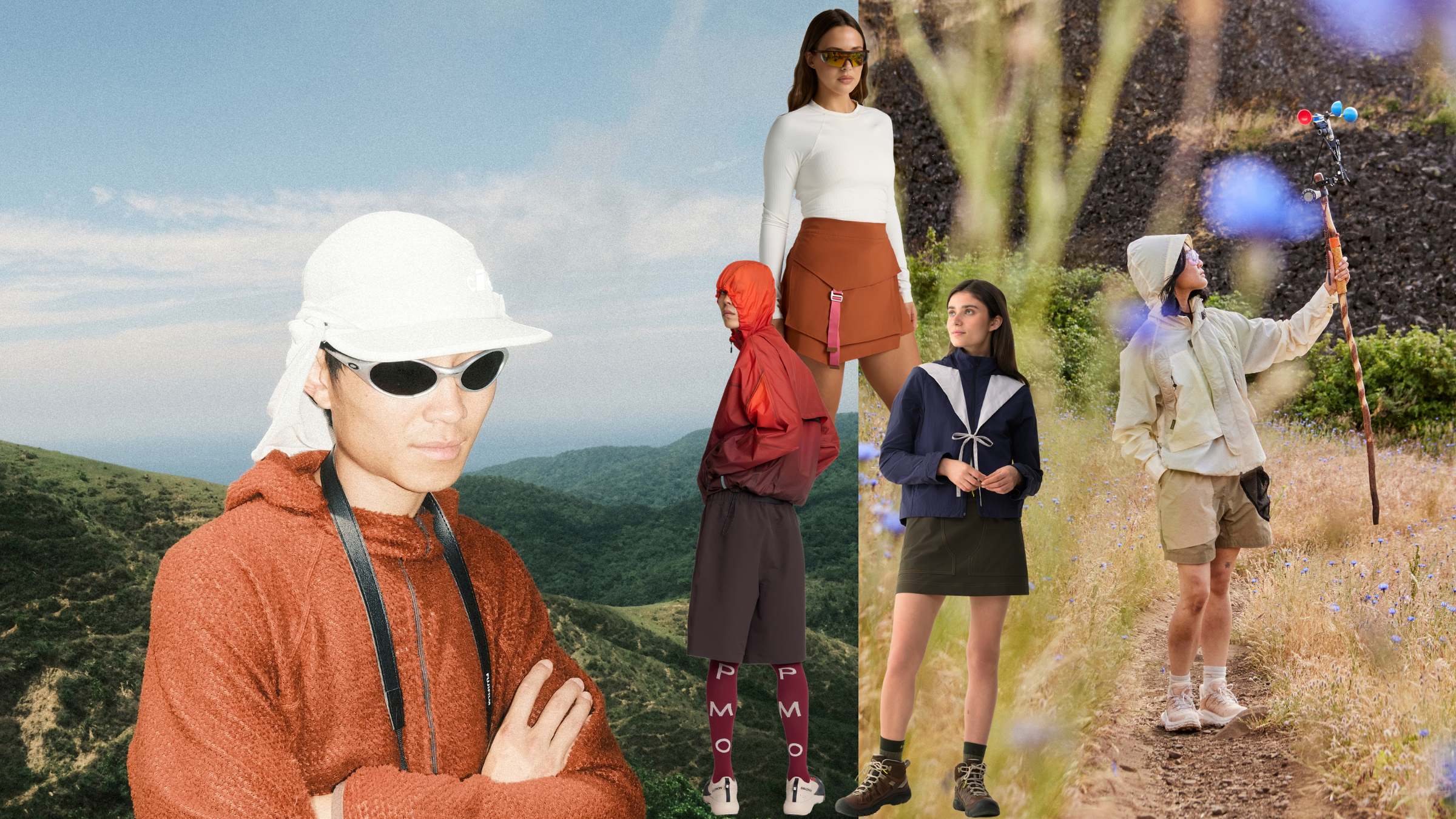
Industry experts note that this evolution reflects a fundamental lifestyle change. Jeanine Pesce, a brand strategist and trend forecaster at the creative consultancy Range, observes that consumers are no longer looking for a singular outdoor uniform. Instead, the market has expanded into a collection of distinct archetypes that integrate nature into everyday life, introducing varied values, aesthetics, and cultural references.
A New Wave of Disruptive Brands
Gnuhr is far from alone in challenging traditional industry norms. A collective of nimble, design-forward brands is actively reshaping the market by catering to consumers who refuse to compromise on style.
- Hikerkind: Founded in 2021 by New York-based fashion stylists Chelsea Rizzo and Allison Levy, the brand delivers elegant performance womenswear featuring earthy palettes. The founders sought to eliminate the feeling of wearing a bulky, ill-fitting costume while hiking.
- Purple Mountain Observatory: This brand draws heavily from global streetwear influences, merging technical functionality with contemporary graphic design and relaxed silhouettes.
- Portal: By blending contemporary menswear tailoring with mountain-ready weather resistance, Portal bridges the gap between urban sophistication and alpine utility.
- EarthStudies: Co-founded by Brandon Herrell, the brand merges traditional technical workwear with everyday casual wear, championing a post-trend reality where consumers can seamlessly mix diverse stylistic influences.
- Seniq: Led by Valentina Thompson, this brand challenges traditional colorways with high-visibility pinks and tailored cuts, addressing the historical lack of personal style options for women in the outdoors.
These brands share a core philosophy: technical apparel should express identity. This shift has broadened the definition of who participates in outdoor recreation and how they choose to dress.
Empowering Women in the Outdoors
The intersection of fashion and function has proved particularly transformative for women. According to participation data from the Outdoor Industry Association, women made up 51.9 percent of outdoor participants by 2023. Despite this demographic majority, legacy outdoor brands historically offered limited options for personal style, often relying on the "shrink it and pink it" approach—reducing men’s cuts in size and applying bright, generic colors.
For decades, women in male-dominated outdoor spaces often felt pressured to suppress their femininity to earn credibility and acceptance. Today’s outdoorswoman no longer faces that dichotomy. She can wear jewelry, display tattoos, style vintage flea-market scarves, or layer band T-shirts over merino wool base layers without sacrificing technical performance.
As Valentina Thompson of Seniq notes, the contemporary female outdoor enthusiast possesses a multifaceted identity as an artist, a businesswoman, and an adventurer. Brands that respect this complexity are capturing market share by offering functional gear that aligns with modern aesthetic values.
Material Innovation and the Supply Chain Revolution
The aesthetic evolution of outdoor apparel is mirrored by rapid advancements in material science. For years, the frontier of active apparel was defined by waterproof coatings, bonded seams, and heavy multi-layer membranes. Today, those legacy technologies are being challenged by high-performance innovations designed for maximum efficiency and minimal weight:
- Polartec Alpha Direct: A lofty, highly breathable synthetic fleece insulation that provides warmth without requiring a traditional tightly woven face fabric.
- Custom Warp Knits: Single-panel engineered fabrics that reduce seams, chafing, and material waste while offering complex structural aesthetics.
- Aluula Composites: Ultralight composite fabrics engineered to exceed the strength-to-weight ratios of traditional high-performance materials like Dyneema.
While legacy brands are slowly adopting these technologies—such as Mountain Hardwear introducing its own minimalist white backpack—emerging brands possess a structural advantage. Because they utilize more flexible supply chains and source directly from specialized mills with lower minimum order quantities, these new market entrants can iterate on materials and construction techniques in real time.
Economic and Cultural Implications
The commercial implications of this crossover are substantial. The global outdoor apparel market, valued in the tens of billions of dollars, is increasingly influenced by consumers who navigate seamlessly between natural and urban environments. By appealing to "gram counters" and fashion enthusiasts alike, brands operating at the intersection of tech and style are capturing high-margin segments that legacy corporations historically ignored.
For instance, Nur Abbas’s 3D-printed camp sandals retail for $69, targeting ultralight backpackers obsessed with base-weight reduction. Yet, the exact same minimalist silhouette sits comfortably on the gallery-white shelves of high-end boutiques in Tokyo. This dual-market viability illustrates the commercial potential of post-trend design.
As the boundary between the backcountry and the runway continues to dissolve, the outdoor industry faces a new baseline. Consumers no longer need to choose between looking utilitarian and expressing their personal style. Whether worn on a remote alpine ridge or navigating a metropolitan street, modern technical apparel serves as both high-performance gear and a canvas for individual identity.



 Diana Nuri Rohmawati

 Gabriela Annisa

 Lukman Taruna Persada Ramadan

 Tatiana Tantri Indah Sari

