
 Anjar Salim
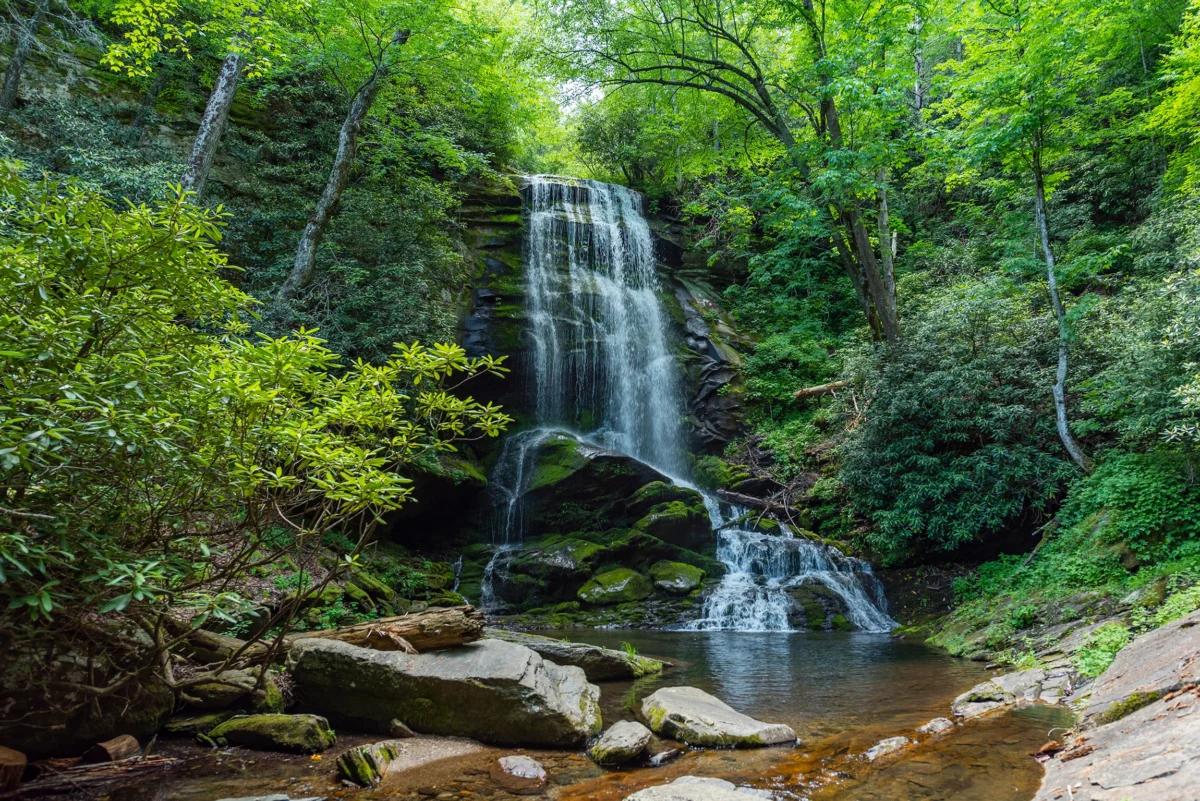
Nestled against the dramatic eastern escarpment of the Blue Ridge Mountains, McDowell County, North Carolina, has quietly transformed into one of the Southeast’s most dynamic outdoor recreation destinations. Encompassing the vibrant communities of Marion and Old Fort, the region bridges rugged wilderness and rich Appalachian heritage. Over the past decade, a concerted push by local residents, municipal leaders, regional land trusts, and state agencies has elevated the county’s outdoor infrastructure. Today, McDowell County stands as a case study in how rural mountain economies can successfully pivot toward sustainable eco-tourism, drawing thousands of hikers, mountain bikers, paddlers, and history enthusiasts annually while preserving the ecological integrity of the Pisgah National Forest and surrounding public lands.
The Evolution of McDowell County’s Outdoor Economy
The transformation of McDowell County from a traditional manufacturing and timber hub into a premier outdoor destination did not happen overnight. For generations, the economy of western North Carolina relied heavily on furniture manufacturing, textiles, and traditional blue-collar industries. As global economic shifts impacted these sectors in the late 20th and early 21st centuries, civic leaders in Marion and Old Fort recognized the urgent need for economic diversification.
Crucial to this pivot was a deep-rooted historical commitment to conservation. Early preservation efforts date back to the early 1900s, when local advocates successfully lobbied to protect the fragile watersheds surrounding Old Fort. These protected areas ultimately laid the foundational acreage for the modern Pisgah National Forest, securing vital natural resources that would later serve as the bedrock for the region’s recreation economy.
In recent years, local government officials, non-profit organizations such as the Camp Grier Foundation, and grassroots advocacy groups intensified their collaboration. This partnership-driven model focused on constructing new multi-use trail systems, expanding public access to rivers and waterfalls, and revitalizing downtown commercial districts to support active travelers. The result is an integrated network where wild, remote wilderness seamlessly connects to welcoming base camp towns outfitted with craft breweries, local eateries, and specialized outfitters.
Chronology of Trail Development and Infrastructure Expansion
The expansion of McDowell County’s trail network represents a multi-decade investment in infrastructure, public-private partnerships, and regional connectivity.
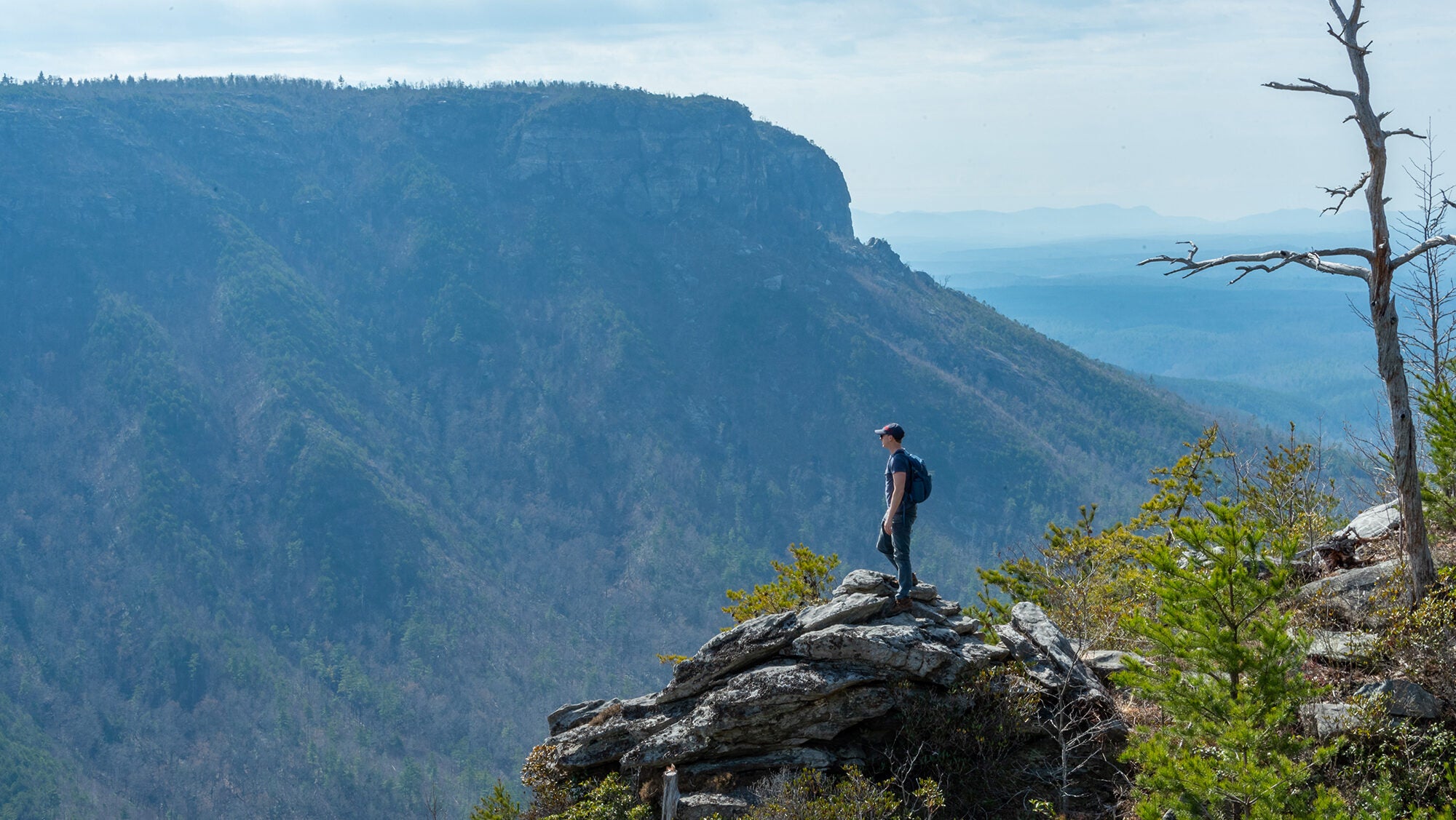
Early 20th Century: Conservation milestones begin with the protection of critical municipal watersheds in Old Fort, setting aside the forested slopes that would later comprise portions of the Pisgah National Forest.
1970s–1990s: Recognition of historic routes gains momentum. The Overmountain Victory National Historic Trail is designated by Congress in 1980, commemorating the historic 1780 patriot militia march that passed through McDowell County on the way to the Battle of Kings Mountain.
2010s: Regional planners and outdoor advocates conceptualize large-scale trail connectors. Emphasis shifts toward developing world-class mountain biking infrastructure, highlighted by the rigorous expansion and maintenance of legendary technical routes like Heartbreak Ridge.
2020–Present: The acceleration of greenway and trail projects reaches unprecedented levels. The phased opening and subsequent expansions of Catawba Falls amenities draw record numbers of visitors. Concurrently, major regional corridors—including sections of the 1,175-mile Mountains-to-Sea Trail and the burgeoning Fonta Flora State Trail—receive substantial funding and community-driven development, solidifying the county’s status as a regional trail hub.
By the Numbers: McDowell County’s Recreation Footprint
Quantitative metrics underscore the scale of McDowell County’s appeal to active travelers and conservationists alike. The region boasts more than 140 miles of dedicated hiking, backpacking, and mountain biking trails, interwoven with miles of fishable, pristine rivers and expansive public acreage.
Four major state and national trail systems either traverse or originate within McDowell County boundaries, providing unmatched connectivity for long-distance hikers and cyclists:
- The Mountains-to-Sea Trail: Spanning 1,175 miles from Clingmans Dome in the Great Smoky Mountains National Park to Jockey’s Ridge State Park on the Outer Banks, Section 4 of this iconic route guides travelers through the heart of McDowell County’s mountainous terrain.
- The Fonta Flora State Trail: Designed to eventually connect downtown Morganton to downtown Asheville, this multi-use trail winds along the picturesque shoreline of Lake James and through the rugged terrain of Old Fort.
- The Wilderness Gateway Trail: A vital connector project linking urban centers to vast public wilderness areas, enhancing non-motorized transit options for residents and visitors.
- The Overmountain Victory National Historic Trail: A historic footpath retracing the historic 330-mile route taken by Patriot militia during the American Revolutionary War.
In addition to terrestrial trails, aquatic recreation centers around Lake James—a 6,510-acre reservoir featuring over 150 miles of shoreline nestled against the backdrop of Linville Gorge and Shortoff Mountain.
Statements and Perspectives from Regional Stakeholders
The collaborative framework driving McDowell County’s tourism and conservation initiatives has drawn praise from municipal leaders, business owners, and outdoor industry advocates.
"What sets McDowell County apart is the genuine synergy between our natural assets and our community vision," notes representatives from Destination McDowell, the official tourism resource for the county. "We aren’t just marketing a landscape; we are actively stewarding it. The investments made into trail maintenance, historical preservation, and hospitality infrastructure ensure that visitors experience authentic Appalachian culture while protecting the environment for future generations."
Local business owners in Old Fort and Marion report a steady economic uplift corresponding to the expansion of regional trail networks. The opening of trailside accommodations, gear outposts, and dining establishments has transformed quiet downtown corridors into bustling base camps.
"When mountain bikers come down from Heartbreak Ridge or hikers return from Catawba Falls, they are looking for more than just a challenging day outside—they want a place to gather, share stories, and experience local culture," says a downtown Marion merchant. "The growth we’ve experienced reflects a shared commitment by the entire community to welcome travelers with traditional Appalachian hospitality."
Implications for Local Economy and Sustainable Tourism
The strategic emphasis on outdoor recreation holds profound economic and environmental implications for McDowell County and the broader western North Carolina region. Economically, eco-tourism has diversified the local tax base, generating sustainable revenue streams for small businesses, hospitality providers, and service industries. Unlike cyclical heavy manufacturing, adventure tourism has demonstrated resilience, attracting a consistent demographic of active travelers year-round, punctuated by peak visitation during the autumn foliage season.
However, rapid growth also presents distinct challenges, particularly regarding environmental stewardship and infrastructure capacity. Local land managers and municipal planners face the ongoing task of balancing increased visitor volume with resource protection. Trail erosion mitigation, wildlife habitat preservation, and sustainable waste management remain critical priorities for organizations overseeing the Pisgah National Forest and state parks.

To address these concerns, local stakeholders have increasingly leaned into volunteer stewardship programs, trail maintenance partnerships, and leave-no-trace educational campaigns. By engaging residents and visitors alike in the upkeep of local wild spaces, McDowell County aims to protect the ecological integrity that forms the very foundation of its appeal.
Where to Stay and Experience the Region
As a designated base camp for regional exploration, McDowell County offers a diverse array of lodging options tailored to every style of traveler. Visitors seeking historic charm and panoramic mountain vistas often gravitate toward the Switzerland Inn and Chalet Restaurant, perched along the Blue Ridge Parkway near Little Switzerland.
For those prioritizing proximity to trailheads, modern developments such as Copper Ridge at Grier Village offer trailside convenience in Old Fort. Travelers seeking alternative lodging can utilize glamping sites and RV parks at Wunderland Resort, while those completing extended backcountry excursions in the Linville Gorge Wilderness frequently utilize Linville Falls Lodge and Cottages as a comfortable staging ground.
Cultural enrichment complements outdoor exertion throughout the county. Visitors can step back in time at Old Fort’s Mountain Gateway Museum, which chronicles the region’s rich frontier history, or explore subterranean heritage at Little Switzerland’s North Carolina Mining Museum at Emerald Village, highlighting the area’s geological significance and mining history.
Through a careful balance of historical preservation, aggressive infrastructure development, and community-wide collaboration, McDowell County has firmly established a blueprint for sustainable mountain tourism—inviting travelers to experience the raw beauty and enduring hospitality of the Blue Ridge Mountains.




 Lukman Taruna Persada Ramadan

 Budi Mulyono

 Cholid Fahmi Thalib

 Diana Nuri Rohmawati

 Tatiana Tantri Indah Sari
