
 Anjar Salim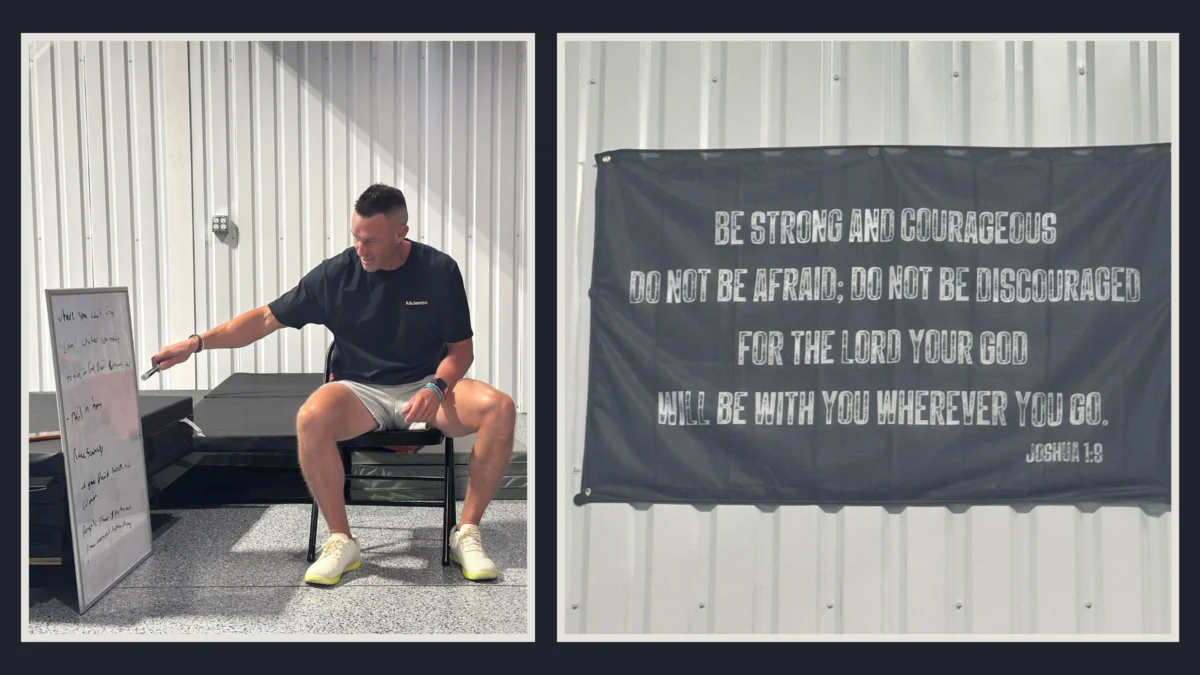
The contemporary fitness landscape is undergoing a niche yet rapidly expanding ideological shift. Across the United States, a growing segment of conservative Christian fitness enthusiasts is championing a new model of wellness: the men-only, "lust-free" gymnasium. This emerging trend, highlighted by facilities such as Proverbs 27:17 Fitness in Oklahoma City and the upcoming Remnant training center in Denver, seeks to address a confluence of modern anxieties. These spaces are designed to combat male loneliness, curb infidelity, and eliminate what founders describe as the hyper-sexualized distractions of conventional commercial fitness environments.
While these single-gender facilities have drawn skepticism from cultural critics and wellness professionals, they simultaneously offer a window into how a specific demographic of American men is attempting to navigate community, accountability, and mental health in the 21st century.
The Genesis of the Lust-Free Gym Movement
The concept behind these spaces is rooted in a desire to create a moral and social container free from external temptations. Commercial gym environments, often characterized by fitted athletic wear and social media content creation, are viewed by some conservative Christian men as hostile to traditional marital vows.
Proverbs 27:17 Fitness opened its doors in November 2025 under the leadership of founder Jeff Hambrecht. A former college soccer player and corporate health and wellness director, Hambrecht established the Oklahoma City facility to merge rigorous physical conditioning with faith-based accountability. The gym’s name is derived from the biblical proverb: "Iron sharpens iron, and one man sharpens another."
The operational framework of Proverbs 27:17 involves a structured weekly routine comprising strength training, light cardio, and Zone 2 cardiovascular conditioning. However, the physical workout is only part of the program. Upstairs loft workouts are frequently preceded or followed by gatherings in a downstairs circle, functioning less like traditional fire-and-brimstone sermons and more like modern peer-support groups.
A parallel initiative is underway in Denver, Colorado, where entrepreneur Mitch Parsons is developing The Remnant. Scheduled to open in 2027, the nonprofit facility is designed as a holistic training center featuring a coworking space, golf simulators, a coffee bar, and a conversation lounge—strictly excluding female patrons. Parsons has articulated the rationale behind the enterprise candidly, pointing to the visual culture of mainstream fitness spaces as a primary catalyst for distraction and marital strain.
Personal Histories and the Search for Accountability
The leadership driving these facilities often shares a background marked by personal struggle, addiction, and recovery. Hambrecht has been open about his past experiences with alcohol dependency, prescription painkiller abuse, pornography, and marital infidelity—struggles that coincided with high-level athletic achievements. The juxtaposition of physical success and personal turmoil serves as a foundational narrative for the community he built.
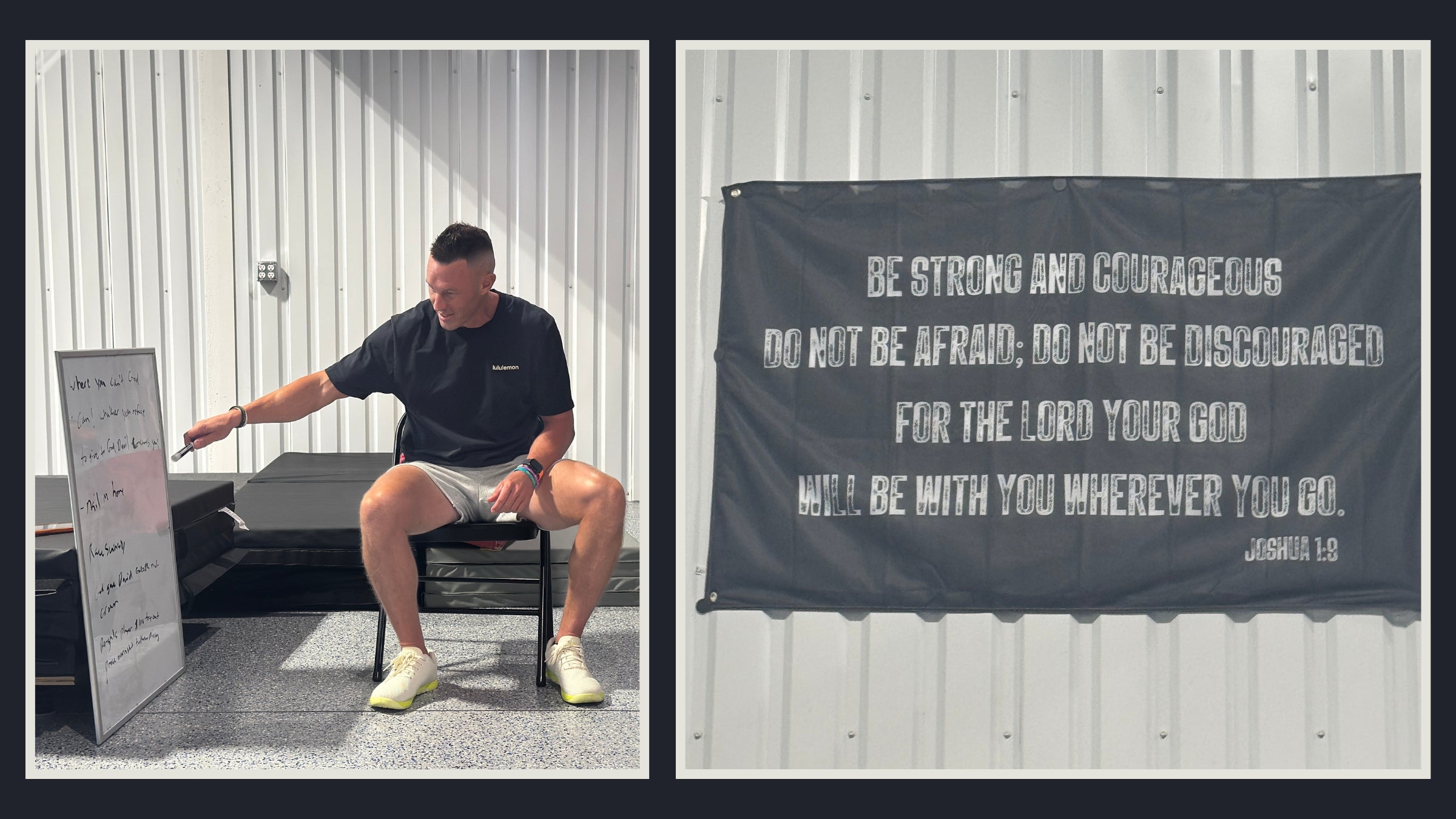
This emphasis on shared vulnerability differentiates the contemporary men’s gym movement from older iterations of evangelical men’s groups. Historically, such gatherings often placed heavy focus on policing sexual thoughts or debating theological minutiae. In contrast, observations from attendees at Proverbs 27:17 note a significant pivot toward emotional transparency, mental health, and mutual support regarding addiction recovery and business pressures.
Cultural Implications and Expert Perspectives
The intersection of religious conservatism, male-only spaces, and physical fitness invites broader analysis from historians, sociologists, and public health advocates.
Dr. Natalia Mehlman-Petrzela, a political and cultural historian specializing in the history of fitness culture, notes that the rise of dedicated in-person communities is a positive development in an era characterized by widespread social atomization and sedentary lifestyles. However, she highlights the ongoing challenge of ensuring these insular spaces foster constructive engagement with broader society rather than breeding alienation or resentment.
Physical therapists and wellness commentators have also weighed in on the movement. While some fitness professionals question the necessity of segregating gym spaces based on gender, others acknowledge that traditional gym cultures can occasionally foster exclusionary or harassing behaviors. By voluntarily opting into men-only spaces, participants in these programs are, in effect, acknowledging past shortcomings in how public wellness spaces navigate interpersonal boundaries.
Broader Trends in Modern Masculinity
The emergence of lust-free fitness centers occurs against the backdrop of a larger cultural conversation regarding the state of male friendship, mental health, and the erosion of "third spaces"—communal environments separate from home and the workplace where people can gather and interact.
Sociological data consistently highlights an ongoing epidemic of male loneliness, with a significant percentage of men reporting a lack of close confidants. While men’s-only gyms and accountability groups are ideologically specific, they address a universal need for connection and shared struggle.
Whether the model pioneered by Proverbs 27:17 and The Remnant will scale into a broader mainstream movement remains to be seen. For now, these facilities occupy a unique space at the crosshairs of physical exertion, religious practice, and psychological survival, offering a glimpse into how a segment of modern men is attempting to reshape their physical and spiritual well-being.




 Dwi Wanna
 Chandra Hamzah
 Gabriela Annisa
 Susilo Edi Turonggo
 Tatiana Tantri Indah Sari