
 Anjar Salim
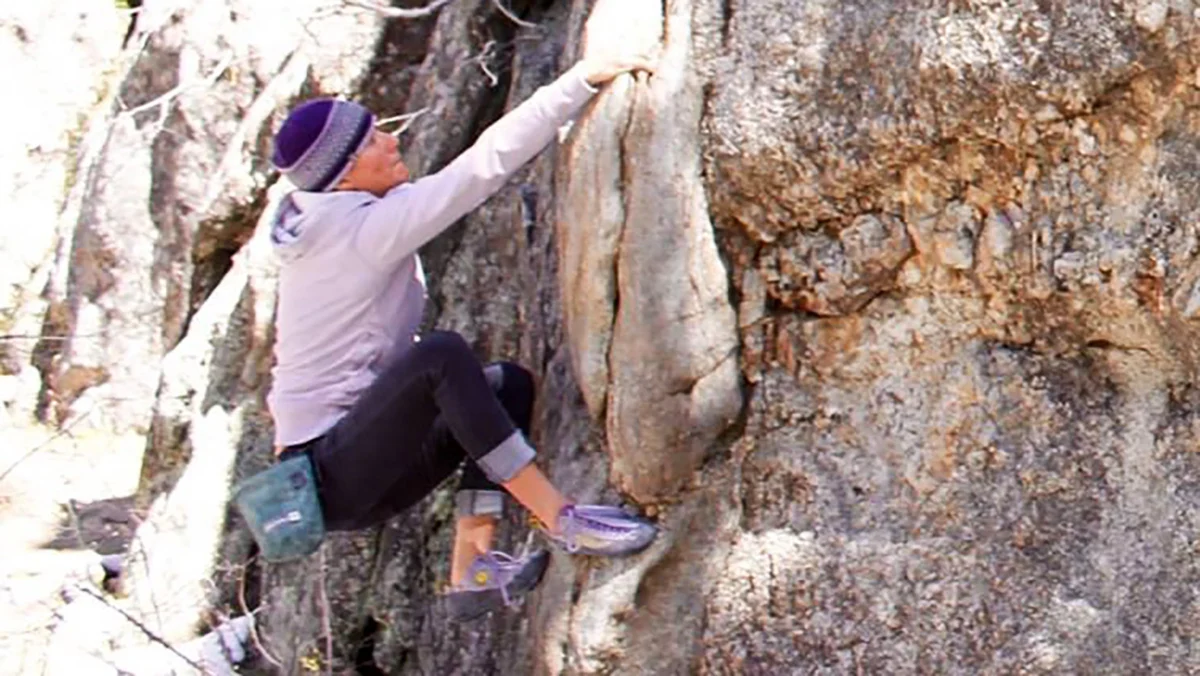
The boundary between traditional casual wear and technical outdoor apparel has continued to blur as textile manufacturers introduce advanced fabric blends engineered for high-output mobility. For decades, traditional denim—characterized by heavy-weight, 100% cotton twill yarns—served primarily as durable workwear. While valued for its abrasion resistance and longevity, classic denim has long faced criticism from athletes and outdoor enthusiasts for its lack of elasticity, moisture retention, and overall rigidity. However, the commercial emergence of "performance denim" has successfully integrated synthetic fibers such as elastane, spandex, and moisture-wicking polyester with traditional cotton weaves. This hybridization has yielded garments capable of withstanding rigorous outdoor activities—ranging from alpine rock climbing and mountain biking to trail running and long-distance commuting—while retaining the aesthetic of traditional casual jeans.
Historical Evolution of Denim in Outdoor Recreation
The integration of denim into active lifestyles is not entirely new, though earlier iterations often required significant compromises in comfort and performance. Historically, classic denim was favored by laborers, ranchers, and early mountaineers due to its tight-knit twill structure, which provided a reliable barrier against wind, thorns, and abrasive rock surfaces. Yet, traditional cotton denim absorbs water easily, retaining moisture that can drastically lower body temperature in cold or wet environments. Furthermore, traditional denim lacks breathability and mechanical stretch, leading to restricted range of motion in the hips and knees—a significant disadvantage for activities requiring dynamic movement like cycling, hiking, and climbing.
During the early 2000s, several outdoor and lifestyle brands attempted to bridge this gap by introducing lightweight, stretch-infused denim alternatives. These early products gained a dedicated following among climbers and campers who prioritized versatility. Despite these early successes, widespread adoption remained limited due to durability issues and aesthetic inconsistencies. It was not until the late 2010s, driven by advancements in synthetic fiber engineering and textile blending, that performance denim evolved from a niche category into a major segment of the technical apparel market.
Market Growth and Key Industry Innovators
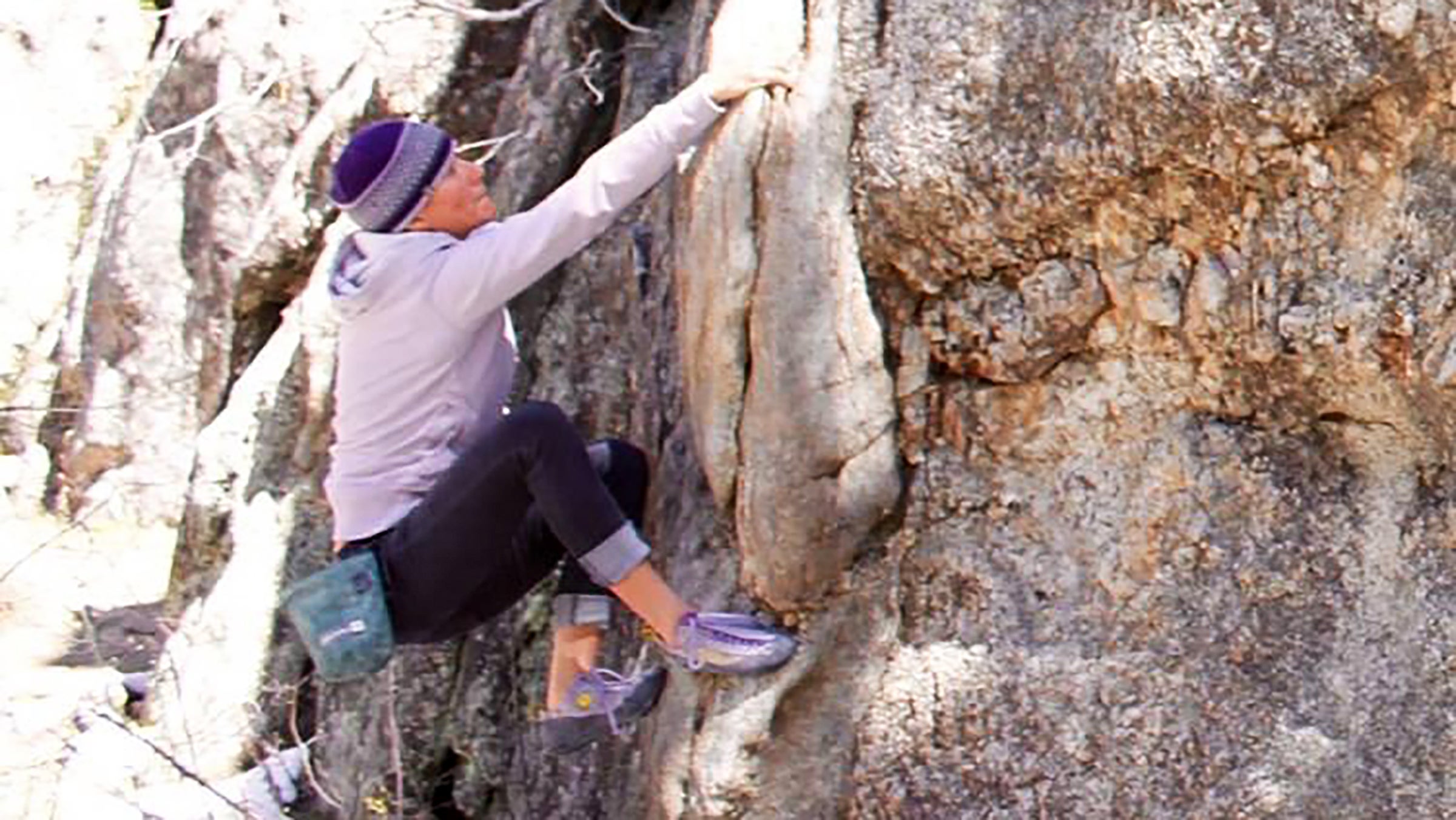
The modern performance denim market has been largely shaped by specialized brands that identified specific performance gaps in traditional sportswear. In 2013, Canadian apparel company Duer entered the market in response to the demands of urban bicycle commuters who required flexible, durable trousers that transitioned seamlessly into professional environments. By blending cotton with moisture-managing polyester and high-recovery elastane, Duer established a baseline for everyday technical denim.
Later, in late 2019, brands such as Ripton introduced performance denim specifically tailored for high-intensity action sports, including mountain biking and trail running. By utilizing high percentages of Lycra spandex and lightweight synthetic yarns, these companies developed specialized garments—ranging from full-length technical jeans to athletic denim shorts, commonly referred to as jorts. This shift coincided with a broader consumer preference for versatile "do-it-all" apparel, as remote work flexibility and active lifestyle trends accelerated following the COVID-19 pandemic. According to apparel industry analysts, the global technical and performance apparel market has experienced steady annual growth, propelled by consumer demand for clothing that minimizes wardrobe changes between professional, social, and athletic pursuits.
Material Science and Technical Specifications
The functional success of modern performance denim relies entirely on precise fiber ratios and advanced textile engineering. Unlike traditional 100% cotton garments, performance denim typically incorporates a tripartite blend of natural and synthetic fibers:
- Natural Cotton (50% to 70%): Retains the classic hand-feel, structural integrity, and visual aesthetic of traditional denim.
- Cooling and Moisture-Wicking Polyesters (20% to 38%): Materials such as Coolmax or recycled polyester pull sweat away from the skin, accelerating evaporation and reducing drying times significantly compared to untreated cotton.
- Elastane or Lycra Spandex (2% to 12%): Provides multi-directional mechanical stretch, allowing the fabric to expand during high-flexion movements such as deep knee bends, scrambling, and cycling, while maintaining structural recovery to prevent sagging over time.
Textile testing data indicates that these hybrid blends dry up to three times faster than standard cotton denim and offer significantly higher tensile strength-to-weight ratios. This makes them particularly viable for shoulder-season hiking, travel, and variable-weather outdoor recreation where temperature regulation is critical.
Field Testing and Product Performance Evaluations
Recent gear assessments conducted across diverse environments—including rock-climbing gyms, hot weather trail runs, and extended air travel—have highlighted several standout products within the performance denim category:
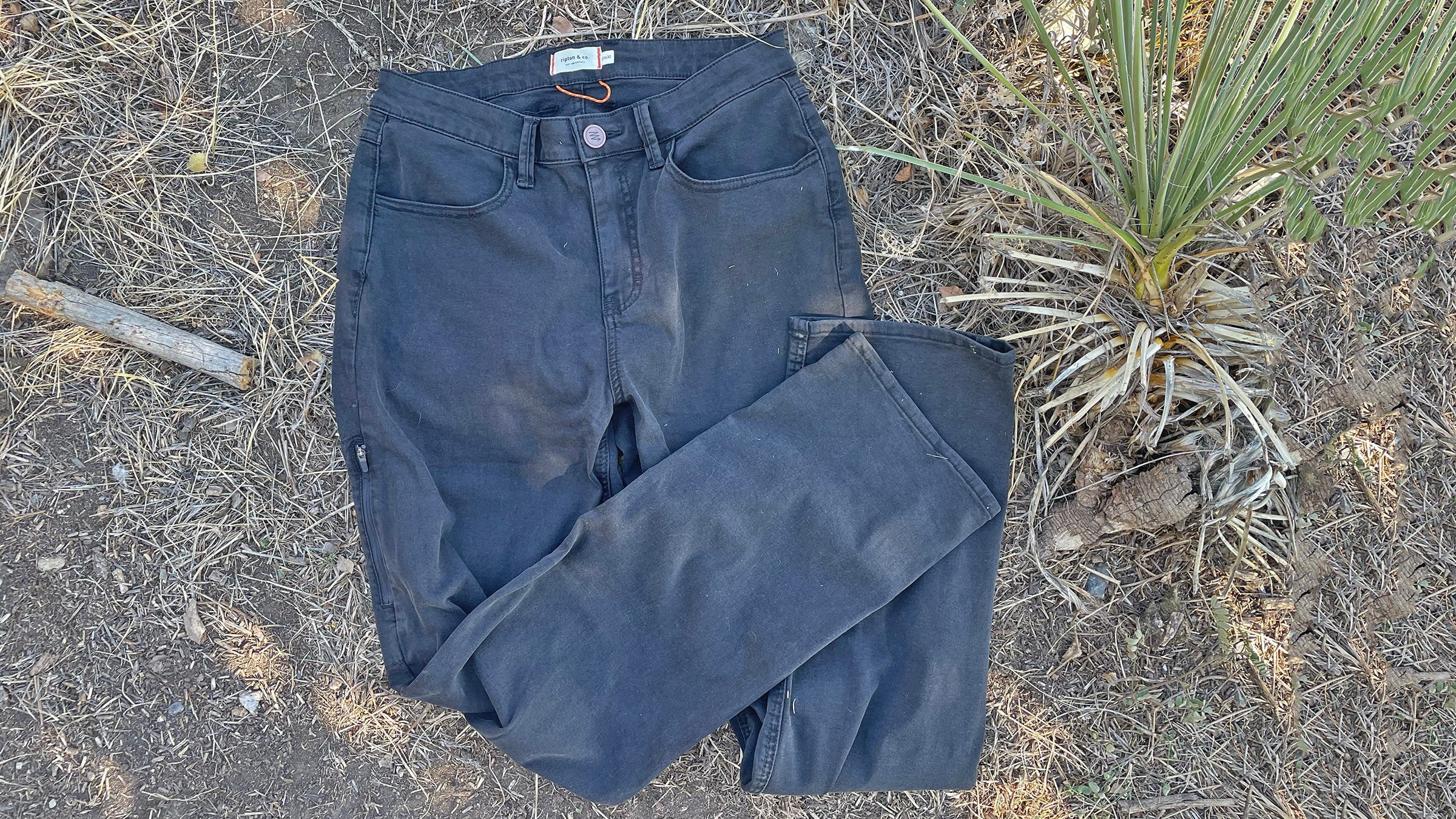
- Ripton Superlight Jean: Engineered with a lightweight blend of cotton, polyester, and spandex, this model has emerged as a preferred option for moderate temperatures exceeding 60 degrees Fahrenheit. Field testers note its exceptional breathability and quick-drying properties, making it suitable for multi-sport use, including light alpine scrambles and indoor climbing sessions.
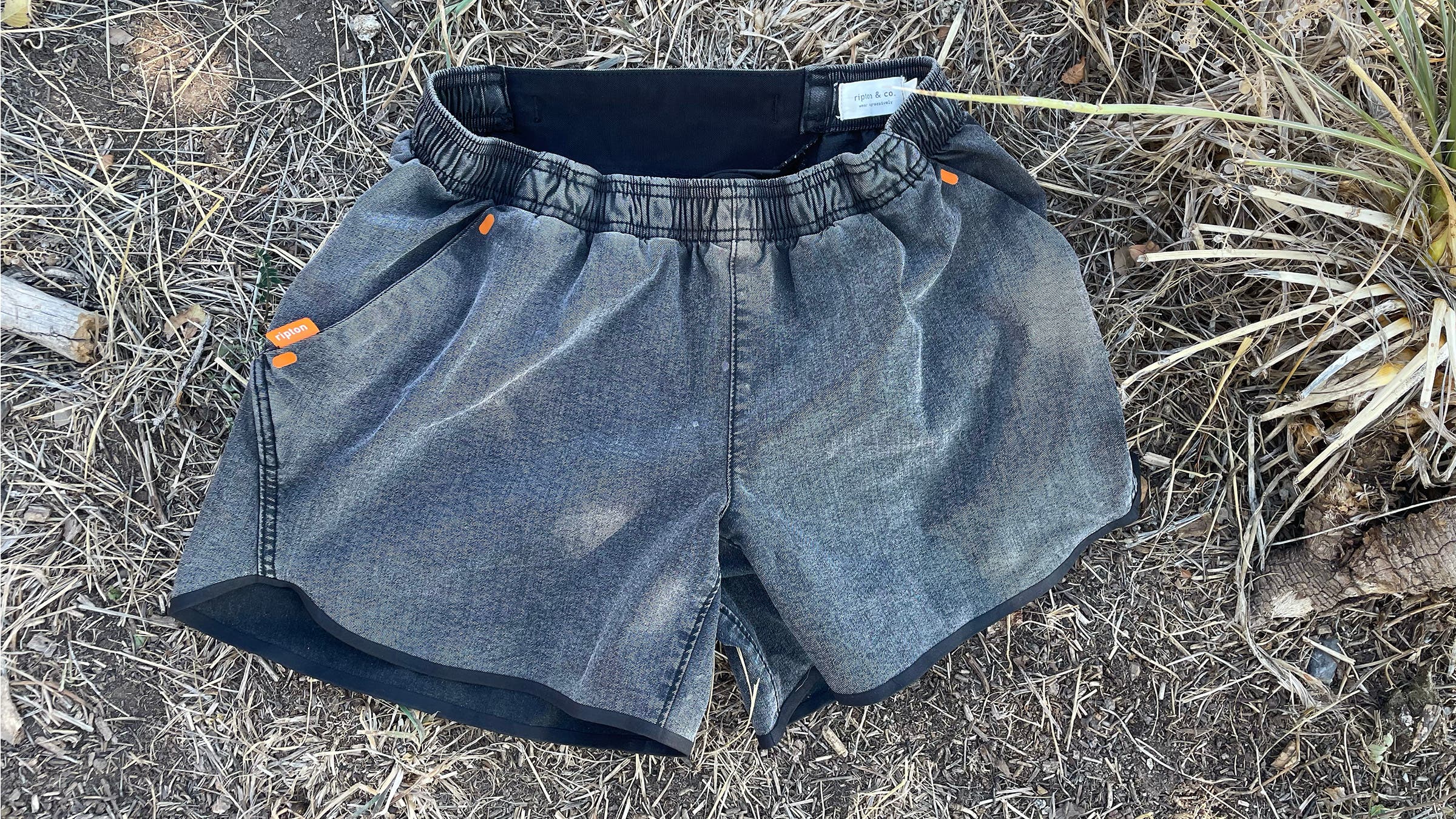
- Ripton Trail Daemon Jorts: Designed with an elevated spandex content (reaching up to 12% Lycra) and a concise four-inch inseam, these performance jorts challenge conventional running apparel norms. Field evaluations confirm that the high elasticity permits unrestricted stride mobility, positioning them as a functional alternative for trail runners and hikers seeking casual aesthetics without sacrificing technical performance.
- Duer Performance Denim Harbour Shorts: Utilizing a composition of 70% cotton, 28% Coolmax polyester, and 2% Lycra spandex, these shorts offer a looser, relaxed fit combined with a high-stretch waistband. Reviewers emphasize their utility for transitional wear, successfully bridging the gap between high-output outdoor excursions and casual daily errands.
Economic and Environmental Implications
The rise of performance denim carries notable implications for both apparel manufacturers and consumers. From an economic perspective, the integration of technical fabrics into casual silhouettes allows outdoor brands to capture a broader demographic beyond traditional backpackers and mountaineers. Consumers increasingly favor multi-functional wardrobes that reduce the total volume of clothing required for specialized activities, aligning with minimalist purchasing trends.
However, the production of performance denim presents distinct environmental challenges. While the incorporation of recycled polyester helps divert plastic waste from landfills, blending natural and synthetic fibers complicates the garment recycling process at the end of a product’s lifecycle. Traditional cotton is biodegradable, whereas synthetic-cotton blends often require specialized chemical separation techniques to recycle effectively. In response, industry leaders are increasingly investing in traceable organic cottons and closed-loop synthetic recycling programs to mitigate the ecological footprint of technical denim production.
Future Outlook for Technical Casual Wear
As material science continues to advance, the distinction between technical outdoor gear and everyday streetwear is expected to narrow further. Textile engineers are currently developing bio-based synthetic alternatives and advanced nano-treatments that enhance water repellency and stain resistance without relying on traditional chemical fluorocarbons.
For consumers demanding uncompromising mobility, comfort, and professional versatility, performance denim represents a permanent shift in apparel design. By successfully resolving the historical trade-offs between the rigid durability of classic jeans and the dynamic flexibility of athletic wear, performance denim has secured a permanent role in modern wardrobe functionality.



 Gabriela Annisa

 Lukman Taruna Persada Ramadan

 Tatiana Tantri Indah Sari


 Dwi Wanna
