
 Anjar Salim
The integration of low-impact, core-centric conditioning into traditional running regimens has emerged as a cornerstone of modern sports science, fundamentally shifting how endurance athletes approach cross-training and injury mitigation. For decades, the running community heavily prioritized high-intensity supplemental modalities, ranging from heavy barbell squats and powerlifting to grueling CrossFit circuits and hot yoga. However, a growing body of clinical research, alongside insights from physical therapists and specialized trainers, points to Pilates as an exceptionally effective method for improving running economy, maximizing oxygen uptake, and preventing the debilitating overuse injuries that sideline thousands of athletes annually.
This paradigm shift in endurance training is not merely anecdotal. Sports medicine professionals increasingly point out that running is an inherently linear, high-impact discipline. With every stride, a runner absorbs roughly three to four times their body weight through the lower extremities, and that figure climbs significantly higher in the lower leg and calf complexes. While this repetitive loading builds formidable specificity and cardiovascular endurance, it simultaneously creates muscular imbalances, postural fatigue, and vulnerabilities in stabilizing joints. To counteract these physiological tolls, sports scientists have turned their attention toward modalities that emphasize lateral stability, deep core engagement, and neuromuscular coordination.
The Historical Evolution and Scientific Validation of Pilates
Developed in the early 20th century by physical culturist Joseph Pilates, the training methodology was originally designed for rehabilitation, strength, and breath control. Initially utilized to condition dancers and rehabilitate injured soldiers, the system relies on controlled, precise movements executed either on a mat or through specialized resistance apparatuses such as the Reformer, which uses a system of springs and pulleys. Despite its early roots in rehabilitation, mainstream endurance sports largely overlooked Pilates for decades, favoring heavy resistance training and plyometrics.
That dynamic has undergone a notable transformation in recent years, backed by empirical data. A landmark 2018 study published in the journal PLOS ONE evaluated trained distance runners over a 12-week period, dividing participants into a control group maintaining standard mileage and an experimental group that incorporated structured Pilates sessions into their weekly routine. While both cohorts improved their overall cardiovascular fitness, the runners practicing Pilates experienced dramatic performance enhancements. The control group shaved an average of approximately 43 seconds off their 5K times, whereas the Pilates cohort accelerated by more than two minutes, showcasing profound improvements in running efficiency and maximal oxygen consumption (VO2 max).
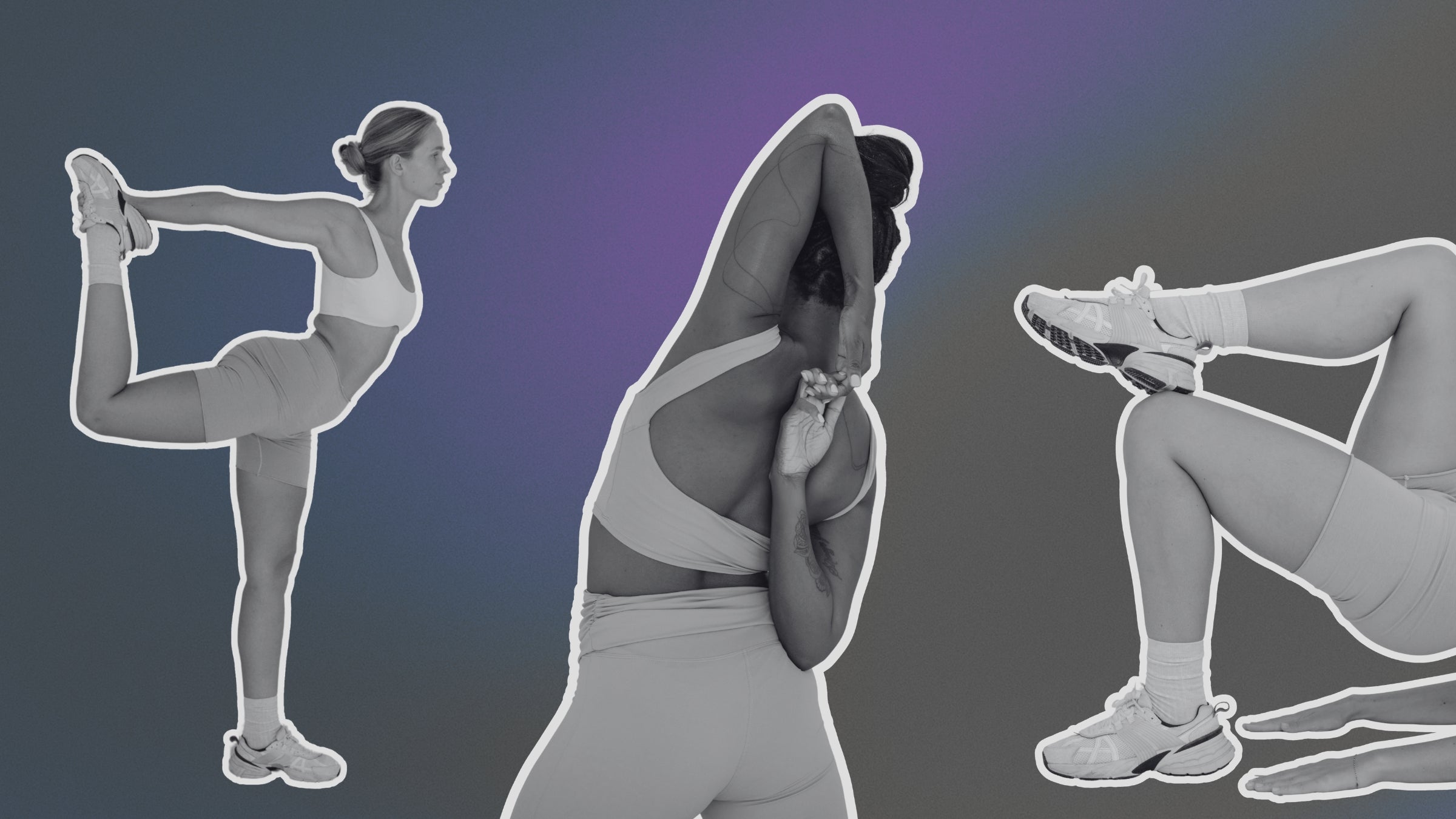
Further bolstering these findings, a comprehensive 2023 systematic review and meta-analysis published in the Turkish Journal of Pharmaceutical Sciences examined athletic populations across diverse disciplines. The analysis concluded that consistent Pilates training yields statistically significant enhancements in postural stability, dynamic balance, agility, muscular endurance, flexibility, and core strength. Researchers attributed these sweeping physiological gains to the holistic nature of the discipline. Unlike traditional weight training, which frequently isolates primary mover muscles such as the quadriceps and hamstrings, Pilates targets deep stabilizing musculature, fostering a synchronized connection across the entire kinetic chain.
Anatomy of Injury Prevention and Biomechanical Efficiency
To understand why Pilates produces such disproportionate performance gains relative to its minimal external resistance, experts look to the physics of human locomotion. Liz Patient, founder of Pilates for Runners, emphasizes that core stability serves as the foundational platform for all peripheral movement. Comparing the human body to a dynamic structure, Patient notes that attempting to generate powerful force from an unstable core is akin to throwing a ball while standing on an unstable paddleboard. By establishing a rigid, responsive center of gravity through breath-synchronized core activation, athletes allow their arms and legs to transfer energy with maximum efficiency and minimal muscular leakage.
Furthermore, Pilates directly addresses the silent instigator of running injuries: movement asymmetry. Because running restricts human motion primarily to the sagittal plane—forward and backward—lateral stabilizers such as the gluteus medius, tensor fasciae latae, and deep ankle rotators frequently suffer from underdevelopment. This imbalance manifests in common running ailments, including patellofemoral pain syndrome (runner’s knee), iliotibial (IT) band syndrome, and Achilles tendinitis.
By integrating multi-planar movements, eccentric loading, and intense isometric holds, Pilates challenges these often-neglected muscle groups. The resulting muscular balance enhances running economy, meaning athletes expend less energy to maintain a given pace. Postural muscles no longer exhaust themselves prematurely trying to stabilize a fatigued spine or pelvis during the latter miles of a long run or marathon.
The Mind-Body Connection and Proactive Recovery
Beyond pure biomechanical efficiency, sports psychologists and running coaches highlight the psychological benefits of the discipline. Traditional strength training sessions often leave athletes physically battered, characterized by intense delayed onset muscle soreness (DOMS) and prolonged systemic fatigue that can interfere with high-mileage training blocks. Pilates, by contrast, emphasizes active elongation, increased blood flow, and rhythmic breathing, allowing athletes to achieve deep muscular fatigue without the punishing inflammation associated with heavy eccentric lifting.
This quieter, deliberate pacing cultivates heightened neuromuscular awareness. Regular practitioners develop a refined internal gauge, learning to distinguish between productive training discomfort and the early warning signs of acute structural breakdown. When an athlete detects subtle tightness in the lower back, calves, or hip flexors during a precise movement sequence, they are far more likely to proactively adjust their training volume, prioritize restorative sleep, or scale back an interval workout. This heightened self-awareness acts as an invisible shield against chronic overuse injuries, transforming recovery from an afterthought into an active component of daily training.
Accessible Implementation: Foundational Movements for Distance Runners
Despite the cultural association of Pilates with boutique studios, specialized Reformer machines, and expensive equipment, sports conditioning experts emphasize that the core benefits are entirely accessible using bodyweight movements performed at home. Patient notes that consistency vastly outweighs environmental complexity, advising athletes to integrate short, targeted movement sequences into their existing routines rather than seeking out high-cost, time-consuming studio memberships.
To bridge the gap between traditional running and comprehensive core conditioning, trainers recommend starting with three foundational, functional movements designed to build single-leg stability, lateral hip strength, and lower-leg resilience.
-
The Single-Leg Romanian Deadlift (Hip Hinge)
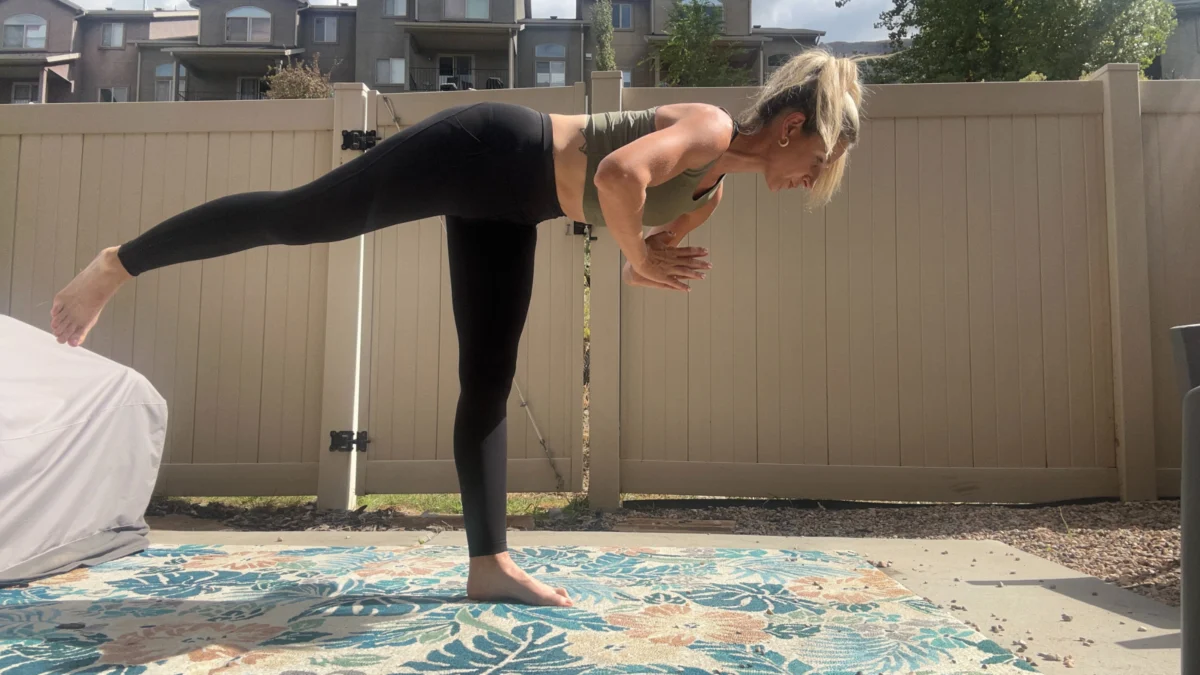
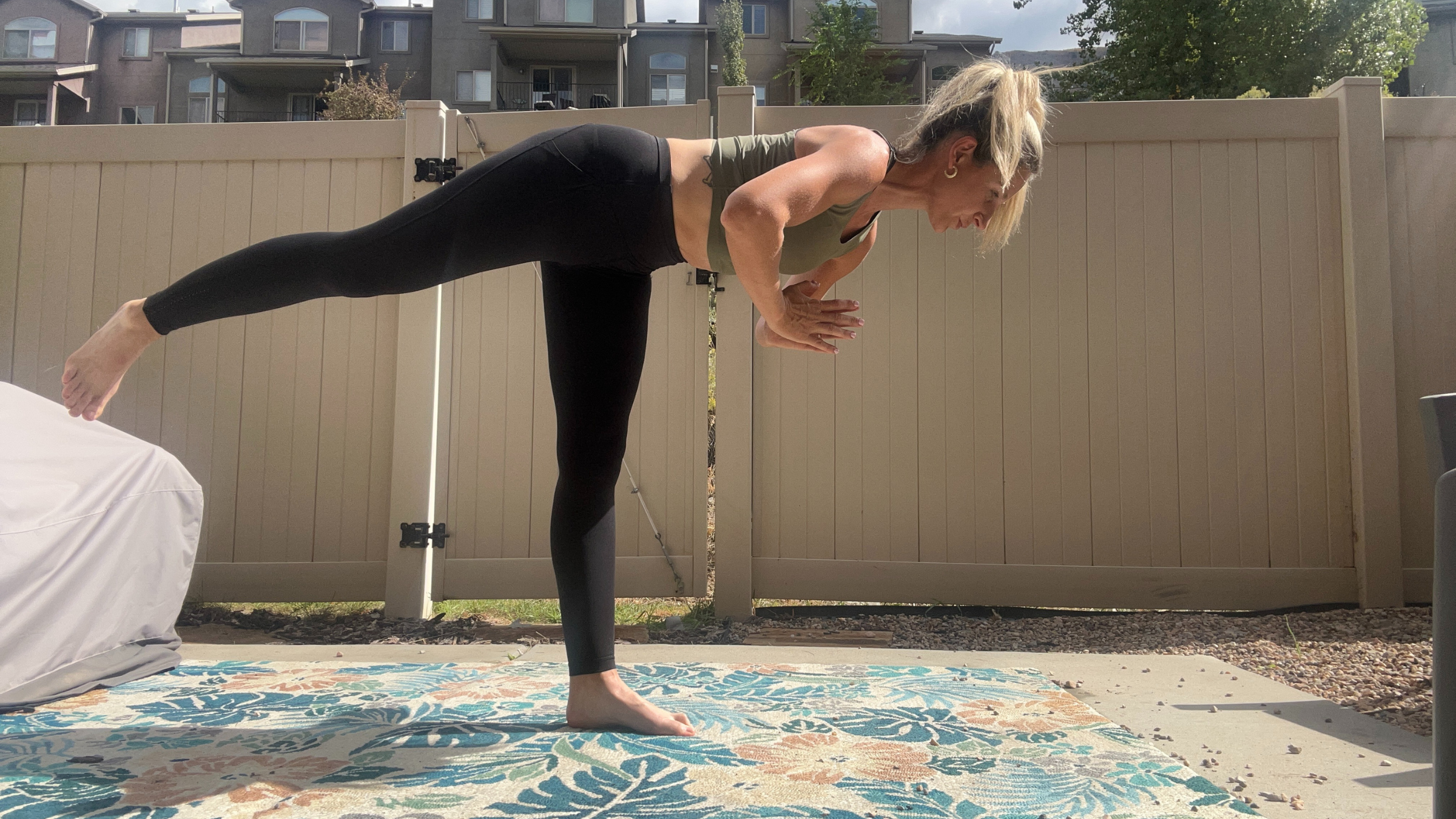
Targeting the hamstrings and glutes while concurrently developing ankle stability and intrinsic foot strength, this movement directly mimics the unilateral demands of running. Performed ideally barefoot to maximize proprioceptive feedback from the feet, the exercise requires athletes to hinge at the hip while maintaining a neutral spine and a micro-bend in the standing leg. Over time, as neuromuscular control improves, the range of motion increases naturally without compromising form. Practitioners should aim for two to three sets of six to ten repetitions per leg, prioritizing absolute control over depth.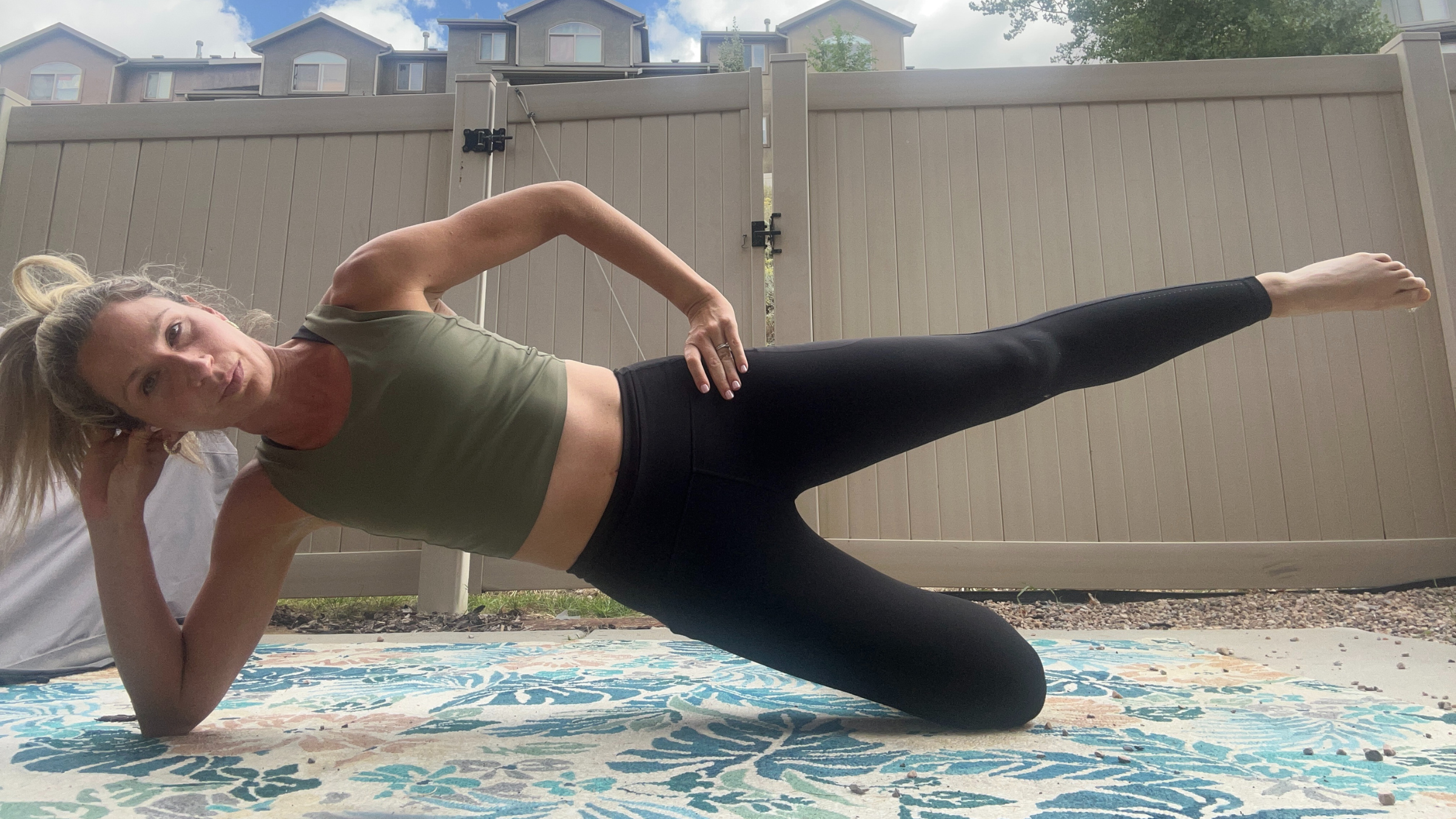
-
Side-Lying Leg Lifts
To counteract the linear monotony of running, lateral hip conditioning is non-negotiable for pelvic alignment and IT band health. Side-lying leg lifts isolate the gluteus medius and minimums. By executing slow, deliberate upward lifts without allowing the pelvis to rock backward, athletes recruit deep stabilizing fibers that are rarely activated during straightforward forward locomotion. The gold standard for proper form is a localized muscular contraction or mild cramping sensation in the lateral gluteal region. Coaches recommend two to three sets of ten to twenty slow repetitions per side. -
Heel Raises Off an Elevated Step
Given that the lower leg complex absorbs astronomical loads with every single running stride, calf and ankle conditioning is paramount. Performing heel raises off a step allows for a full range of dorsiflexion and plantarflexion, loading the gastrocnemius, soleus, and Achilles tendon through an extended ROM. A controlled tempo—such as a one-second ascent paired with a deliberate three-second eccentric descent—maximizes muscular hypertrophy and tendon resilience. Beginners should start with bilateral raises before progressing to single-leg variations, targeting three sets of ten to fifteen repetitions for bilateral work, or eight to twelve repetitions per leg for the single-leg progression.
The Broader Implications for Endurance Sports
As sports science continues to dismantle the historical divide between cardiovascular endurance and functional stability training, the adoption of Pilates among runners underscores a broader maturation within endurance culture. The era of simply accumulating high training mileage at the expense of structural integrity is giving way to a more holistic, longevity-focused framework.
By prioritizing deep core stabilization, mobility, and muscular symmetry, runners are discovering that peak performance is not achieved by enduring endless cycles of injury and rehabilitation, but by building a more resilient, biomechanically efficient human machine. Whether integrated as a ten-minute pre-run activation series or dedicated weekly recovery sessions, Pilates has firmly transitioned from an alternative fitness trend into an indispensable pillar of modern athletic conditioning.



 Gabriela Annisa

 Lukman Taruna Persada Ramadan

 Tatiana Tantri Indah Sari


 Dwi Wanna
