
 Anjar Salim
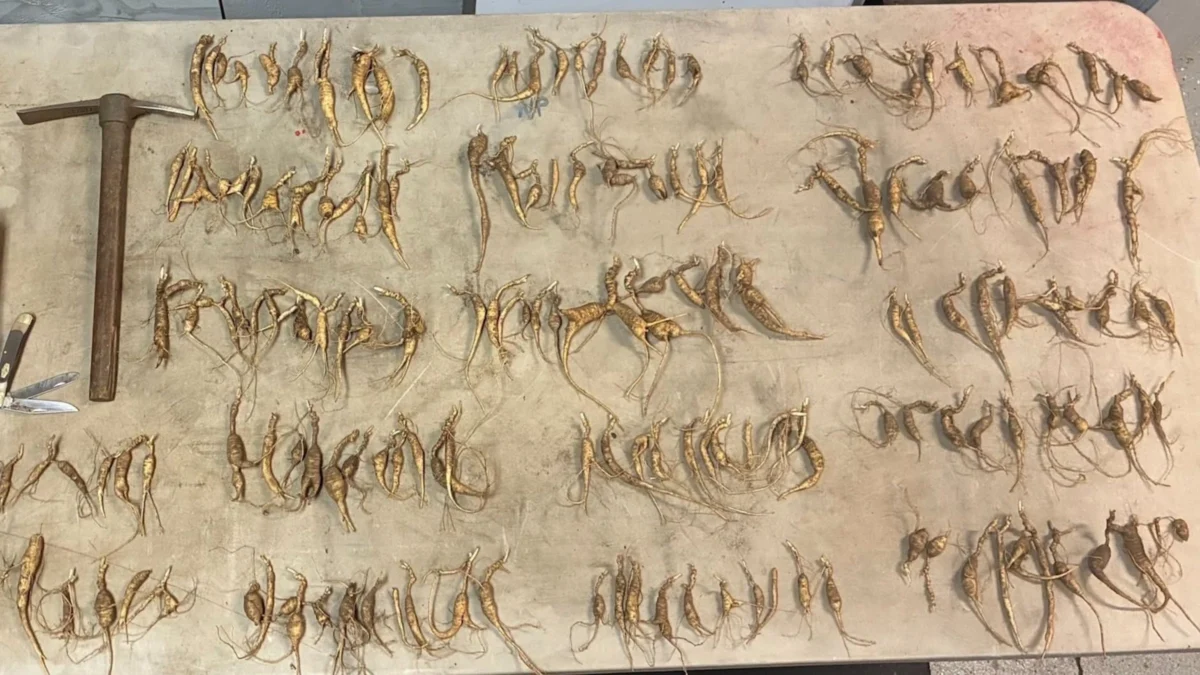
The Appalachian wilderness, renowned for its sweeping biodiversity and ancient mountain ranges, has increasingly become the epicenter of a quiet, high-stakes environmental conflict. Deep within the protected boundaries of the Great Smoky Mountains National Park, a recent enforcement action brought this escalating crisis to light when park rangers recovered nearly 700 illegally harvested ginseng roots. While the seizure represents a significant tactical victory for local law enforcement, conservationists and park officials emphasize that it is merely a drop in the bucket compared to the vast underground economy driving the systematic depletion of America’s wild botanical heritage.
Often referred to as "green gold," wild American ginseng (Panax quinquefolius) has long been a coveted commodity, fetching astronomical prices on domestic and international black markets. However, the convergence of skyrocketing global demand, localized economic pressures in the Appalachian region, and severe staffing shortages within the National Park Service (NPS) has created a precarious landscape. As rangers struggle to patrol millions of acres with dwindling resources, the ancient plant—vital to both forest ecology and traditional medicine—is facing an unprecedented threat of overexploitation.
Anatomy of a Bust: The Great Smoky Mountains Seizure
The incident that renewed national attention on botanical poaching occurred in late September, when National Park Service rangers operating within the Great Smoky Mountains National Park intercepted what they believe was a coordinated illegal harvesting operation. According to an official statement released by park authorities on September 30, rangers successfully contacted two separate suspects and recovered approximately 700 individual ginseng roots that had been stripped directly from the park’s protected soils.
Under federal regulations, the removal, alteration, or destruction of any natural resource—including plants, animals, rocks, and historical artifacts—is strictly prohibited within all units of the National Park System. The rationale behind these stringent rules is rooted in the preservation of fragile ecosystems, yet the temptation posed by the monetary value of wild flora frequently overrides legal boundaries. Violations of these federal conservation laws carry steep consequences, including potential fines of up to $5,000 and sentences of up to six months in federal prison.
Despite the successful recovery of the roots, park officials painted a sobering picture regarding the survival rate of the seized flora. Following standard protocols, the NPS initiated efforts to replant the recovered ginseng back into the wild. However, botanical experts estimate that only about one-third of the uprooted plants will survive the traumatic transplantation process. Because ginseng is notoriously sensitive to environmental disruption, the act of poaching effectively destroys the vast majority of the harvested specimens, regardless of whether law enforcement manages to intercept the poachers before they leave the park boundaries.
The Ecological and Cultural Significance of American Ginseng
To understand why the poaching of wild ginseng alarms conservation biologists, one must examine the slow and delicate life cycle of the plant itself. Unlike many resilient understory weeds, wild American ginseng is a slow-growing perennial that requires pristine forest conditions and deep shade to thrive. A single ginseng plant can take anywhere from five to ten years to reach full maturity, developing the gnarled, human-like root systems that command high prices on the market.
Ecologically, ginseng is an integral component of the eastern deciduous forest floor. Woodland creatures, ranging from small rodents to white-tailed deer, rely on the plant’s red berries for sustenance, while the broader root network contributes to the intricate underground fungal webs that support forest health. Furthermore, overharvesting severely damages the genetic diversity of wild populations. When mature, seed-producing plants are aggressively targeted and removed from an area before they can propagate, the remaining populations lose their ability to adapt and regenerate, paving the way for local extinction.
Historically, indigenous communities across North America utilized ginseng for its therapeutic properties, a tradition that was later adopted by early European settlers who recognized the herb’s similarity to Asian ginseng (Panax ginseng). In modern herbal medicine, promoted by institutions such as the Cleveland Clinic, ginseng is frequently used in teas, dietary supplements, and holistic remedies intended to boost immunity, combat fatigue, and aid digestion.
A Lucrative Underground Market and the Global Demand Surge
The primary driver behind the relentless poaching of wild ginseng is economic. In regions facing persistent economic challenges, the woodland floor is often viewed by desperate individuals as a source of immediate, untraceable income. Will Harlan, the southeast director for the Center for Biological Diversity, succinctly captured the sentiment in an interview with environmental journalists, noting that for many struggling residents in Appalachia, hunting for ginseng feels like finding "free money out in the forest."
However, this local opportunistic harvesting feeds into a massive, highly organized international trade network. According to data from the U.S. Department of Agriculture (USDA), consumer demand for American ginseng remains exceptionally high, propelled heavily by health-conscious markets in East Asia, particularly China. Cultural reverence for traditional medicine, combined with the perception that wild American ginseng possesses superior medicinal potency compared to cultivated varieties grown on farms, creates a lucrative price disparity.
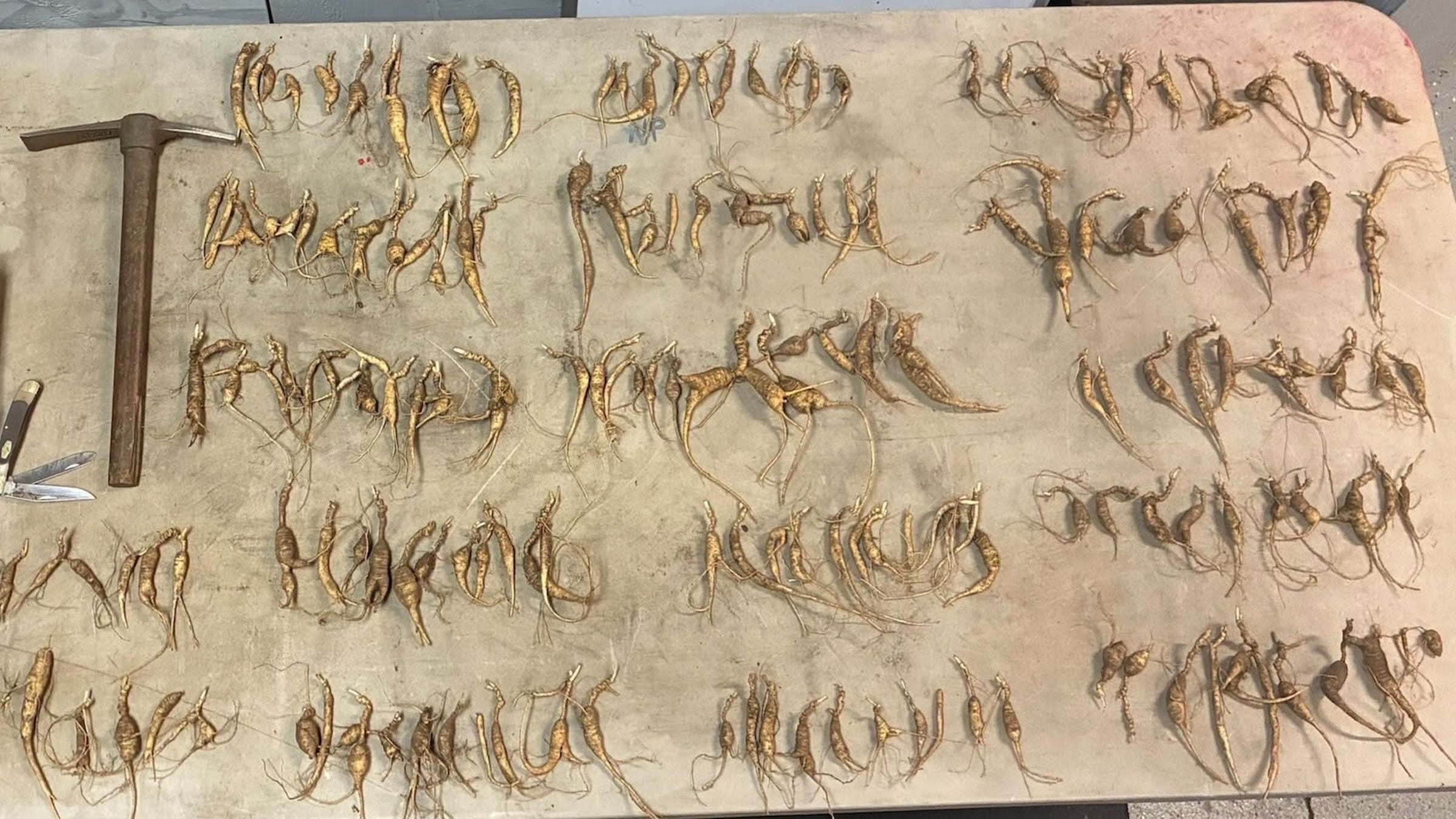
While cultivated ginseng can be grown in agricultural settings, connoisseurs and traditional practitioners pay premium prices for wild roots, which they believe concentrate more medicinal compounds over years of competing with other forest vegetation. According to reports from the West Virginia Division of Forestry, a single dry pound of wild ginseng can command upwards of $500 on the open market, transforming the unassuming woodland plant into a commodity as valuable as precious metals.
This high valuation has historically prompted some public land management agencies, such as the U.S. Forest Service, to issue regulated harvesting permits in specific national forests during designated autumn windows. Yet, due to mounting evidence of widespread abuse and overharvesting, many of these same agencies have been forced to suspend permit programs entirely in recent years. With legal harvesting avenues severely restricted on public lands, illegal poaching inside national parks and state reserves has surged to fill the gap.
The Impact of National Park Staffing Reductions
While federal rangers and state wildlife officers remain deeply committed to protecting public lands, their capacity to deter and investigate botanical poaching has been severely compromised. Conservation advocates and park personnel point to a broader structural crisis within the National Park Service: persistent budget constraints and significant staffing reductions over recent years.
The operational strain on national parks is well-documented. Over the past two funding cycles, numerous parks across the United States have faced hiring freezes, buyouts, and deep cuts to operational budgets. These cuts have directly translated to fewer law enforcement rangers on the ground, reduced trail maintenance, and diminished monitoring capabilities in remote wilderness areas.
Will Harlan emphasized that botanical crimes like ginseng poaching frequently take a back seat to more immediate public safety emergencies, given the drastically reduced personnel levels. "This is just one of many problems they’re facing as their personnel has been literally gutted," Harlan explained. "It makes prioritizing ginseng poaching even more difficult."
Because national parks span hundreds of thousands of acres of rugged, heavily forested terrain—often featuring thousands of miles of unpaved backcountry trails—surveillance is inherently difficult. Poachers can easily slip past park boundaries undetected, utilizing remote entry points and targeting isolated coves where wild ginseng traditionally flourishes. Without an adequate number of rangers patrolling the backcountry, the risk of apprehension for poachers remains relatively low, encouraging repeat offenses.
Broader Implications and the Path Forward
The escalating black market for wild ginseng highlights a critical vulnerability in the management of America’s public lands. As climate change, habitat fragmentation, and invasive species continue to exert pressure on native ecosystems, illegal harvesting adds an unsustainable anthropogenic stressor that fragile wilderness areas cannot easily absorb.
Conservation organizations, park superintendents, and botanical researchers agree that solving the crisis will require a multifaceted approach. First and foremost, restoring adequate federal funding to the National Park Service is seen as a vital prerequisite for bolstering enforcement and protection efforts. Increased staffing would allow for more frequent backcountry patrols, more thorough investigations into illegal trafficking networks, and better educational outreach to local communities.
Additionally, public awareness plays a crucial role in safeguarding public resources. Park officials continuously urge visitors and local residents to remain vigilant and report suspicious activities, such as individuals digging up plants or operating in unauthorized backcountry zones, directly to park dispatchers.
Ultimately, experts stress that the preservation of wild American ginseng is a collective responsibility. As Harlan noted, the plants residing within national parks belong to the public trust rather than private profiteers seeking short-term gains from a shared heritage. Without immediate intervention, stronger enforcement, and a renewed commitment to funding conservation infrastructure, this vital piece of Appalachian biodiversity risks being loved—and looted—to death.




 Gabriela Annisa

 Lukman Taruna Persada Ramadan

 Tatiana Tantri Indah Sari


 Dwi Wanna
