
 Anjar Salim
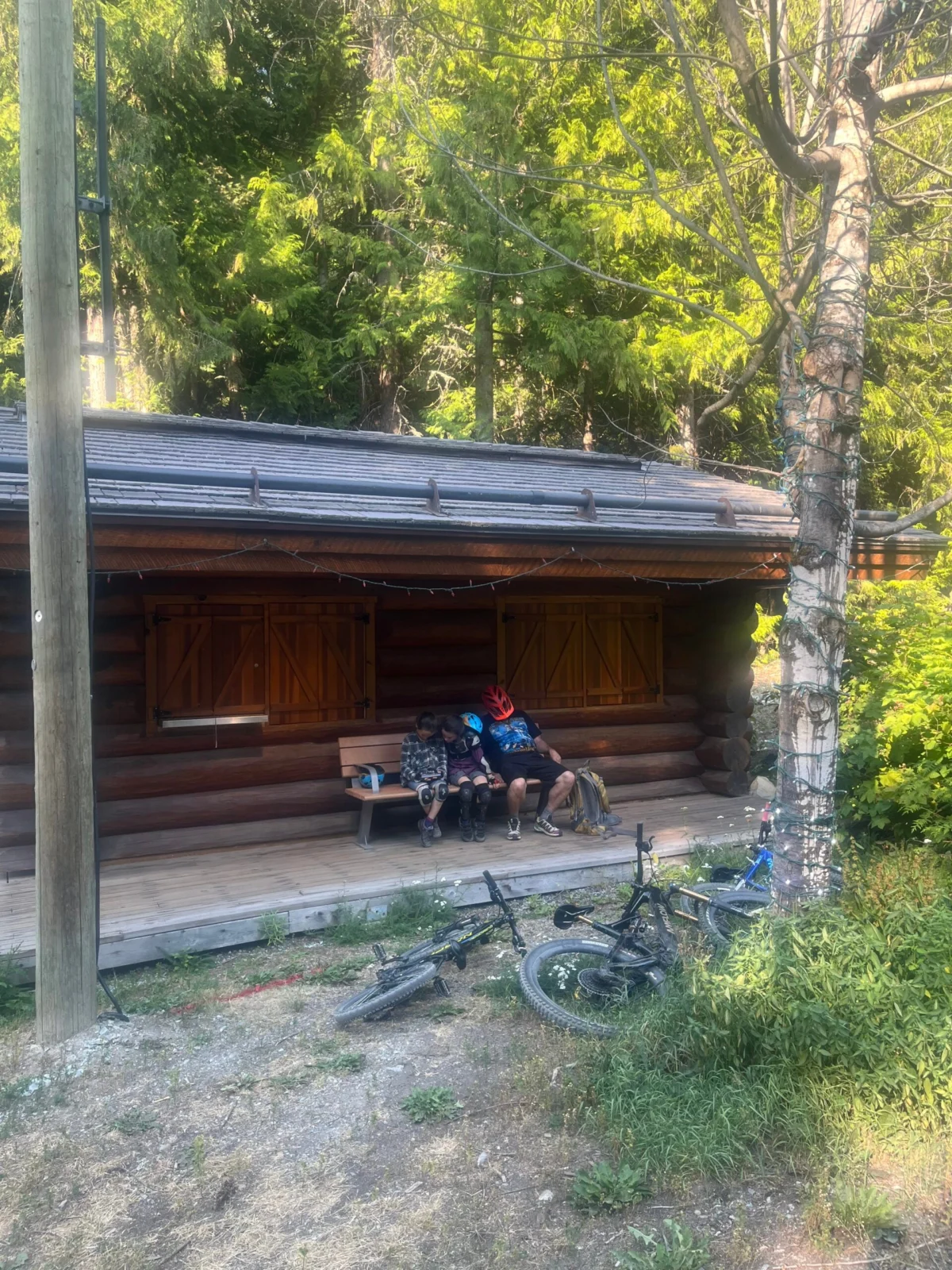
The alpine landscape of Whistler, British Columbia, has long served as a defining benchmark for mountain tourism in North America. Located approximately 90 minutes north of Vancouver along the scenic Sea-to-Sky Highway, this premier year-round destination recently became the focal point for an episode of Outside’s travel series, Along for the Ride. Comedian Brooks Wheelan experienced the breadth of the region’s topography during a surprise-driven itinerary that showcased Whistler’s capacity to challenge conventional notions of a single mountain vacation.
The production highlights a destination that transitions seamlessly from winter sports dominance to a multifaceted summer and shoulder-season hub. Far from being merely a seasonal ski resort, Whistler operates as an integrated alpine ecosystem featuring extensive trail networks, high-altitude engineering marvels, and a robust hospitality infrastructure. Wheelan’s journey through the region underscores the logistical and recreational scale required to maintain Whistler’s status as a world-class travel destination.
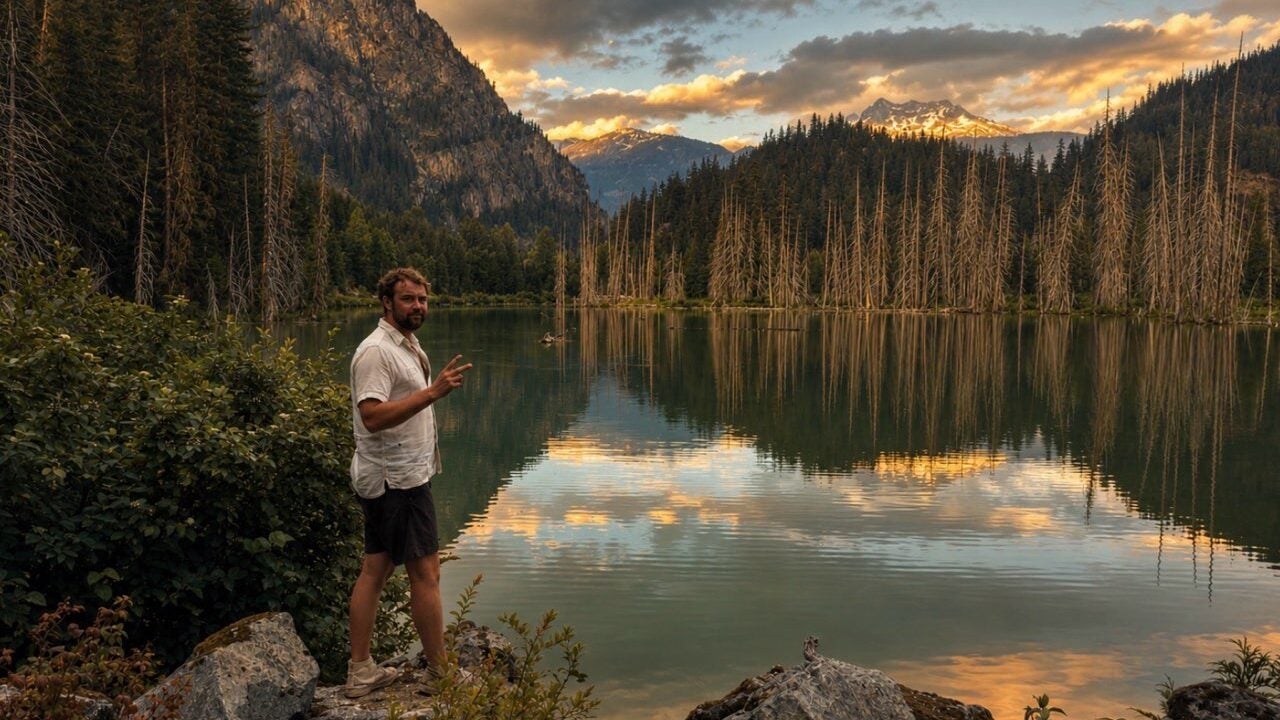
Evolution and Background of Whistler’s Alpine Infrastructure
Whistler’s transformation into an international powerhouse began decades before it co-hosted the 2010 Winter Olympic and Paralympic Games alongside Vancouver. Originally developed as a logging camp and later envisioned as a contender for the 1968 Winter Olympics, the area officially opened for skiing in 1966. Over subsequent decades, the integration of Whistler Mountain and adjacent Blackcomb Mountain under a unified operational umbrella created North America’s largest ski resort.
The legacy of the 2010 Winter Games fundamentally altered the region’s infrastructure, injecting substantial capital into transportation, athletic facilities, and accommodations. Venues such as the Whistler Sliding Centre and Whistler Olympic Park were constructed to meet rigorous international competition standards. In the post-Olympic era, these facilities have been adapted for public recreational use, allowing visitors to experience elite-tier athletic venues firsthand. The continuous evolution of the resort has since expanded beyond winter sports, establishing Whistler as a premier warm-weather destination renowned for mountain biking, alpine climbing, and high-altitude sightseeing.
Main Facts and Recreational Itinerary
Wheelan’s unscripted itinerary on Along for the Ride traversed the geographic and adrenaline spectrum of the dual-mountain territory. The episode emphasizes that Whistler’s recreational offerings require diverse skill sets and specialized equipment, supported by comprehensive instructional programs.
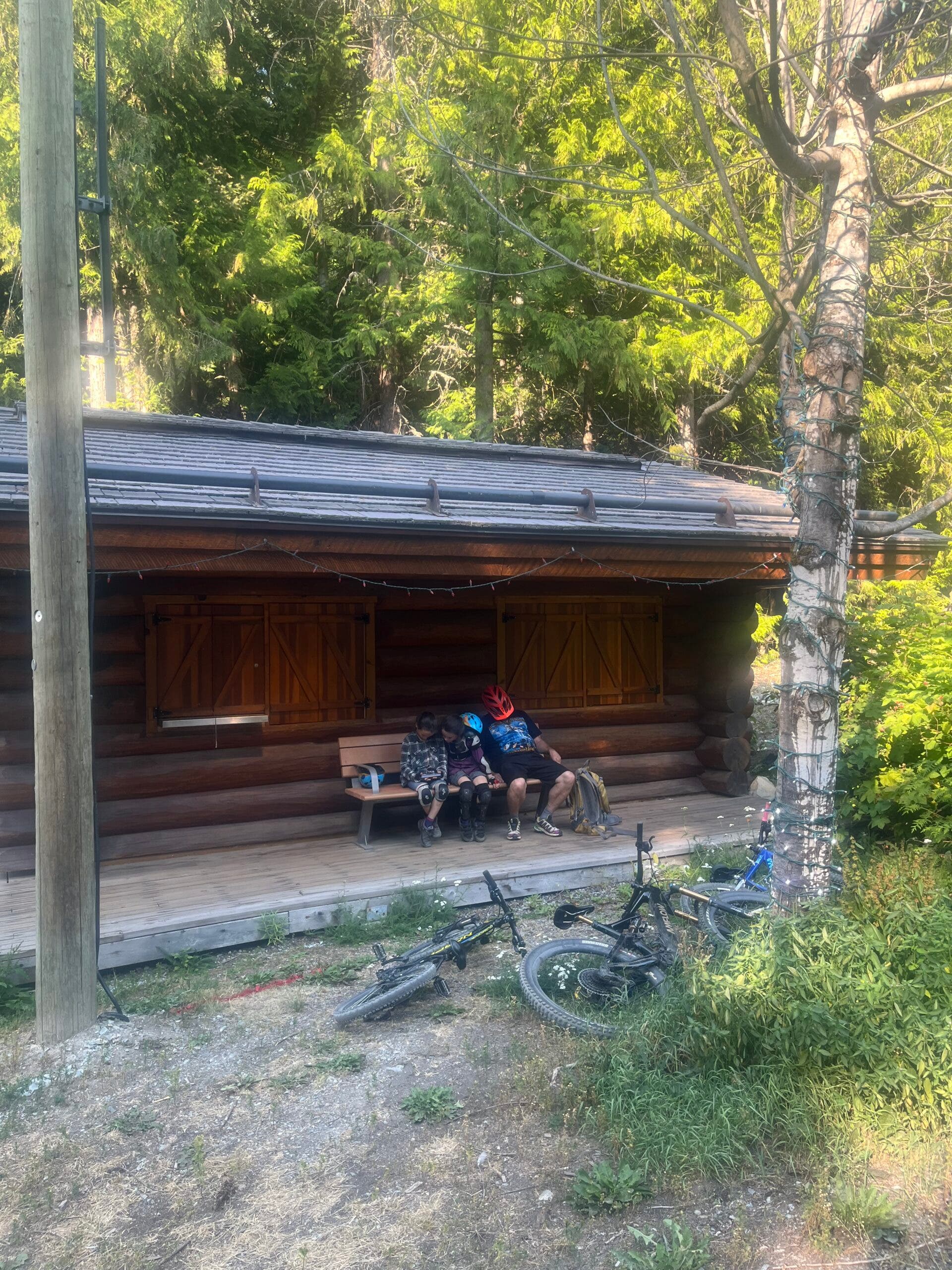
At the core of the summer adventure sector is the Whistler Mountain Bike Park, widely recognized as a global standard for gravity-fed mountain biking. Spanning four distinct mountain zones—the Whistler Village, Fitzsimmons, Garbanzo, and Peak zones—the park features more than 50 miles of trails across 70 named routes. These trails cater to a broad demographic, ranging from novice riders utilizing the Whistler Bike School and progressive skills centers to advanced athletes navigating iconic technical terrain like A-Line and Dirt Merchant.
Beyond standard lift-access biking, the region offers remote high-altitude exploration through heli-biking partnerships with operators such as Coast Range Helicopters. This allows cyclists to access nearly 5,000-foot descents on trails like Hidden Peak, combining isolated backcountry terrain with demanding physical requirements.
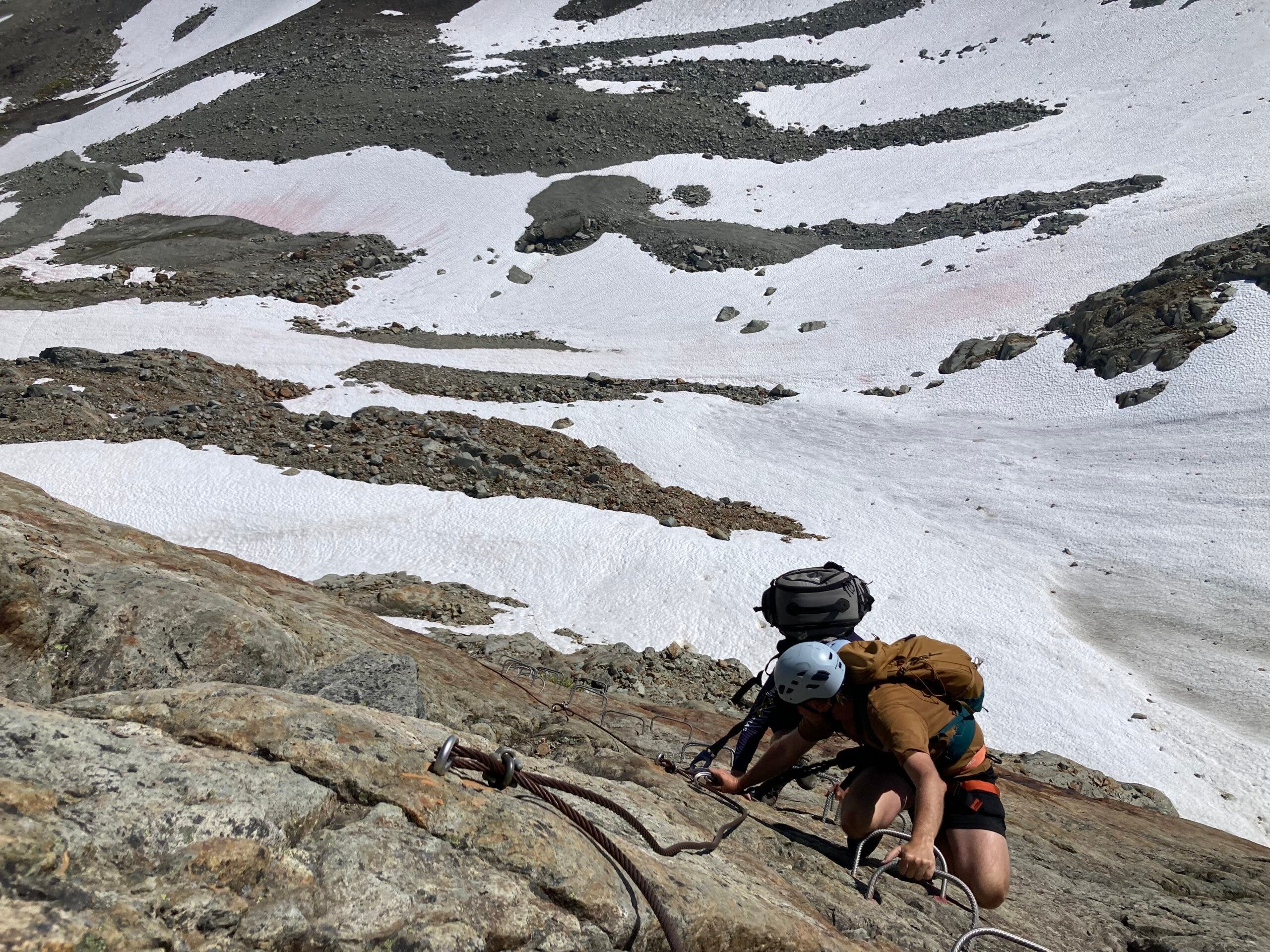
Vertical exploration in Whistler extends to mountaineering and pedestrian sightseeing. The Via Ferrata tour on Whistler Peak introduces participants to assisted climbing via fixed cables and metal rung ladders, a method originally developed in Europe during World War I. This system allows individuals with no prior technical climbing experience to scale vertical cliffs safely. For broader access, the Peak 2 Peak Gondola—holding records as the highest and longest unsupported cable car span in the world—connects the alpine environments of Whistler and Blackcomb peaks. This system links directly to pedestrian infrastructure such as the Cloudraker Skybridge and an extensive network of high-elevation hiking trails.
Adrenaline-focused activities also include summer bobsledding at the Whistler Sliding Centre. Operating on the fastest and steepest artificial sliding track in the world, the wheeled bobsled program allows visitors to experience speeds reaching up to 55 miles per hour during the warmer months, mirroring the G-forces experienced by Olympic athletes.
Chronology of Accommodations and Wellness Infrastructure
Whistler’s hospitality sector has developed in tandem with its recreational offerings, providing accommodations tailored to varied traveler profiles, from luxury seekers to budget-conscious outdoor enthusiasts.
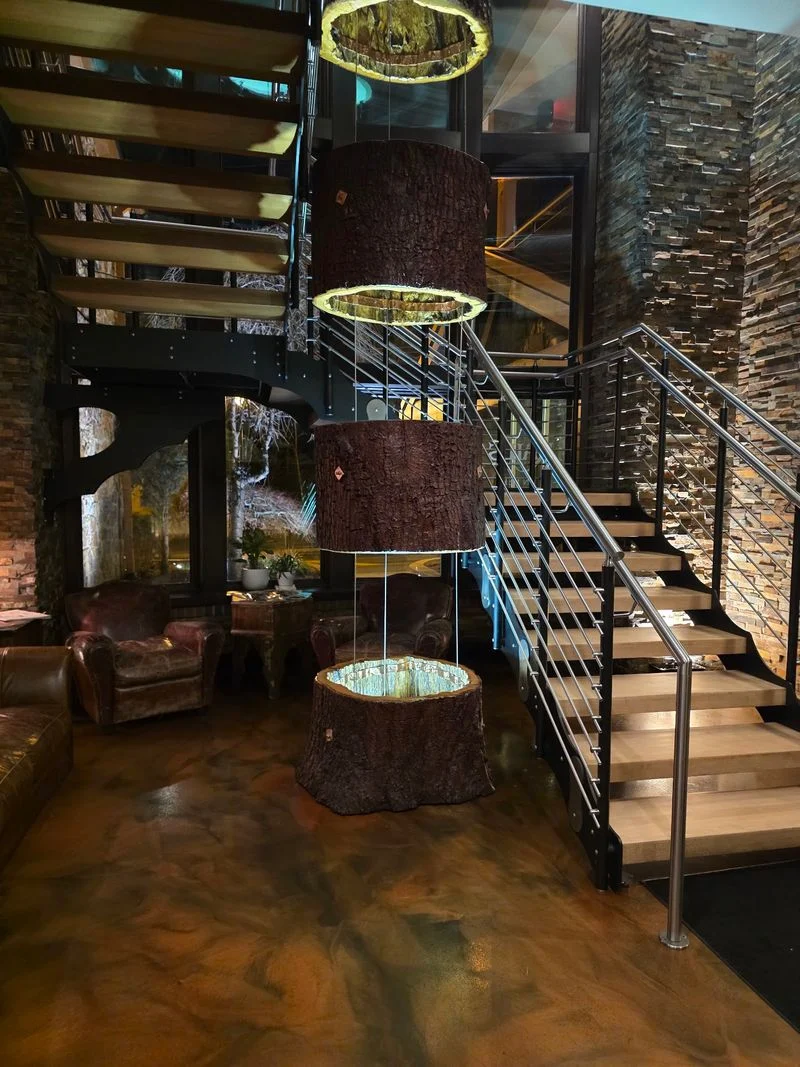
- Pan Pacific Whistler Mountainside Hotel: Situated at the base of the mountain steps from the bike park and gondolas, this property has repeatedly received industry recognition, including consecutive titles as Canada’s Best Ski Hotel. Its year-round operational model caters to guests seeking immediate proximity to outdoor adventure combined with upscale amenities.
- Pangea Pod Hotel: Opened to address the demand for affordable, community-oriented lodging for solo travelers and active visitors, Pangea introduced a micro-accommodation concept to the village. The property features private sleeping pods, shared social areas such as a rooftop patio, and specialized equipment management facilities including the "Toy Box" secure gear storage.
- Nita Lake Lodge and Spa: Located slightly away from the central village hub on the shores of Nita Lake, this property offers a wellness-oriented counterweight to high-intensity outdoor activities. Featuring comprehensive spa therapies and lakeside dining, the lodge serves as a primary destination for physical recovery and relaxation.
Industry Analysis and Economic Implications
The ongoing diversification of Whistler’s tourism model carries significant economic and operational implications for mountain resort management in North America. Historically, alpine economies relied heavily on winter snowpacks, leaving resorts vulnerable to weather variability and seasonal revenue troughs. By heavily investing in summer infrastructure—specifically mountain biking trail networks, high-capacity sightseeing gondolas, and shoulder-season wellness tourism—Whistler has successfully stabilized its year-round economic footprint.
Industry analysts note that Whistler’s integration of high-risk adventure tourism with accessible entry-level programs broadens its market penetration. By employing certified instructors at the bike park and guided services for Via Ferrata tours, the resort mitigates liability while lowering the barrier to entry for inexperienced visitors like Wheelan. This strategy expands the demographic base beyond core enthusiasts, securing long-term engagement across multiple generations of travelers.
Furthermore, the resort’s proximity to a major metropolitan center like Vancouver provides a reliable baseline of regional tourism, supplemented by an international clientele drawn by global marketing campaigns and media placements such as Outside’s streaming series. The challenge for municipal and resort planners moving forward lies in balancing high-volume tourism with ecological preservation in a sensitive alpine environment, ensuring that infrastructural expansion aligns with regional sustainability goals.


 Cholid Fahmi Thalib

 Diana Nuri Rohmawati

 Tatiana Tantri Indah Sari


 Gabriela Annisa
