
 Anjar Salim
Whether scrambling up loose scree on a remote mountainside or navigating technical singletrack on a mountain bike, outdoor athletes rely heavily on a sturdy physical foundation to absorb the unique mechanical demands of adventure sports. While traditional training regimens for hikers, runners, and cyclists prioritize cardiovascular endurance, muscular strength, and flexibility, skeletal integrity frequently goes overlooked. Far from being an inert framework, bone is a dynamic, living tissue that constantly remodels itself in response to physical stress and mechanical loading. Recent findings published in the BMJ establish a compelling case for proactive bone health management, demonstrating that targeted physical activity can effectively mitigate age-related bone mineral density decline and significantly reduce the incidence of fractures among active adults.
Main Facts and Study Findings
The research, which synthesized data from a sweeping pool of clinical trials, provides definitive guidance on how much and what type of exercise is required to safeguard the skeletal system. Investigators evaluated 124 distinct clinical trials comprising a total of 18,429 participants aged 40 and older. The primary objective was to determine which exercise interventions yielded the most pronounced preservation of bone mineral density (BMD)—a medical measurement reflecting the concentration of minerals, primarily calcium, packed into a given volume of bone. Higher mineral density correlates directly with greater structural strength and a reduced susceptibility to fractures.
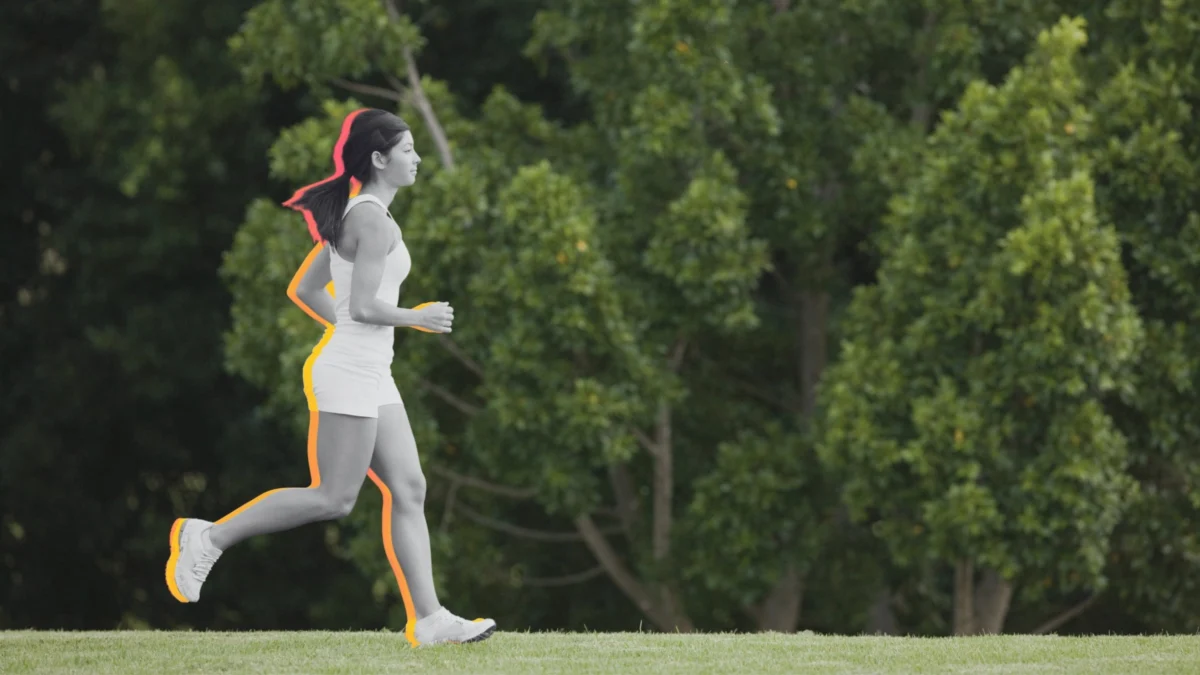
The analysis revealed that committing just two to three hours per week—translating to a remarkably accessible 20 to 25 minutes per day—to moderate-intensity physical activity can profoundly alter skeletal trajectories. Brisk walking, light jogging, and consistent aerobic conditioning were shown to actively slow the natural, age-related degradation of bone density in adults over the age of 40. Furthermore, the data pinpointed specific modalities tailored to protecting distinct skeletal zones. For the spine, brisk walking, jogging, and combined programs of aerobic work and resistance training proved most effective. For the femur, or thigh bone, brisk walking, jogging, and mind-body practices such as Tai Chi and yoga delivered optimal results. When focusing specifically on the hip, walking and jogging emerged as particularly advantageous, while mind-body modalities correlated with an impressive approximate 42 percent reduction in overall fracture risk.
Chronology and Context of Skeletal Research
To contextualize these findings, it is helpful to examine the historical evolution of bone health research over the past several decades. For a long time, clinical interventions for declining bone density—most notably osteoporosis and osteopenia—relied almost exclusively on pharmacological treatments, dietary calcium supplementation, and vitamin D optimization. Exercise was frequently prescribed as a secondary, generalized recommendation rather than a precise medical intervention.
In the late 20th century, sports scientists began documenting the piezoelectric effect of bone, noting that mechanical deformation generates tiny electrical signals that stimulate osteoblasts, the cells responsible for building new bone matrix. Throughout the 2000s and 2010s, localized studies frequently examined high-impact gymnastics or heavy powerlifting, often leaving older adults or endurance athletes with the impression that bone-strengthening protocols required extreme physical exertion or heavy gym machinery.
The publication of this comprehensive BMJ study marks a crucial chronological shift in the mid-2020s. By aggregating data from thousands of participants across dozens of trials, researchers moved away from niche, high-risk interventions and established that moderate, sustainable habits are sufficient to induce positive skeletal adaptation. This pivot aligns with a broader public health movement emphasizing longevity, functional fitness, and preventative medicine, acknowledging that the human skeleton requires lifelong mechanical engagement to maintain structural integrity.
Expert Analysis and Mechanical Insights
To understand why these specific exercises yield such robust protective effects, medical professionals and biomechanics experts point to fundamental principles of physics and human physiology. Lori Diamos, MS, PT, FAFS, a physical therapist and founder of the Chicago-based practice PT Pearls, emphasizes that bone responds directly to the loads placed upon it. "Bone is living tissue and responds to stress and load, so regular weight-bearing activity and resistance exercise are important for maintaining bone health as we age," Diamos explains.
This sentiment is echoed by Dr. Susie Reiner, an assistant professor of exercise and sport science at Seton Hall University and founder of the sports science consulting firm TheoryEx. Dr. Reiner notes that activities like walking and jogging generate repetitive ground reaction forces. When a foot strikes the earth, these mechanical forces travel upward through the skeletal architecture, stimulating mechanoreceptors within the bone tissue that signal the body to deposit new mineral layers. Additionally, when skeletal muscles contract against resistance, they pull on the tendons and ligaments attached to the bones, creating internal tensile forces that further stimulate bone mass accretion and preservation.
For outdoor athletes, these physiological mechanisms are particularly critical. Unlike controlled indoor environments, trails and mountains present unpredictable terrain characterized by uneven footing, variable slopes, and shifting surfaces. Diamos highlights that mind-body exercises like yoga and Tai Chi incorporate body-weight resistance while simultaneously challenging mobility, stability, balance, and core control. "Training the body in different positions and directions gives it more movement patterns to draw from when those situations happen in real life," she notes. "Having strong bones will give you the structural foundation to tolerate those repeated stresses and loads."
Supporting Data and Methodological Limitations
While the breadth of the BMJ study—encompassing over 18,000 individuals—provides substantial statistical power, the study’s authors transparently addressed notable limitations within the underlying literature. A primary constraint identified by the research team is the lack of demographic diversity in the analyzed clinical trials. Specifically, data concerning race, ethnicity, and socioeconomic status were rarely reported across the 124 trials and therefore could not be integrated into the final meta-analysis.
The authors acknowledged that this absence represents a significant limitation for assessing health equity in how exercise influences bone health across different populations. Access to safe walking environments, recreational facilities, structured physical therapy, and nutritional resources often correlates with socioeconomic factors, meaning public health messaging must account for these disparities when translating clinical recommendations into accessible community programs.
Despite these demographic gaps, the sheer volume of participant data regarding age-related BMD preservation remains robust. The correlation between 140 to 180 minutes of weekly moderate activity and stabilized bone mineral density provides a clear, evidence-based benchmark for clinicians, physical therapists, and personal trainers alike.
Broader Impact and Implications for Outdoor Athletes
The implications of this research extend far beyond clinical charts and laboratory metrics, striking directly at the core of the outdoor recreation community. Hikers, trail runners, backpackers, and mountaineers routinely expose their lower extremities and spinal columns to high-impact forces, particularly during aggressive descents where gravitational loads multiply significantly.
Dr. Reiner points out that lower bone mineral density directly increases an individual’s susceptibility to stress injuries and traumatic fractures. When a hiker navigates a boulder field or descends a steep, wet trail, the risk of an accidental slip or fall is an inherent part of the sport. If an athlete’s skeletal foundation has been compromised by age-related demineralization, a routine misstep that might otherwise result in a minor sprain can instead precipitate a debilitating fracture.
Furthermore, Diamos addresses a psychological barrier that frequently prevents busy adults from engaging in preventative health behaviors. "One of the biggest barriers I see with busy adults is the belief that exercise only counts if it’s long or intense," she observes. By demonstrating that a mere 20 to 25 minutes a day of brisk walking, jogging, or mindful movement can yield measurable skeletal preservation, the study demystifies bone health maintenance. It shifts the narrative away from intimidating, high-intensity regimens and toward daily, sustainable habits that fit seamlessly into contemporary lifestyles.
Ultimately, preserving bone mineral density through moderate, consistent physical activity ensures that outdoor athletes can continue pursuing their passions well into later decades of life. By viewing the skeleton not as a fixed scaffolding, but as an adaptable, living organ system responsive to daily movement, adventurers can build the structural resilience necessary to meet the unpredictable challenges of the natural world.



 Gabriela Annisa

 Lukman Taruna Persada Ramadan

 Tatiana Tantri Indah Sari


 Dwi Wanna
