
 Anjar Salim

The global market for technical eyewear has undergone a massive technological shift, driven by advancements in bio-based frame polymers, adaptive photochromic optics, and high-contrast lens engineering. As outdoor recreation participation rates continue to rise across North America, the demand for specialized, activity-specific vision protection has never been higher. Navigating technical terrain—whether negotiating exposed alpine ridges, high-speed cycling descents, or extended river expeditions—requires more than basic ultraviolet protection; it demands optical clarity, structural integrity, and uncompromised facial security.

To identify the absolute best eyewear available, testing protocols were expanded significantly through October 2026. Over the course of the testing lifecycle, a diverse panel of 12 gear experts evaluated 29 newly released sunglasses, comparing them directly against a baseline of 51 models tested earlier in the year. Operating across demanding environments in the Teton Range, the Pacific Northwest, the Blue Ridge Mountains, and Lake Tahoe, this cohort subjected the gear to extreme conditions ranging from low-light winter blizzards to high-intensity summer alpine exposure. The resulting analysis highlights the top-performing models across specialized categories, providing consumers with objective, data-driven purchasing guidance.
Methodology and Rigorous Field Testing Framework
The evaluation process relies entirely on real-world, multi-season field testing rather than laboratory-only metrics. Testers—including certified mountain guides, ski instructors, medical professionals, and endurance athletes—logged hundreds of miles across multiple disciplines. Evaluators assessed each pair against strict criteria: optical distortion, peripheral field of view, frame retention during high-impact movement, lens-interchangeability mechanics, and overall durability under thermal stress and physical impact.
Testing parameters also accounted for geographic and climatic diversity. Shades were worn during ultramarathons, technical mountain bike descents in Squamish, multi-day whitewater rafting trips on the Snake River, and high-altitude ski mountaineering tours in Norway. This rigorous approach ensures that reported performance metrics reflect actual durability and functional capability in the field.
Category Breakdown: Top Performers of 2026
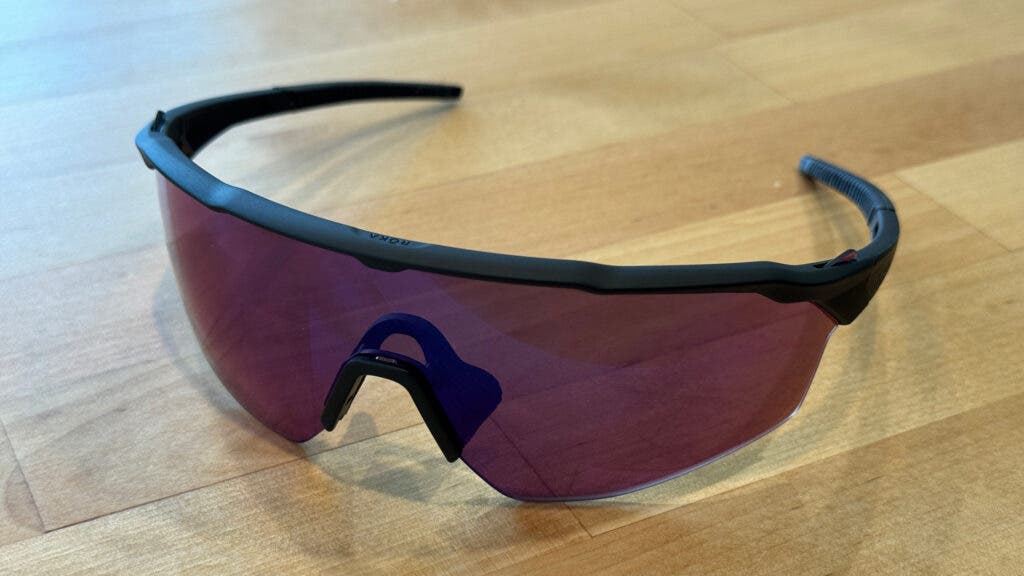
Best Running Sunglasses: ROKA SR-1x
For endurance runners and road cyclists seeking uncompromising retention and optical fidelity, the ROKA SR-1x emerged as the premier choice. Utilizing a semi-rimless shield configuration, the model maximizes the uninhibited field of view necessary for fast-paced navigation. ROKA integrated its proprietary C3 (Color, Contrast, and Clarity) Optics, which excel at managing rapid transitions between harsh direct sunlight and deep, dappled forest shade.
Retention is managed via a gecko-inspired multi-directional rubber grip pattern integrated into the nose pads and temple tips. To ensure a customized fit, the SR-1x ships with four distinct sizes of interchangeable nose and temple pads. While testers with wider facial structures noted occasional temple pressure during extended efforts, medium-to-narrow faces experienced a locked-in, bounce-free fit. Road cyclists hitting velocities exceeding 50 miles per hour on mountain passes noted minor airflow infiltration at the base of the lens, confirming the model’s ideal optimization for running rather than high-speed motor or road cycling.
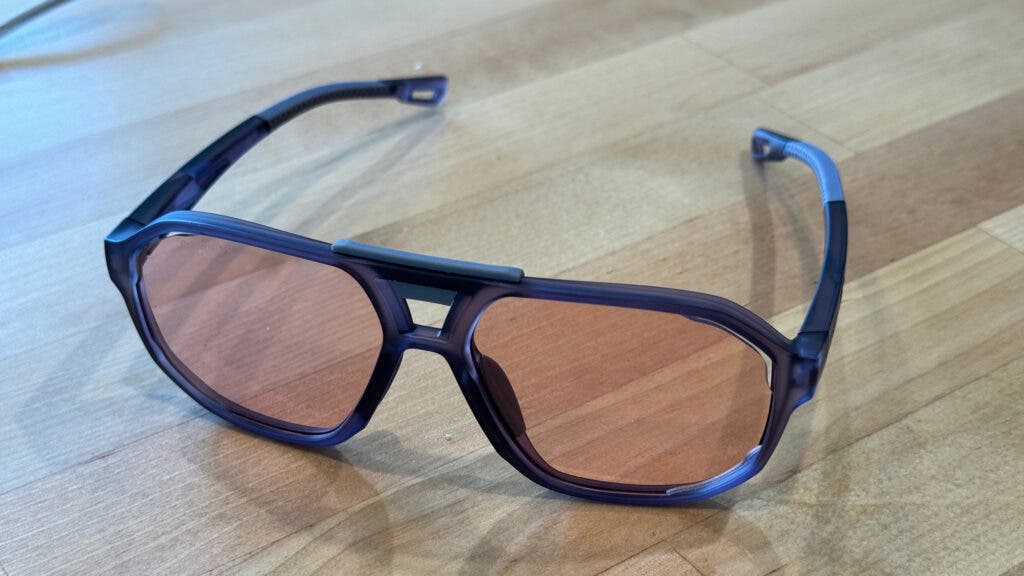
Most Versatile: Smith Truss
Breaking away from the ubiquitous monolithic shield designs dominating contemporary sports eyewear, the Smith Truss introduces a geometric aviator silhouette infused with high-performance technical properties. Designed for seamless transitions from alpine trails to urban environments, the Truss incorporates bio-based frames capable of flexing under heavy loads and returning to their original geometry.
Performance is anchored by light-sensitive photochromic lenses—specifically the ChromaPop Low Light Rose configuration—which rapidly adapt to fluctuating ambient light conditions. While aggressive cyclists noted that aviator frames lack the extreme peripheral wind-blocking capability of dedicated full-coverage shields, users moving at speeds under 40 miles per hour praised the balance of lifestyle aesthetics and functional wind resistance.
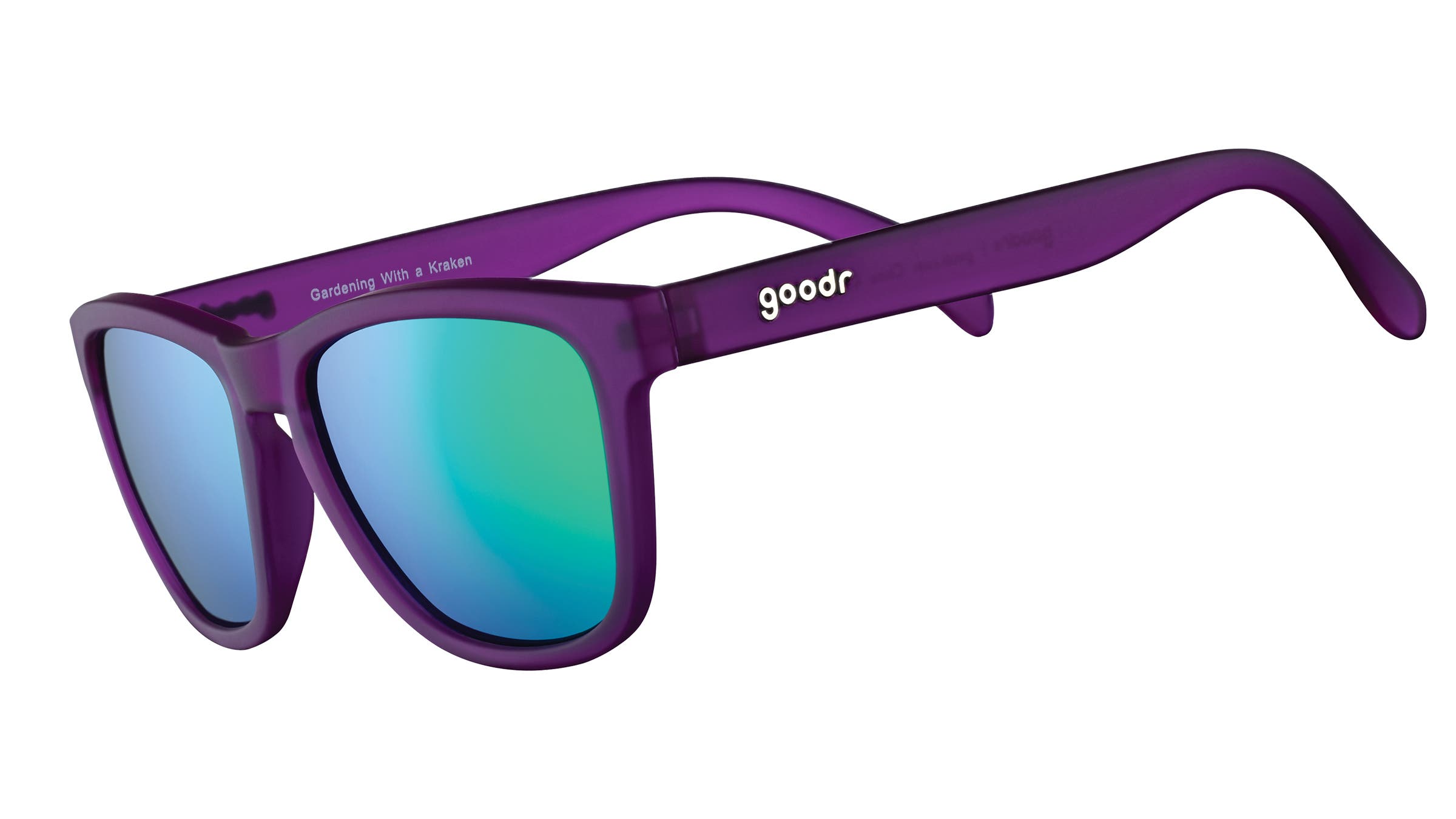
Best Value: Goodr OG
Retaining its crown as the industry benchmark for economic accessibility, the Goodr OG continues to dominate the recreational market. Priced at an accessible $30, the model features a classic square frame available in more than 13 distinct colorways. Despite the low price point, testers confirmed that the lightweight frame remains remarkably stable during high-impact running pursuits, with multiple users logging marathon distances without discomfort.
Analysis of long-term use indicates certain compromises: the standard lenses require frequent cleaning and are susceptible to surface scratching. Furthermore, the tinting optimization can mildly alter depth perception in shaded environments. Nevertheless, for casual athletes and individuals prone to misplacing eyewear, the Goodr OG represents an unmatched performance-to-cost ratio.
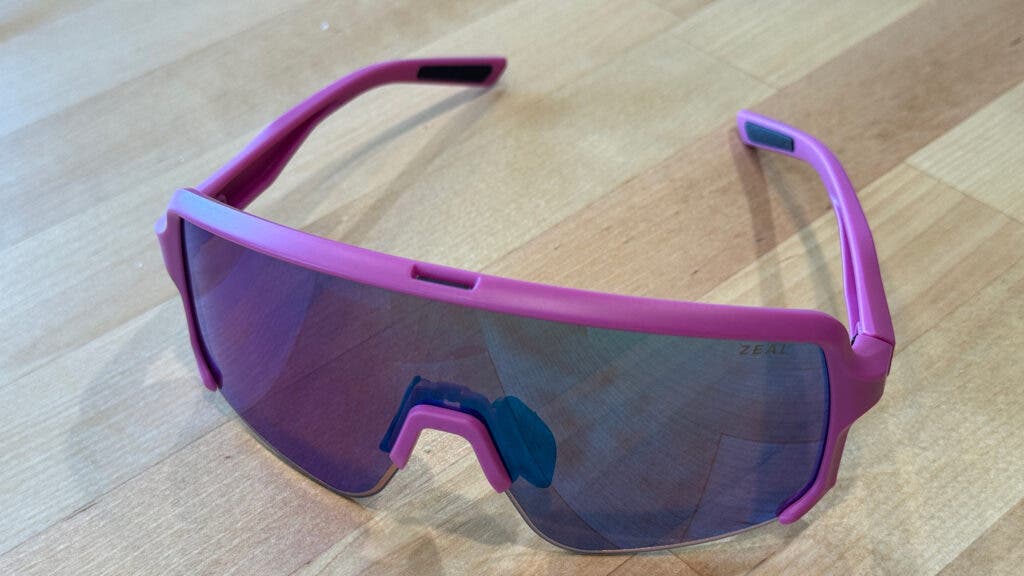
Best Oversized: Zeal Centennial
When standard shields prove insufficient against blinding alpine glare and severe weather, the Zeal Centennial delivers goggle-level protection within a sunglasses chassis. Featuring Optimum Polarized lenses derived from the brand’s snow-sport division, the Centennial effectively eliminates surface glare across high-exposure environments such as glaciers and open bodies of water.
The frames are constructed using Z-resin, a plant-based polymer that maintains high structural resilience across wide temperature swings. Adjustable nose and temple pads allow for fine-tuned retention on medium-to-large faces. The primary limitation cited by evaluators is the fixed-lens architecture, which prevents the integration of clear lenses for low-light or nocturnal operations. Additionally, the oversized brow line occasionally interfaces negatively with the brims of low-profile hats.
Best Watersports Sunglasses: Bajío Palehorse
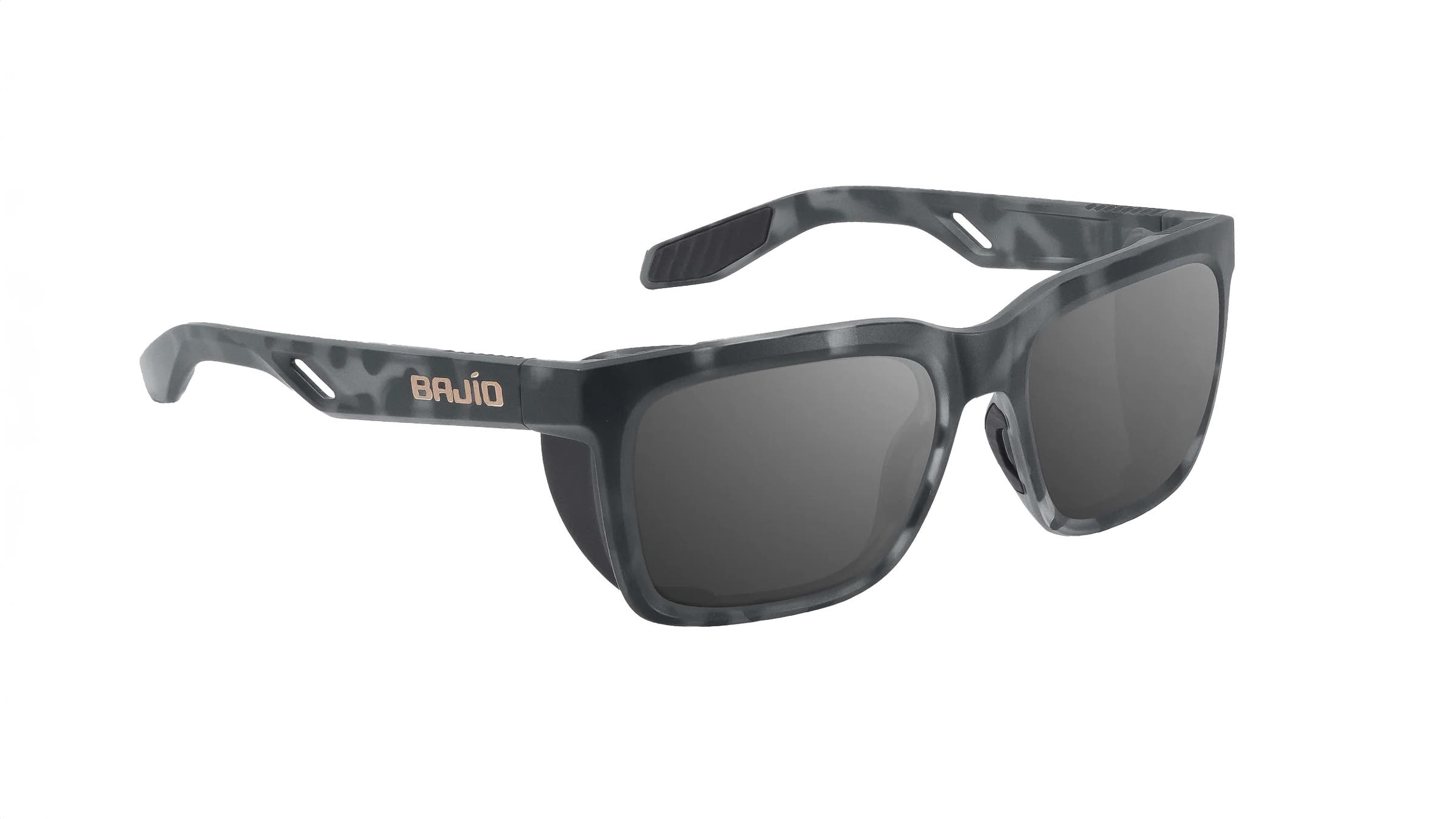
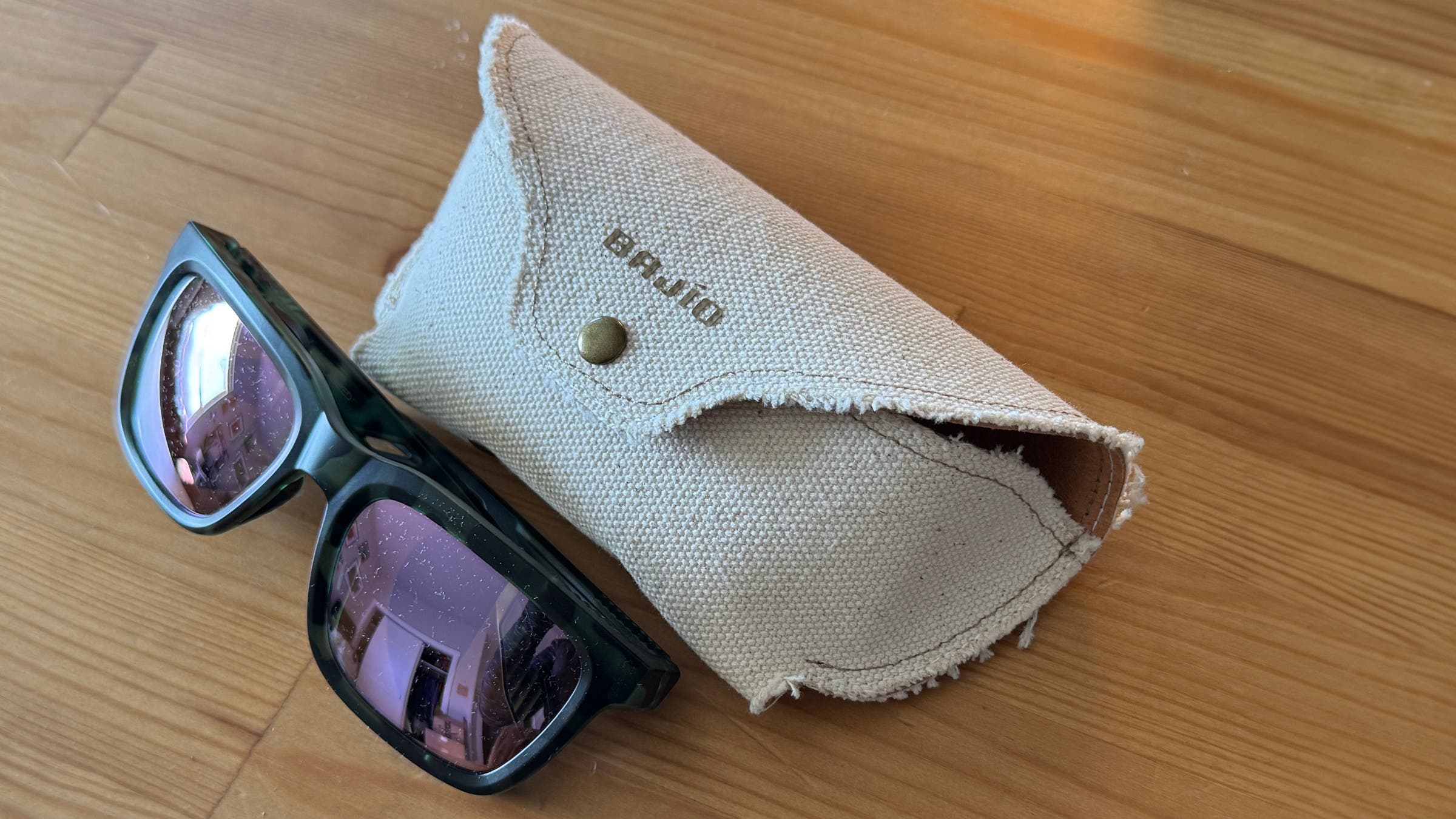
Engineered specifically for aquatic environments, the Bajío Palehorse addresses the unique optical challenges of glare management on open water. Equipped with removable side shields, the frames offer peripheral light blocking without forcing the wearer into an overly aggressive aesthetic.
The proprietary LAPIS lens technology blocks approximately 95 percent of blue light, effectively reducing atmospheric haze and enhancing contrast to mitigate eye strain. Built from durable, bio-based polymers with recessed, high-friction nose pads, the Palehorse models secure firmly even during turbulent river descents. While prescription lens integration is available, the associated costs are high, and the large frame geometry is less suited for smaller facial structures.
Most Fun and Functional: Smith Slider Series
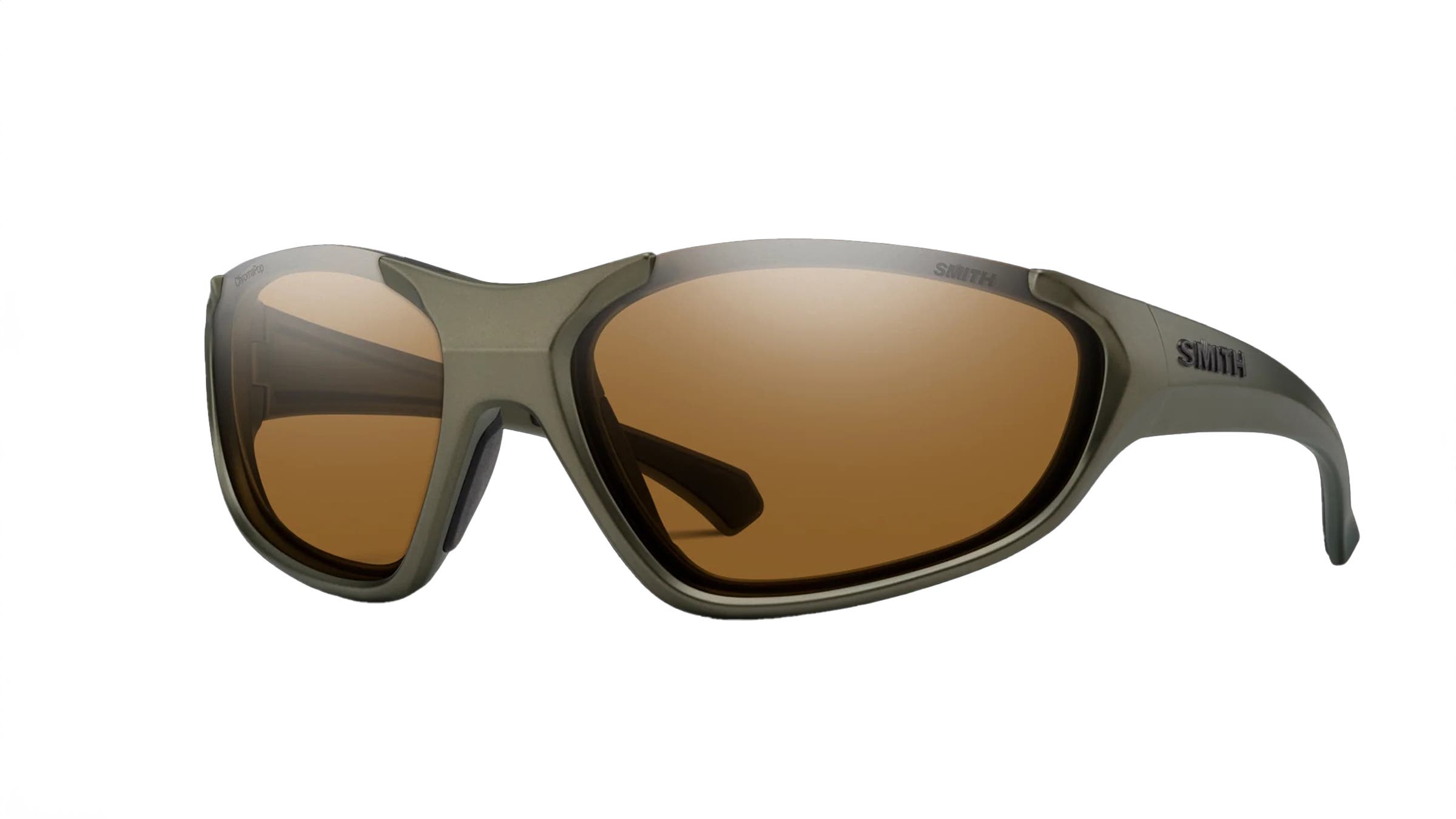
Celebrating six decades of optical innovation, Smith relaunched its historic Slider Series, honoring the 1995 debut of the market’s first patented dual-lens interchangeable system. The wraparound frames bridge the gap between retro 1990s styling and modern technical utility, shipping with three distinct sets of easily swappable lenses.
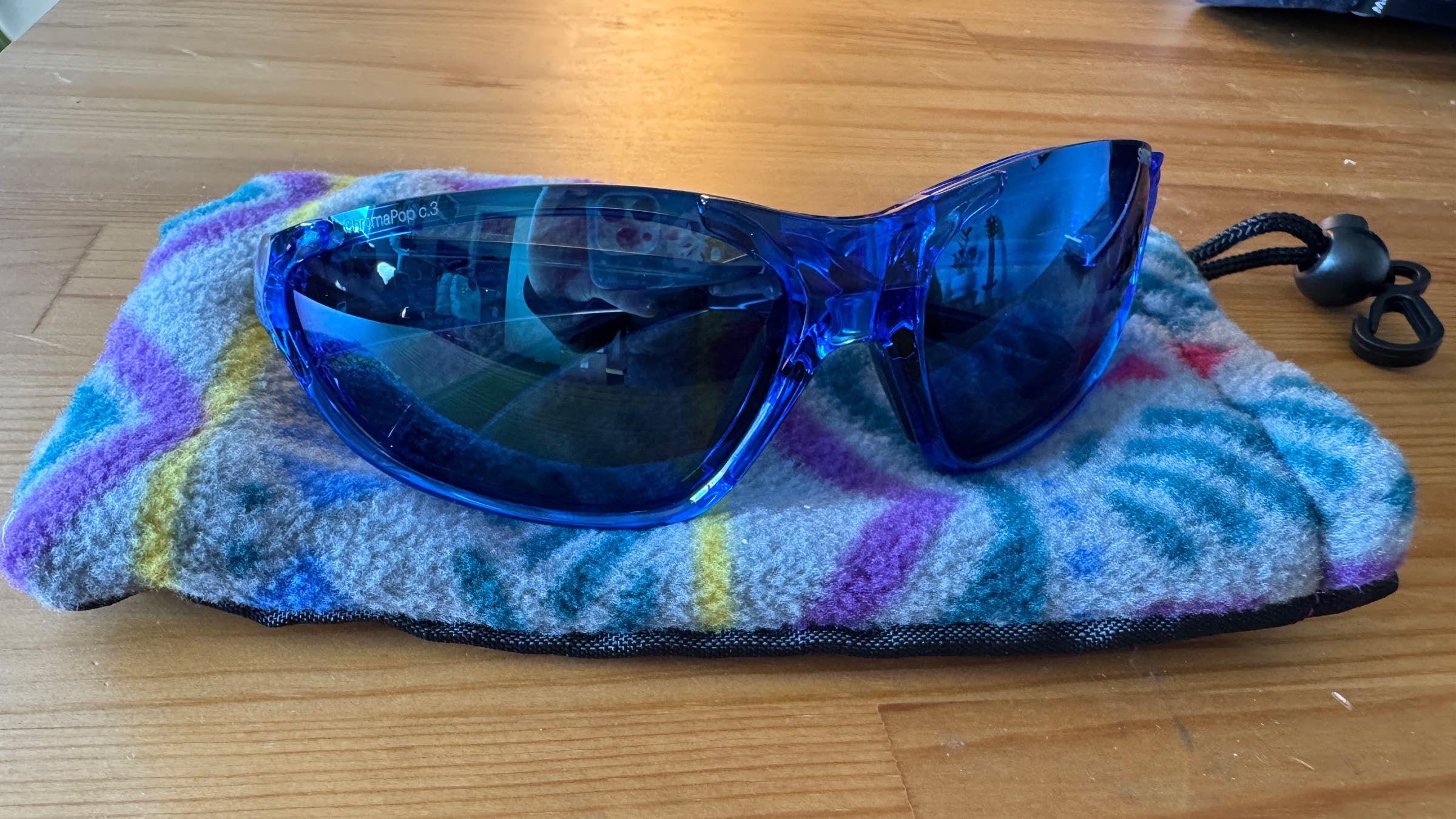
Field testers noted that the high-coverage design provides exceptional wind and debris protection during rapid descents, while the secure grip pads maintain placement during high-output activities. Although the bold aesthetic profile remains subjective, the functional performance during mixed-weather ski tours and trail runs validated its inclusion among top-tier gear.
Best Casual Shades: Vallon Howlin’
Challenging traditional perceptions of aviator eyewear in technical spaces, the Vallon Howlin’ combines timeless aesthetics with advanced V5 nylon polyamide lens technology. Evaluated across desert camping excursions and casual alpine hikes, the glasses delivered exceptional optical clarity in both full sun and shadowed canyons.
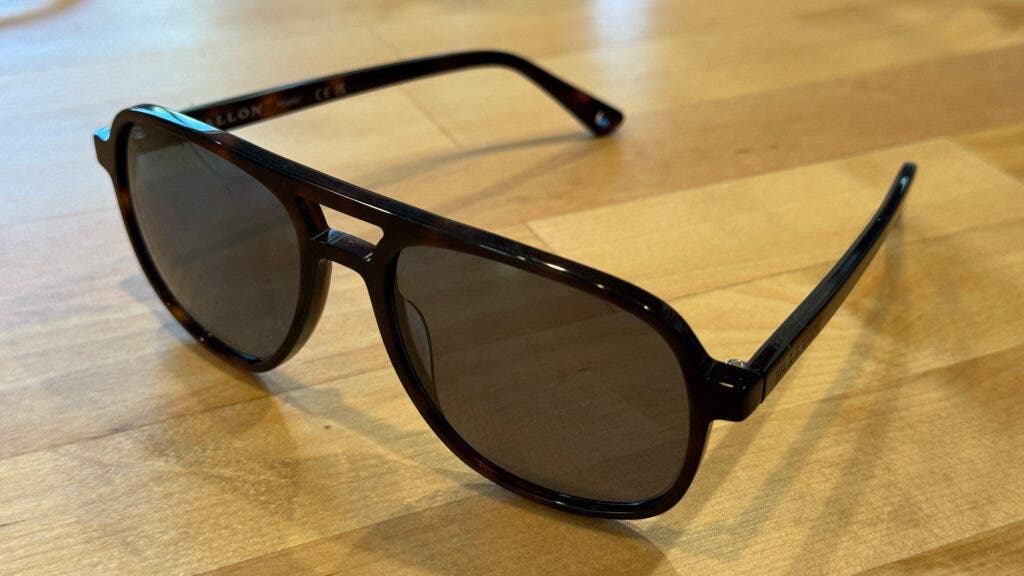
The smooth, rubber-free arms facilitate effortless placement atop the head when transitioning indoors or into deep shade. However, the absence of high-friction nose or temple pads compromises security during high-bounce activities. To mitigate this, Vallon includes a retention strap that secures to the arm terminals, rendering the glasses viable for moderate water and trail use.
Best Lightweight: Scott Stride
Weighing a mere 27 grams, the Scott Stride is engineered explicitly for the fast-and-light alpine community, including ski mountaineers, endurance runners, and backpackers. The model utilizes a frameless toric lens—curved similarly to the edge of a donut—which expands peripheral vision without introducing the optical distortion common in spherical lenses.
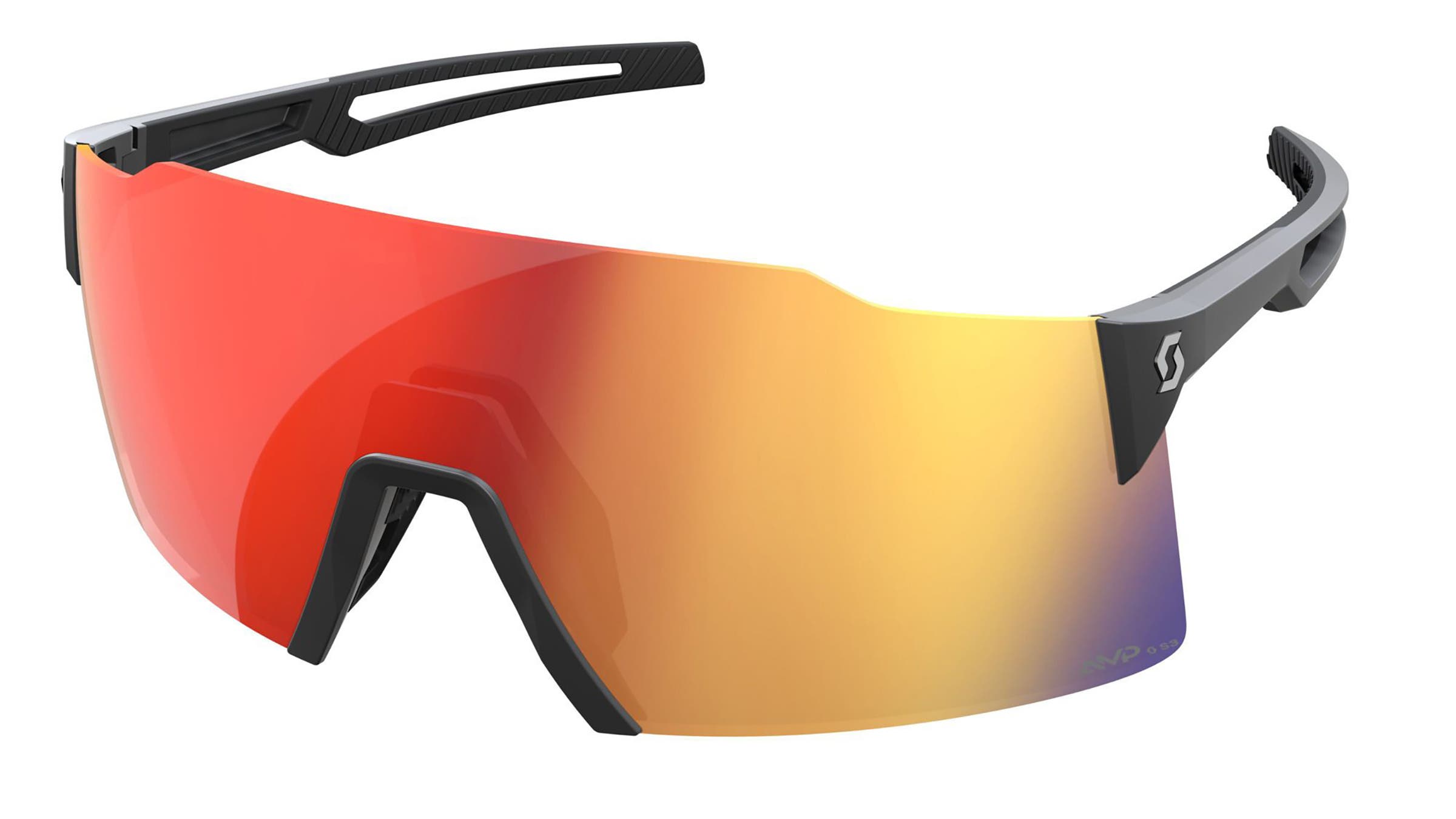
The pliable temple arms integrate seamlessly under climbing and cycling helmets. The Stride ships with dual lens options, including a high-contrast red chrome designed to parse intense high-altitude radiation. While functionally superior for bright conditions, the heavy red tint alters natural color perception significantly, prompting preference for the neutral white lens variant during everyday use.
Best Full Coverage: POC Devour Glacial
Bridging the gap between traditional sunglasses and full-face snow goggles, the POC Devour Glacial is built for extreme alpine environments and backcountry ski touring. Featuring removable side shields, interchangeable lenses, and advanced color-enhancement tech adapted from POC’s ski goggle line, the Devour Glacial allows users to transition effortlessly from an uphill skin track to a high-speed, wind-scoured descent.
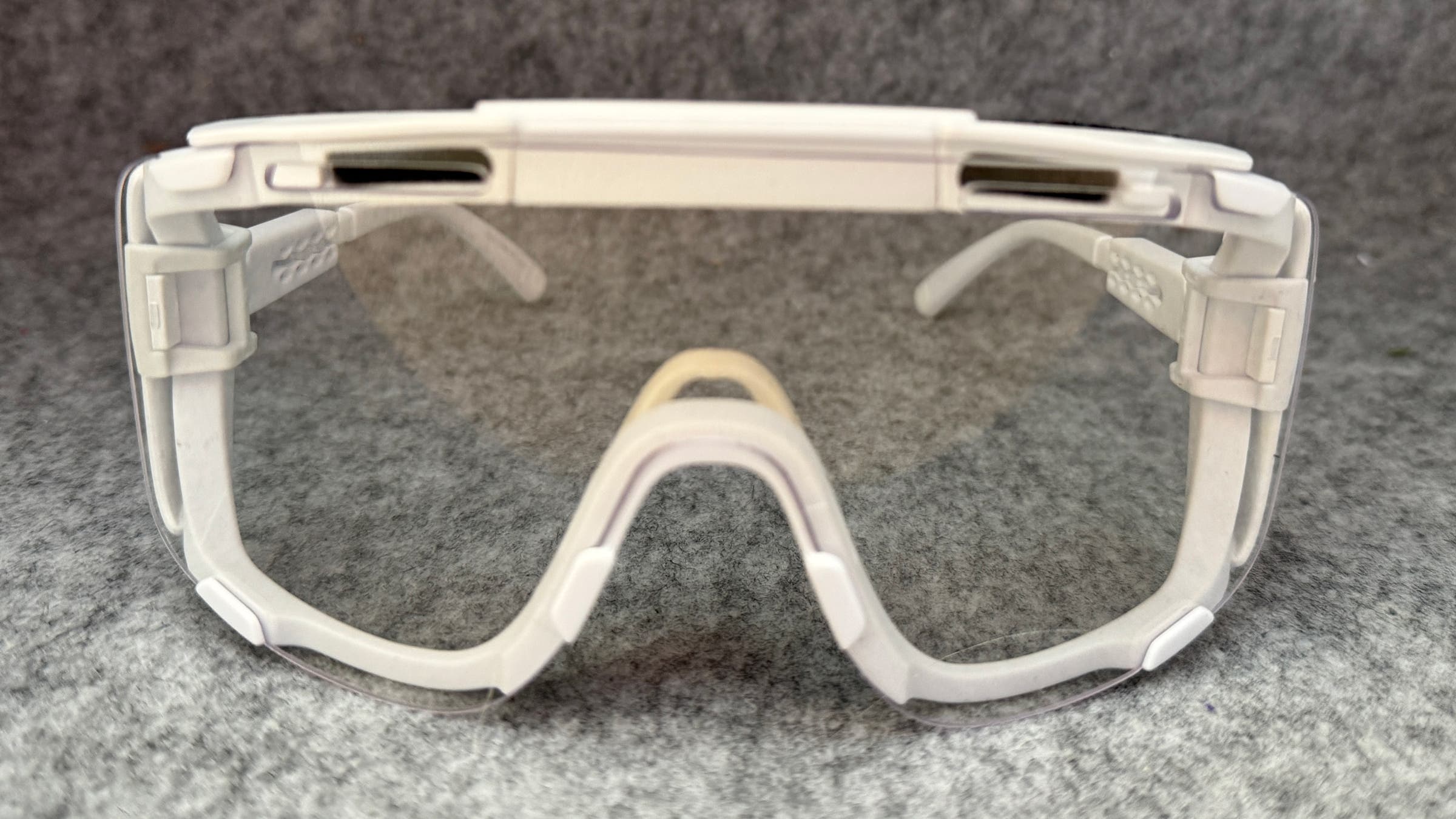
The inclusion of both a dark full-sun lens and a completely clear lens ensures functional utility in low-light blizzards or nocturnal tours. While structurally overbuilt and visually striking for casual urban environments, the model serves as an efficient two-in-one solution for technical mountain travelers aiming to minimize pack weight.
Best for Cycling: Glade Dash
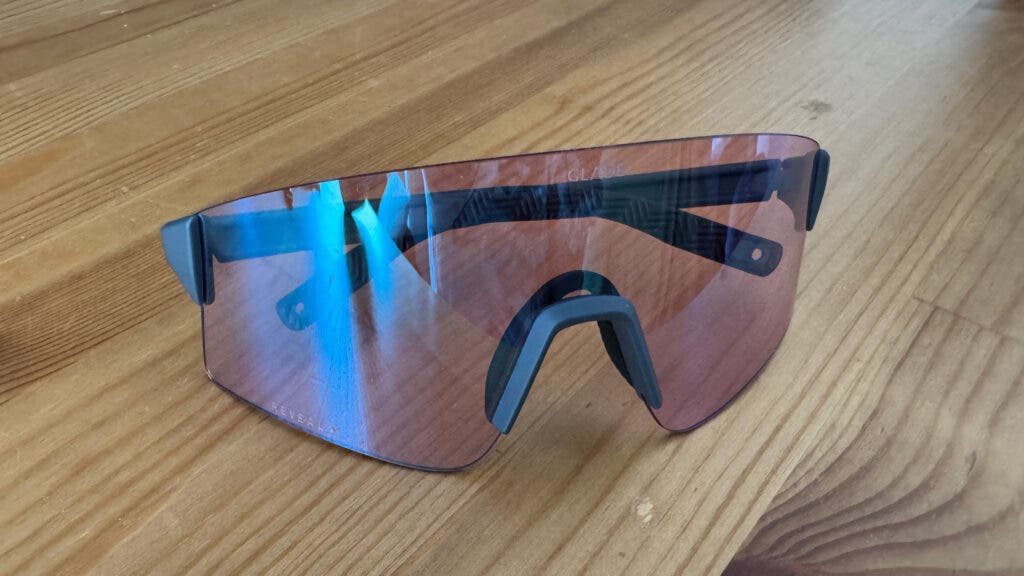
Designed to withstand the aerodynamic pressures of high-speed road cycling—including sustained descents exceeding 50 miles per hour—the Glade Dash utilizes a lightweight shield configuration with Reveal 4k optics. Evaluators confirmed that the frames effectively prevent airflow turbulence around the eyes during rapid road rides and technical mountain bike descents.
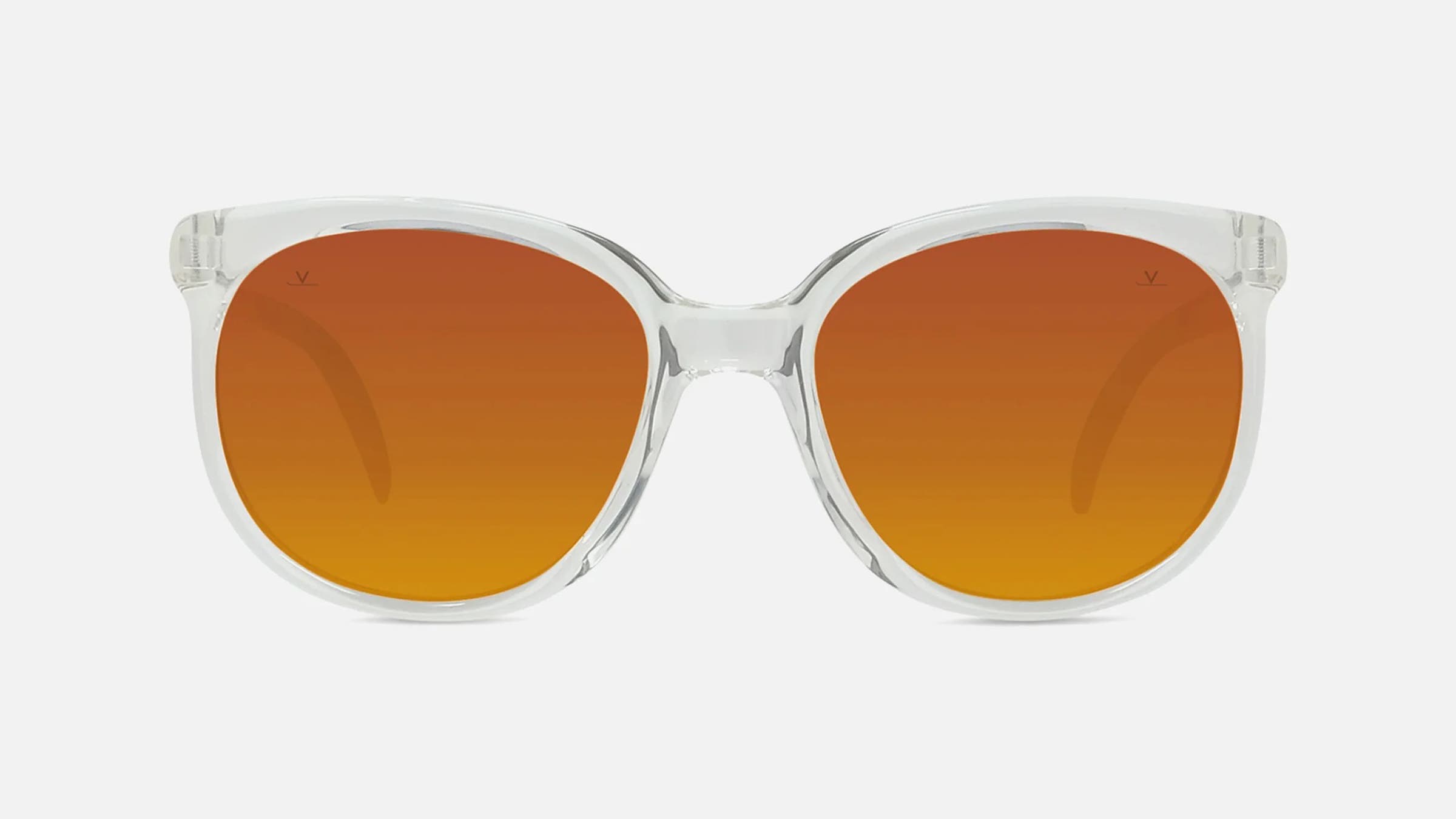
Despite high marks for stability and wide peripheral coverage, the lens-interchange system received mixed reviews. Testers found the mechanical swap process rigid and unintuitive, often requiring instructional references. Consequently, users prone to swapping lenses frequently may find the system frustrating, though the baseline optical performance remains highly competitive.
Best for Swapping Lenses: Sweet Protection Shinobi RIG
For athletes requiring rapid adaptation to changing light conditions, the Sweet Protection Shinobi RIG stands out through its simplified lens-interchange architecture and proprietary Retina Illumination Grading (RIG) lens technology. The system enhances contrast while minimizing color distortion across stormy ski tours, alpine rock climbing, and spring road rides.

Customization is further supported by three included nose pieces, allowing users to dial in precise facial integration. The primary operational drawback is physical volume: the rigid frame architecture results in a bulky profile when folded, making the glasses difficult to compact into minimalist packs or pockets.
Broader Industry Implications and Market Trends
The 2026 eyewear data highlights several overarching trends within the outdoor gear industry. First, the rapid adoption of bio-based polyamides and plant-based resins indicates a sustained manufacturer commitment to reducing petroleum dependency without sacrificing structural durability. Second, the blurring lines between lifestyle aesthetics and technical performance—exemplified by models like the Smith Truss and Vallon Howlin’—demonstrate that consumers increasingly demand versatile gear that transitions seamlessly from wilderness pursuits to daily civic life.
As optical manufacturers continue to refine adaptive photochromic technologies and proprietary contrast filters, the necessity of carrying multiple specialized lenses is steadily decreasing. However, as demonstrated by ongoing field evaluations, mechanical reliability, facial retention, and ease of maintenance remain the definitive metrics separating standard consumer accessories from elite, expedition-grade sports eyewear.



 Gabriela Annisa

 Lukman Taruna Persada Ramadan

 Tatiana Tantri Indah Sari


 Dwi Wanna
