
 Susilo Edi Turonggo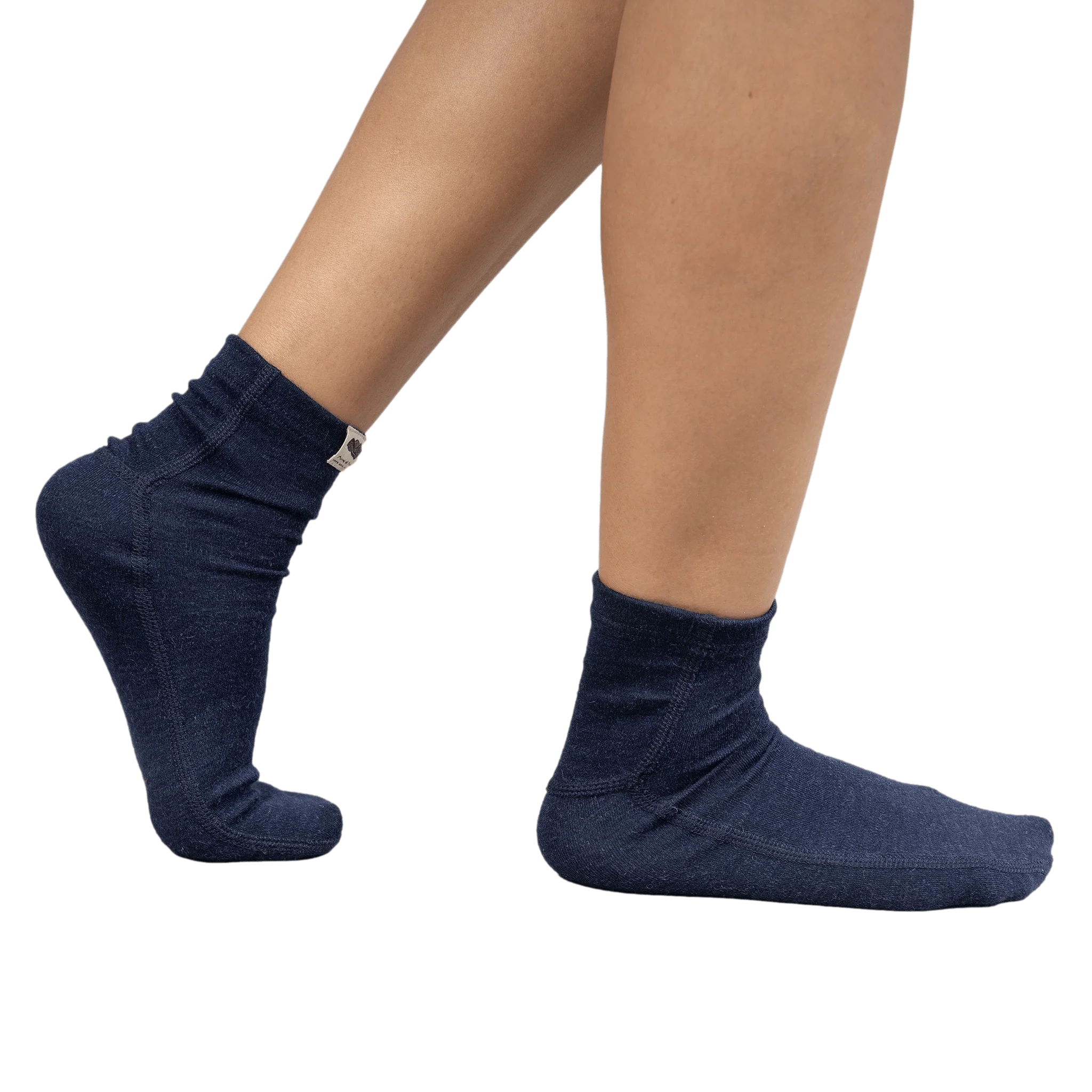
Socks, often relegated to the most overlooked corner of one’s wardrobe, wield a surprisingly significant influence over daily comfort, personal health, and environmental well-being. Far from being a mere accessory, the materials and dyes used in their production can trigger adverse skin reactions, contribute to systemic health concerns, and leave a substantial ecological footprint. A growing body of scientific evidence and consumer awareness is shedding light on the hidden dangers lurking in many conventional synthetic socks, prompting a crucial shift towards natural fibers and non-toxic dyeing processes. This article delves into the critical reasons behind this paradigm shift, exploring the health risks, environmental impacts, and the burgeoning market of responsibly produced, skin-safe hosiery.
The Silent Threat: Chemicals in Conventional Socks
The seemingly innocuous act of pulling on a pair of colorful socks can expose wearers to a cocktail of potentially harmful chemicals. A primary concern revolves around synthetic fibers, predominantly polyester, and the dyes used to imbue them with vibrant hues. Polyester, a plastic-based material derived from petroleum, is a common culprit. While offering durability and elasticity, it inherently lacks breathability, creating an ideal microclimate for bacterial growth, which contributes to unpleasant odors. More alarmingly, the synthetic dyes often employed, particularly azo-benzene disperse dyes, are known skin sensitizers. These chemicals can induce allergic reactions, contact dermatitis, and persistent itching, especially in individuals with sensitive skin.
Beyond immediate skin irritation, research indicates a more profound health risk. Studies, such as those referenced in "To Dye For" by Alden Wicker and various scientific publications, highlight that certain azo-benzene disperse dyes can be carcinogenic when absorbed through the skin. This risk is particularly elevated in socks due to their prolonged, intimate contact with the skin and the propensity for chemical migration to accelerate when feet sweat. Sweat acts as a solvent, facilitating the absorption of these substances into the body, raising concerns about long-term exposure and its potential health ramifications. The presence of other hazardous substances, including heavy metals used as mordants in dyeing and finishing agents like formaldehyde for wrinkle resistance, further compounds the chemical load on textiles.
Environmental Repercussions of Synthetic Hosiery Production
The environmental cost of conventional sock manufacturing extends beyond chemical runoff. The production of synthetic fibers like polyester is energy-intensive and reliant on finite fossil fuels, contributing significantly to greenhouse gas emissions. Furthermore, synthetic socks contribute to the global microplastic pollution crisis. Each wash cycle releases thousands of microscopic plastic fibers into waterways, which eventually make their way into oceans, harming marine life and entering the food chain. These microplastics are virtually indestructible and accumulate in ecosystems, posing a long-term threat to biodiversity and human health.
Traditional dyeing processes are also notorious polluters. They often consume vast quantities of water and discharge untreated effluent laden with toxic chemicals, heavy metals, and dye residues into rivers and lakes. This contamination devastates aquatic ecosystems, compromises drinking water sources, and impacts the health of communities residing near textile manufacturing hubs. The global textile industry is one of the largest industrial polluters of clean water, and the choices made in garment production, including socks, play a direct role in this environmental burden.
The Emergence of a Conscientious Market: Pillars of Non-Toxic Sock Production
In response to these escalating concerns, a growing segment of the textile industry is pivoting towards more sustainable and health-conscious practices. The market for non-toxic socks is characterized by several key principles:
1. Natural Materials: The Foundation of Foot Health
The cornerstone of non-toxic socks lies in the exclusive use of natural fibers. Materials such as organic cotton, merino wool, alpaca wool, Tencel (lyocell), linen, and bamboo viscose offer superior breathability, moisture-wicking properties, and inherent odor resistance, reducing the need for chemical treatments. For individuals with extreme sensitivities or skin conditions like eczema, 100% natural fiber socks are paramount. While a small percentage of elastane (spandex) is often incorporated for stretch and durability in most commercial socks, brands like Cottonique and Arms of Andes have successfully innovated to create completely synthetic-free options, a rare and commendable achievement.
- Merino and Alpaca Wool: These luxurious natural fibers are celebrated for their exceptional thermoregulating properties, keeping feet warm in winter and cool in summer. They are naturally antimicrobial, meaning they resist odor-causing bacteria, and are highly moisture-wicking, pulling sweat away from the skin to prevent discomfort and fungal growth. The Responsible Wool Standard (RWS) certification ensures that the wool is sourced from sheep that have been treated ethically, prohibiting practices such as mulesing, a painful procedure.
- Organic Cotton: Grown without synthetic pesticides, herbicides, or genetically modified organisms, organic cotton is a soft, breathable, and hypoallergenic choice. Certifications like the Global Organic Textile Standard (GOTS) ensure that the entire supply chain, from farming to manufacturing, adheres to strict organic and social criteria.
- Tencel (Lyocell): A sustainable cellulosic fiber derived from sustainably sourced wood pulp, Tencel is known for its exceptional softness, strength, and ability to absorb moisture. Its closed-loop production process minimizes water and chemical use.
- Linen: Derived from the flax plant, linen is incredibly durable, breathable, and moisture-wicking. It is also naturally hypoallergenic and becomes softer with each wash.
- Bamboo Viscose: While the processing of bamboo into viscose can be chemical-intensive, certified organic bamboo viscose utilizes more environmentally sound methods. It offers a silky feel, excellent breathability, and natural antibacterial properties.
- Recycled Synthetics (with caution): For those not sensitive to synthetics, blends incorporating recycled nylon or polyester can offer a more sustainable option by diverting waste from landfills. However, the preference remains for majority natural fibers to minimize microplastic shedding and maximize breathability.
2. Non-Toxic Dyes & Finishes: Prioritizing Skin Safety
The choice of dyes and finishes is as critical as the fiber itself. A significant shift in the industry involves moving away from hazardous chemicals towards skin-safe alternatives. Many brands offer undyed socks, celebrating the natural hues of the fibers, which is the purest form of non-toxic hosiery. For dyed options, consumers are encouraged to look for certifications from internationally recognized bodies:
- Oeko-Tex Standard 100: This certification ensures that every component of a textile product, from thread to buttons, has been tested for harmful substances and is therefore harmless for human health. It covers a broad range of chemicals, including azo dyes, heavy metals, and formaldehyde.
- bluesign®: The bluesign® standard takes a holistic approach, aiming to eliminate harmful substances from the very beginning of the manufacturing process. It covers chemical inputs, water and energy consumption, and occupational health and safety.
- Restricted Substances Lists (RSLs): Brands committed to chemical management often publish their RSLs, outlining the specific chemicals they prohibit or limit in their production processes. This demonstrates a proactive approach to chemical safety.
3. Traceable & Ethical Supply Chains: Beyond the Fabric
The commitment to non-toxic production extends beyond materials and dyes to the very hands that craft the socks. Ethical manufacturing practices ensure fair wages, safe working conditions, and respect for human rights throughout the supply chain. Transparency is key; brands that openly share the locations of their manufacturing partners and suppliers enable consumers to make informed choices. Certifications that attest to ethical production include:
- Fair Trade: Ensures fair prices, safe working conditions, and community development for farmers and factory workers in developing countries.
- WRAP (Worldwide Responsible Accredited Production): A non-profit organization dedicated to promoting safe, lawful, humane, and ethical manufacturing around the world through certification and education.
- B Corp Certification: Awarded to companies that meet rigorous standards of social and environmental performance, accountability, and transparency.
4. Sustainable Packaging: Reducing Environmental Footprint
Even small items like socks can contribute to waste if packaged improperly. Forward-thinking brands prioritize sustainable packaging solutions to minimize their environmental footprint. This includes using:
- Compostable or Biodegradable Packaging: Materials that break down naturally, returning nutrients to the earth.
- Recycled and Recyclable Materials: Utilizing post-consumer waste and designing packaging that can be easily recycled after use.
- FSC (Forest Stewardship Council) Certification: Ensures that paper and cardboard packaging are sourced from responsibly managed forests.
Leading the Charge: Brands Championing Non-Toxic Socks
The market now offers a diverse array of brands dedicated to producing non-toxic socks, catering to various needs, from extreme skin sensitivities to everyday comfort with a conscious twist. Here’s a closer look at some notable players:
-
Harvest & Mill: A leader in localized, transparent production, Harvest & Mill crafts dye-free organic cotton socks in natural colors. Their unique "farm-to-foot" model means cotton is grown, spun, and knit entirely in the U.S., significantly shortening the supply chain and supporting domestic agriculture. This commitment to local production not only reduces carbon emissions but also provides greater oversight of ethical practices. Their dedication extends to waste reduction, repurposing or recycling all fabric scraps, and using compostable packaging, embodying a truly circular approach. Reviewers consistently praise their dye-free socks for being super cozy, breathable, and gentle on sensitive skin, particularly noting the comfortable, non-constricting cuffs.
-
Subset (formerly Knickey): This Brooklyn-based brand distinguishes itself by being PFAS-free, a crucial consideration given the potential health risks of these "forever chemicals" often used in textile finishes. Subset’s Fair Trade and Oeko-Tex-certified organic cotton socks are produced with a fully integrated supply chain in India, from organic farming to ginning, spinning, dyeing, and sewing. While some of their socks contain up to 24% synthetics, their commitment to organic materials and rigorous certifications mitigates many concerns. Their thinner profile makes them ideal for tighter-fitting shoes or dressier occasions, offering a sleek, comfortable fit without skin irritation from embedded elastic.
-
Paka: A certified B Corp, Paka specializes in durable, lightweight socks primarily made from alpaca wool and Tencel. Alpaca wool’s natural moisture-wicking and odor-resistant properties, combined with Oeko-Tex-certified dyes, ensure both performance and safety. Paka’s commitment to ethical sourcing is evident in its collaboration with Peruvian artisans who spin the wool, supporting traditional craftsmanship and local economies. Their use of biodegradable and compostable packaging further aligns with their environmental ethos. Reviewers often highlight the exceptional warmth and thickness of Paka socks, making them a favorite for cold weather and outdoor activities, despite a minor initial itchiness inherent to the physical nature of alpaca fibers. Some blends contain up to 50% recycled synthetics, which is a consideration for those seeking purely natural fibers.
-
Arms of Andes: A rare gem in the market, Arms of Andes offers 100% synthetic-free alpaca fiber slipper socks. Sourced from free-range alpacas, their Oeko-Tex-certified socks are lightweight yet incredibly insulating, soft, and moisture-wicking. The brand’s close collaboration with co-op farmers in the Andes ensures ethical practices from fiber sourcing to garment sewing. Their dedication to compostable packaging underscores their holistic approach to sustainability. Their pure alpaca composition makes them an excellent choice for those with extreme sensitivities to even small amounts of synthetics.
-
Cottonique: Specializing in allergy-free apparel, Cottonique is another brand offering completely synthetic-free socks made from 100% organic cotton. Their products are meticulously designed to be Latex-free, bleach-free, and hypoallergenic, featuring covered seams to prevent rubbing—a critical detail for highly sensitive skin. Cottonique works directly with dermatologists to ensure their products meet the highest standards for skin safety. Sourcing organic cotton from India and manufacturing in the Philippines, they maintain a transparent and responsible supply chain, complemented by compostable packaging.
-
Boody: Hailing from Sydney, Boody provides a range of socks varying in thickness, suitable for diverse activities. They utilize Oeko-Tex-certified organic bamboo viscose from India, blended with organic cotton and recycled nylon. Boody’s commitment to ethical production is evidenced by their code of conduct and partnerships with WRAP-certified facilities in China, Vietnam, and India, ensuring fair labor practices. Their use of bamboo viscose offers a silky, soft feel with natural breathability.
-
Kotn: As a certified B Corp, Kotn builds direct, lasting relationships with Egyptian cotton farmers, ensuring fair prices and a traceable supply chain. Their socks, made with organic cotton and Oeko-Tex-certified dyes, reflect a commitment to both quality and ethics. The brand’s use of recycled and recyclable packaging further solidifies its sustainable credentials. While some pairs contain up to 20% synthetics, their overall approach to sourcing and production is highly commendable, offering a professional and comfortable option.
-
Quinn: Designed specifically for individuals with eczema, Quinn’s organic cotton non-toxic socks come in dye-free, lightweight, and mid-weight options. Designed in Canada and ethically produced in Oeko-Tex-certified factories in Portugal and Sri Lanka, they prioritize skin health and durability. While their cotton is GOTS-certified, further transparency regarding its source could enhance consumer trust. Reviewers highlight the comfort and breathability of both their undyed cotton and merino wool options, with the merino wool socks offering excellent warmth for hiking or lounging. Some blends include up to 20% synthetics.
-
Cariloha: This certified B Corp offers hypoallergenic socks crafted from bamboo viscose and organic cotton. Their Oeko-Tex and Fair Trade-certified bamboo is sourced from China, and they utilize FSC-certified paper packaging, demonstrating a multi-faceted approach to sustainability. While the manufacturing location is not explicitly stated, their certifications provide a strong assurance of responsible practices.
-
Dedicated: Known for its bold patterns, Dedicated produces Fair Trade organic cotton socks. The brand ensures ethical production by partnering with WRAP-certified cotton suppliers and providing detailed information on where each pair was made on their product pages, fostering transparency. While their socks contain up to 25% elastane, their commitment to organic cotton and Fair Trade principles offers a vibrant, responsible choice.
-
Darn Tough: Manufactured in Vermont, USA, Darn Tough socks are renowned for their comfort, durability, and a lifetime guarantee, aligning with sustainable principles of longevity. They utilize RWS-certified merino wool in a variety of colorful styles, employing Oeko-Tex-certified materials and adhering to a strict restricted substances list. Their packaging incorporates FSC-certified recycled paper, compostable bags, and vegetable-based inks. Despite containing up to 50% synthetics, their focus on durability significantly reduces the need for frequent replacement, an important aspect of sustainable consumption.
-
Nisolo: A certified B Corp recognized for its quality leather shoes, Nisolo also offers a charming line of socks. These are crafted in a family-owned mill in North Carolina using upcycled cotton, linen, wool, and recycled polyester. Nisolo is deeply committed to supply chain traceability and ensuring living wages for all workers, reflecting a strong social responsibility. Their packaging is made with recycled materials. While some socks contain up to 70% synthetics, their use of upcycled materials and dedication to ethical labor practices position them as a thoughtful choice within the sustainable fashion movement.
-
Swedish Stockings: This brand specializes in knee-highs and ankle socks, offering classic, supportive, colorful, and patterned options. Their products are made in Italy using Oeko-Tex-certified materials, including bamboo viscose, organic cotton, organic wool, recycled polyester, and virgin and recycled elastane. While some socks are fully synthetic, their conscious use of recycled materials, particularly for elastane, and Oeko-Tex certification highlight a commitment to reducing environmental impact and chemical exposure.
The Broader Implications and Future Outlook
The shift towards non-toxic and ethically produced socks is indicative of a broader transformation within the textile industry. Consumers are increasingly demanding transparency, safety, and sustainability from brands, forcing manufacturers to re-evaluate their entire supply chains. This trend is not merely about individual comfort; it represents a collective step towards mitigating the pervasive health risks associated with chemical exposure from everyday items and addressing the severe environmental degradation caused by conventional manufacturing practices.
As regulatory bodies worldwide begin to impose stricter controls on chemical use in textiles, and as consumer awareness continues to grow, the market for non-toxic and sustainable apparel is projected to expand significantly. Innovations in bio-based dyes, closed-loop manufacturing systems, and advanced recycling technologies will further propel this movement. For consumers, choosing non-toxic socks is a simple yet powerful act of self-care and environmental stewardship, demonstrating that even the smallest items in our wardrobe can make a substantial difference. This conscious choice contributes to a healthier planet and a safer future for all.


 Anjar Salim
 Chandra Hamzah
 Tatiana Tantri Indah Sari
 Budi Mulyono
 Lukman Taruna Persada Ramadan
