
 Susilo Edi Turonggo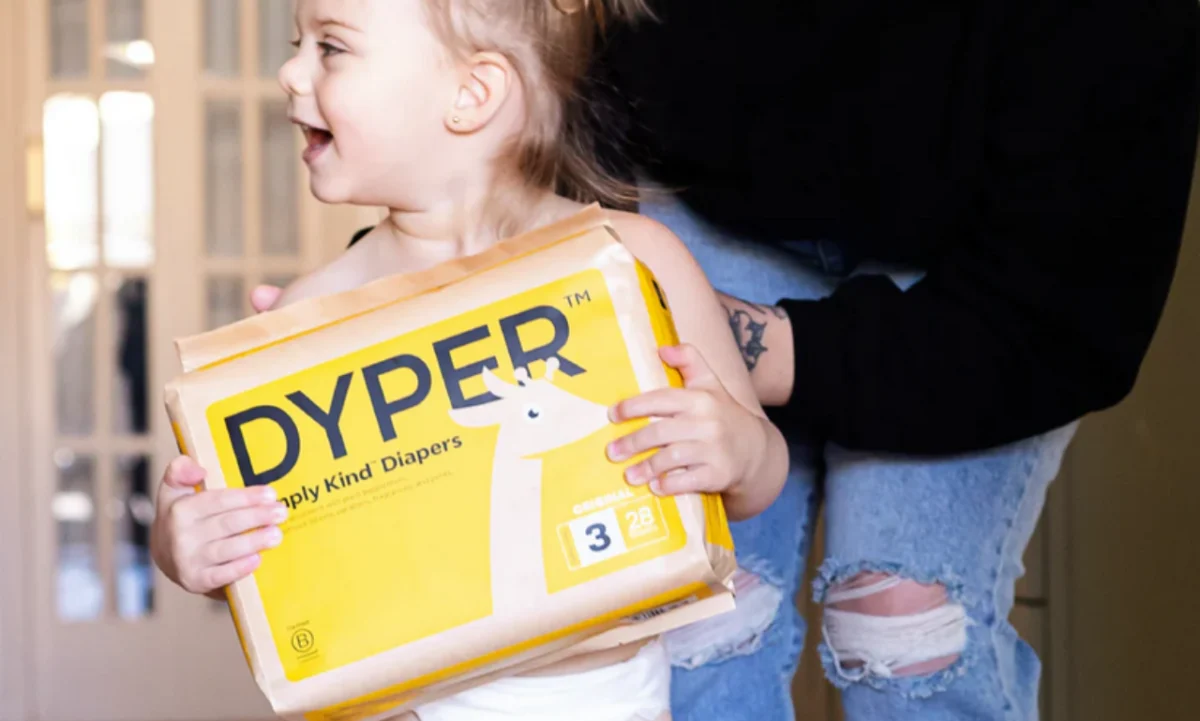
The reality of modern parenting often clashes with environmental consciousness, particularly concerning the sheer volume of waste generated by infants. There is no easy way to quantify the environmental footprint of a baby, but one undeniable contributor is disposable diapers. On average, a single child will utilize approximately 6,000 disposable diapers within their first two years of life, a staggering figure that translates into billions of units annually entering global waste streams. While reusable cloth diapers present an alternative, they often prove impractical or unattainable for many busy parents facing time constraints, economic pressures, or limited access to laundry facilities. This widespread reliance on conventional single-use diapers has escalated into a dual crisis: a significant environmental burden and a growing public health concern.
The Global Diaper Dilemma: A Waste and Health Crisis
The scale of disposable diaper waste is monumental. In the United States alone, industry estimates suggest that over 20 billion disposable diapers are discarded each year. These items constitute a substantial portion of municipal solid waste, contributing significantly to landfill volume. Composed predominantly of plastics, super-absorbent polymers, and wood pulp, traditional disposable diapers are notoriously slow to decompose, with estimates ranging from 250 to 500 years for a single diaper to break down. This longevity in landfills not only consumes valuable land but also contributes to plastic pollution, releasing microplastics into the environment as they slowly degrade. The manufacturing process itself is resource-intensive, requiring vast quantities of petroleum-based plastics and processed wood pulp, along with the energy and water consumption inherent in production.
Beyond the visible problem of waste, conventional disposable diapers harbor a less apparent but equally insidious threat: their chemical composition. Many commonly available single-use diapers contain a cocktail of synthetic materials and chemical additives that raise significant health alarms. These often include phthalates, used to make plastics more flexible; volatile organic compounds (VOCs) such as toluene, xylene, and ethylbenzene, which can be released as gases; chlorine for bleaching wood pulp, which can produce dioxins; and artificial fragrances, which often contain hundreds of undisclosed chemicals.
Medical research and environmental advocacy groups have linked exposure to these components to a range of adverse health outcomes. Phthalates, for instance, are known endocrine disruptors, meaning they can interfere with hormonal systems, potentially leading to reproductive disorders, developmental issues, and even certain cancers. Dioxins, a byproduct of chlorine bleaching, are highly toxic environmental pollutants and known carcinogens. Acute skin rashes and irritation, frequently observed in infants, are often attributed to the synthetic materials, dyes, and fragrances present in conventional diapers. Alarmingly, some studies have even explored potential links between early exposure to certain chemicals in diapers and long-term health issues such as testicular cancer later in life.
A critical aspect exacerbating these health risks is the glaring regulatory vacuum surrounding diaper manufacturing. Unlike many consumer products, baby diapers in the United States are largely unregulated by agencies like the Consumer Product Safety Commission (CPSC). Current CPSC requirements for diapers are minimal, mandating testing only for lead content. This leaves a vast array of other potentially harmful chemicals—including carcinogens, endocrine-disrupting chemicals, and known allergens—untested and undisclosed. This lack of comprehensive oversight contrasts sharply with stricter regulations found in regions like the European Union, where chemical restrictions and transparency requirements are more robust, highlighting a significant gap in consumer protection for vulnerable populations like infants.
From Personal Observation to Pioneering Solution: The Genesis of Dyper
The genesis of Dyper emerged from a simple yet profound observation by its co-founder, Tony Patron. As a new father, Patron, alongside his business partner, became acutely aware of the overflowing trash bins outside their homes, predominantly filled with plastic-laden disposable diapers. This personal encounter with the scale of household diaper waste served as a catalyst, sparking a realization that a fundamental change was urgently needed in the industry.
Patron, an engineer by profession, possessed the technical acumen to approach this challenge systematically. His initial efforts involved exploring partnerships with existing companies that were venturing into compostable diaper manufacturing. This collaborative spirit eventually led to a merger, culminating in the formation of Dyper. The new entity was founded on a clear mission: to develop and provide non-toxic, high-performance, and genuinely biodegradable diapers that would significantly reduce both household waste and the broader environmental impact associated with infant care. This vision sought to reconcile the practical needs of parents with a commitment to ecological responsibility and infant well-being.
Crafting Conscious Care: Dyper’s Innovative Approach to Diaper Technology

Dyper’s core philosophy, encapsulated in its mantra "plants over plastic for happy babies," drives its product development and operational strategies. The company has invested extensively in material science and rigorous testing to ensure its diapers meet stringent standards for both environmental sustainability and infant safety.
The Power of Plants: Sustainable Sourcing and Advanced Materials
A cornerstone of Dyper’s innovation lies in its commitment to plant-based materials. The majority of the diaper’s components are derived from renewable resources, primarily US-grown FSC-certified bamboo and eucalyptus fibers. The Forest Stewardship Council (FSC) certification ensures that the wood pulp used comes from responsibly managed forests, promoting sustainable forestry practices and protecting biodiversity. The viscose bamboo used in Dyper products is sourced from an Oeko-Tex certified supplier, signifying that the materials have been tested for harmful substances and are safe for human ecological use. This dual certification provides a robust framework for ethical and environmentally sound material sourcing.
Dyper distinguishes itself through radical transparency, clearly labeling each layer of its diapers with its specific components. This level of detail empowers conscious parents to make informed decisions about the products they use on their children. The brand’s commitment to natural ingredients is further evidenced by its product certifications: Dyper diapers are Certified USDA BioPreferred 55% Product, and its wipes achieve an even higher standard as a Certified USDA BioPreferred 95% Product. The BioPreferred program, an initiative of the U.S. Department of Agriculture, promotes the increased purchase and use of biobased products, affirming Dyper’s significant reliance on renewable agricultural materials.
Rigorous Standards: Ensuring Safety and Performance
Beyond material sourcing, Dyper prioritizes the safety and performance of its products through comprehensive third-party testing. All Dyper diaper products meet Oeko-Tex standards, a global certification system for textile products that tests for harmful substances. The brand recently secured the DermaTest 5-Star Certification, a prestigious dermatological seal of approval from Germany, which guarantees that the diapers are extremely skin-friendly and will not cause any skin reactions. This certification is particularly reassuring for parents of infants with sensitive skin or those prone to diaper rash.
The product team at Dyper works diligently to ensure that the plant-based diapers perform comparably to, if not exceeding, conventional disposables in key areas. Patron emphasizes, "Our goal is to provide a diaper that performs equally to any other diaper on the market in terms of absorbency, fit, and comfort, and ensuring that we don’t have any skin irritation." This focus on performance means that parents do not have to compromise on functionality or convenience when choosing a sustainable option. The natural fibers and thoughtful design contribute to superior absorbency, leak protection, and breathability, creating a more comfortable and healthier environment for the baby’s delicate skin. By eliminating harmful chemicals such as phthalates, latex, parabens, chlorine, and artificial fragrances, Dyper proactively mitigates the risks associated with conventional diapers, promoting overall infant health.
Beyond the Bin: The REDYPER Composting Revolution
While the use of plant-based, non-toxic materials significantly reduces the environmental impact of Dyper diapers, the company’s commitment to sustainability extends even further through its innovative REDYPER™ program. This optional service represents a groundbreaking effort to close the loop on diaper waste by facilitating industrial composting of used diapers.
Deconstructing Diaper Composting: The REDYPER Process
The REDYPER program offers a unique solution for the disposal of used diapers and wipes, available via weekly or biweekly pickup services in select regions, or through a mail-back system for broader accessibility. Once collected, these used products are transported to partner composting facilities. Industrial composting is a controlled process that utilizes specific conditions—temperature, moisture, and microbial activity—to accelerate the decomposition of organic matter. Dyper’s plant-based diapers are designed to break down effectively in these specialized facilities, typically within 14 to 16 weeks, a stark contrast to the centuries required for conventional diapers in landfills.
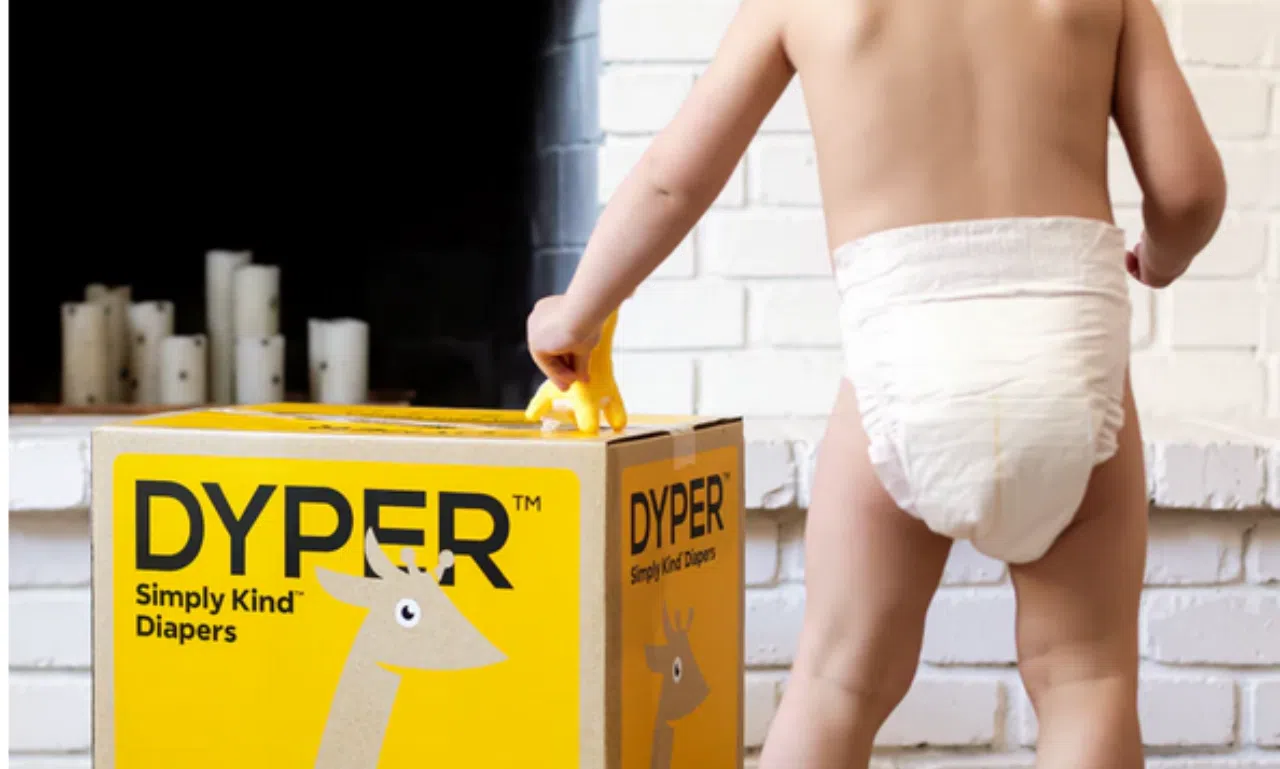
It is important to acknowledge that not all components of a modern diaper are compostable, even in Dyper’s advanced design. For instance, technologies like Velcro fasteners are not yet available in a biodegradable form that meets performance standards. In the REDYPER process, these non-compostable elements are carefully removed from the compost stream and disposed of responsibly, ensuring the integrity of the final compost product. The remaining organic material, including the cellulose fibers and plant-based polymers, is transformed into nutrient-rich compost, which can then be used for landscaping, agriculture, or other beneficial applications, thereby diverting valuable resources from landfills. The program also tackles the challenge of human waste, ensuring it is processed safely and hygienically within the composting system.
Quantifiable Impact: Diverting Millions of Pounds from Landfills
The impact of the REDYPER program is tangible and growing. As of recent reports, the program has successfully diverted over 14 million pounds of used diapers and wipes from landfills. To put this into perspective, 14 million pounds is equivalent to the weight of approximately 7,000 cars, representing a substantial reduction in waste volume. This achievement underscores the potential of scalable composting solutions to address one of the most persistent challenges in municipal waste management.
The success of REDYPER also highlights the viability of a circular economy model for consumer goods. By enabling the return and biological reclamation of used products, Dyper is not merely offering an eco-friendly product but pioneering a comprehensive waste management solution. The program’s expansion is contingent on establishing robust partnerships with regional composting facilities and navigating the logistical complexities of waste collection and transportation. As awareness grows and infrastructure develops, the REDYPER model holds the potential to significantly alter the landscape of diaper disposal, offering a replicable blueprint for other difficult-to-recycle consumer products.
Navigating the Evolving Market: Consumer Demand and Industry Transformation
The emergence and success of companies like Dyper are indicative of a broader shift in consumer values and market demand. Modern parents are increasingly conscious of the environmental and health implications of the products they choose for their children. This heightened awareness is driven by greater access to information, growing concerns about climate change, and a desire to minimize exposure to synthetic chemicals. Consequently, there is a burgeoning market for sustainable, non-toxic, and transparently sourced baby products.
This growing demand is spurring innovation across the baby care industry, compelling traditional manufacturers to re-evaluate their materials and production processes. While Dyper stands out with its comprehensive plant-based approach and composting program, it operates within an increasingly competitive landscape where other brands are also striving to offer more eco-friendly diaper options. This competition is ultimately beneficial, pushing the entire industry towards higher standards of sustainability and safety. The market response to products like Dyper demonstrates that consumers are willing to invest in solutions that align with their values, challenging the long-held notion that convenience must come at the expense of environmental or health well-being.
A Paradigm Shift in Parenting: The Future of Sustainable Baby Care
Dyper’s business model, encompassing both product innovation and waste management, represents more than just a company selling diapers; it embodies a commitment to a paradigm shift in parenting and consumer responsibility. By offering high-performing, plant-based diapers free from harmful chemicals, coupled with an optional, groundbreaking composting service, Dyper eliminates the difficult choice between functional diapers and sustainable ones. Parents no longer have to sacrifice convenience or absorbency to make an environmentally conscious decision.
The company’s offerings are available through flexible subscription models or one-time purchases, catering to diverse parental needs. This accessibility, combined with the profound environmental impact of the REDYPER program, positions Dyper as a leader in the sustainable baby care movement. Its ongoing efforts to divert millions of pounds of waste from landfills serve as a powerful testament to the viability and necessity of innovative waste solutions.
Ultimately, with Dyper, consumers are not merely selecting a product; they are aligning with a broader commitment to sustainability, transparency, and superior baby care. This integrated approach not only benefits individual infants by providing a safer, healthier start but also contributes to a larger vision of a more sustainable future for the planet, one diaper at a time. The continued success and expansion of such initiatives will be crucial in fostering a world where convenience and ecological stewardship can coexist harmoniously.




 Anjar Salim
 Chandra Hamzah
 Tatiana Tantri Indah Sari
 Budi Mulyono
 Lukman Taruna Persada Ramadan
