
 Lukman Taruna Persada Ramadan
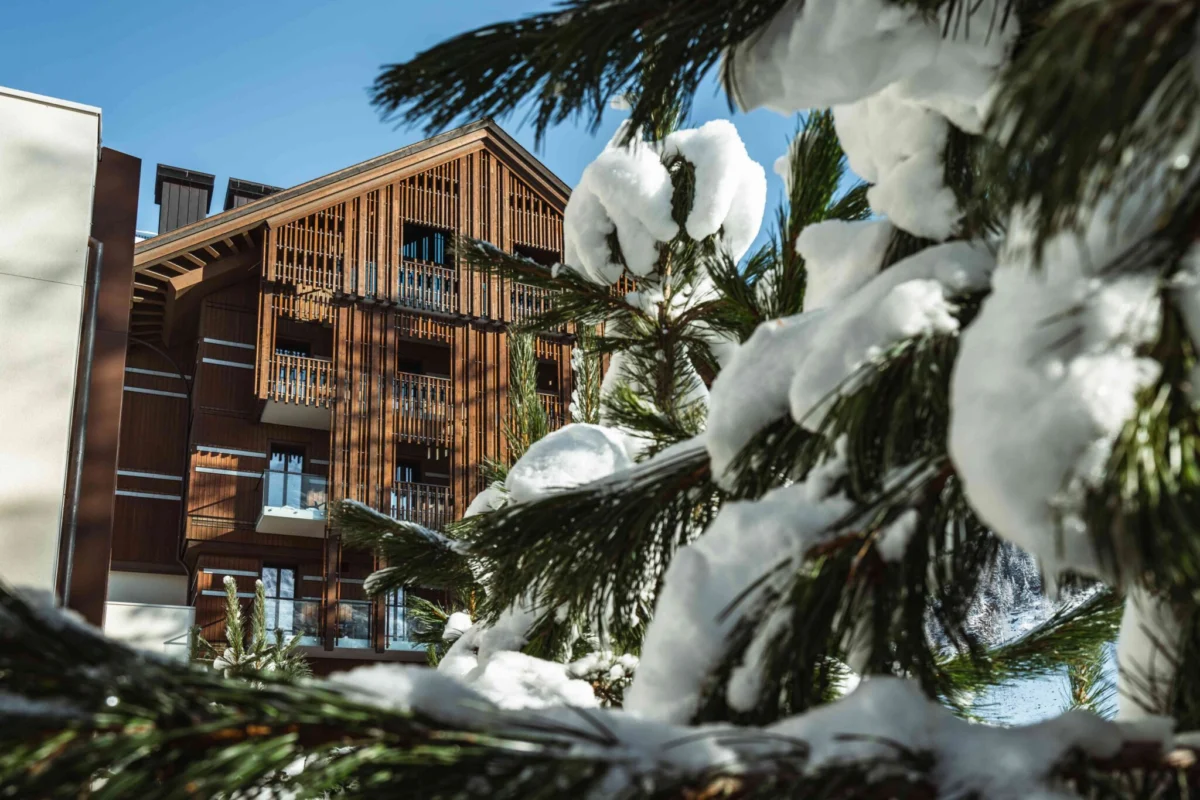
Nestled within the dramatic contours of the Urseren Valley, the alpine village of Andermatt, Switzerland, continues to cement its status as one of the world’s premier winter destinations. Combining high-altitude reliability, cutting-edge winter sports infrastructure, six Michelin-starred dining establishments, and world-class hospitality, Andermatt offers a masterclass in modern alpine tourism. As travelers increasingly seek out destinations that seamlessly merge adrenaline-fueled outdoor adventure with uncompromised luxury, this central Swiss enclave stands out as a benchmark for sustainable development, economic revitalization, and elite hospitality.
Main Facts of the Andermatt Winter Ecosystem
At the core of Andermatt’s appeal is the sheer scale and quality of its winter sports infrastructure. Home to Central Switzerland’s largest and most technologically advanced ski arena, the resort boasts over 111 miles (approximately 180 kilometers) of interconnected slopes. The terrain caters to a diverse cross-section of winter sports enthusiasts, ranging from families navigating wide, meticulously groomed cruiser runs to expert freeriders tackling the challenging backcountry, steep couloirs, and demanding vertical drops of Gemsstock Mountain.
Furthermore, Andermatt’s integration into the global Epic Pass network has dramatically expanded its accessibility for international travelers, particularly North American skiers seeking elite European experiences without fragmented ticketing systems. Beyond the slopes, the destination has quietly evolved into a culinary powerhouse, holding a cumulative total of six Michelin stars across its portfolio of fine-dining establishments. Accommodations match this gastronomic prestige, anchored by iconic luxury properties such as The Chedi Andermatt and the Radisson Blu Hotel Reussen.
Chronology and Evolution: From Garrison Town to Global Luxury Resort
The transformation of Andermatt from a quiet, strategic Swiss military garrison into a vibrant international luxury destination is one of the most remarkable case studies in modern Alpine development. For generations, Andermatt’s economy was heavily dependent on the Swiss Armed Forces, whose presence in the Urseren Valley gradually diminished toward the end of the 20th century. By the early 2000s, the local community faced significant economic stagnation as military downsizing threatened the region’s financial stability.

The turning point arrived in 2005 when Egyptian billionaire Samih Sawiris, through his company Orascom Development Holding, recognized the untapped potential of the valley. Sawiris proposed a visionary master plan to convert Andermatt into a year-round international resort destination. In 2007, the Swiss Federal Council granted exceptional exemptions from the Lex Koller—a federal law restricting foreign real estate acquisitions—allowing international investors to purchase property in Andermatt without special permits. This regulatory green light catalyzed billions of Swiss francs in foreign direct investment.
Over the next decade and a half, the landscape underwent a radical metamorphosis. The opening of the ultra-luxury Chedi Andermatt in 2013 marked the psychological and architectural dawn of the new era, setting a high-water mark for Swiss alpine hospitality. Subsequent developments included the expansion and modernization of the ski infrastructure, linking Andermatt with neighboring Sedrun and Disentis to create the expansive Andermatt+Sedrun+Disentis ski arena. The introduction of the Radisson Blu Hotel Reussen, modern apartment complexes, an expansive concert hall, and upgraded transport links further solidified the valley’s transition into a cosmopolitan alpine hub.
Supporting Data: Climate Resilience and Snowpack Preservation
In an era defined by global climate change and unpredictable winter weather patterns, ski resorts worldwide face mounting operational pressures. Traditional snowmaking methods are increasingly energy-intensive and unreliable in lower-altitude regions. Andermatt, however, has leveraged its unique geography and pioneering environmental engineering to build a remarkably resilient snow economy.
A combination of high base elevations, predominantly north-facing slopes, and favorable regional weather systems allows Andermatt to maintain a ski season that consistently outlasts many of its European competitors. Crucially, the resort has implemented advanced climate-adaptation measures, most notably the Gurschen Glacier fleece program. During the spring and summer months, specialized insulating fleeces and technical geotextile blankets are deployed across vulnerable sections of the glacier and snowpack. This targeted intervention protects the underlying ice and accumulated snow from solar radiation and warm ambient air, successfully preserving an impressive 75 percent of the covered snowpack through the summer melt season.
This proactive approach not only guarantees an early and reliable opening for the winter season but also significantly reduces the resort’s reliance on artificial snowmaking, conserving water and electrical resources. The integration of data-driven snow management systems further optimizes grooming operations, ensuring that the 111 miles of terrain remain in pristine condition throughout the peak winter months.
Official Responses and Industry Perspectives
Hospitality executives, tourism boards, and regional developers have frequently cited the Andermatt model as a blueprint for sustainable alpine growth. Industry analysts note that the deliberate pairing of high-end real estate with public infrastructure investments has prevented the cultural erosion often associated with rapid gentrification in mountain towns.
Management at The Chedi Andermatt has frequently emphasized that modern luxury travelers demand holistic experiences that balance high-octane adventure with restorative wellness. In official statements regarding guest services, resort leadership highlights the synergy between outdoor exertion on Gemsstock and the subsequent recovery process available within the property’s expansive Asian-inspired spa and wellness facilities. Similarly, representatives from the tourism board have pointed out that culinary excellence serves as a primary pillar of the visitor journey, anchoring the destination’s reputation far beyond the ski community.
The culinary landscape itself reflects this commitment to distinction. The Michelin-starred dining scene features world-class establishments such as The Chedi’s Japanese Restaurant, where master chefs prepare sophisticated Omakase menus paired with extensive wine and sake selections. Traditional Swiss gastronomy receives an innovative, contemporary update at IGNIV Andermatt, while Gûtsch by Markus Neff—perched high above the valley—utilizes locally sourced regional ingredients to craft menus that balance high-altitude comfort with haute cuisine, famously highlighted by traditional afternoon teas featuring homemade apfelstrudel and bourbon-infused ice cream.
Broader Impact and Economic Implications
The ongoing success of Andermatt as a luxury winter destination carries profound economic and cultural implications for the Canton of Uri and the broader Swiss Alps. By attracting high-net-worth individuals and international tourists, the resort has generated thousands of direct and indirect jobs, revitalized local trades, and created a stable year-round economy in a region that was once vulnerable to seasonal volatility.
Furthermore, Andermatt’s integration into the Epic Pass ecosystem represents a broader shift in global ski industry economics. By partnering with Vail Resorts, Andermatt has successfully bridged the gap between independent European alpine traditions and the massive, loyalty-driven market of North American skiers. This connectivity has democratized access for international passholders while driving substantial foreign tourism revenue into Central Switzerland.
As winter tourism continues to navigate environmental and economic uncertainties, Andermatt’s dual focus on technological climate adaptation and uncompromised luxury positions it as a resilient leader in the sector. For travelers seeking a harmonious blend of reliable, high-altitude skiing, architectural grandeur, Michelin-starred gastronomy, and uncompromising comfort, the Urseren Valley remains the definitive standard for the modern alpine escape.


 Gabriela Annisa
 Tatiana Tantri Indah Sari

 Anjar Salim

 Budi Mulyono
