Anjar Salim
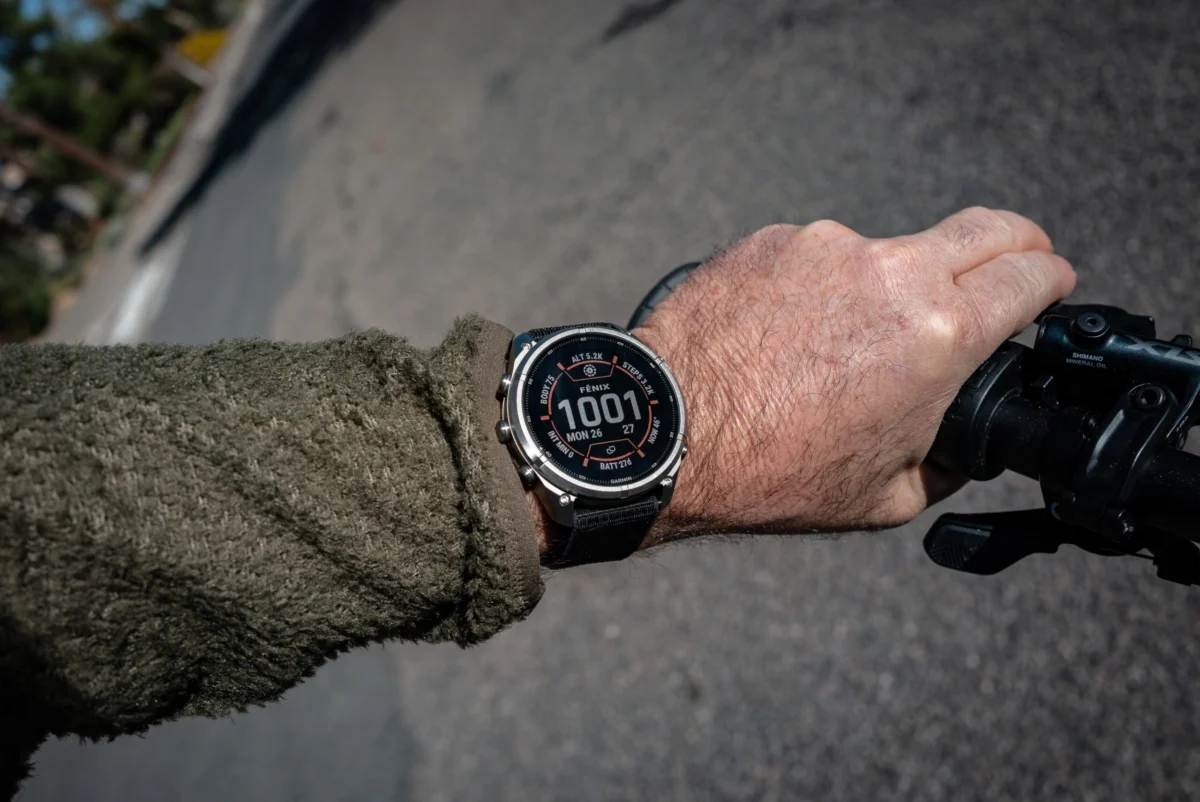
The global sports technology market has reached a critical maturation point, with modern smartwatches increasingly mirroring the complex engineering found in contemporary automotive manufacturing. As consumer demand bifurcates between ultra-durable backcountry navigation tools and sleek, daily-wear health-tracking ecosystems, choosing the optimal athletic timepiece has become a nuanced exercise in balancing budget constraints against specialized feature sets. Throughout the spring, summer, and early autumn months of 2026, a specialized cadre of gear analysts and endurance athletes logged more than 14,000 miles of rigorous field-testing across alpine peaks, arid deserts, and marine environments. Their objective was to evaluate the latest generation of fitness wearables, analyzing core performance metrics including battery endurance, display luminescence, biometric tracking accuracy, satellite connectivity, and structural durability.
The resulting 2026 evaluation highlights a significant technological leap across nearly all major manufacturing stables. Traditional market leaders like Garmin continue to dominate the high-end adventure segment by integrating military-grade ruggedness with satellite communication technologies. Simultaneously, consumer-focused tech giants such as Apple have refined localized biometric sensors to offer clinical-grade health and recovery insights, while value-oriented brands like Amazfit, Coros, and Suunto have successfully democratized high-resolution displays and lightweight titanium architecture for mid-tier buyers.
Evolution of the Modern Athletic Wearable
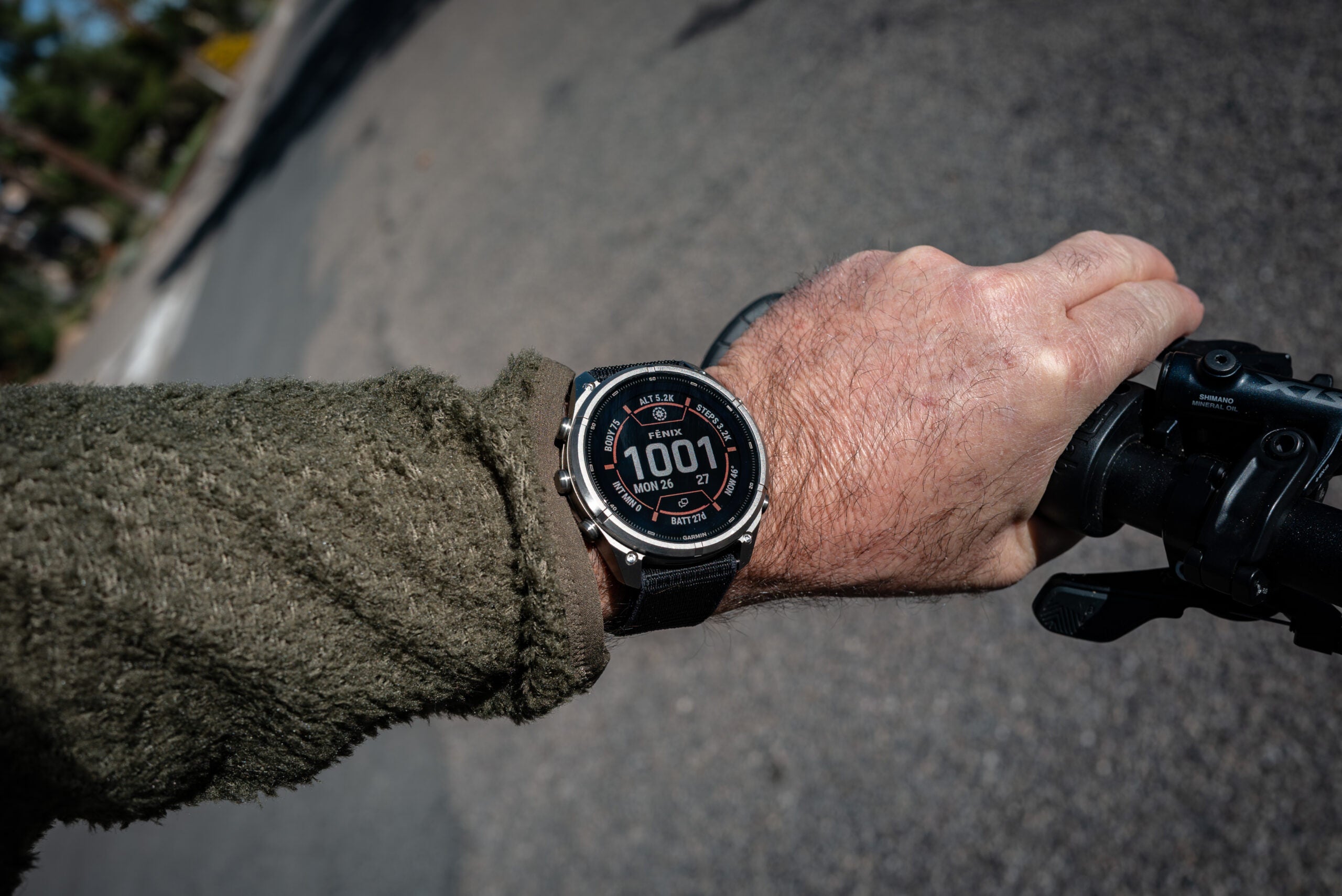
The trajectory of sports watch development over the past decade reflects a fundamental shift from simple pedometers and heart-rate monitors to fully autonomous computing units capable of localized mapping, physiological load analysis, and global emergency communication. Historically, athletes had to choose between the deep endurance metrics of dedicated outdoor brands and the seamless smartphone integration of consumer electronics. By 2026, that boundary has largely dissolved. Manufacturers are now utilizing advanced materials science—such as aerospace-grade titanium alloys, sapphire crystal glass, and high-efficiency photovoltaic charging layers—to build hardware that satisfies both elite ultra-marathoners and casual weekend fitness enthusiasts.
This convergence of capabilities has intensified market competition. Industry analysts note that brands can no longer rely solely on basic GPS tracking to capture market share. Instead, differentiation now hinges on proprietary software algorithms that translate raw physiological data—such as heart rate variability (HRV) and sleep architecture—into actionable daily readiness scores. Furthermore, the incorporation of off-grid communication protocols, such as Garmin’s integrated inReach technology and specialized cellular emergency services, has transformed the sports watch from a mere training aid into a critical piece of backcountry safety equipment.
Garmin Claims Overall Supremacy with the fenix 9 Pro
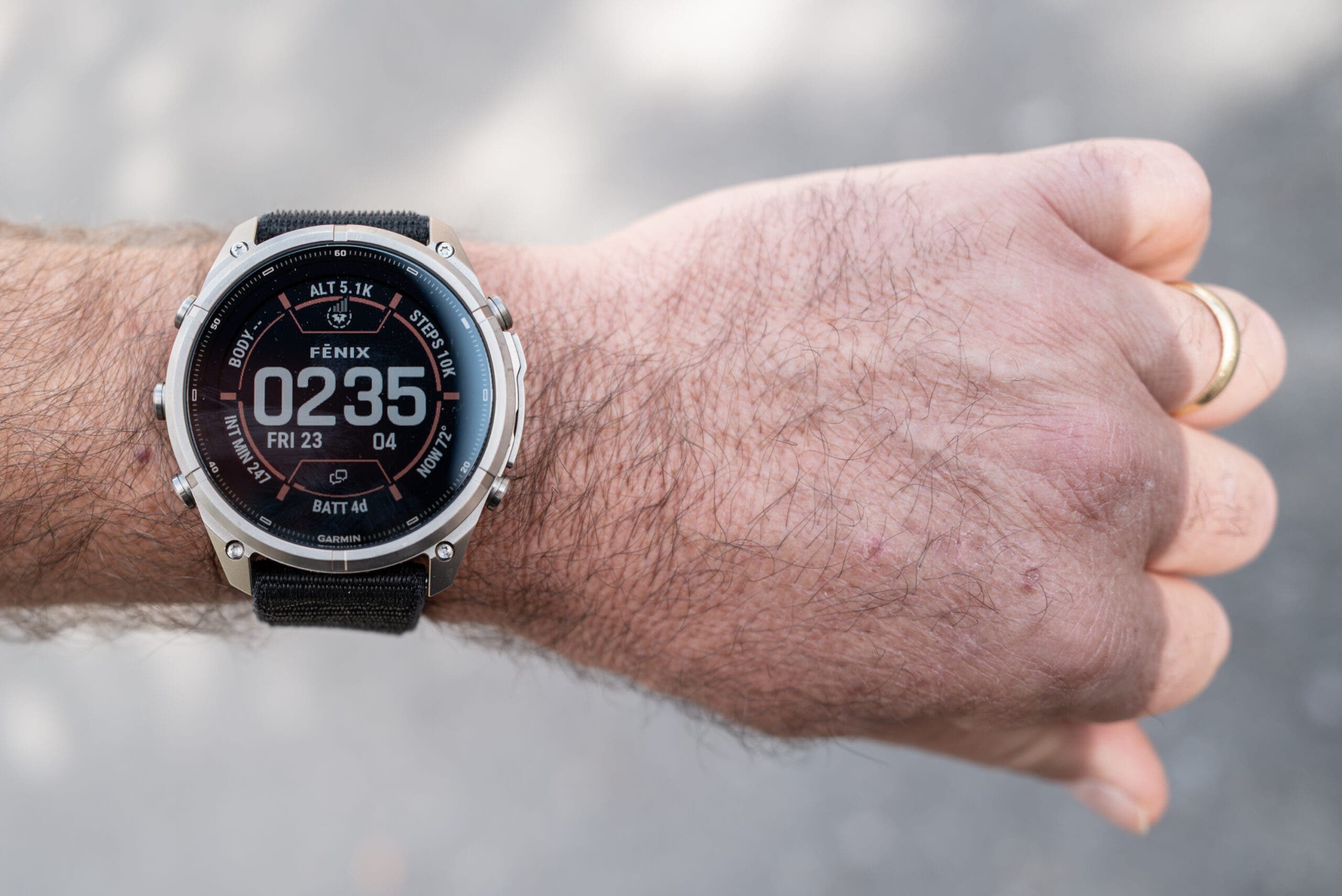
At the apex of the 2026 testing cohort sits the Garmin fenix 9 Pro Solar with inReach, which secured the title of Best Sports Watch Overall. Building upon the foundational architecture of its predecessor, the fenix 8 Pro, the 9 Pro introduces a full titanium chassis and advanced solar-charging capabilities designed to eliminate battery anxiety during extended expeditions.
In controlled field tests, the fenix 9 Pro demonstrated staggering endurance benchmarks. While traditional smart usage on previous iterations capped out at roughly 27 days, the solar-assisted 9 Pro extends standard smartwatch operation up to 57 days under optimal lighting conditions. More impressively, continuous GPS tracking capacity jumps from historical baselines of approximately 78 hours to a remarkable 211 hours when supplemented by solar exposure. Garmin engineers note that achieving this maximum output requires approximately three hours of daily exposure to bright midday sunlight; however, field testers observed that even 30 to 60 minutes of ambient sun exposure yielded sufficient energy buffers to sustain multi-day backcountry itineraries without manual recharging.
Beyond raw power, the fenix 9 Pro integrates seamless off-grid messaging and SOS capabilities via the Garmin inReach network. While utilizing these satellite communication features requires a dedicated service subscription—with entry-level plans now priced at $7.99 per month—the inclusion of the hardware provides an unmatched safety net for remote mountaineers and long-distance hikers. The device is further bolstered by Garmin’s comprehensive training-readiness analytics, a highly functional integrated LED flashlight, and intuitive topographical mapping software.
Mid-Priced and Value Leaders Redefine Accessibility
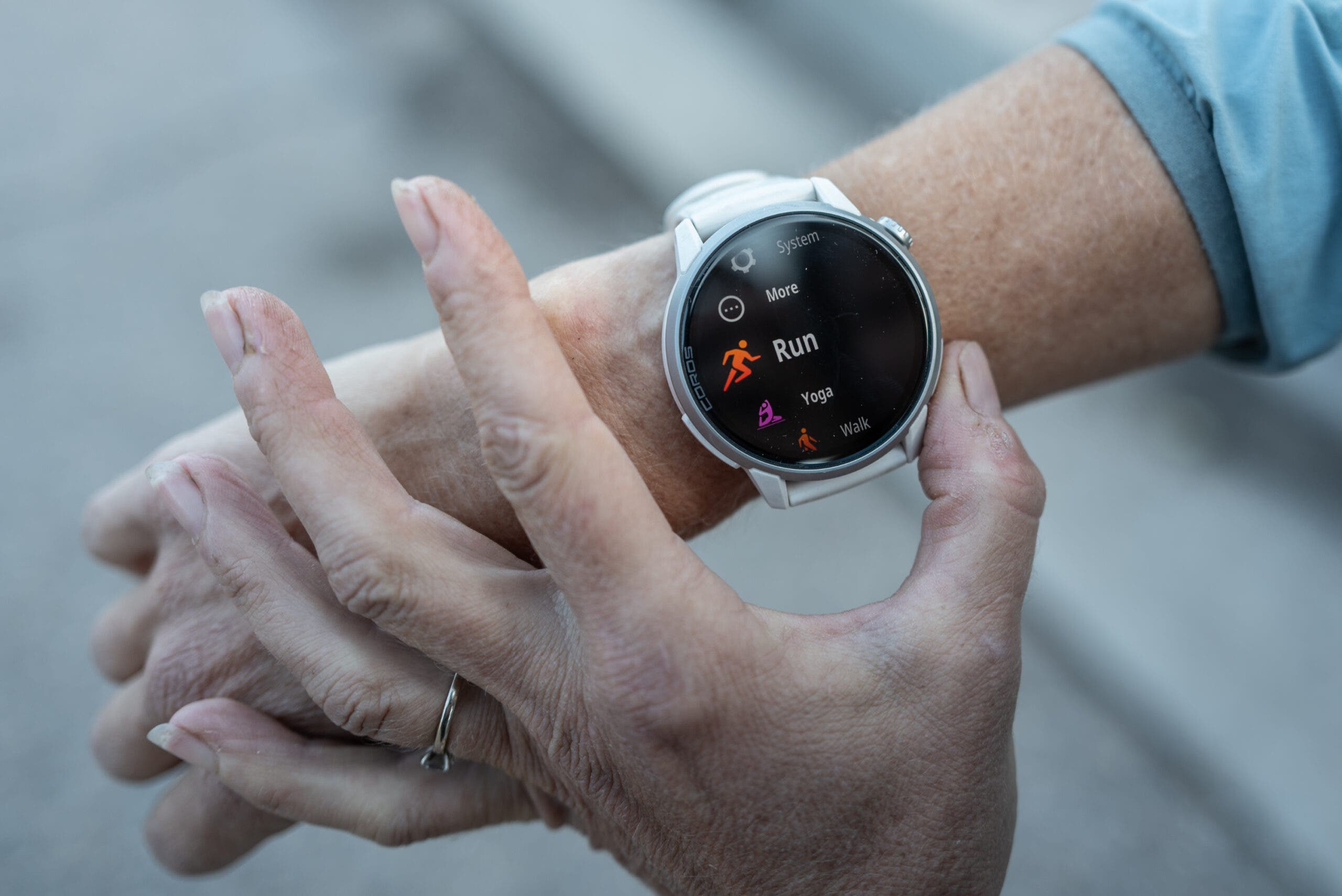
While high-end adventure watches command premium pricing, the 2026 testing cycle underscored significant advancements in the mid-priced and value categories. The Coros Pace 4 Pro emerged as the consensus "Goldilocks" device for serious athletes seeking high-end performance below the $500 threshold. Weighing a mere 1.8 ounces without the strap and featuring a slim 11.8-millimeter profile, the Pace 4 Pro pairs a vibrant 1.47-inch display with a lightweight titanium bezel. Testers praised its exceptional heart-rate tracking precision during interval training and its flawless stroke-rate calculations in aquatic environments. Despite its bright screen, the watch delivers up to 45 hours of continuous, high-accuracy GPS tracking with the display permanently active.
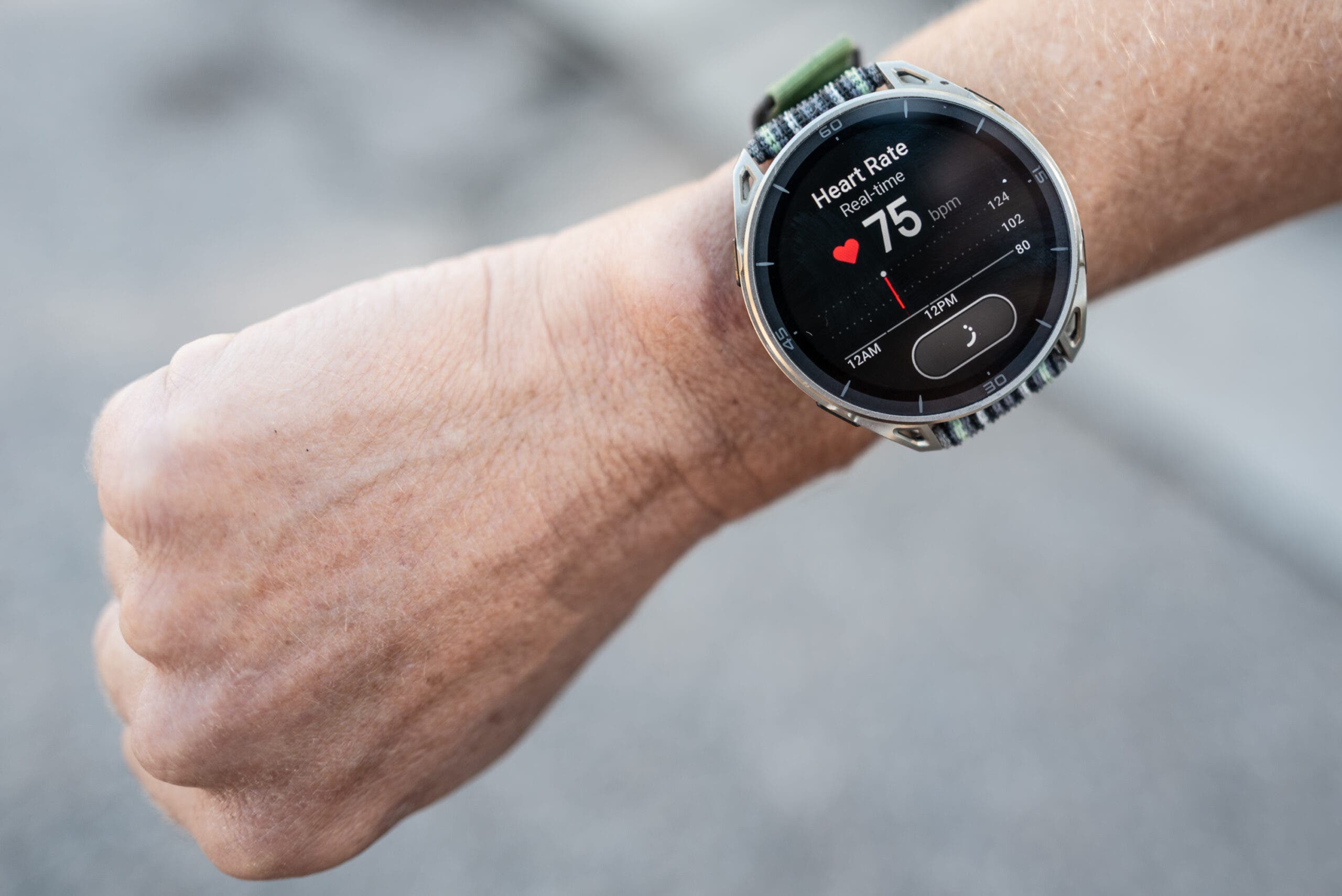
In the value-for-money category, the Amazfit Cheetah 2 Ultra disrupted traditional pricing models by incorporating premium titanium construction, an ultra-bright AMOLED display, and an integrated LED flashlight into a package designed specifically for rapid deployment. While testers noted that the watch’s automated workout detection sensitivity occasionally triggered false positives during routine household tasks, its comprehensive physiological load analysis and sleek, professional aesthetic positioned it as a formidable competitor to devices twice its price.
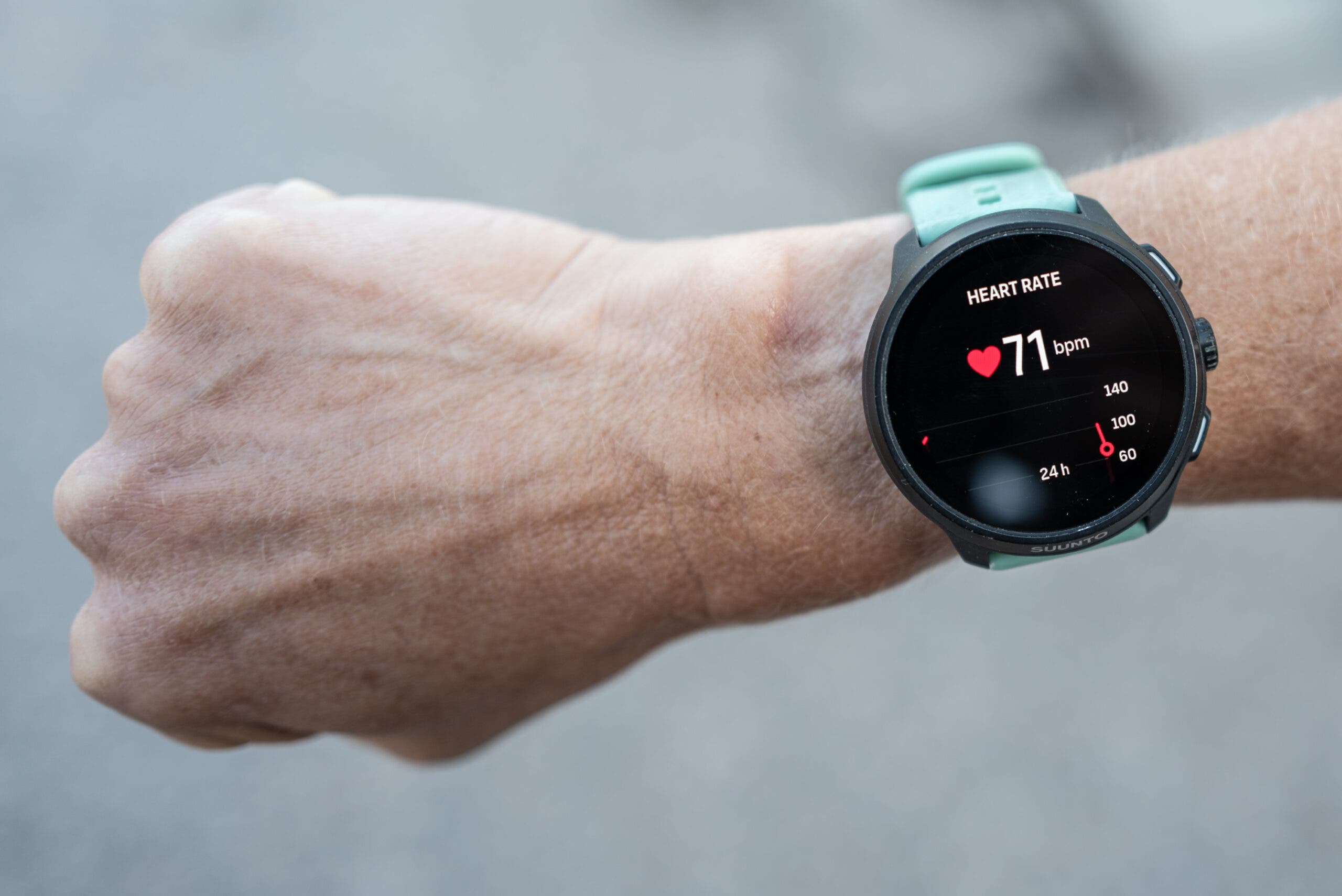
Similarly, the Suunto Run 2 established a strong foothold among purist distance runners. Weighing only 1.2 ounces, the Run 2 focuses heavily on core functionality, offering pinpoint heart-rate monitoring, reliable offline mapping capabilities, and a robust battery life capable of supporting continuous dual-band GPS usage for up to 24 hours. Despite minor software synchronization friction reported between the device and companion mobile applications, its featherweight build and reliable recovery metrics made it a preferred tool for high-volume training blocks.
The Multi-Sport Benchmark and the Weekend Warrior Paradigm
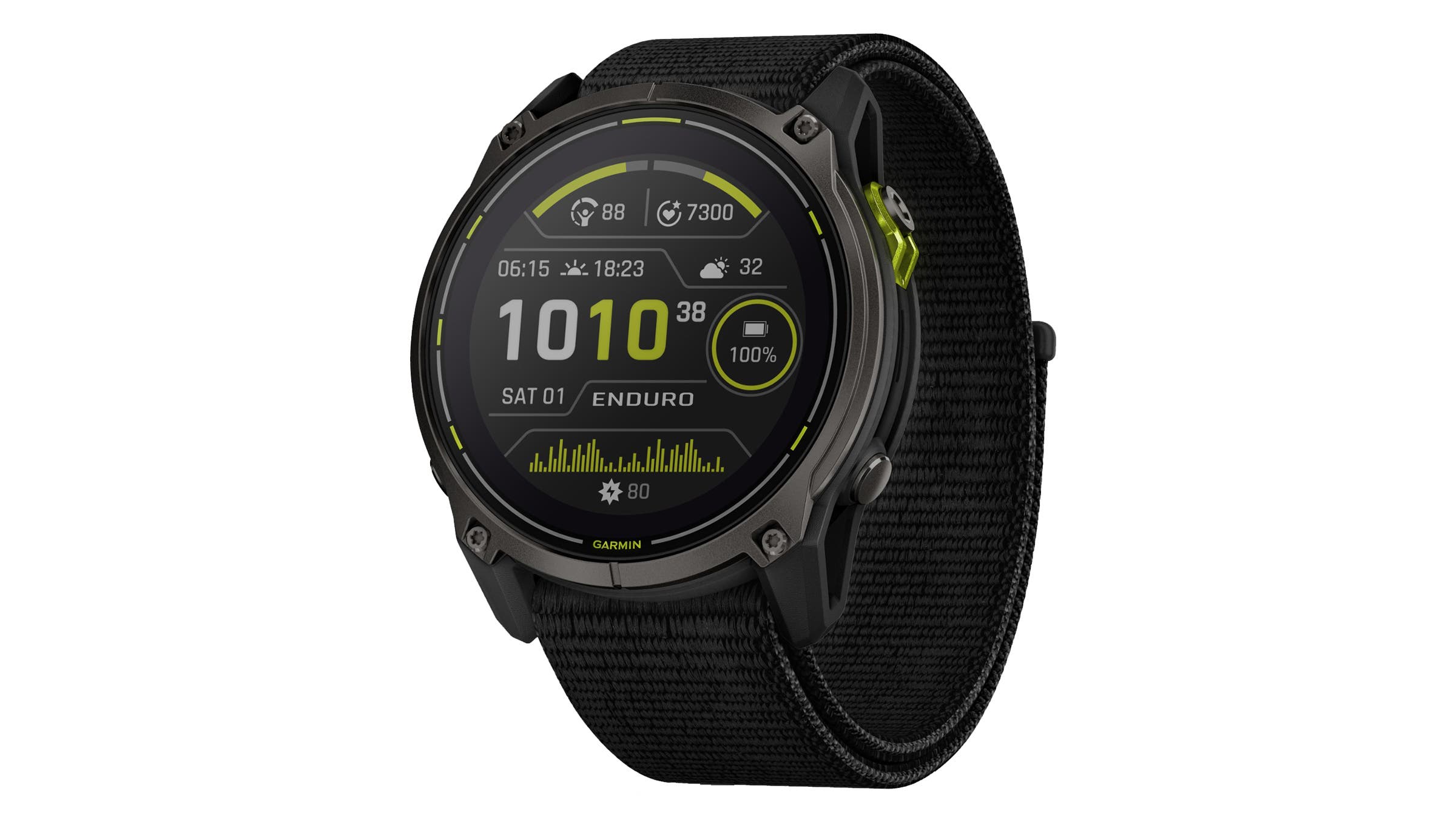
For multi-sport athletes requiring extreme endurance without the added weight of heavy metallic bezels, the Garmin Enduro 3 remains a premier choice. Eschewing power-hungry AMOLED screens in favor of a memory-in-pixel display, the Enduro 3 achieves astonishing efficiency. With solar charging enabled, the device yields up to 90 days of general smartwatch operation and an unprecedented 320 hours of continuous GPS tracking. Testers reported regularly exceeding a month of real-world use between charges while maintaining daily activity tracking.
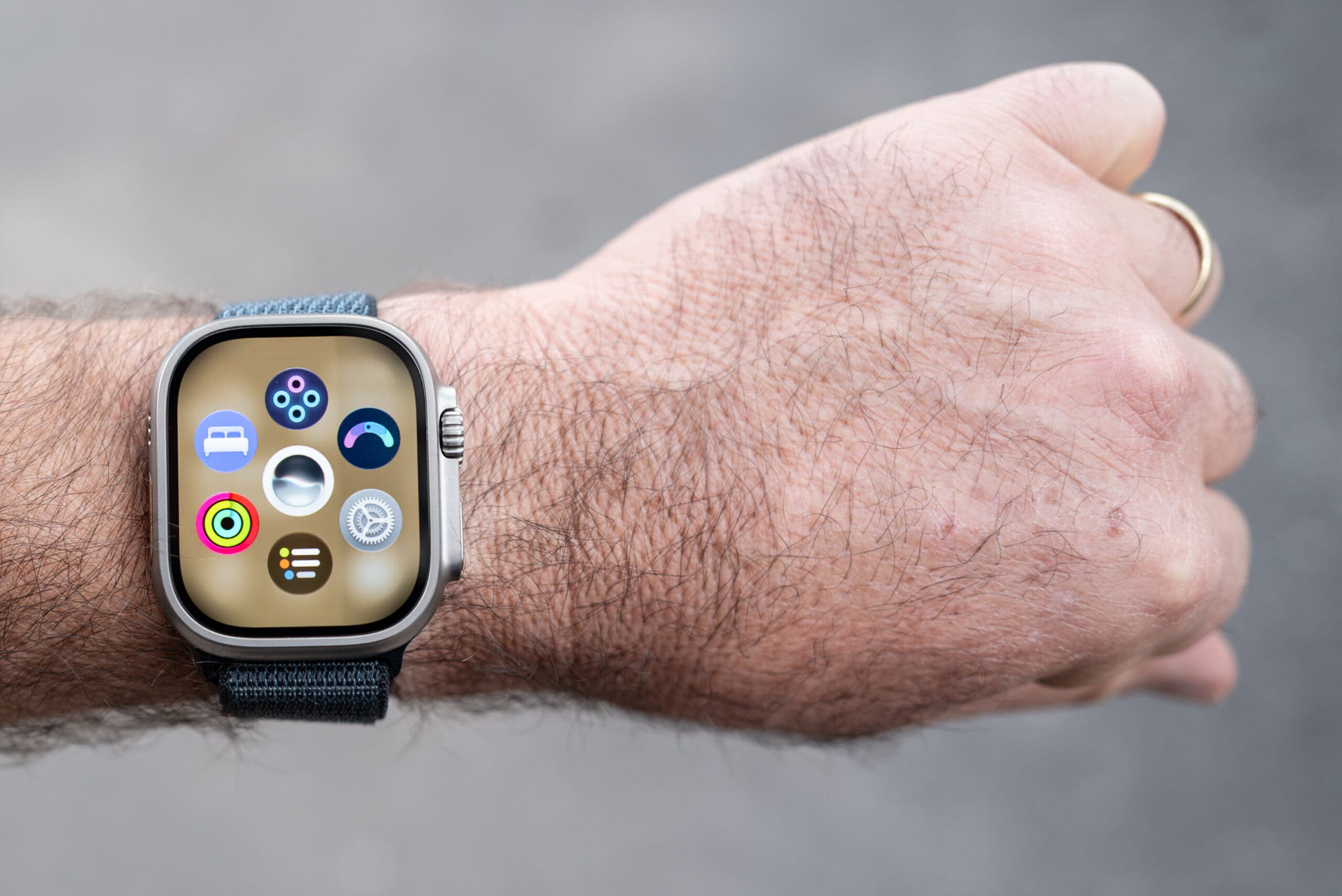
Conversely, the Apple Watch Ultra 4 captures the market for consumers prioritizing daily connectivity, seamless app integration, and lifestyle utility. Apple’s latest hardware iteration introduces refined biometric sensors backed by comprehensive clinical validation studies demonstrating industry-leading heart-rate accuracy for wrist-worn devices. This enhanced precision powers two major new health metrics: deep Heart Rate Variability (HRV) analysis and a streamlined 1-to-10 daily Readiness score.
While the Apple Watch Ultra 4 cannot match the multi-week endurance of dedicated expedition watches—capping out at roughly 50 hours of normal use or 18 hours of continuous high-power workout tracking—its rapid-charging architecture significantly mitigates operational liabilities. Adding 18 hours of battery life in just 15 minutes allows users to wear the device continuously for sleep tracking and daytime communication with minimal interruption.
Niche Specialization: The Rise of Tailored Outdoor Timepieces
The 2026 market also witnessed the introduction of hyper-specialized wearables designed to serve distinct outdoor demographics. Among the most notable newcomers is the Reckon smartwatch, developed by Montana-based Bridger. Engineered specifically for hunters and backcountry guides, the Reckon breaks convention by utilizing a large, rectangular AMOLED screen rather than a traditional round face.
According to company leadership, the rectangular geometry is intentionally optimized for viewing high-resolution offline topographical maps. By integrating seamlessly with the popular onX mapping ecosystem, the Reckon allows users to track complex waypoints and navigate safely off-grid, serving as a reliable redundancy in the event of primary smartphone battery failure. Priced at $1,100, the device targets an enthusiast demographic that prioritizes advanced spatial awareness and long-range battery longevity over traditional urban smart features.
Methodology and Market Implications
The breadth of the 2026 review underscores a broader industry maturation. Testing protocols mandated that evaluators expose the hardware to extreme environmental stressors, ranging from high-alpine snowpacks to intense desert thermal loads, while integrating the devices into complex daily routines encompassing professional coaching, tactical training, and family life.
As sports watch technology continues to evolve, market analysts anticipate further convergence between biometric health monitoring, satellite communications, and artificial intelligence-driven training recommendations. For the consumer, the abundance of high-quality options means that selection is no longer defined by technical compromise, but rather by an honest assessment of individual athletic goals, budgetary parameters, and intended operating environments. Whether outfitting for a multi-week wilderness expedition or managing a weekly running schedule, the contemporary sports watch ecosystem provides specialized tools capable of meeting rigorous performance demands.



 Budi Mulyono

 Lukman Taruna Persada Ramadan

 Tatiana Tantri Indah Sari