Lukman Taruna Persada Ramadan
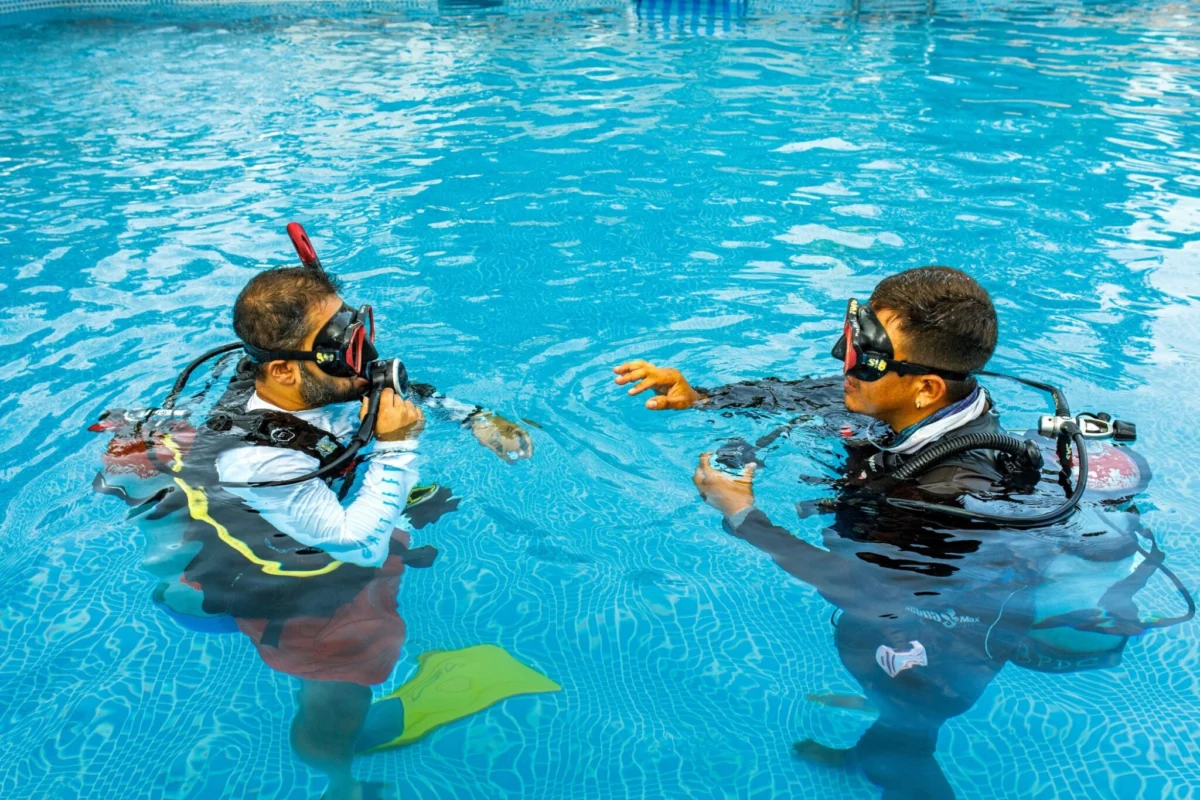
The intersection of luxury tourism and environmental stewardship continues to evolve as hospitality brands seek meaningful ways to engage travelers in destination preservation. Alaia Belize, Autograph Collection, situated on the picturesque island of Ambergris Caye, has officially announced a pioneering partnership with the renowned Mote Marine Laboratory. This collaboration introduces a dedicated experiential initiative designed to elevate sustainable travel standards in Central America. Scheduled to take place from November 23 to November 29, the inaugural Marine Conservation Residency invites resort guests to participate in specialized, week-long programming centered around the ecological wonders and vulnerabilities of the nearby Great Belize Barrier Reef ecosystem.
As global travelers increasingly prioritize eco-conscious itineraries, properties in fragile marine environments face mounting pressure to balance economic viability with ecological preservation. By integrating marine science directly into the guest experience, Alaia Belize and Mote Marine Laboratory aim to bridge the gap between leisure tourism and active environmental education. The upcoming residency represents a strategic shift from passive sightseeing to participatory conservation, offering visitors a firsthand look at the complexities of coral reef management and marine biodiversity protection.
Main Facts of the Conservation Residency
The week-long residency program is structured to provide an immersive educational curriculum led by resident marine scientists and educators from Mote Marine Laboratory. Throughout the engagement, participants will have access to a diverse array of hands-on activities, research-inspired workshops, and guided excursions. The curriculum is meticulously crafted to engage guests of all ages, translating complex scientific principles into accessible, interactive learning moments.
Core components of the residency include interactive STEM-based activities focused on marine biology, oceanography, and reef restoration methodologies. Participants will engage directly with researchers to explore the local habitats of endangered and protected marine wildlife, including sea turtles, nurse sharks, and various ray species. In addition to daytime field excursions, the evening programming features unique social and educational events, such as the interactive Cocktails & Conversation: Happy Hour Ocean Trivia, designed to reinforce marine conservation concepts in a relaxed setting.
Exclusive access to these programs is enhanced through a collaborative initiative with Marriott Bonvoy. Members of the loyalty program are given the unique opportunity to bid on an exclusive Marriott Bonvoy Moments package. This curated experience includes a luxury stay at Alaia Belize, a semi-private Beyond the Reef excursion, and an exclusive expedition aboard the vessel REEL Escape. During this voyage, Mote educators will guide participants through premier snorkeling and reef exploration sites, most notably within the world-famous Hol Chan Marine Reserve.

Chronology and Background of the Collaboration
The genesis of the partnership between Alaia Belize and Mote Marine Laboratory stems from a shared institutional commitment to marine conservation and environmental education. Planning for the collaboration began months prior to the official announcement, aligning with the resort’s ongoing corporate sustainability objectives and Mote’s expanding international educational outreach initiatives.
Mote Marine Laboratory, an independent, nonprofit marine research institution based in Florida with decades of expertise in coral reef restoration and marine animal rehabilitation, sought an international partner capable of facilitating direct public engagement. Ambergris Caye, serving as the gateway to the Belize Barrier Reef Reserve System—a designated UNESCO World Heritage site—provided an ideal living laboratory for the residency.
The timeline for the initiative culminates in the late November residency week, intentionally scheduled during a peak shoulder-season travel window. This timing allows for optimal weather and marine visibility conditions while supporting sustainable tourism metrics during a transitional period for the local hospitality economy. Leading up to the November 23 launch, both organizations have coordinated logistical frameworks to ensure minimal ecological footprint during the field-based research and snorkeling expeditions.
Supporting Data and Environmental Significance
The Great Belize Barrier Reef spans approximately 180 miles along the coast of Belize, representing the second-largest coral reef system in the world. According to data from the World Heritage Committee and various marine conservation bodies, the reef is home to an astonishing array of biodiversity, including nearly 500 species of fish, hundreds of species of invertebrates, and critical nesting grounds for threatened marine turtle populations.
Despite its ecological richness, the reef system remains highly vulnerable to global climate anomalies, warming ocean temperatures, ocean acidification, and localized anthropogenic pressures such as coastal development and unsustainable fishing practices. Scientific assessments by institutions like Mote Marine Laboratory indicate that proactive coral restoration—such as outplanting resilient coral genotypes and educating coastal visitors—is vital for enhancing the long-term climate resilience of these fragile ecosystems.
By embedding educational metrics into tourism, properties like Alaia Belize contribute to the burgeoning field of citizen science. Data collected and awareness raised during such residencies help bolster local conservation initiatives, providing critical public support for policy measures aimed at expanding marine protected areas, such as the Hol Chan Marine Reserve, which spans nearly 40 square miles of protected waters and coral habitats.
Official Statements and Institutional Perspectives
Leadership from both participating organizations emphasized the transformative potential of merging hospitality with scientific research. Scott McArdle, vice president of hospitality at Alaia Belize, highlighted the philosophical foundation driving the partnership.
"Belize’s marine environment is one of the country’s greatest treasures, and we believe travel has the power to foster a deeper connection to the places we visit," said McArdle. "Our partnership with Mote allows guests to experience the reef beyond recreation—through education, exploration, and meaningful interactions that deepen their understanding of the work being done to protect it."
Echoing this sentiment, Dr. Aly Busse, vice president of education at Mote Marine Laboratory, underscored the importance of public outreach in achieving long-term conservation goals.
"We’re excited to partner with Alaia Belize to bring marine science directly to travelers in one of the world’s most extraordinary reef ecosystems," stated Dr. Busse. "By combining hands-on education with unforgettable experiences in and around the reef, we hope guests of all ages leave with a deeper understanding of the ocean and the important role they can play in protecting it."
Broader Impact and Industry Implications
The launch of the Marine Conservation Residency at Alaia Belize reflects a broader, accelerating trend within the luxury hospitality sector: the transition from superficial corporate social responsibility to deeply integrated, educational ecotourism. As travelers become increasingly discerning and skeptical of greenwashing, properties that offer substantive, science-backed engagement programs are establishing a competitive advantage in the global market.
From an economic and operational perspective, partnerships between luxury resorts and scientific institutions yield mutual benefits. While hotels enhance their value proposition and attract high-value, environmentally conscious demographics, research institutions gain alternative funding streams, public advocacy, and platforms for educational dissemination. This symbiotic model demonstrates that commercial tourism can actively contribute to environmental literacy without compromising guest satisfaction or comfort.
Furthermore, the integration of loyalty program rewards, such as the Marriott Bonvoy Moments auction, signals a maturation in how hospitality brands leverage their vast marketing ecosystems for conservation causes. By incentivizing engagement with marine science through elite travel experiences, these programs cultivate a dedicated cohort of environmental ambassadors who can influence broader public discourse surrounding ocean health.
As the hospitality industry looks toward the future, initiatives like the Alaia Belize and Mote Marine Laboratory residency serve as a potential blueprint for sustainable tourism in tropical destinations worldwide. By proving that education, luxury, and ecological preservation can coexist harmoniously, the partnership sets a commendable precedent for responsible travel along the Mesoamerican Reef and beyond.

 Tatiana Tantri Indah Sari
 Anjar Salim

 Budi Mulyono