
 Budi Mulyono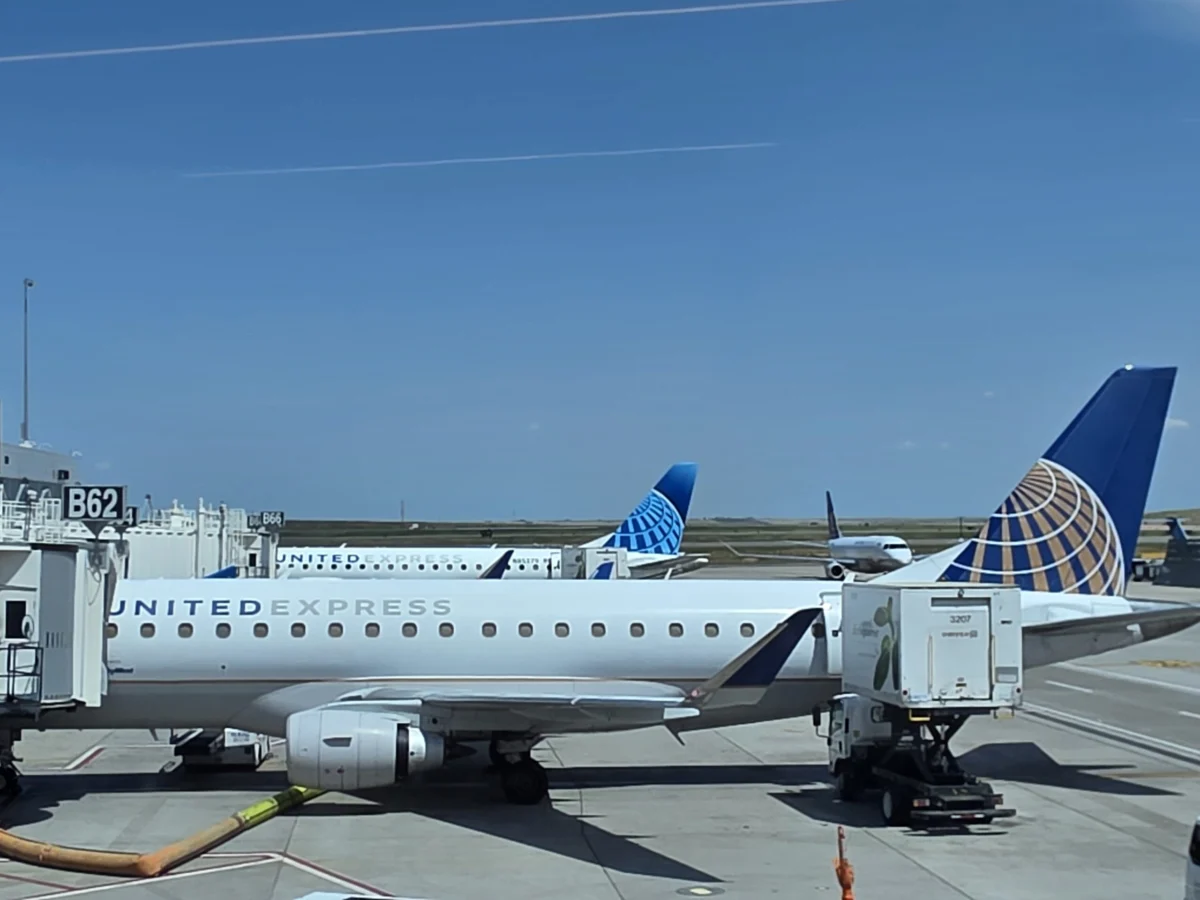
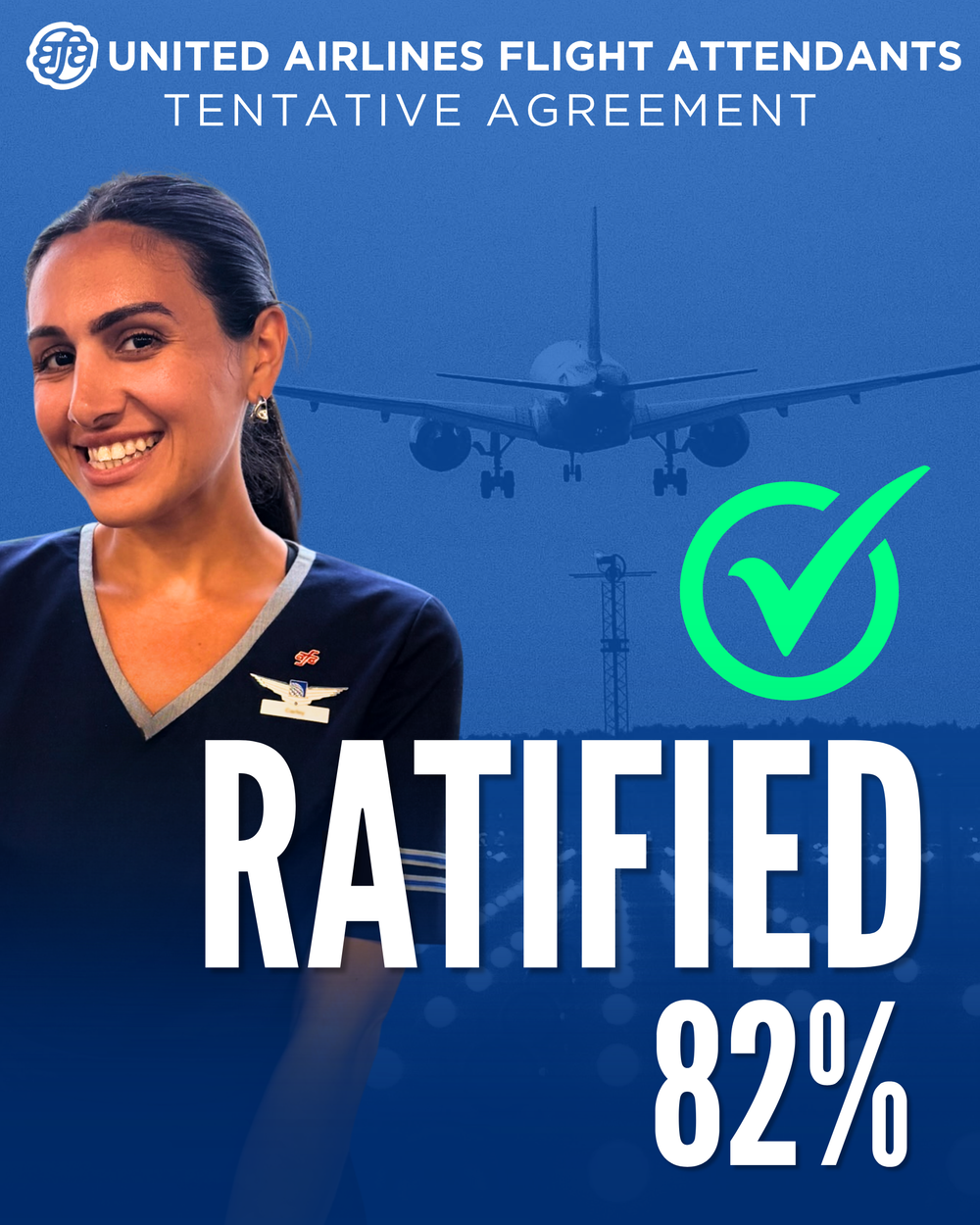
United Airlines flight attendants, represented by the Association of Flight Attendants-CWA (AFA), have officially ratified a new collective bargaining agreement that ends a five-and-a-half-year period of stagnant wages and introduces several industry-leading compensation structures. The agreement, which was approved by a significant margin of 82% of voting members, represents a pivotal shift in the labor relations landscape for the Chicago-based carrier. With a high voter turnout of 88.85% among eligible union members, the ratification signals a broad consensus on a deal that balances immediate financial relief with long-term structural changes to how cabin crew are compensated for their time on and off the aircraft.
The path to this agreement was marked by intense negotiations and a previous rejection of a tentative deal. In July 2025, flight attendants turned down a prior proposal with a 71% "no" vote, citing concerns over specific work rules, insufficient retroactive pay, and inadequate adjustments for the high inflationary environment that has persisted since their last contract. Over the subsequent ten months, union negotiators and United management returned to the bargaining table to reallocate the financial package to better align with the priorities of the rank-and-file members. This successful ratification marks the conclusion of one of the most protracted labor disputes in recent aviation history, providing United with labor stability as it continues its "United Next" growth strategy.
Comprehensive Compensation Overhaul and the $100 Hourly Milestone
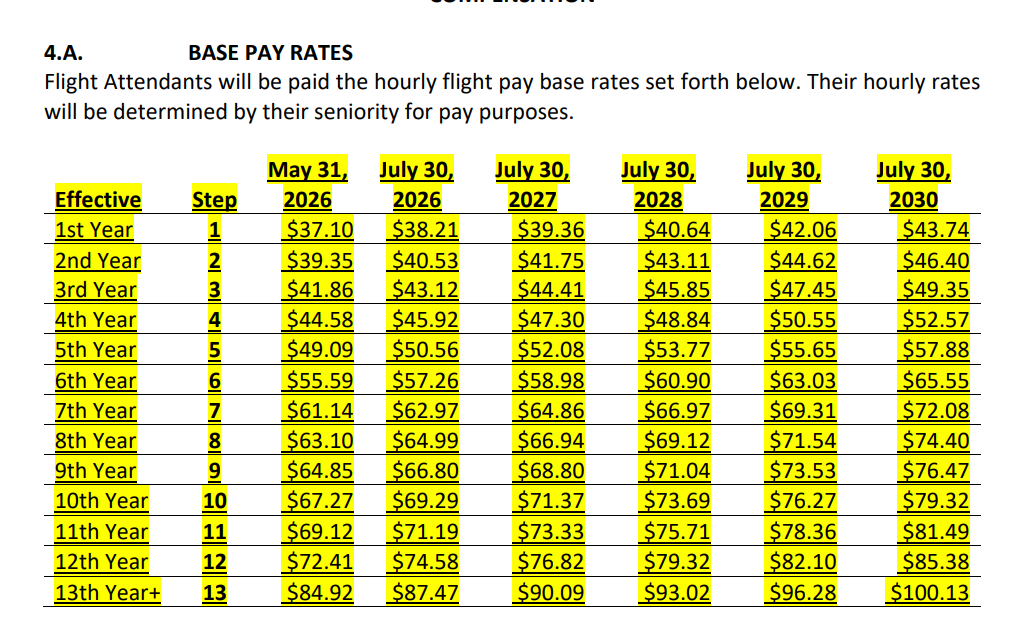
The centerpiece of the newly ratified contract is a substantial increase in hourly pay rates, designed to rectify the erosion of purchasing power caused by inflation. Over the 5.5 years since their last raise, flight attendants saw the real value of their income decline by an estimated 20%. The new pay scales not only bridge this gap but also position United’s cabin crew at the top of the industry’s hourly wage hierarchy.
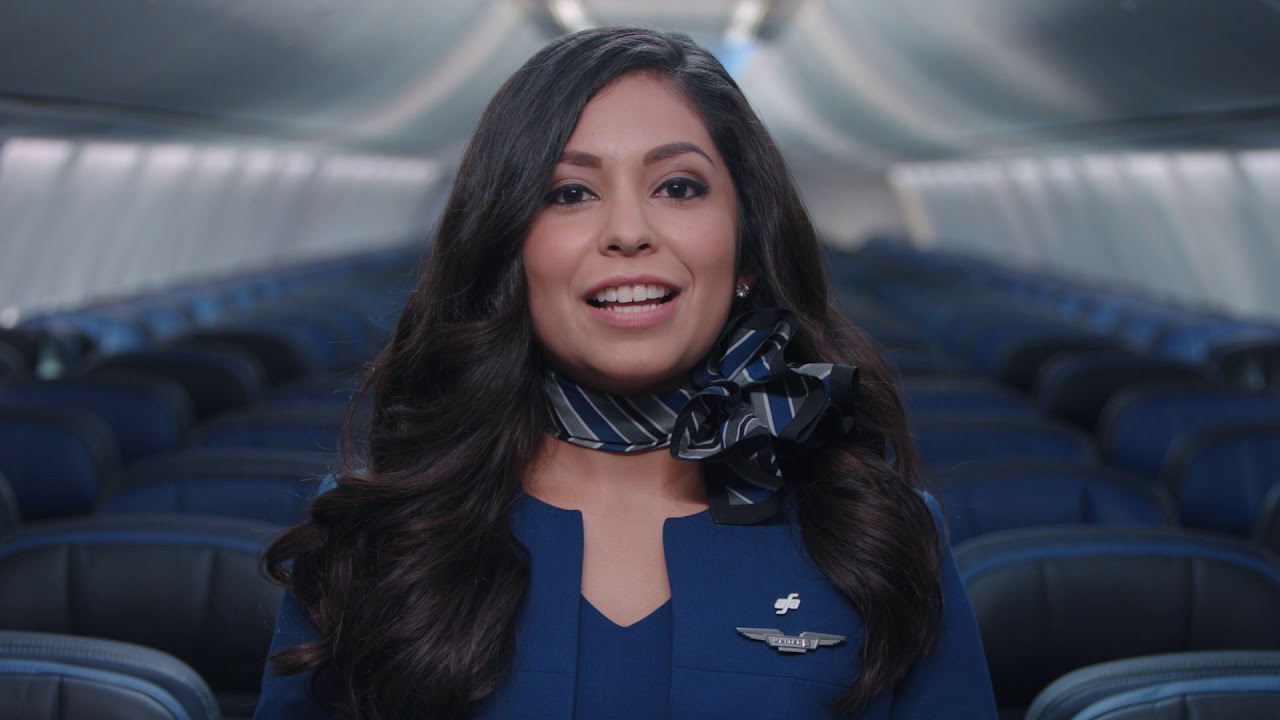
Under the terms of the agreement, the most senior flight attendants will now earn an hourly rate exceeding $100. This milestone is significant, as it sets a new benchmark for narrow-body and wide-body operations within the U.S. domestic and international markets. While junior flight attendants will also see proportional increases, the contract’s structure heavily rewards longevity, a move intended to improve retention during a period of high turnover across the service industry.
Beyond the base hourly rate, the contract introduces "boarding pay," a compensation model that pays flight attendants for the time spent during the passenger boarding process. Historically, flight attendants in the United States were only paid once the aircraft cabin door was closed and the "brakes were released." This meant that the intensive labor of assisting passengers with luggage, managing seating issues, and performing safety checks during boarding was largely unpaid. Delta Air Lines became the first major carrier to introduce boarding pay in 2022, and its inclusion in the United contract represents a major victory for the AFA, cementing the practice as a new industry standard for unionized carriers.
Retroactive Pay and Signing Bonuses
To address the years spent without a cost-of-living adjustment, the contract includes a massive $740 million retroactive pay package, distributed as a signing bonus. This lump-sum payment is intended to compensate employees for the hours worked under the expired contract’s lower wage rates. While United Airlines had already accounted for a significant portion of these costs in previous financial filings—anticipating an eventual settlement—the finality of the $740 million payout represents a major cash infusion for the workforce.
However, the path to securing this retro pay involved strategic concessions. In earlier rounds of negotiations, the union had to balance the desire for a larger retroactive payout with the need for higher "top-of-scale" rates. The final deal reflects a compromise where some retroactive claims were traded for higher future earnings and improved "sit pay." Sit pay provides compensation for flight attendants who experience long layovers or "dead time" between flights. By increasing the cost of these idle periods, the union has created a financial incentive for United’s scheduling department to build more efficient pairings, thereby reducing the time crew members spend away from home without active pay.
Scope Clauses and Regional Carrier Operations
One of the most debated elements of the new contract involves "scope," which refers to the contractual protections that determine which flights must be staffed by unionized United flight attendants. In a notable concession to management, the union agreed to allow United Airlines to own and operate a regional carrier without the requirement that its flights be staffed by AFA members under the mainline contract.
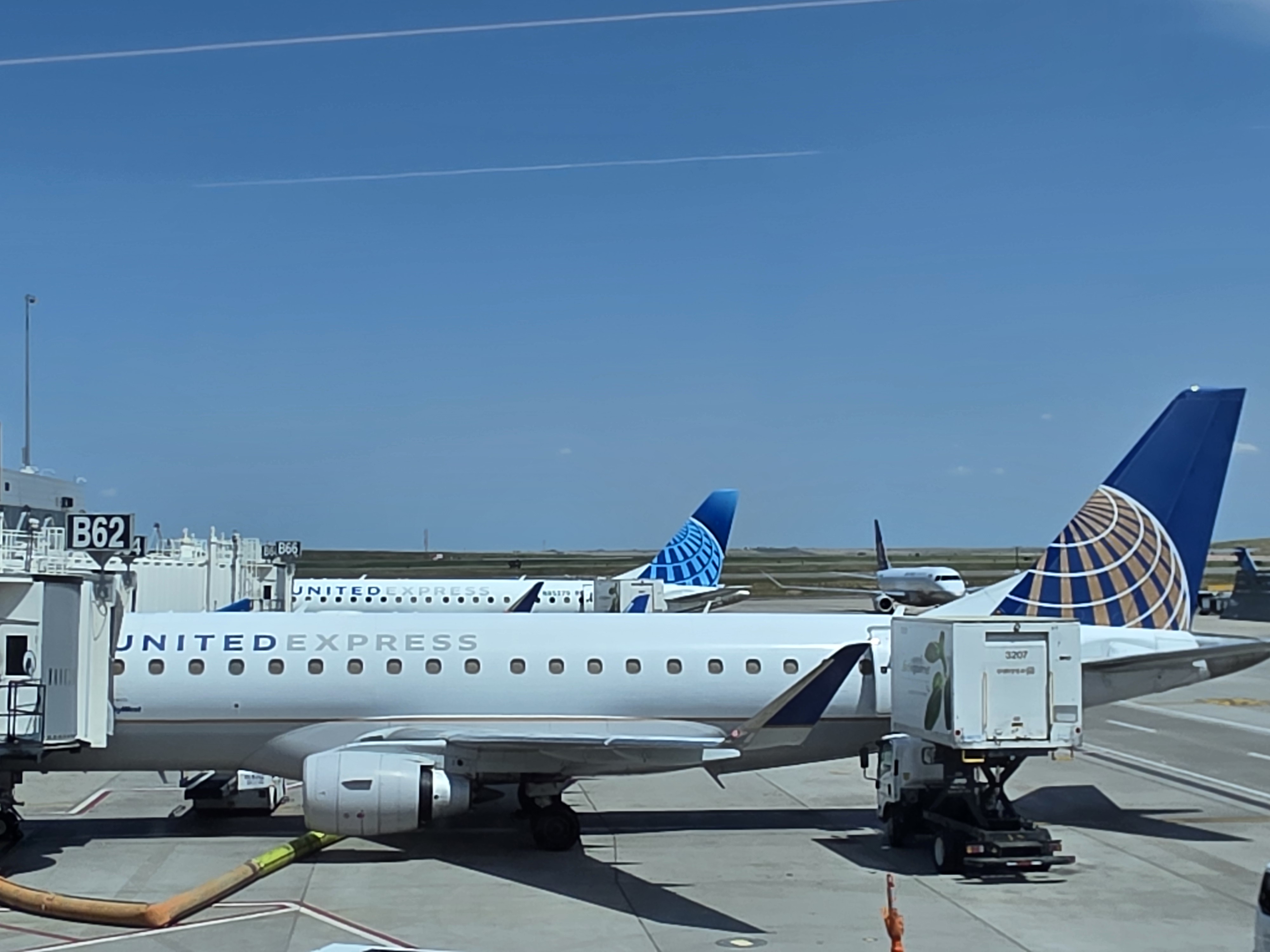
This change provides United with greater operational flexibility in its regional network, which operates under the "United Express" brand. Management argued that this flexibility was essential for maintaining competitiveness against low-cost carriers and managing the pilot shortage that has disproportionately affected regional subsidiaries. While some union members expressed concern that this could lead to "outsourcing" of flying that would otherwise be done by mainline crews, the high ratification rate suggests that the majority of the workforce viewed the pay increases as a sufficient trade-off for these scope adjustments.
Comparative Analysis: United, Delta, and American
With the ratification of this deal, the competitive landscape for flight attendant compensation has been reshaped. United’s hourly rates will now surpass those of Delta Air Lines and sit approximately 1% higher than those recently secured by flight attendants at American Airlines. However, hourly rates are only one component of total compensation.
A key differentiator remains the profit-sharing formula. Delta Air Lines continues to lead the industry in profit-sharing payouts, utilizing a formula that more aggressively distributes corporate earnings to its non-unionized workforce. American Airlines flight attendants also secured a profit-sharing model two years ago that remains more lucrative than the one currently in place at United.
The total annual earnings for a United flight attendant will now depend on two primary factors:
- Annual Step Increases: Unlike Delta, which often provides annual merit-based raises without the constraints of a formal contract, United’s raises are now locked into the multi-year duration of this agreement.
- Corporate Profitability: If Delta maintains its position as the most profitable U.S. carrier and continues its current sharing model, its flight attendants may still see higher total "W-2" earnings despite United’s higher hourly base rate.
Timeline of Negotiations and Ratification
The journey to the 2026 ratification was characterized by several critical milestones:
- Late 2020: The previous contract reached its amendable date, but negotiations were hampered by the global pandemic and the subsequent recovery period.
- 2021–2024: Periodic negotiations took place, but significant gaps remained between union demands and management offers, particularly regarding the valuation of "ground time."
- July 2025: A tentative agreement was reached but was soundly rejected by 71% of the membership. Critics at the time pointed to "insulting" hotel and layover rules and a lack of boarding pay.
- August 2025 – February 2026: A period of "cooling off" followed by renewed federal mediation. The union shifted its focus toward extracting more of the "total pot" for hourly rates and boarding pay.
- March 2026: A second tentative agreement was reached, featuring the $100+ senior hourly rate and the $740 million retro pay package.
- May 2026: Eligible members cast their ballots, resulting in the 82% approval rate and official ratification.
Financial and Operational Implications for United Airlines
For United Airlines, the ratification is a double-edged sword. On one hand, it secures labor peace with a critical workgroup, avoiding the threat of strikes or "CHAOS" (Create Havoc Around Our System) intermittent work stoppages that the AFA has used effectively in the past. This stability is vital for United as it takes delivery of hundreds of new Boeing and Airbus aircraft over the next decade.
On the other hand, the increased labor costs are substantial. The $740 million in retroactive pay, combined with the permanent increase in hourly wages and the introduction of boarding pay, will put upward pressure on the airline’s Cost per Available Seat Mile (CASM), excluding fuel. In recent quarterly earnings calls, United executives have expressed confidence that the airline’s premium revenue growth and the success of its "Basic Economy" segmentation will offset these higher costs. However, analysts warn that if macroeconomic conditions shift—specifically if there is a downturn in corporate travel or a sharp increase in fuel prices—the higher fixed labor costs could squeeze profit margins.
Broader Industry Impact
The United contract is expected to have a "pattern bargaining" effect across the rest of the industry. Flight attendants at other carriers, including Alaska Airlines and various regional operators, are likely to use the United $100 hourly rate and boarding pay as a new floor for their own negotiations.
The inclusion of boarding pay is particularly transformative. For decades, the airline industry relied on "free" labor during the boarding process to keep turn-around times tight. By attaching a cost to this period, United may be forced to rethink its boarding procedures to ensure they are as efficient as possible, potentially leading to new technologies or boarding sequences designed to minimize the time the door is open.
Ultimately, while not every flight attendant expressed total satisfaction with the deal—particularly regarding the scope concessions and profit-sharing lags—the 82% "yes" vote reflects a workforce that was ready to move forward. After more than five years of financial stagnation, the cabin crew of United Airlines has secured a contract that acknowledges their role as essential frontline workers in an increasingly complex and demanding travel environment.




 Anjar Salim
 Chandra Hamzah
 Tatiana Tantri Indah Sari

