
 Budi Mulyono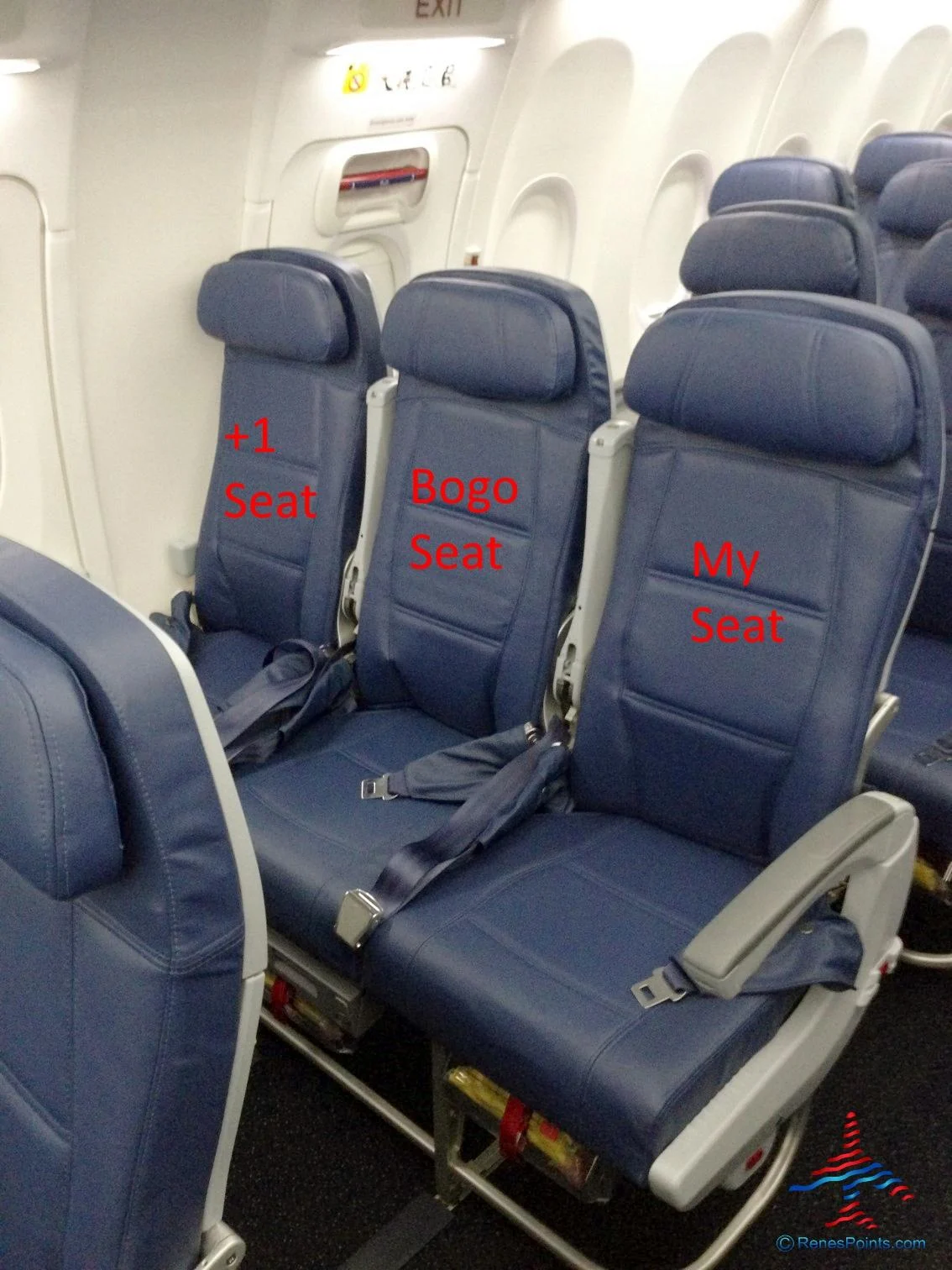
United Airlines has officially announced a specialized seating configuration for its upcoming fleet of Airbus A321XLR aircraft, introducing a dedicated row in the Economy Plus cabin where middle seats will be permanently decommissioned. This move, characterized by the installation of a fixed console table in place of the middle seat, represents a significant shift in narrowbody cabin design and revenue management strategy. The airline plans to block seats 10B and 10E (or similar designations depending on the final cabin map) on its new long-range narrowbody jets, providing passengers in the adjacent window and aisle seats with increased lateral space, shared utility surfaces, and dedicated cup holders. While marketed as a premium comfort enhancement for Economy Plus travelers, industry analysts and regulatory experts point to a more pragmatic catalyst: Federal Aviation Administration (FAA) staffing requirements and operational cost mitigation.
The Regulatory Catalyst: FAA Staffing Rules and the 150-Seat Threshold
The primary driver behind United’s decision to physically block these seats appears to be rooted in Title 14 of the Code of Federal Regulations (CFR) Part 121.391. This FAA mandate dictates the minimum number of flight attendants required on a commercial aircraft based on its seating capacity. Specifically, the rule requires one flight attendant for every 50 passenger seats or fraction thereof. Under these regulations, an aircraft with a capacity of 151 to 200 seats requires a minimum of four flight attendants. However, if the seating capacity is capped at exactly 150, the airline can legally operate the flight with only three flight attendants.
The Airbus A321XLR, a high-density, long-range narrowbody, is often configured by carriers to hold between 180 and 220 passengers. However, United’s premium-heavy configuration for international long-haul routes naturally reduces the total seat count. By strategically blocking two seats to reach a specific threshold—likely 150 or 175 depending on the total layout—United can optimize its labor costs. Eliminating a single flight attendant position on a transatlantic route can save an airline hundreds of thousands of dollars annually per aircraft when accounting for salary, benefits, per diems, and hotel stays. Furthermore, reducing the crew count decreases the total weight of the aircraft, contributing to fuel efficiency on the A321XLR’s thin, long-haul missions.
Technical Specifications and Cabin Design
The physical implementation of this "blocked" seat differs from previous industry attempts to limit capacity. Rather than simply leaving a seat empty or using a removable soft-product barrier, United is installing a permanent fixture. The center console features a leather-like upholstered surface designed to match the surrounding Economy Plus aesthetic. It includes two deep-set cup indentations and a flat surface for tablets, laptops, or beverages.
This design choice addresses a common complaint regarding the "European Business Class" model, where the middle seat is merely left vacant. By adding a fixed table, United prevents passengers from attempting to occupy the space and provides a tangible "hard product" upgrade that justifies a higher price point. The A321XLR is uniquely suited for this experiment; as a narrowbody aircraft designed to fly up to 4,700 nautical miles (approximately 11 hours of flight time), the demand for personal space in the economy cabin is significantly higher than on standard domestic routes.
Chronology of the "Extra Seat" Strategy
The concept of a blocked middle seat is far from a novel innovation in the aviation sector. Its evolution can be traced through several distinct phases of industry history:
- The European Short-Haul Model: For decades, major European carriers such as Lufthansa, British Airways, and Air France have utilized a "flexible" business class. These airlines use standard economy seats throughout the narrowbody cabin but block the middle seat in the forward rows to create a "Club Europe" or "Business" experience. This allows airlines to adjust the size of the premium cabin based on demand by simply moving a curtain.
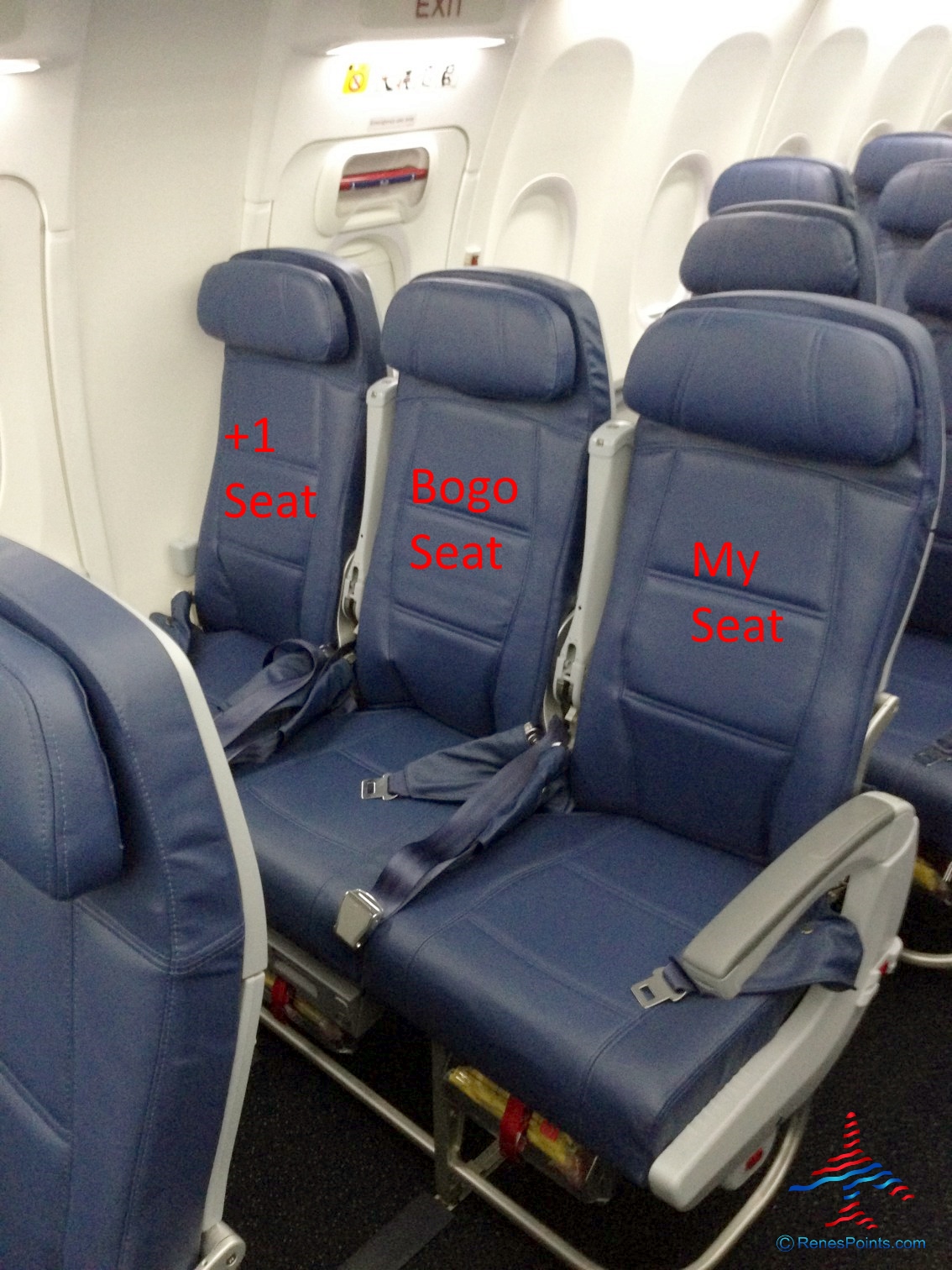
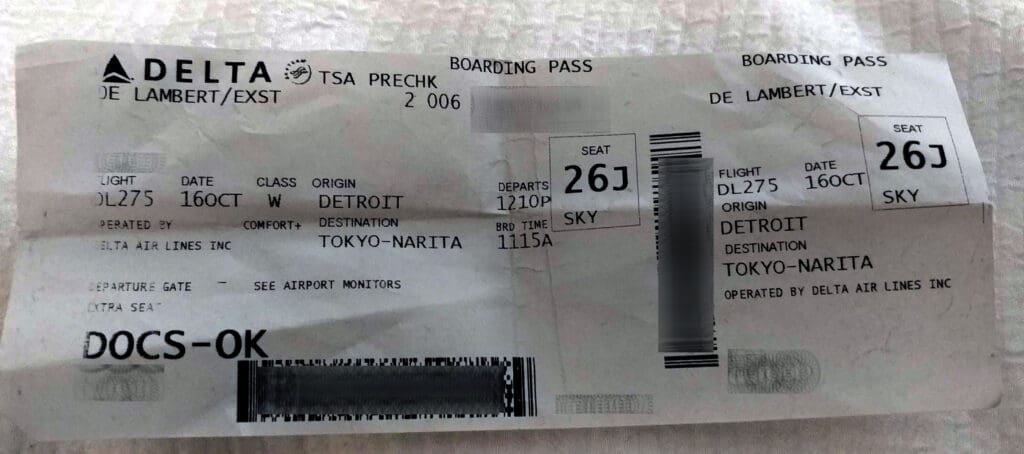
- The Delta "EXST" Protocol: Since at least 2017, Delta Air Lines has offered a formal process for passengers to purchase an "Extra Seat" (coded as EXST in the reservation system). While primarily used by passengers of size or those carrying delicate musical instruments, savvy travelers have used this booking code to guarantee a vacant middle seat. This method, however, requires manual intervention by reservations agents and does not yield frequent flyer miles for the second seat.
- The Pandemic-Era Response: In 2020 and early 2021, several airlines, most notably Delta, Southwest, and Alaska Airlines, implemented fleet-wide middle-seat blocking to encourage social distancing. While these programs were temporary and driven by public health concerns, they demonstrated a significant consumer appetite for increased lateral space in the economy cabin.
- The Companion Certificate Strategy: Travel enthusiasts have historically utilized credit card benefits, such as the Delta SkyMiles Platinum or Reserve American Express Companion Certificates, to book a "ghost" passenger. By booking themselves and an "invisible plus one," travelers could effectively secure a row for the cost of one ticket plus taxes and fees.
Comparative Market Analysis: United vs. Delta
United’s latest move coincides with a broader industry trend toward "unbundling" premium experiences. Earlier this year, Delta Air Lines introduced a "Basic Business" fare class. This strategy takes a high-end hard product—the Delta One lie-flat suite—and strips away the "soft" amenities, such as lounge access, advanced seat selection, and priority boarding, to offer a lower entry price for the premium cabin.
United is approaching the same goal from the opposite direction. Instead of devaluing a premium seat, United is "up-valuing" an economy seat. By taking the standard Economy Plus product and adding a guaranteed empty space, they are creating a middle ground between traditional economy and a true international Premium Economy or Business Class product.
Industry analysts suggest that both airlines are targeting the "premium leisure" traveler—a demographic that emerged strongly post-pandemic. These travelers are willing to pay more than a standard economy fare for comfort but may not have the budget or corporate backing for a $5,000 business class ticket. United’s blocked middle seat offers a compromise: the legroom of Economy Plus (typically 34–35 inches of pitch) combined with the shoulder room of a premium cabin.
Stakeholder Reactions and Economic Implications
The reaction from industry stakeholders has been mixed, reflecting the complex nature of airline economics.
Labor Unions: The Association of Flight Attendants (AFA-CWA), which represents United’s cabin crew, has historically been wary of any moves that reduce staffing levels. While the union advocates for passenger comfort, they emphasize that flight attendants are primarily safety professionals. Reducing crew counts to the FAA minimum can increase the workload for the remaining crew, particularly during meal services on long-haul flights or in the event of an emergency evacuation.
Revenue Management Experts: Analysts view the move as a masterclass in "found money." By blocking seats that might have otherwise gone unsold or were required to be empty for weight and balance or staffing reasons, United is turning a liability into a sellable asset. If the airline can charge a $200–$400 premium for the seats adjacent to the blocked middle, they can potentially generate more revenue from a 150-seat cabin than they would from a 152-seat cabin where the last two seats are sold at a deep discount.
Passenger Advocacy Groups: Consumer advocates generally welcome any initiative that increases personal space. However, there are concerns that this sets a precedent for further "shrinkflation" in the main cabin. As airlines find more ways to monetize the absence of a neighbor, the standard economy experience may become increasingly cramped to further incentivize the upsell.
Broader Impact on Long-Haul Narrowbody Travel
The introduction of the Airbus A321XLR is a turning point for the industry. Traditionally, transatlantic and long-haul routes were the exclusive domain of widebody aircraft like the Boeing 777 or the Airbus A350. These "jumbo" jets naturally offer more overhead bin space and a sense of cabin volume. Transitioning these routes to narrowbody aircraft (single-aisle) presents a psychological challenge for passengers.
United’s decision to enhance the Economy Plus experience on the A321XLR is a strategic attempt to mitigate the "narrowbody fatigue" that can occur on an 8-hour flight in a single-aisle plane. By providing a row that feels more spacious, United is positioning the A321XLR not as a step down in comfort from a widebody, but as a modern, tailored experience.
As United begins taking delivery of the A321XLR later this year, the success of the blocked middle seat will likely be measured by its "attach rate"—how often passengers are willing to pay the premium. If successful, this model could be expanded to other aircraft in United’s fleet, such as the Boeing 737 MAX 8 and MAX 9, particularly on longer domestic routes like Newark to Los Angeles or San Francisco.
In conclusion, United’s blocked middle seat is a multifaceted tactical move. It harmonizes the need for operational efficiency and regulatory compliance with the growing market demand for "attainable luxury." While it draws on decades of industry practice from Europe and domestic competitors, the permanent physical integration of the console table marks a new chapter in the commodification of cabin space. Travelers should view this not as a revolution in aviation, but as a calculated refinement of the economy experience, designed to benefit the airline’s bottom line as much as the passenger’s elbow room.



 Anjar Salim
 Chandra Hamzah
 Tatiana Tantri Indah Sari
 Lukman Taruna Persada Ramadan
