
 Cholid Fahmi Thalib
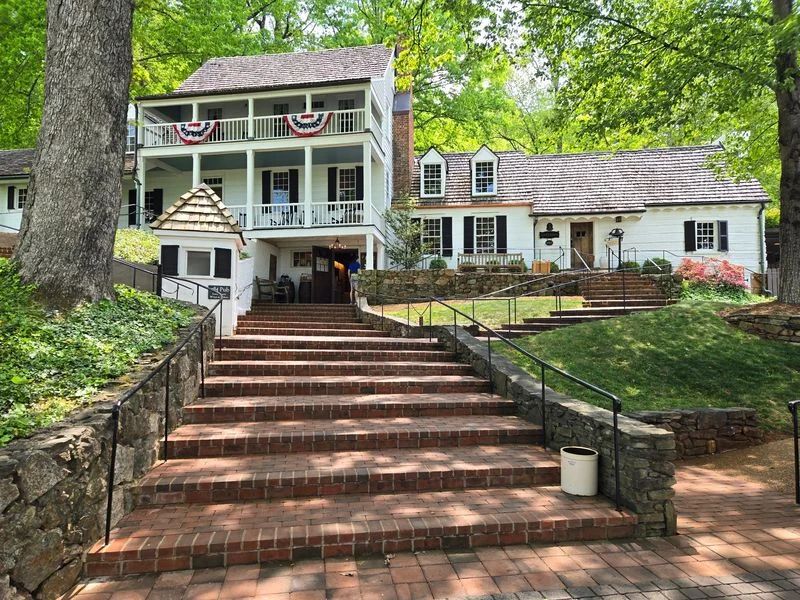
Culinary tourism across the Commonwealth of Virginia has evolved far beyond traditional Southern comfort fare, expanding into a diverse landscape where historic preservation, architectural idiosyncrasies, and gastronomic innovation intersect. Across the state, dining establishments are increasingly functioning as cultural touchstones, transforming routine meals into immersive historical and aesthetic experiences. Industry analysts note that experiential dining—where the ambiance, historical provenance, or novelty of a venue drives consumer demand as much as the food itself—has become a powerful economic driver for regional tourism. Road-trippers and destination diners are actively seeking out locations that offer a definitive sense of place, blending regional heritage with culinary distinction. An examination of ten exceptional eateries across Virginia illustrates how food service, historical architecture, and creative branding converge to shape the state’s modern hospitality sector.
Mid-Century Nostalgia and Americana: The Pink Cadillac Diner and Doumar’s
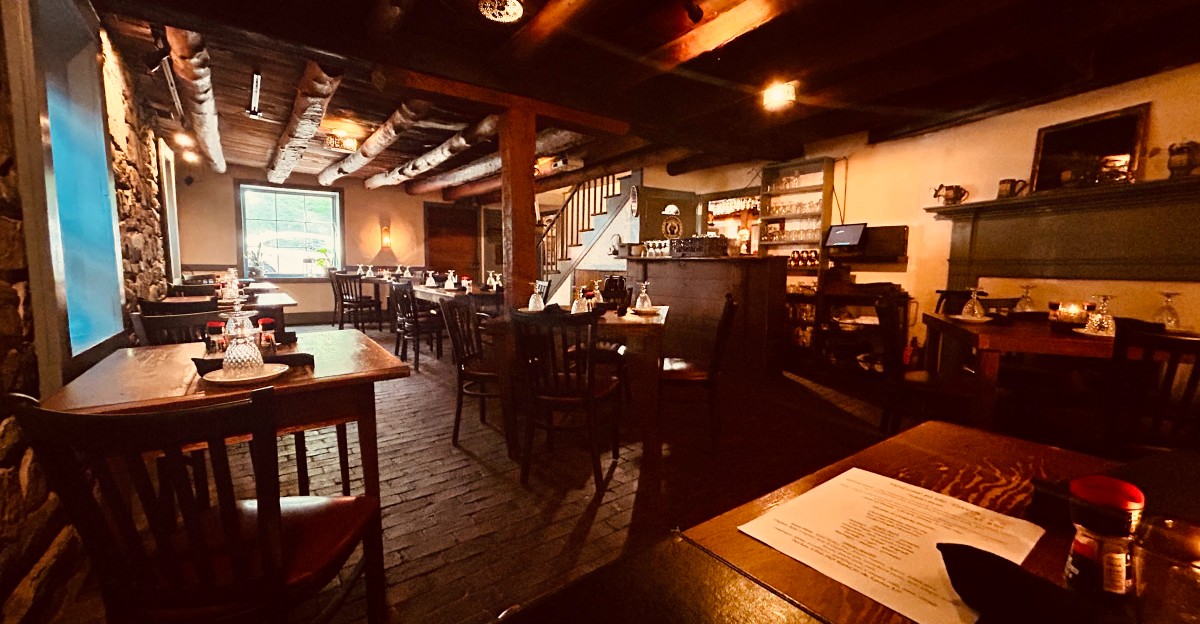
The mid-century American roadside culture experiences a living revival in Natural Bridge and Norfolk, where historical continuity meets classic diner fare. At The Pink Cadillac Diner, located along South Lee Highway in Natural Bridge, the dining environment serves as an architectural homage to the 1950s. Dominated by a vivid pink exterior and anchored by a vintage Cadillac parked prominently near the entrance, the venue utilizes period iconography—including photographic tributes to Elvis Presley—to establish a cohesive mid-century motif. Culinary offerings remain aligned with traditional American diner staples, featuring chicken-fried chicken, pulled pork sandwiches, taco salad, and fried pickles, complemented by malted milkshakes and sundaes. According to hospitality researchers, themed dining concepts that leverage mid-century nostalgia effectively capture multi-generational demographics, appealing to older patrons seeking familiarity while introducing younger travelers to historical aesthetics.
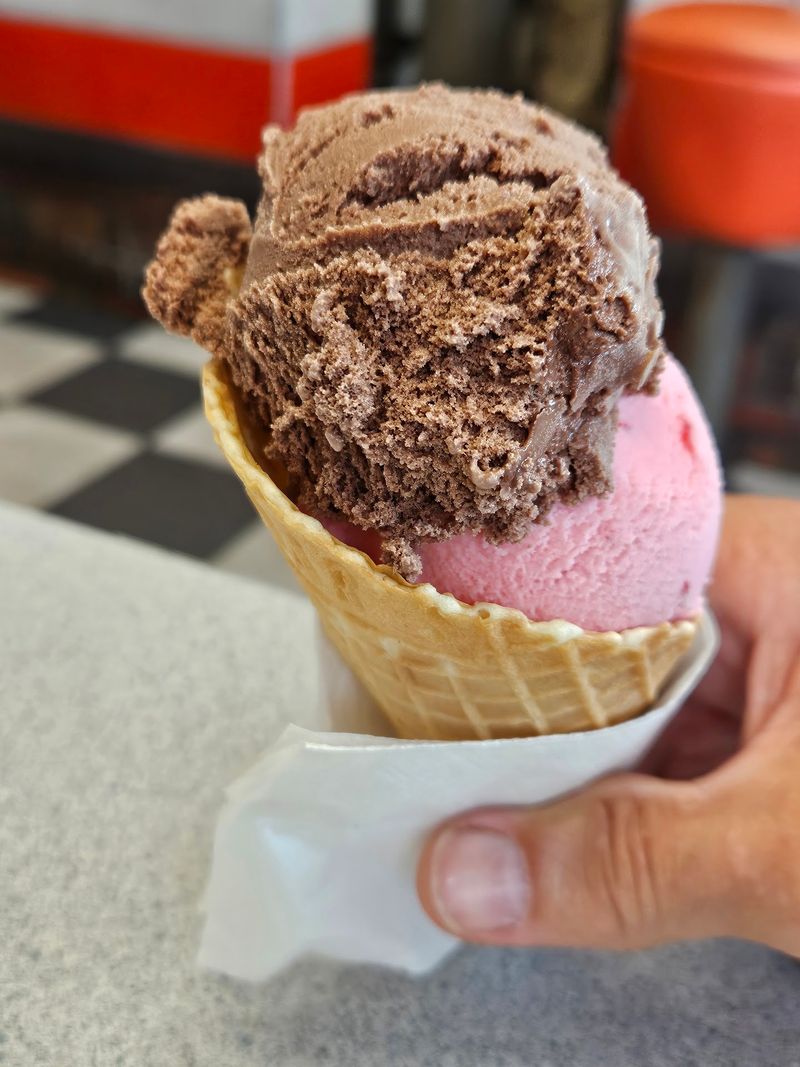
Further east in Norfolk, Doumar’s Cones & Barbecue represents a monumental milestone in American culinary history. Operating at 1919 Monticello Ave, Doumar’s is historically recognized for its association with the invention of the waffle cone, famously popularized at the 1904 St. Louis World’s Fair by Abe Doumar. The establishment continues to utilize the original, custom-built 1904 waffle-iron machine to bake cones on-site, producing a delicate, crisp pastry that elevates standard dessert offerings. Alongside its famous Carolina-style barbecue sandwiches, hot dogs, and steak sandwiches, the restaurant maintains classic soda-fountain operations, serving milkshakes, orange creamsicle freezes, and traditional sundaes. Doumar’s remains a rare surviving exemplar of curbside carhop service, a operational model that defined American automobile culture in the mid-20th century. Local tourism authorities frequently cite Doumar’s as an irreplaceable culinary landmark, preserving both an early industrial food innovation and the distinct operational heritage of American carhop dining.
Living History: Colonial and Revolutionary-Era Taverns
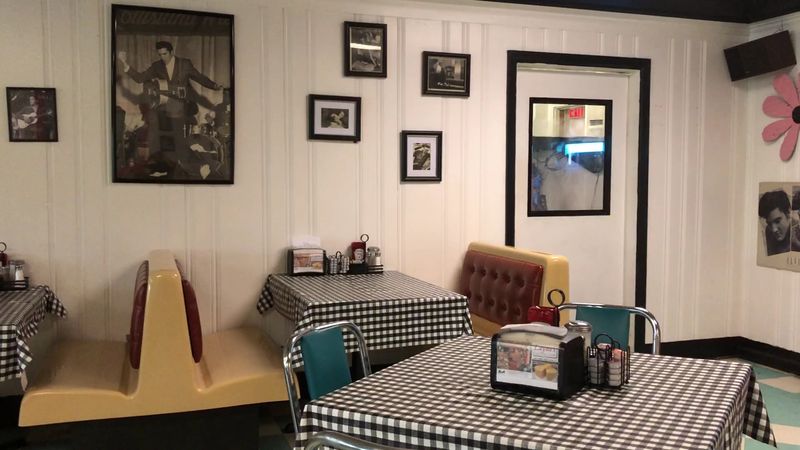
Virginia’s deep colonial roots are meticulously preserved through operating taverns that transport patrons directly into the 18th century. In Charlottesville, Michie Tavern—established circa 1784 along Thomas Jefferson Parkway—operates as a living history museum and dining destination. The establishment features a buffet-style service model anchored by traditional Southern fare, including fried chicken, hand-pulled pork barbecue, house-made biscuits, and cornbread, served in a rustic dining room featuring original stone fireplaces. Servers dressed in period-accurate 18th-century attire reinforce the historical immersion, contextualizing the meal within the broader framework of early American tavern culture. Tourism data indicates that historic dining sites such as Michie Tavern significantly bolster regional heritage tourism, encouraging visitors to extend their stays by pairing meals with historical property tours and artisan exhibits.
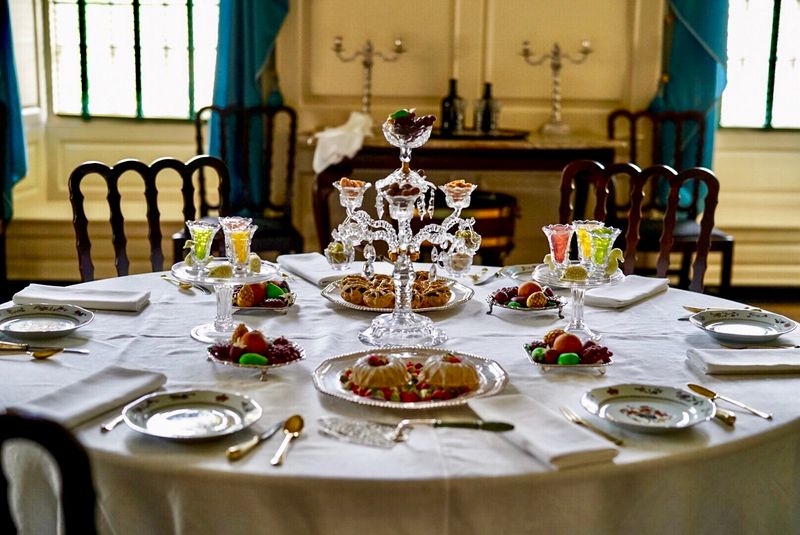
Similarly, King’s Arms Tavern in Williamsburg occupies a central role in the preservation of colonial dining traditions. Situated within the historic area of Colonial Williamsburg at 416 E Duke of Gloucester St, the tavern is an 18th-century style reproduction that delivers a formal, candlelit dining experience. The menu features historical adaptations such as Game Pie, Chicken Hash, and Onion Pye, accompanied by period desserts including bread pudding, Snow Eggs, and pecan pie. The operational framework of King’s Arms Tavern emphasizes a deliberate departure from contemporary fast-paced dining, utilizing live acoustic music, open hearths, and strict reservation protocols to recreate the socio-culinary environment of the pre-Revolutionary era. Historians note that such establishments perform an essential educational function, allowing the public to engage with historical foodways, agricultural practices, and social customs of the 1700s.
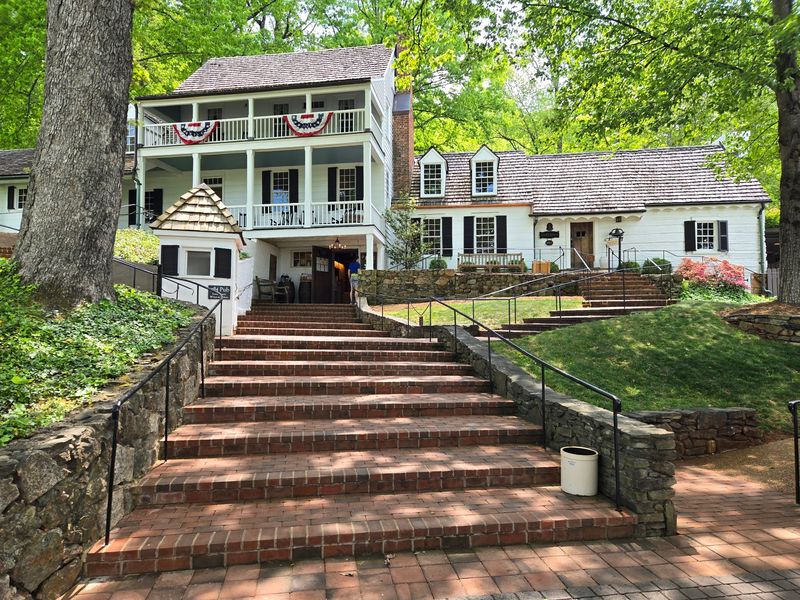
Further southwest in Abingdon, The Tavern—housed within an inn dating back to 1779—provides a synthesis of early American frontier history and continental cuisine. Located at 222 E Main St, the building itself stands as one of the oldest structures in the region, featuring original low ceiling beams, exposed stone walls, and brick flooring that bore witness to the town’s origins as a staging ground for westward expansion. The culinary program bridges American and German traditions, offering dishes such as Jagerschnitzel, Tavern Trout, crab cakes, and stuffed filet mignon. The preservation of such architectural antiquities requires stringent structural maintenance, with preservationists commending operators who successfully integrate modern commercial kitchens into 18th-century envelopes without compromising historical integrity.
International Flavors and Avant-Garde Innovations
Beyond historical reenactment and Americana, Virginia’s culinary topography features robust international traditions and boundary-pushing contemporary gastronomy. The Bavarian Chef, located in Madison along South Seminole Trail, has served authentic German cuisine since the 1970s. Housed within a traditional chalet structure adorned with stained glass and wood-paneled walls, the family-run enterprise emphasizes classical preparation methods, featuring specialties such as Jäger Schnitzel, Mandel Schnitzel, creamy red pepper soup, and Black Forest cake. Cultural anthropologists observe that ethnic restaurants rooted in rural or semi-rural American landscapes often serve as important anchors for cultural exchange, introducing European culinary traditions to regional populations and diversifying the local gastronomic identity.
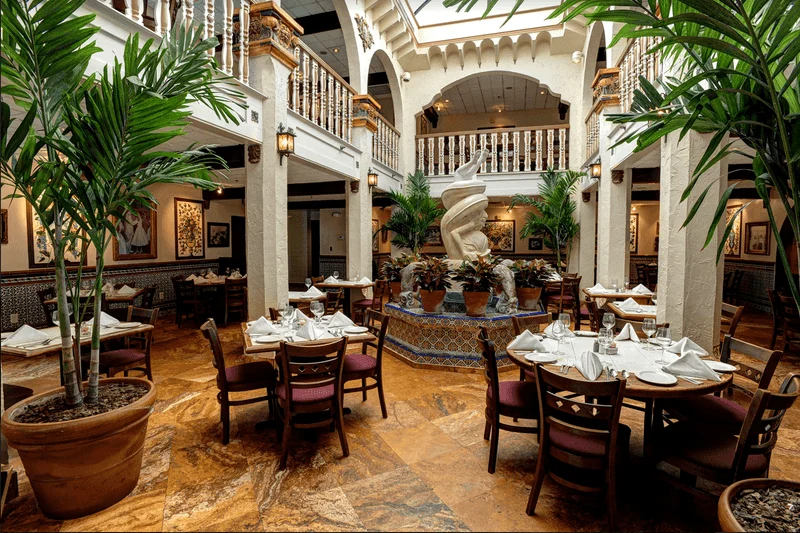
In stark contrast to traditional chalets and historical taverns, Richmond’s L’Opossum—situated at 626 China St—presents an eccentric, highly theatrical approach to fine dining. Helmed by acclaimed culinary professionals, the restaurant combines playful French-inspired cuisine, exemplified by whimsical menu items such as Filet Mignon of Beef Swellington, with an eclectic, art-dense interior. Cultural critics note that fine dining establishments incorporating high-concept humor and avant-garde visual styling challenge the historical formality traditionally associated with French gastronomy, making high-end culinary arts more accessible and culturally relevant to contemporary consumers.
In Staunton, The Shack operates within a modest architectural footprint at 105 S Coalter St, yet commands significant regional acclaim for its New American cuisine. Characterized by mismatched seating and unconventional wall art, the small-scale dining room focuses on seasonal, house-made pastas and locally sourced ingredients, such as house-crafted pappardelle and artisanal pizzas. Gastronomic analysts frequently highlight micro-restaurants like The Shack as catalysts for downtown revitalization, proving that ambitious, high-caliber culinary programs can thrive outside major metropolitan centers when paired with a distinct, unpretentious aesthetic.
Berryville Tea Culture and Ultimate Luxury in Washington
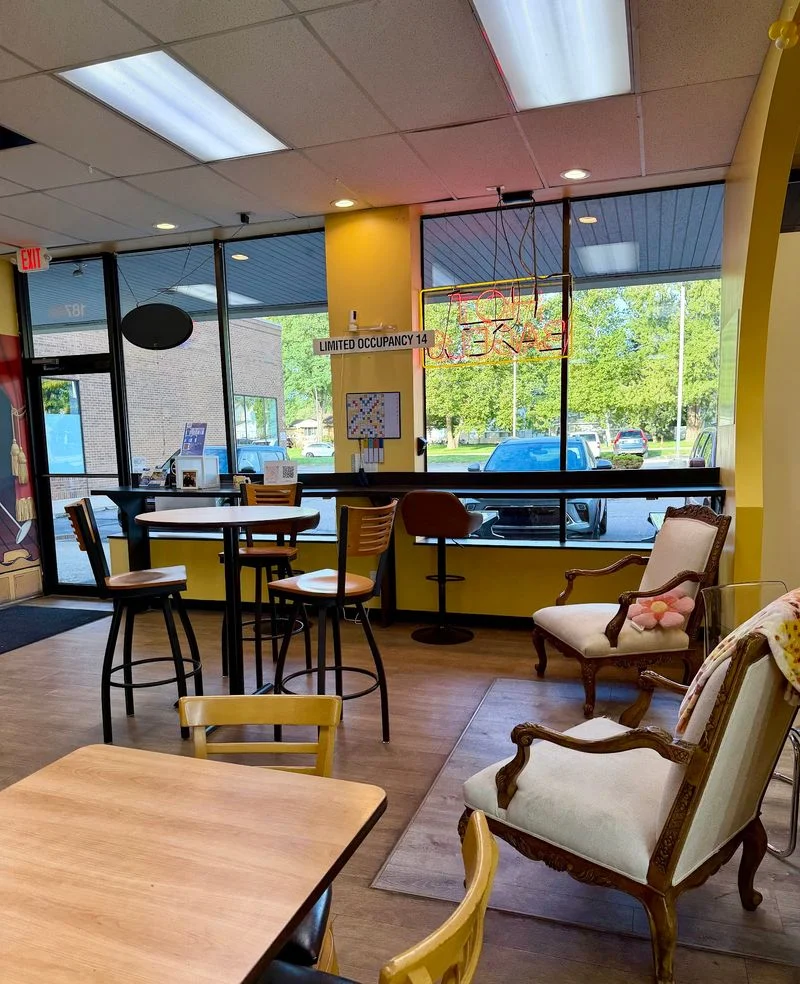
Concluding the spectrum of unique Virginia dining experiences are refined celebrations of leisure and high-end luxury. The Tea Cart, located at 16 W Main St in Berryville, offers a traditional British afternoon tea service accompanied by a playful touch: patrons are invited to borrow and wear decorative hats during their meal. Featuring an extensive loose-leaf tea menu, savory courses, and house-made scones and pastries, the establishment emphasizes a deliberate deceleration of pace, catering to patrons seeking ceremonial mindfulness amidst busy modern schedules.
At the pinnacle of the state’s luxury dining sector stands The Inn at Little Washington, located at 309 Middle St in the village of Washington. Operating as a globally recognized culinary destination, the property features a multi-course tasting menu format that represents the highest tier of American fine dining. Accompanied by plush accommodations, private gardens, and an integrated art gallery, the establishment operates under rigorous standards of service and culinary precision. Economic impact assessments of Michelin-starred and globally elite establishments demonstrate that properties like The Inn at Little Washington act as powerful magnets for international tourism, elevating the broader profile of Virginia’s agricultural and hospitality supply chains while driving substantial regional economic growth.


 Gabriela Annisa

 Lukman Taruna Persada Ramadan

 Tatiana Tantri Indah Sari

 Anjar Salim


 Dwi Wanna
