
 Gabriela Annisa
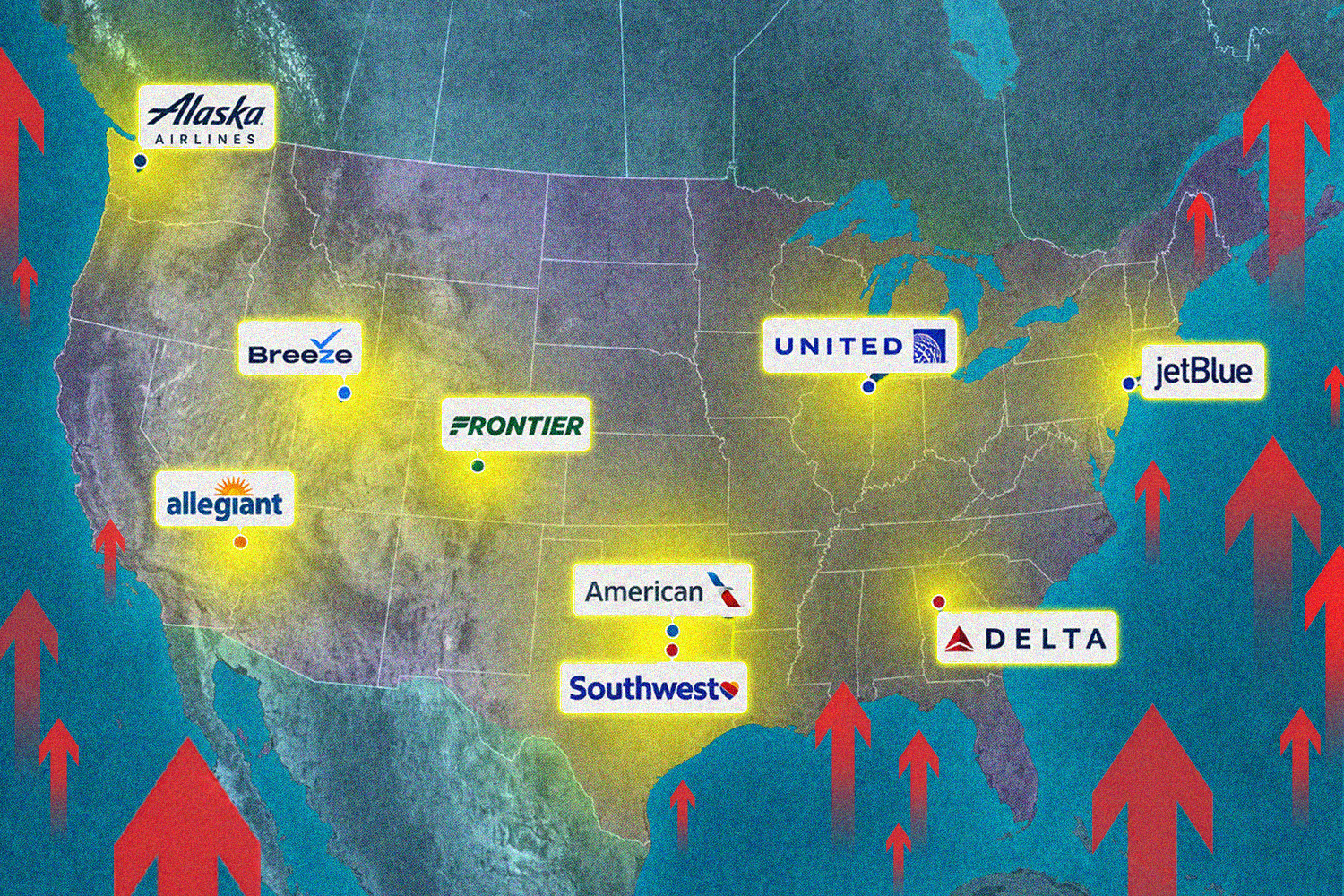
The Anatomy of the Fuel Crisis
The current economic environment is defined by a sharp escalation in energy prices that has sent shockwaves through the global transportation sector. For airlines, fuel typically represents one of the largest single line items on a balance sheet, often accounting for 20% to 30% of total operating expenses. The sudden spike in late 2026 has disrupted the recovery trajectory that many North American carriers had banked on following the mid-decade stabilization of travel markets.
This phenomenon is not occurring in a vacuum. Geopolitical tensions, production constraints in key refining regions, and an uptick in global energy demand have converged to create a "perfect storm" for aviation. While legacy carriers have historically utilized hedging strategies to mitigate these risks, the current volatility has outpaced many existing contracts, forcing airlines to absorb higher spot prices. The result is a tightening of profit margins that threatens to erode the gains made during the post-pandemic travel boom.
Chronology of the 2026 Market Shift
To understand the current state of the industry, one must examine the progression of events leading to this month’s heightened sensitivity.
- Q1 2026: Initial projections for the year suggested a period of moderate fuel costs, allowing airlines to focus on operational efficiency and fleet renewal.
- April–May 2026: Early indicators of tightening supply chains began to influence energy markets, leading to a steady, albeit manageable, rise in fuel surcharges.
- July 2026: A series of supply chain bottlenecks and unexpected refinery maintenance schedules led to a significant contraction in available jet fuel, causing prices to decouple from broader market trends.
- August 2026: Airlines began reporting a deceleration in the rate of premium cabin bookings, signaling that the "revenge travel" era—which had allowed for aggressive pricing power—was finally beginning to reach a ceiling.
- September 2026: The current reality manifests as a dual challenge: sustained high fuel costs coinciding with a softening of consumer discretionary spending, forcing carriers to re-evaluate their capacity and pricing strategies for the upcoming winter season.
The Revenue Cushion: How Long Will It Last?
The primary buffer protecting the industry from a full-scale profitability crisis has been the unwavering strength of consumer demand. Throughout 2025 and the first half of 2026, passengers demonstrated a willingness to pay premium fares, regardless of inflationary pressures. This phenomenon, often described as "experiential spending," prioritized travel over other forms of consumption.
However, data from the Bureau of Transportation Statistics and internal airline reports suggest that the price elasticity of demand is changing. As the cost of a standard economy ticket climbs to accommodate fuel surcharges, the volume of leisure travel is showing signs of thinning. Business travel, while recovering, remains below pre-pandemic volume, meaning that airlines cannot rely on corporate contracts to subsidize the volatility in the way they once did.
The industry is currently in a state of "wait and see." If carriers maintain current capacity, they risk flying empty seats on high-cost fuel; if they reduce capacity to save on costs, they risk losing market share to low-cost carriers who are often more adept at rapid operational adjustments.
Supporting Data and Financial Implications
Industry analysts have pointed to a notable divergence in performance between legacy carriers and low-cost carriers (LCCs). Legacy airlines, burdened by higher debt loads and more complex operational structures, are currently feeling the squeeze more acutely. According to recent market briefings, the average fuel price per gallon for North American carriers has increased by approximately 22% compared to the same period in 2025.
Conversely, LCCs have utilized younger, more fuel-efficient fleets to mitigate the impact of rising costs. Airlines that invested in next-generation aircraft—such as the Airbus A321neo or the Boeing 737 MAX series—are reporting lower fuel burn per seat-mile, providing them with a distinct competitive advantage in the current pricing environment. This technological disparity is expected to drive a wave of accelerated fleet retirements across the industry as older, less efficient jets become prohibitively expensive to operate.
Official Perspectives and Industry Response
While no official industry-wide "panic" has been declared, the language from executive suites has shifted from cautious optimism to tactical pragmatism. Airline CEOs have repeatedly emphasized the importance of "operational flexibility" in their recent investor calls.
"Our goal remains to provide connectivity while maintaining financial discipline," noted a spokesperson for a major North American aviation trade group. "While fuel volatility is a reality of our business model, we are focused on optimizing our route networks to ensure that every flight remains economically viable. We are monitoring demand signals closely and will adjust capacity as needed to protect our bottom line."
Investors are keeping a watchful eye on upcoming third-quarter earnings reports. Market sentiment suggests that shareholders are looking for evidence of cost-cutting measures beyond just fuel surcharges, including potential delays in non-essential capital expenditures and a more conservative approach to growth and expansion.
Broader Impact and Future Outlook
The implications of this fuel-induced pressure extend beyond the balance sheets of the airlines themselves. The cost of air travel is a primary driver of the broader tourism and hospitality economy. Should airlines continue to raise prices to cover fuel, the ripple effect will likely be felt in hotel occupancy rates, car rental demand, and regional tourist spending.
Furthermore, this environment serves as a litmus test for the industry’s long-term sustainability goals. With the transition to Sustainable Aviation Fuel (SAF) already a central part of the industry’s agenda, the current fuel price shock highlights the urgency of scaling these alternatives. However, the high cost of SAF compared to conventional jet fuel creates a paradoxical situation: airlines want to be greener, but they have less capital to invest in transition technologies when they are struggling to maintain margins against current fuel volatility.
The coming months will be decisive. If fuel prices stabilize or begin to moderate, the industry may avoid a significant contraction. However, if the current trajectory holds, North American airlines may be forced to initiate a more permanent restructuring of their business models. This could include reduced service frequencies on secondary routes, a more aggressive push for ancillary revenue, and a potential consolidation of regional networks to maximize efficiency.
Conclusion: Navigating the Turbulence
The airline industry has survived crises before, from the post-2001 downturn to the global financial crisis and the pandemic-era lockdowns. Each time, the sector has emerged transformed. The current challenge, while distinct in its dependence on energy market fluctuations, is fundamentally a test of the industry’s ability to pivot.
As the industry navigates the remainder of 2026, the key to survival will lie in the ability to balance the necessity of passing on costs with the reality of a consumer base that is becoming increasingly price-sensitive. The "pressure dial" mentioned in industry reports may not be in the red yet, but the needle is undeniably rising. How airlines manage this pressure will determine not only their individual profitability but the stability of the entire North American travel ecosystem for the years to come.




 Lukman Taruna Persada Ramadan

 Tatiana Tantri Indah Sari

 Anjar Salim


 Dwi Wanna
