
 Tatiana Tantri Indah Sari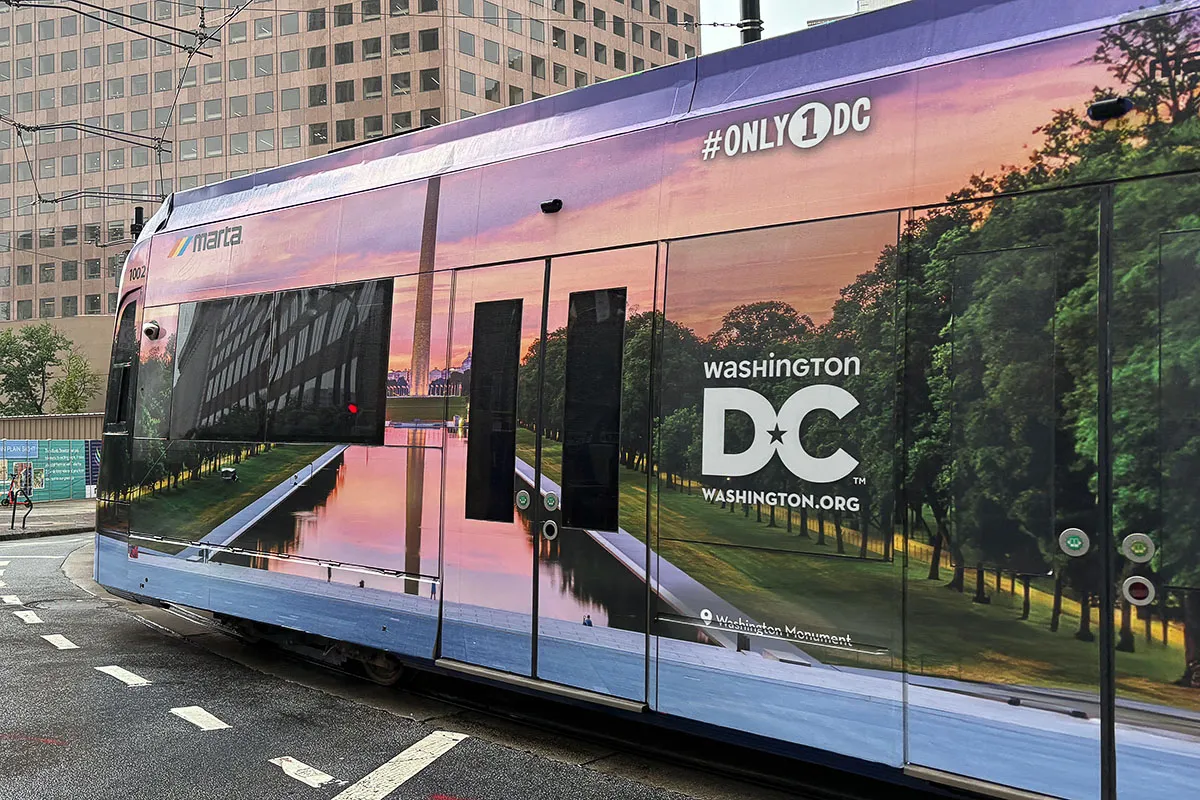
Washington, D.C.’s vibrant tourism sector experienced a year of near stagnation in 2025, with visitor numbers barely inching past the previous year’s figures, a troubling trend driven predominantly by a significant decline in international travelers and exacerbated by persistent domestic challenges. The nation’s capital welcomed 27.2 million visitors in 2025, an increase of a mere 20,000 from 2024, signaling a flat market that has sent ripples of concern through the city’s hospitality and related industries. This anemic growth comes at a particularly precarious time, as the city’s primary tourism promotion agency, Destination D.C., grapples with a drastic two-thirds reduction in its advertising budget, severely limiting its capacity to attract visitors in an increasingly competitive global landscape. The confluence of fewer foreign tourists, the visible deployment of National Guard troops, and repeated federal government shutdowns coupled with mass federal worker firings has created a perfect storm, dampening both leisure and crucial business travel demand. Elliott Ferguson II, President and CEO of Destination D.C., encapsulated the prevailing sentiment of frustration and exhaustion within the industry, remarking, "I’d probably need a shot of vodka to tell you how I really feel about how it’s been," a candid admission highlighting the immense pressure facing the city’s visitor economy.
The Plateau: A Closer Look at Visitor Statistics
The 2025 visitor report paints a stark picture of a market struggling to regain momentum. While the overall number of visitors reached 27.2 million, the marginal 0.07% increase from 2024 represents a significant slowdown compared to the robust recovery trajectories observed in many other major U.S. metropolitan areas. Domestic leisure travel, while still forming the bedrock of D.C.’s tourism, showed signs of plateauing after an initial post-pandemic surge, contributing to approximately 24 million of the total visitors. However, the most alarming metric was the steep decline in international visitors, which fell by an estimated 18% in 2025 compared to 2024, reaching just 3.2 million. This downturn in overseas arrivals is particularly impactful given that international tourists typically stay longer and spend significantly more per visit than their domestic counterparts, making them an outsized contributor to the local economy. In 2023, for instance, international visitors, while only 10% of the total, accounted for over 25% of the total visitor spending. The 2025 figures underscore a worrying reversal of pre-pandemic growth trends and a struggle to recapture a vital segment of the market.
Budgetary Constraints Crippling Promotional Efforts
At the heart of D.C.’s struggle to attract new visitors is the severe cut to Destination D.C.’s advertising and marketing budget. The agency, responsible for promoting the city as a premier global travel destination, saw its budget slashed from an estimated $24 million in 2024 to just $8 million for 2025. This 66% reduction has forced the cancellation or significant scaling back of critical international marketing campaigns, domestic promotional partnerships, and participation in key travel trade shows. Historically, Destination D.C. has leveraged these funds to run targeted digital campaigns in key European and Asian markets, host international media familiarization trips, and develop compelling narratives that showcase the city’s diverse attractions beyond its federal monuments. With the reduced budget, the agency’s ability to compete with other major cities that are actively investing in aggressive tourism promotion has been severely compromised. Experts suggest that for every dollar invested in tourism marketing, a city can see a return of anywhere from $3 to $10 in visitor spending and tax revenue, making this budget cut a short-sighted measure with potentially long-term negative economic consequences.
Factors Deterring International Visitors: A Complex Web
The decline in foreign tourism to Washington, D.C., in 2025 can be attributed to a confluence of both local and global factors. A prominent local deterrent cited by industry insiders is the visible and prolonged deployment of National Guard troops within the city. Starting in August 2025, and continuing through the end of the year, several hundred National Guard personnel were deployed to various high-profile locations across the city, ostensibly for security and crowd control purposes amidst heightened political tensions. While intended to ensure safety, the sight of armed troops in uniform patrolling tourist areas, particularly for international visitors unfamiliar with U.S. domestic security protocols, can create an impression of instability or danger. Travel advisories from some European nations reportedly mentioned "heightened security presence" in D.C., potentially influencing travel decisions.
Beyond the local context, broader global trends have also played a role. The continued strength of the U.S. dollar against major foreign currencies has made travel to the United States more expensive for many international tourists. Furthermore, persistent visa processing delays at U.S. consulates in key source markets, a lingering issue since the pandemic, have created bottlenecks for potential visitors. Intense competition from other global destinations, many of which offer more streamlined entry processes and robust marketing, has also drawn away potential visitors who might otherwise have chosen D.C. The perception of a challenging and potentially unwelcoming travel environment, even if not fully reflective of reality, is a significant hurdle for attracting overseas guests.
The Shadow of Federal Instability: Impact on Business Travel
Washington, D.C.’s unique identity as the nation’s capital means its economy is inextricably linked to the federal government. This dependency, while often a source of stability, became a significant liability in 2025. The year was marked by an unprecedented series of repeated federal government shutdowns, some lasting for weeks, as political impasses led to funding lapses. These shutdowns had a cascading negative effect on business travel. Government contractors, lobbyists, association executives, and academics who frequently visit D.C. for meetings, conferences, and legislative advocacy found their plans disrupted or canceled entirely. The uncertainty surrounding federal operations made long-term planning for such trips nearly impossible.
Compounding this was the mass firing or furloughing of tens of thousands of federal workers during these shutdowns. While many eventually returned to their jobs, the economic instability and reduced disposable income for a significant portion of the local workforce meant less spending on local hospitality services, including restaurants, attractions, and retail. Moreover, the general atmosphere of political discord and operational unpredictability deterred many organizations from scheduling large-scale conventions or meetings in the city, fearing potential disruptions or a negative public perception associated with the ongoing federal turmoil. This segment of "business visitors" is crucial for D.C.’s hotels and convention centers, often filling rooms during weekdays when leisure travel is typically lower. The loss of this steady revenue stream has been particularly painful for the city’s hospitality ecosystem.
Voices from the Front Lines: Industry Reactions
The frustration expressed by Elliott Ferguson II of Destination D.C. is echoed across the city’s tourism and hospitality sectors. "This isn’t just a slight dip; it’s a warning sign that our competitive edge is eroding," Ferguson elaborated in a subsequent press briefing. "We are asking our partners to do more with less, while our competitors are doubling down on their investments. The two-thirds cut to our marketing budget isn’t just numbers on a spreadsheet; it means fewer jobs, less tax revenue, and a slower recovery for thousands of D.C. residents who depend on this industry." He emphasized the agency’s pivot towards highly targeted, cost-effective digital campaigns and increased collaboration with local businesses to amplify their collective voice, but acknowledged the uphill battle.
Hotel managers across the city have reported a challenging year. Maria Sanchez, General Manager of a prominent downtown hotel, noted, "Our corporate bookings were erratic all year due to the federal shutdowns. We saw significant cancellations and a reluctance to book future large events. International groups, which used to be a reliable source of revenue, were almost non-existent for much of the latter half of the year. Our occupancy rates, especially midweek, have struggled to climb above 65%, a far cry from the 80% we aimed for." Local restaurant owners have also felt the pinch. "Foot traffic, especially in the areas near government buildings, was noticeably down," said David Chen, owner of a popular eatery in Penn Quarter. "When federal workers are home or worried about their jobs, they’re not dining out. And with fewer tourists, particularly from overseas, our weekend business also suffered."
D.C. Mayor Muriel Bowser acknowledged the challenges, stating in a public address, "Our city’s economy thrives when our tourism sector is strong, and the 2025 numbers are a clear call to action. We are committed to working with Destination D.C. and our federal partners to stabilize the environment and ensure Washington D.C. remains a welcoming and vibrant destination. We need federal stability, and we need to ensure our city’s marketing efforts are adequately funded to compete globally." Council members have also expressed concern, with some advocating for a re-evaluation of the tourism budget cuts, recognizing the long-term economic implications.
Economic Ramifications and Broader Impact
The stagnation in D.C.’s tourism sector in 2025 carries significant economic ramifications for the city. Tourism is a major economic engine, supporting tens of thousands of jobs across hotels, restaurants, retail, attractions, and transportation. A flat visitor count translates directly to reduced spending, which in turn impacts local businesses’ revenues, profitability, and their ability to retain and hire staff. Early estimates suggest that the city may have foregone hundreds of millions of dollars in potential visitor spending due to the stagnation, leading to a shortfall in sales tax, hotel occupancy tax, and other tourism-related tax revenues. These taxes are crucial for funding essential city services, from public safety to education.
Beyond the direct economic impact, there are broader implications for D.C.’s image and competitiveness. A perception of instability, whether due to federal shutdowns or visible security presence, can tarnish the city’s reputation as a safe and welcoming destination. This can be particularly damaging for long-term international appeal. Moreover, as other major U.S. cities like New York, Orlando, and Los Angeles continue to invest heavily in their tourism infrastructure and marketing, D.C. risks falling behind in the global tourism race if it cannot effectively counter these headwinds.
Historical Context and the Path Forward
Prior to the pandemic, Washington, D.C. was on a consistent upward trajectory, attracting a record 24.6 million visitors in 2019, with robust growth in both domestic and international markets. The pandemic dealt a severe blow, and while 2023 and early 2024 showed promising signs of recovery, 2025 represents a significant setback. The city’s reliance on both leisure and business travel, particularly its unique dependency on federal government activity, means its recovery path is inherently different from other destinations.
Moving forward, industry leaders and city officials are advocating for a multi-pronged approach. This includes intensified lobbying efforts to secure more stable federal funding for the city’s promotional efforts, as well as advocating for greater political stability to avoid future federal shutdowns. Destination D.C. plans to focus on strengthening its domestic market appeal through targeted campaigns highlighting D.C.’s diverse neighborhoods, culinary scene, and cultural institutions beyond the traditional monuments. Efforts to diversify the international visitor base, exploring emerging markets and leveraging niche interests such as culinary tourism or arts and culture, are also underway, albeit with significantly reduced resources. The upcoming calendar of major conventions and events, such as the potential for future political conventions or significant anniversaries, will be crucial opportunities to showcase the city’s resilience and appeal. Ultimately, a sustained recovery for Washington D.C.’s tourism sector will require not only dedicated local efforts but also a more stable and predictable national environment.



 Anjar Salim
 Chandra Hamzah
 Budi Mulyono
 Lukman Taruna Persada Ramadan
