
 Tatiana Tantri Indah Sari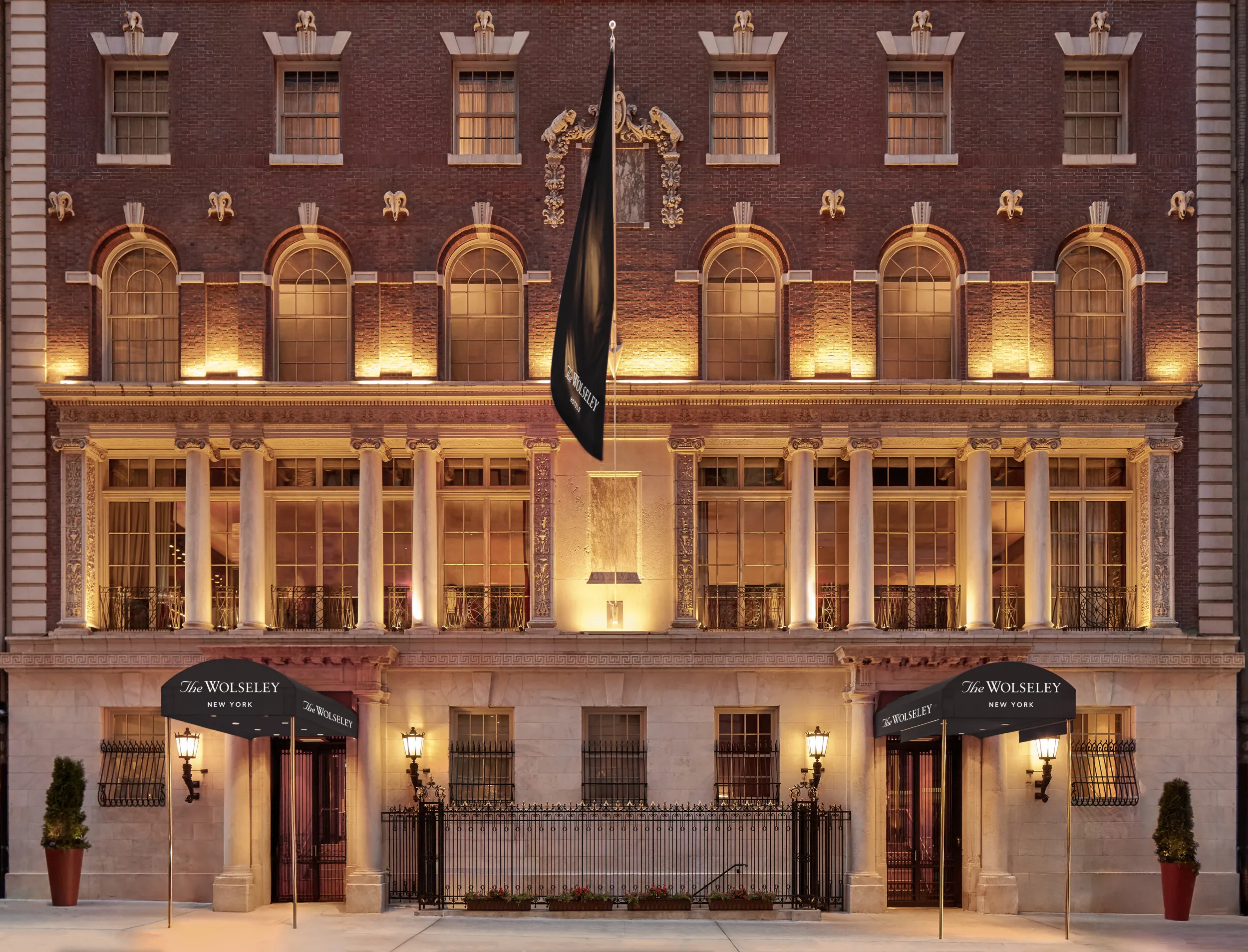
The global hospitality sector is currently navigating a period of profound transformation, characterized by intense financial pressures on hotel owners and a re-evaluation of the long-dominant "asset-light" operational model. While this model has historically benefited operators and their shareholders by reducing capital intensity and accelerating scale, the resulting strain on asset owners is now openly acknowledged and increasingly discussed within the industry. This critical juncture highlights the value of operators like Minor Hotels, which possess the unique perspective of having functioned on both sides of the ownership equation, fostering a more aligned and owner-centric approach to development and management.
The Shifting Sands of Hotel Ownership: A Growing Crisis for Asset Holders
Hotel owners across various segments are facing unprecedented headwinds, stemming from a confluence of escalating operational costs, diminishing profit margins, and a tightening financial landscape. A stark indicator of this financial duress is the alarming increase in the US commercial mortgage-backed securities (CMBS) delinquency rate for limited-service hotels, which has more than doubled since 2022. This statistic underscores a widespread and intensifying financial strain affecting significant portions of the market, signaling a potential crisis for asset holders. The squeeze is multi-faceted, encompassing everything from rising labor expenses and energy costs to the increased cost of capital and the pervasive impact of inflation on renovation and maintenance budgets.
For decades, the hospitality industry has progressively leaned into the asset-light growth model. This strategy, where major hotel brands primarily manage or franchise properties rather than owning the underlying real estate, has been lauded for its ability to generate fee-based revenue streams, expand global footprints rapidly, and deliver robust shareholder returns with minimal capital expenditure. However, this model has, perhaps inadvertently, created a disconnect between the brand operators and the asset owners who bear the full brunt of property-level financial performance and capital investment. As a consequence, owners are now compelled to ask more incisive questions regarding alignment of interests, the true profitability generated by brand partnerships, and the long-term viability and performance of their assets under existing agreements.
Minor Hotels’ Distinctive "Asset-Right" Philosophy
In this evolving environment, Minor Hotels distinguishes itself with what it terms an "asset-right" strategy. Operating across more than 50 countries and having weathered multiple market cycles, the company occupies an unusual, yet highly advantageous, position. Unlike many global hotel groups that have almost entirely divested their real estate holdings in favor of asset-light expansion, Minor Hotels maintains substantial ownership or leasehold interests in over two-thirds of its extensive portfolio. This strategic choice is not merely a historical legacy but a deliberate philosophy designed to keep the company intrinsically connected to the realities, challenges, and opportunities of asset performance.
The "asset-right" approach signifies a commitment to flexible growth models that include management and franchise agreements, but critically, it retains a significant owner perspective. This dual role ensures that Minor Hotels remains acutely aware of the daily operational pressures, capital expenditure requirements, and market volatilities that asset owners confront. When partners voice concerns about rising labor costs, financing pressures, or the timing of renovation cycles, Minor Hotels can respond with empathy and practical solutions derived from its own firsthand experience, fostering a level of trust and alignment often absent in purely asset-light relationships.
Omar Romero, Chief Development and Luxury Officer at Minor Hotels, articulated this perspective in a recent interview, highlighting the shortcomings of traditional operator models that historically prioritized sheer pipeline growth. "The industry has historically focused on pipeline growth. Brands wanted to plant flags in as many markets as possible, sometimes prioritizing expansion over long-term asset performance," Romero observed. This approach, while effective during periods of easier development economics, is increasingly unsustainable in today’s environment where "debt is more expensive, interest rates are higher, and construction costs have risen by up to 30% since 2019." The current climate necessitates a paradigm shift from a focus on topline revenue to a granular emphasis on operational efficiency and profitability, a shift that naturally recalibrates the dialogue between owners and operators.
Operationalizing Owner-First Thinking: Tangible Differences

Minor Hotels’ ownership exposure profoundly influences its development decisions, owner relationships, and operational strategies, leading to tangible differences in outcomes. The mindset of an owner and asset manager, intrinsically linked to capital and operational realities, instills a rigorous discipline in investment decisions and brand standards. While protective of its diverse brand portfolio, Minor Hotels prioritizes the timing, phasing, and ultimate profitability generation of renovation and technology investments.
A compelling illustration of this owner-first approach is the repositioning of one of Minor’s own properties in Madrid. The company leased a hotel operating as a midscale property and undertook a strategic improvement plan to elevate it to an NH Collection, a full-service brand within its portfolio. The results were swift and significant: within a year, the property saw a 15-20% increase in occupancy and a remarkable 25% surge in average daily rate (ADR). Such a strategic investment decision, focused on enhancing asset value and profitability, is fundamentally driven by an owner’s perspective on maximizing returns.
Similarly, the company applies this same rigorous thinking across its broader owned portfolio, including substantial investments such as the recent $50 million renovation of the Anantara Siam Bangkok. By investing in its own assets, Minor Hotels not only improves individual property performance but also strengthens the long-term equity and appeal of its brands, a benefit that accrues to all owners operating under those brands. This commitment to maintaining and enhancing asset value through direct investment sets a high standard and demonstrates a tangible alignment of interests.
The Rise of Conversions and Soft Brands: Adapting to Market Realities
The current market environment is compelling operators and owners alike to embrace more creative and agile strategies. The traditional model of ground-up hotel construction has become increasingly challenging to justify from an ROI perspective due to elevated costs and financing hurdles. This economic reality is a primary driver behind the accelerated growth of conversion projects and soft brand models. These approaches offer distinct advantages: faster market entry, reduced development risk, and the efficient repositioning of existing assets to unlock greater value.
Minor Hotels has strategically embraced this trend, with approximately 30% of its global development pipeline now conversion-led. The success stories are compelling. For instance, the Anantara Palais Hansen Vienna, converted from another operator in 2025, dramatically improved its market position. Prior to the conversion, it ranked sixth out of six in its competitive set; merely one year later, it achieved the top rank in revenue per available room (RevPAR), with rates increasing by an impressive 42%. Another notable example is the Tivoli La Caleta Tenerife Resort in the Canary Islands, where repositioning and targeted investment led to a 74% increase in ADR. These examples underscore that the value derived from conversions goes far beyond a mere brand change; it hinges on combining strategic positioning with robust distribution, loyalty programs, and superior operational execution to genuinely enhance performance.
The Evolving Role of Hotel Brands: Tailored Solutions and Value Protection
In an environment where owners increasingly demand measurable returns and operational flexibility alongside robust distribution and loyalty reach, the role of a hotel brand is undergoing significant evolution. Brands are becoming more targeted, designed to address specific commercial and operational needs while simultaneously preserving the unique character and individuality of the underlying assets.
This strategic thinking informed Minor Hotels’ introduction of four new brands in 2025, each meticulously designed around distinct owner needs and growth opportunities. The Minor Reserve Collection is a new luxury soft brand catering to independent hotels with strong character and identity, with projects already announced in Europe and South America. The Colbert Collection, an upscale soft brand, provides owners access to Minor’s extensive distribution network, loyalty platform, and management expertise while offering greater flexibility regarding property-specific design and operation. This brand has already secured five confirmed projects and is in discussions for over 35 globally, highlighting its relevance. Furthermore, Minor Hotels launched iStay, a conversion-friendly select-service brand aimed at owners seeking stronger commercial support, and The Wolseley Hotels, a new luxury hard brand inspired by the iconic London restaurant, which the company intends to grow very selectively.
Beyond launching new brands, Minor Hotels’ ownership perspective instills a unique discipline in brand building. When an operator also invests in and operates assets, the focus of growth shifts towards protecting and enhancing long-term brand value. The recent celebration of Anantara’s 25th anniversary exemplifies this philosophy, showcasing the enduring value of building brands that can evolve and adapt without losing their core identity and appeal.

Strategic Development: Identifying Risk-Adjusted Returns
When assessing opportunities for the strongest risk-adjusted returns, Minor Hotels emphasizes highly differentiated and thoughtfully designed projects. A prime example is the recently announced Anantara project in Miami, a sophisticated development that seamlessly integrates hospitality, wellness components, and branded residences. This multi-faceted approach generates complementary revenue streams within a single development, optimizing return on investment in a competitive market.
North America, in particular, is emerging as an increasingly important strategic focus for Minor Hotels. Despite its relatively limited physical footprint in the US today, American guests already contribute approximately 16% of Minor Hotels’ global revenue. This strong existing demand instills significant confidence in the long-term opportunity and the inherent strength of Minor’s brands within the market. Recent signings, such as The Wolseley Hotel in New York, exemplify this selective approach: growing in markets where strong demand is already evident, while introducing differentiated concepts that can create substantial value for both guests and asset owners.
Reforming Management Agreements: Fostering True Alignment
Historically, a common perception among hotel owners has been that management agreements were predominantly structured to protect the interests of operators and brands, sometimes at the expense of the asset owner. While this perception has had merit in the past, the industry is demonstrably evolving towards stronger owner alignment.
Minor Hotels is at the forefront of this evolution, recognizing that one of the most effective ways to align interests is through equitable fee structures. The company expresses openness to incentive management models directly tied to profitability, wherein "the more an owner earns, the more we earn." In certain scenarios, Minor Hotels is also willing to structure agreements that prioritize key owner obligations or desired returns, demonstrating a flexible and partner-centric approach. The same principle applies to performance testing, where the focus shifts away from standard, often difficult-to-enforce clauses, towards measurable metrics that genuinely matter to owners: return on investment and bottom-line performance. This pragmatic approach signifies a move towards greater transparency and shared accountability.
The Future of Owner-Operator Relationships: Trust, Technology, and Adaptability
Ultimately, the long-term success or failure of a hotel hinges significantly on the strength and resilience of the relationship between its owner and operator. Every enduring partnership will inevitably encounter periods of both prosperity and challenge. What truly defines success is the capacity of both parties to adapt, collaborate, and support each other through these cycles.
Recognizing this fundamental truth, Minor Hotels is making substantial investments in the underlying infrastructure that supports these critical relationships. The company aims to be a "high-touch, high-tech" organization, channeling resources into advanced guest platforms, loyalty programs, distribution networks, and sophisticated data systems. These technological enhancements are designed to improve decision-making, strengthen demand generation, and create a more connected and seamless experience across its diverse portfolio. As part of this strategic initiative, Minor Hotels is actively rebuilding its core technology infrastructure, collaborating with industry-leading partners such as Google Cloud, Salesforce, OneTrust, and Deloitte. The objective is to gain deeper insights into guest behavior, respond with greater agility to market dynamics, and deliver enhanced value to its owners.
While technology serves as a powerful enabler, it is crucial to acknowledge that it can never fully replace the foundational elements of trust and alignment that underpin any successful owner-operator partnership. The hospitality industry is in a perpetual state of evolution, and for both owners and operators to thrive in this dynamic landscape, a continuous openness to adapting their collaborative approaches will remain paramount. The trajectory of the hotel sector points towards a future where shared success is predicated not just on innovative business models and technological prowess, but on genuine partnership and a mutual commitment to long-term asset value and profitability.



 Budi Mulyono
 Anjar Salim
 Chandra Hamzah

 Lukman Taruna Persada Ramadan