
 Anjar Salim

The landscape of modern outdoor apparel is built upon a foundation of relentless innovation, material science, and survival-driven design. Among the pioneers of this industry, few names resonate as deeply as Helly Hansen. Founded in 1877 by sea captain Helly Juell Hansen and his wife Margrethe, the Norwegian brand began its legacy out of sheer necessity: protecting commercial fishermen from the brutal, freezing downpours of the Arctic. What started as coarse linen soaked in linseed oil has systematically evolved into a global benchmark for technical outerwear, influencing everything from maritime safety gear to high-altitude mountaineering equipment.
As the outdoor industry prepares for the meteorological complexities of the 2026 winter season—marked by shifting climate patterns and unpredictable El Niño conditions—Helly Hansen has released its latest wave of high-performance technical gear. Designed to meet the rigorous demands of mountain professionals, backcountry skiers, and winter adventurers, this new seven-piece collection bridges the gap between historical craftsmanship and cutting-edge laboratory testing. This report examines the technical specifications of the new lineup, the historical evolution of the brand, and the broader implications of advanced materials science in modern extreme-weather gear.

A Century-And-A-Half Legacy of Weather Protection
To understand the engineering behind Helly Hansen’s 2026 releases, one must examine the chronological milestones that shaped the company’s trajectory over the past 149 years. The brand’s origin in Moss, Norway, addressed an immediate hazard: hypothermia and exposure among Norwegian fishermen. By treating sailcloth with linseed oil, Captain Hansen created the world’s first supple, waterproof textiles.
Throughout the 20th century, the company’s innovations expanded in scope and technical sophistication:
- 1920s: Introduction of "Linon," a proprietary synthetic oilskin material that further improved weatherproofing while reducing garment weight.
- 1970s: The debut of LIFA®, a revolutionary polypropylene yarn that transformed the base layer market by moving moisture away from the skin, keeping athletes dry and warm during high-aerobic activities.
- 1980s: The launch of HELLY TECH®, a waterproof and breathable membrane that solved the classic mountaineering dilemma of staying dry from external precipitation while preventing internal sweat buildup.
- 2000s to Present: Integration of sustainable manufacturing practices, digital tracking elements like RECCO® reflectors, and chemical-free waterproof treatments such as LIFA INFINITY PRO™.
According to industry analysts, the longevity of heritage outdoor brands relies heavily on their ability to adapt historical reliability to modern environmental pressures. Modern consumers face increasingly volatile weather patterns, demanding multi-functional gear that performs seamlessly across shifting microclimates.
The 2026 Technical Lineup: Detailed Gear Analysis
Helly Hansen’s latest collection is curated to provide head-to-toe protection. Each piece has been field-tested in collaboration with mountain rescue teams, ski patrollers, and alpine guides to ensure structural integrity under extreme stress.
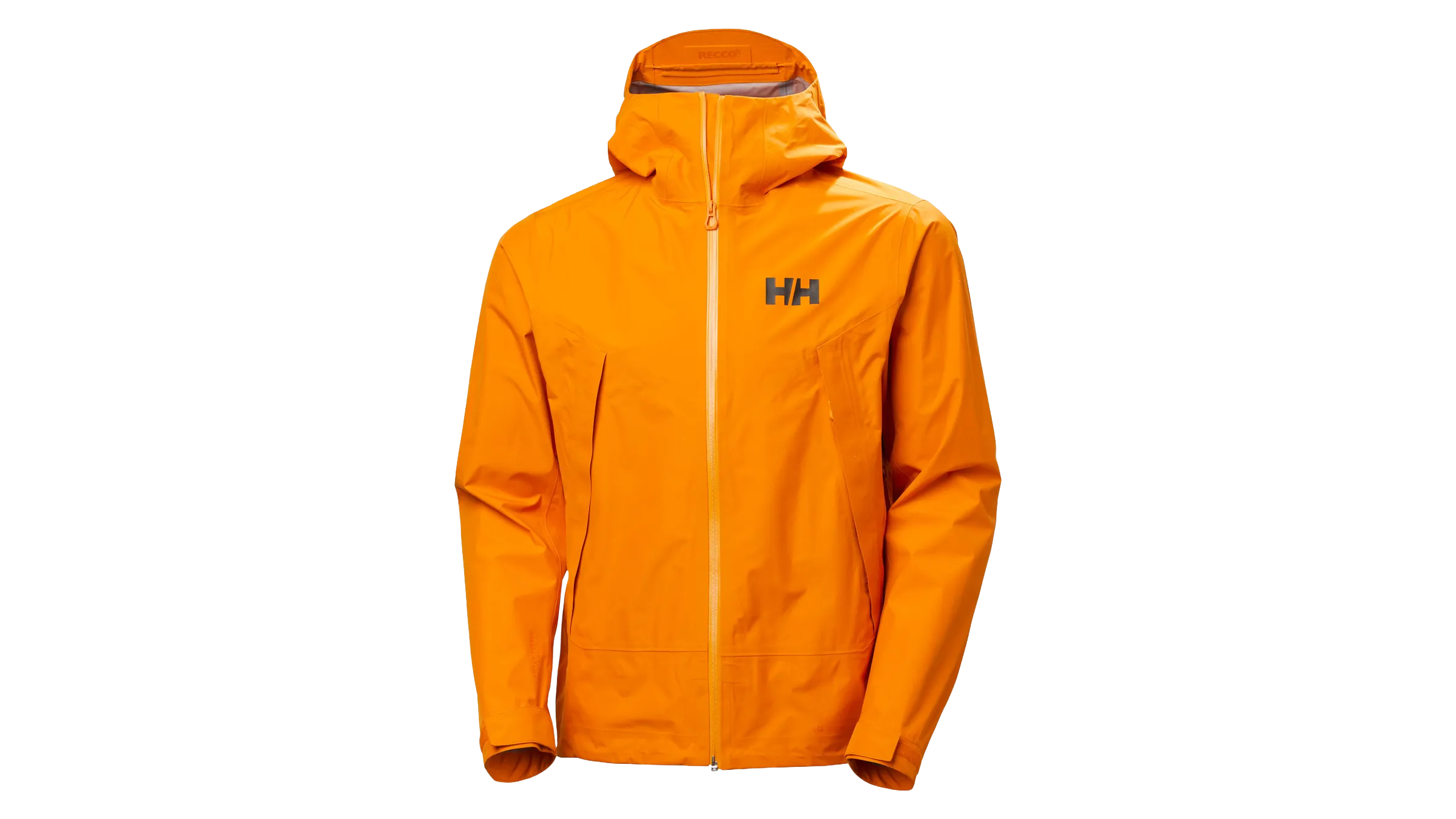
1. Verglas Infinity Shell Jacket 2.0
Positioned as the flagship upper-body shell for the upcoming season, the Verglas Infinity Shell Jacket 2.0 addresses the perennial challenge of garment weight versus durability. Constructed using a 3-layer HELLY TECH® Professional membrane combined with LIFA INFINITY™ technology, the jacket achieves waterproof and windproof protection without relying on traditional chemical treatments.
- Key Features: Strategic underarm ventilation zippers to dump excess heat during high-output climbs; a helmet- and harness-compatible cut designed for mountaineering, ski touring, and ice climbing.
- Target Demographic: Backcountry specialists and mountaineers who require uncompromising weather defense.
2. Huginn 2.0 Shell Pants
Developed in direct partnership with professional mountain rescue organizations, the Huginn 2.0 Shell Pants are engineered for abrasive alpine environments. Utilizing a robust four-way stretch fabric, the pants offer unrestricted mobility during complex ascents and descents.
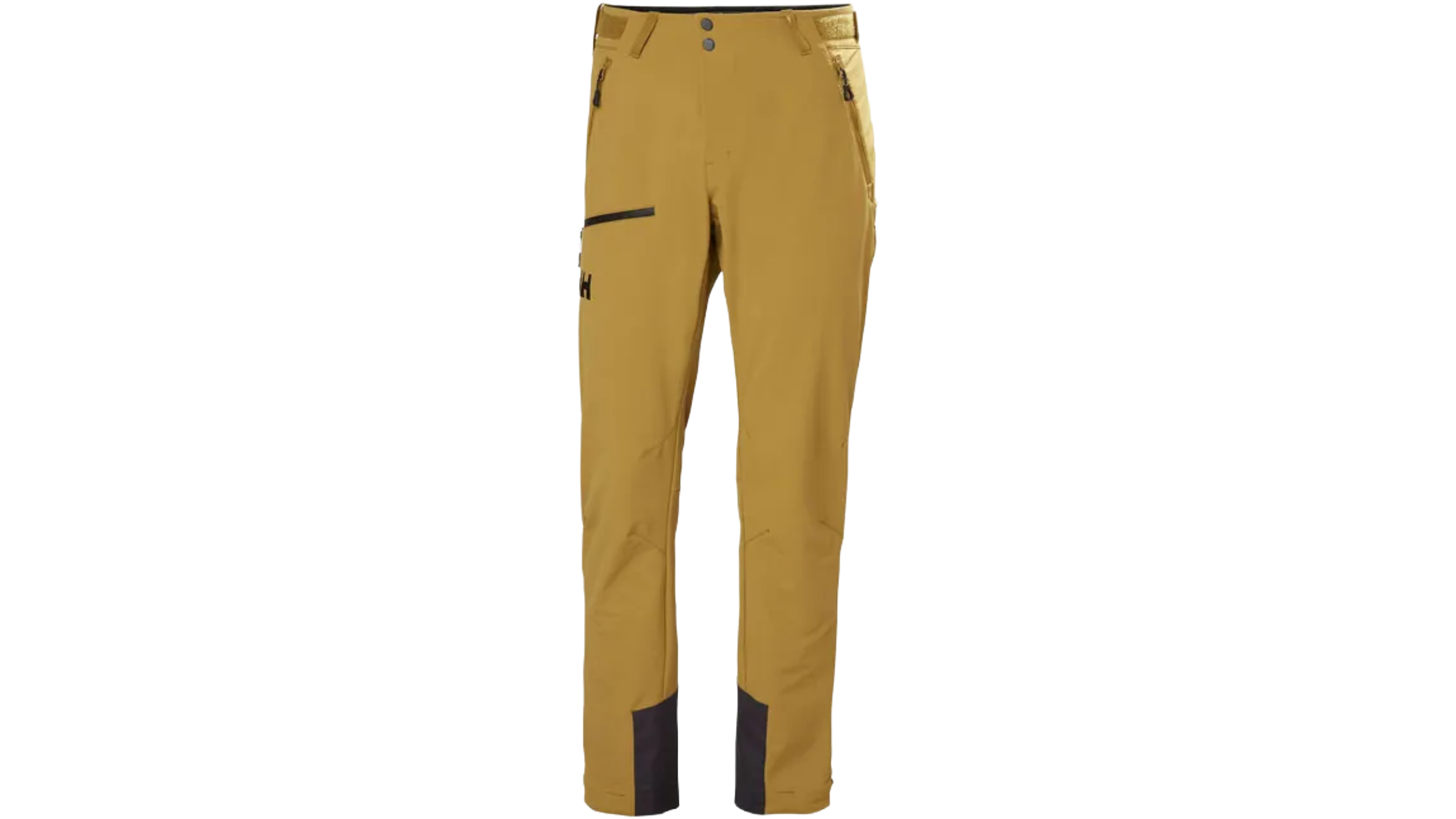
- Key Features: Pack-compatible adjustable waistband, reinforced insteps to resist crampon punctures, secure zippered storage, and an integrated RECCO® transponder for enhanced search-and-rescue visibility.
- Target Demographic: Ski patrollers, guides, and advanced backcountry travelers operating in avalanche-prone or remote terrain.
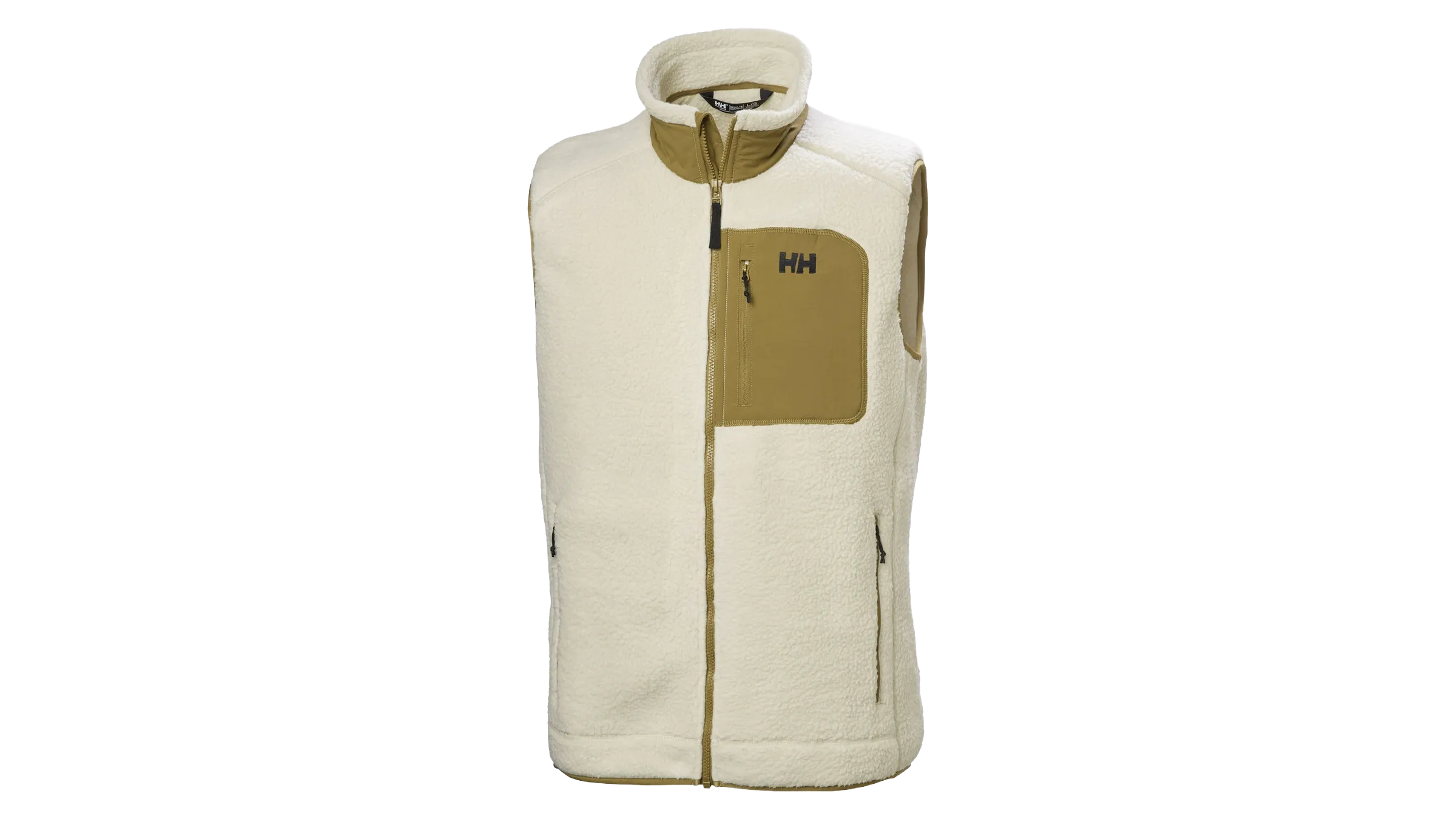
3. Panorama Pile Fleece Vest
Often overlooked in traditional three-layer systems, the fleece vest remains a critical tool for micro-climate temperature regulation. The Panorama Pile Fleece Vest offers three-season versatility, functioning as an active-insulation mid-layer beneath a hard shell during frigid ascents or as a standalone outer layer during crisp shoulder-season hikes.
- Key Features: High-loft pile fleece construction optimizing warmth-to-weight ratios; unisex sizing designed for flexible layering configurations.
- Target Demographic: Hikers, campers, and skiers seeking versatile core warmth.
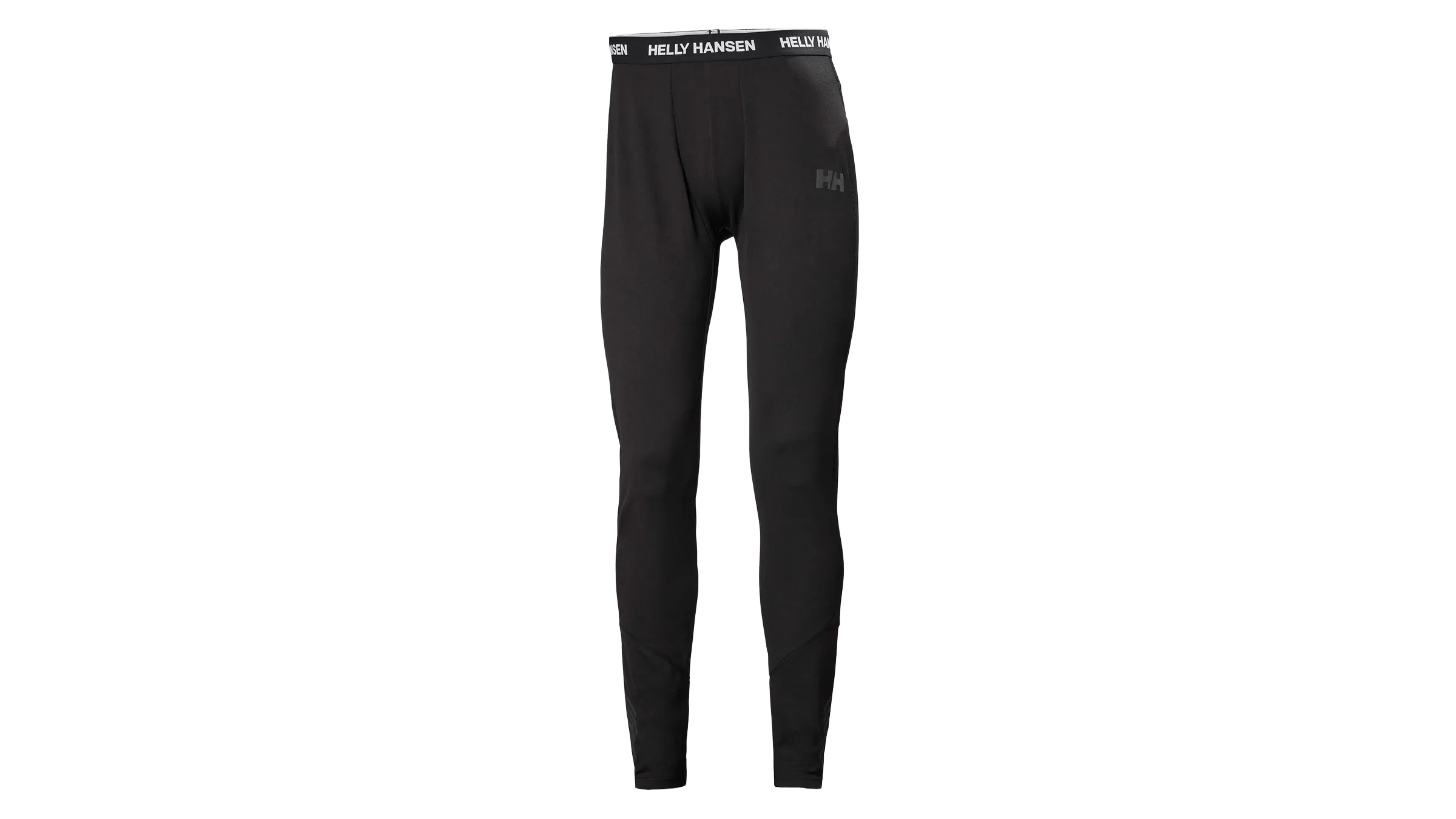
4. LIFA® Active Warm Base Layer Pant
The foundation of any cold-weather layering system begins against the skin. The LIFA® Active Warm Base Layer Pant utilizes a two-layer construction featuring proprietary LIFA® fibers on the interior to accelerate moisture transport, paired with a warm synthetic exterior.
- Key Features: Superior thermal regulation, flatlock seams to prevent chafing during repetitive motion, and rapid-dry capabilities.
- Target Demographic: All winter sports participants requiring reliable moisture management.
5. Touring Socks
Foot comfort is frequently the limiting factor on long-distance winter excursions. The Touring Socks combine a merino wool and synthetic blend to balance natural thermal regulation with mechanical durability.
- Key Features: Snug, low-profile athletic fit with targeted cushioning zones and light compression to reduce foot fatigue during extended touring days.
- Target Demographic: Ski tourers, snowshoers, and winter hikers.
6. Awe Hiker Mid Helly Tech® Boots
Creating a single boot that transitions effortlessly from light day hikes to multi-day backpacking trips remains a holy grail in footwear design. The Awe Hiker Mid incorporates a HELLY TECH® waterproof membrane to manage stream crossings and heavy rain, coupled with a high-traction rubber outsole.
- Key Features: Mid-height ankle cuff for stability on uneven terrain, supportive midsole cushioning, and durable upper materials.
- Target Demographic: Four-season hikers and backpackers navigating unpredictable trails.
7. Outline Beanie
Addressing thermal loss through the head, the Outline Beanie is knitted from an ultra-lightweight synthetic yarn designed to feel soft against the skin while retaining thermal properties even when saturated with moisture.
- Key Features: Low-profile fit suitable for wearing beneath climbing or skiing helmets; available in a wide palette of colors including "pinkshake" and "ginger biscuit."
- Target Demographic: General outdoor enthusiasts and everyday winter commuters.
Industry Implications and Market Analysis
The release of Helly Hansen’s 2026 collection arrives at a critical juncture for the outdoor apparel sector. Economic pressures, combined with a growing consumer demand for sustainable, long-lasting products, have shifted market priorities. Fast-fashion outdoor gear is increasingly losing ground to durable, repairable, and multi-sport equipment.
From an economic perspective, brands that invest heavily in proprietary fabric technologies—such as HELLY TECH® and LIFA INFINITY™—position themselves favorably against regulatory pushes to eliminate harmful Per- and polyfluoroalkyl substances (PFAS) from waterproof manufacturing. By engineering high-performance membranes that reduce environmental footprints without sacrificing hydrostatic head ratings or breathability, Helly Hansen aligns its commercial strategy with global sustainability mandates.
Furthermore, the integration of safety hardware, such as RECCO® reflectors in the Huginn 2.0 pants, reflects a broader industry trend toward built-in emergency preparedness. As participation in backcountry skiing and off-piste exploration continues to rise year-over-year, manufacturers face a growing responsibility to embed safety features directly into consumer apparel.
Conclusion
Helly Hansen’s 2026 catalog demonstrates that a nearly 150-year-old brand can successfully innovate without abandoning its core identity. By fusing the practical, no-nonsense design philosophy born on the coast of Norway with modern advancements in material science, the company offers a robust toolkit for navigating extreme environments. Whether facing the unpredictable storm cycles of an El Niño winter or embarking on high-altitude expeditions, the modern adventurer is equipped with gear designed not just to endure the elements, but to embrace them.




 Gabriela Annisa

 Lukman Taruna Persada Ramadan

 Tatiana Tantri Indah Sari


 Dwi Wanna
