
 Anjar Salim
The autumn hunting season in the Colorado Rocky Mountains offers an intoxicating mix of crisp air, golden aspen groves, and the pursuit of trophy big game. However, this high-altitude environment is notoriously unforgiving, capable of shifting from benign autumn conditions to a blinding, sub-freezing blizzard in a matter of hours. For 39-year-old Korin Pusillo, what began as her first-ever elk hunt quickly transformed into a grueling survival test against the elements, highlighting the severe hazards that accompany the opening of Colorado’s first rifle elk season.
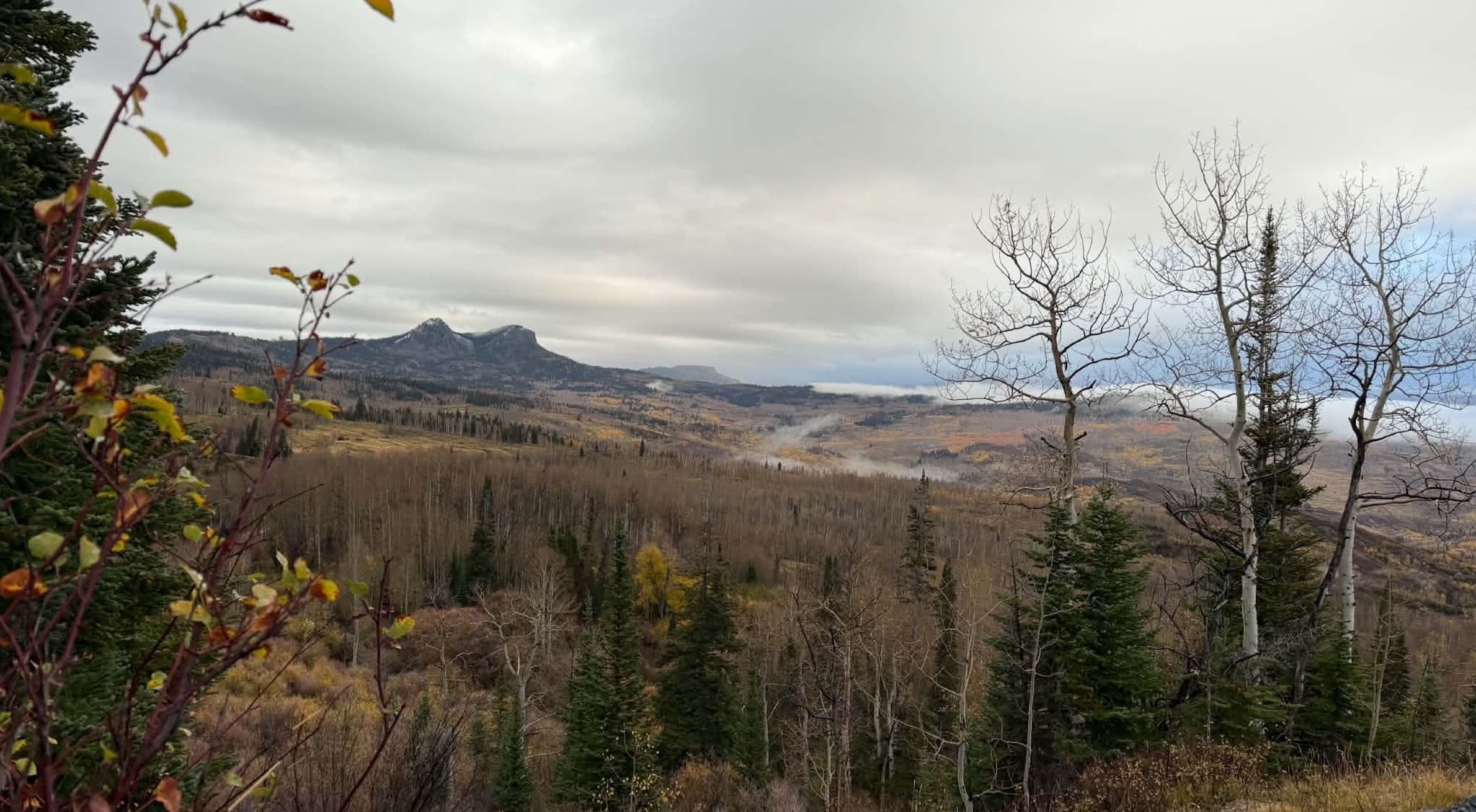
On October 14, 2026, Pusillo and an experienced hunting party found themselves caught in a violent, unseasonal weather system in the remote Bears Ears area near Steamboat Springs, northwest Colorado. What followed was not only a personal battle against steep, mud-slicked mountain slopes and failing electronics, but part of a broader regional emergency. Over a frantic 14-hour window between October 14 and October 15, Routt County Search and Rescue (RCSAR) deployed personnel to manage three distinct life-or-death operations involving stranded, hypothermic, and injured hunters.
The convergence of Colorado’s premier big-game hunting season and an abrupt, severe early-season storm underscores a persistent challenge for emergency services: balancing the economic and cultural importance of hunting tourism against the reality of increasingly unpredictable high-country weather.
An Unforgiving Shift in the Mountains
Pusillo’s expedition was intended to be a family affair. She was tracking elk alongside her boyfriend, his brother, and their father—a seasoned outdoorsman who had spent decades scouting and hunting the rugged terrain of northwest Colorado. The group felt secure in their collective experience, relying on decades of institutional knowledge to navigate the winding trails and dense timber of the Bears Ears region.
That confidence evaporated rapidly as the afternoon progressed. Prior to the storm’s arrival, intermittent rain had soaked the topsoil, turning the steep mountain grades into a slick, treacherous mix of mud and clay. When temperatures dropped sharply, the rain transitioned into heavy, driving snow. Within hours, several inches of accumulation blanketed the landscape, obscuring trails, burying fallen timber that served as visual landmarks, and plunging visibility to near zero.
"Everything changed so fast," Pusillo recalled of the ordeal. "It was hard to get our bearings, and I think even experienced hunters would have been surprised by how quickly the weather turned."
As fog and falling snow swallowed the familiar ridges, even the veteran hunters in the party began to show signs of hesitation. For Pusillo, watching longtime mountain men struggle with orientation was the most terrifying moment of the ordeal. When seasoned guides lose their confidence, the psychological toll on a novice can be overwhelming.
Despite the deteriorating conditions, the party felt compelled to complete their harvest. Earlier in the day, Pusillo’s boyfriend’s father successfully shot a bull elk, which ran downhill into a remote valley before expiring. Bound by the ethical obligation to process the game rather than waste it, the party descended into the valley, establishing a makeshift processing station beneath a protective tarp. While they worked, the storm intensified, dumping roughly four inches of heavy snow and making the prospect of an uphill return journey exceptionally daunting.
Fourteen Hours of Crisis: The RCSAR Response
While Pusillo and her family ultimately navigated their way back to camp using a digital pin and reflective tree markers, three other emergency calls within a narrow 14-hour window demonstrated just how quickly things can spiral out of control for backcountry visitors.
The first distress call reached Routt County Search and Rescue dispatch at 2:59 p.m. on October 14. An overdue hunter was reported missing near Dunckley Pass, a high-altitude mountain crossing situated at approximately 9,800 feet southwest of Steamboat Springs. By the time emergency responders mobilized, more than six inches of snow had blanketed the mountain pass. Deputies from the Routt County Sheriff’s Office and officers from Colorado Parks and Wildlife (CPW) scoured the area, eventually locating the overdue hunter safely shortly after nightfall.
Just hours later, at 7:43 p.m., a second emergency call was logged. Another hunter had become separated from their party near Bears Ears, roughly 20 miles north of Hayden. Fortunately, the individual managed to dial 911 moments before their mobile phone battery died, transmitting vital geographic coordinates to dispatchers.
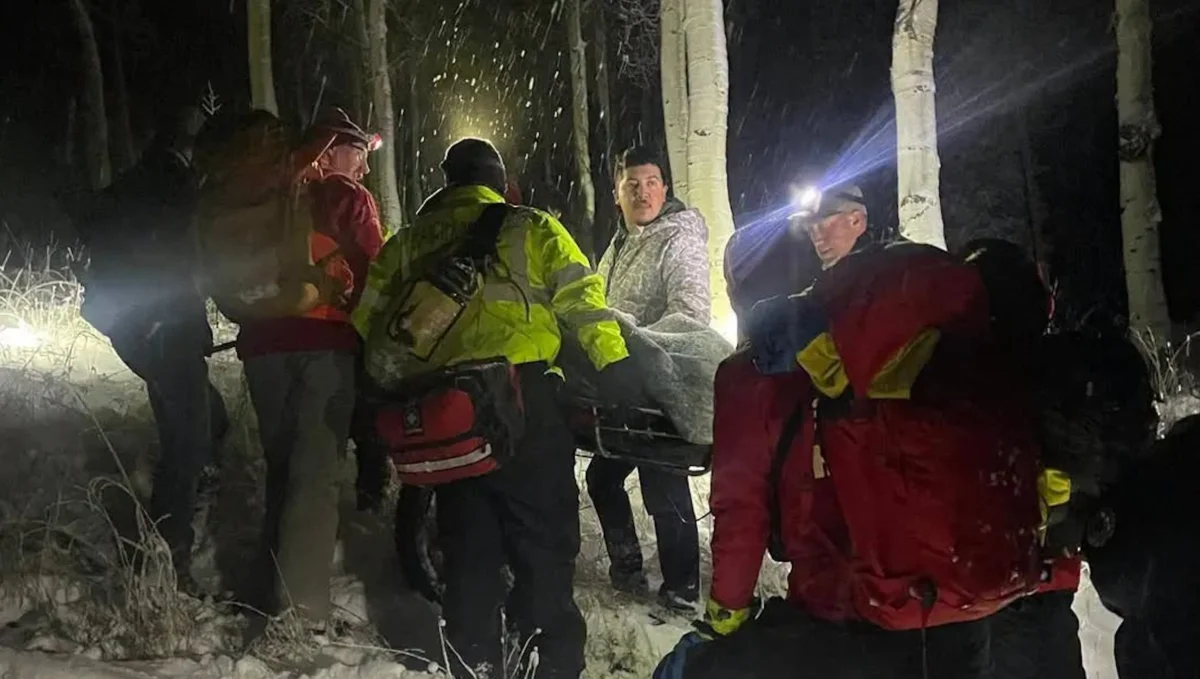
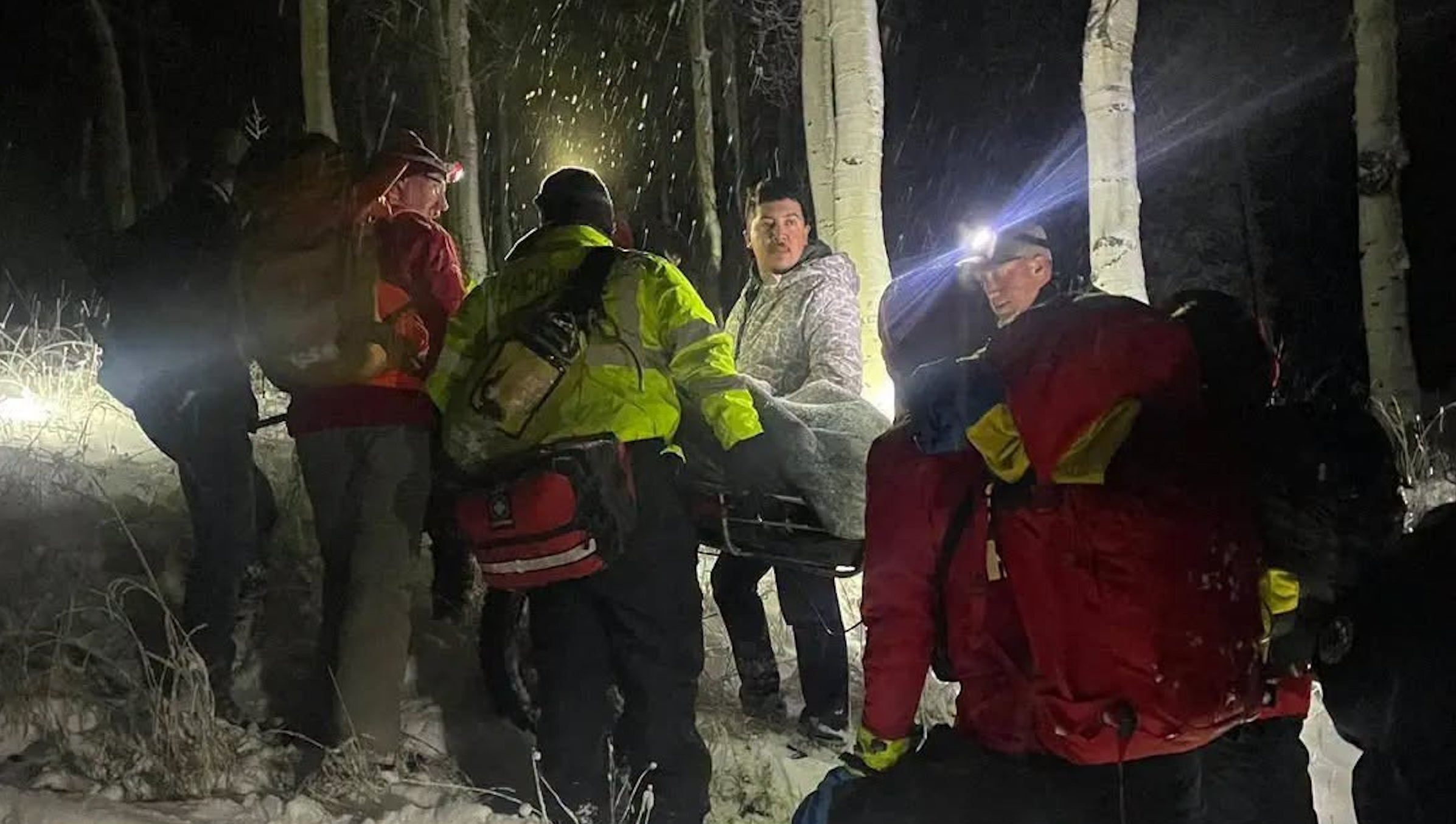
The operation to rescue the separated hunter proved to be an arduous physical test for RCSAR volunteers. According to Incident Commander John Williams, snow-packed and drifted roads extended the drive to the primary staging area to nearly three hours. Once on site, rescue crews had to hike downhill into a rugged basin to reach the subject, who was suffering from acute cold exposure and was physically unable to ascend the steep grade independently.
Rescuers encased the patient in a specialized hypothermia wrap. Assisted by civilian bystanders, the team hauled the immobilized hunter uphill on a wheeled stretcher across 1,500 vertical feet of elevation through eight inches of fresh, clinging snow. Williams noted that a combination of soaked garments, fatigue, and sudden disorientation likely contributed to the hunter becoming separated from his companions.
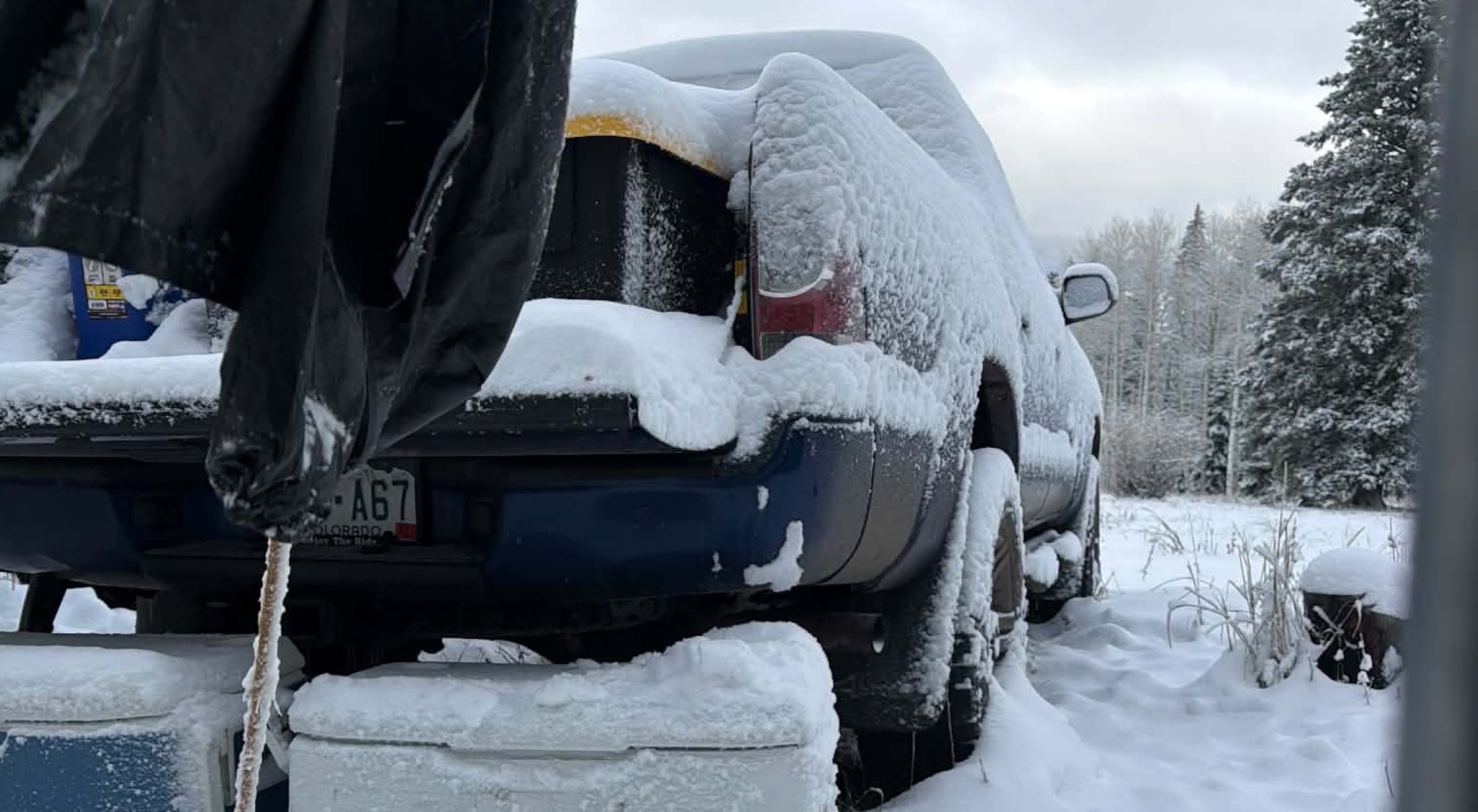
The streak of emergencies concluded early in the morning on October 15, when a third serious incident was reported in the same Bears Ears sector. According to reports from local media outlets, a sleeping hunter sustained severe injuries when a tree collapsed onto their tent under the weight of the heavy, wet snow. Emergency response teams mobilized quickly to extract the victim and transport them to a medical facility for urgent treatment.
Logistics of Backcountry Survival and Navigation
The harrowing experiences of mid-October highlight the vulnerability of modern backcountry recreationists who rely heavily on technology. Pusillo noted that during her group’s descent, modern conveniences faltered: her boyfriend’s GPS unit appeared to malfunction after being exposed to moisture, and condensation rendered his brother’s smartphone screen temporarily unresponsive.
Without a pre-existing digital breadcrumb—specifically a camp-location pin Pusillo had dropped earlier on her own device—the group’s four-hour trek back to camp could easily have ended in disaster. Instead, they relied on a combination of digital redundancy, headlamps to catch the glint of reflective markers on timber, and sheer physical endurance, often crawling on their hands and knees to scale the mud-slicked inclines.
"I’m glad my phone didn’t die, because if it had, we might have been the fourth rescue call that night," Pusillo reflected.
The incident also spotlighted critical gaps in gear preparation. While the group was equipped with appropriate footwear and basic rain ponchos, they lacked waterproof gloves—a seemingly minor omission that proved critical when freezing mud and snow forced them to grip rocks and tree roots manually to pull themselves up the mountainside.
Meteorological Factors and Forecast Discrepancies
A central theme in many backcountry rescue operations is the disparity between regional forecasts and microclimate realities in the Rocky Mountains. On October 13, the National Weather Service (NWS) issued a formal weather advisory for northwestern Colorado, warning of incoming winter conditions that included four to eight inches of snow above 9,500 feet and wind gusts reaching up to 35 miles per hour across several western mountain ranges.
However, Pusillo’s party had consulted a weather forecast for the nearby lower-elevation town of Craig, which predicted rain rather than heavy mountain snow. Operating under the assumption that the weather would remain manageable, the party was caught off-guard when the cold front slammed directly into their higher-altitude hunting zone.
Meteorologists and search-and-rescue officials frequently emphasize that valley forecasts are rarely indicative of conditions found on mountain passes and ridgelines. Elevations above 8,000 feet often experience accelerated temperature drops, increased precipitation, and severe wind phenomena that do not register in lower-elevation population centers.
Institutional Warnings and Recommendations
Following the cluster of October emergencies, Routt County Search and Rescue issued a stern public reminder emphasizing that preparedness during early-season winter storms can mean the difference between life and death. Because mountain rescue operations in adverse weather are inherently dangerous and complex, help can often be hours away.
To mitigate these risks, state agencies and outdoor safety organizations offer rigorous guidelines for autumn hunters and backpackers:
- Continuous Weather Monitoring: Backcountry users are urged to check high-elevation specific forecasts rather than regional valley reports, remaining vigilant for sudden cold fronts.
- Redundant Navigation Tools: While smartphones and GPS units are invaluable, physical topographic maps, magnetic compasses, and spare batteries or power banks are essential fail-safes against moisture and battery drain.
- Emergency Bivouac Gear: CPW strongly advises hunters to pack emergency shelter materials, fire-starting equipment, and thermal layers capable of sustaining an unplanned overnight stay in sub-freezing temperatures.
- Communication Plans: Establishing strict protocols with hunting parties—including pre-determined check-in times and designated meeting points in the event of separation—prevents delayed distress calls.
The opening weeks of Colorado’s rifle elk seasons will continue to draw thousands of enthusiasts into the high country, driven by tradition and the allure of the wilderness. Yet, as the events in Bears Ears demonstrated, the margin for error in the Rockies is razor-thin. For Korin Pusillo and the volunteer crews of Routt County, the October storm serves as a stark reminder that the mountains dictate the terms of engagement, demanding absolute respect and meticulous preparation from all who enter their domain.




 Gabriela Annisa

 Lukman Taruna Persada Ramadan

 Tatiana Tantri Indah Sari


 Dwi Wanna
