
 Tatiana Tantri Indah Sari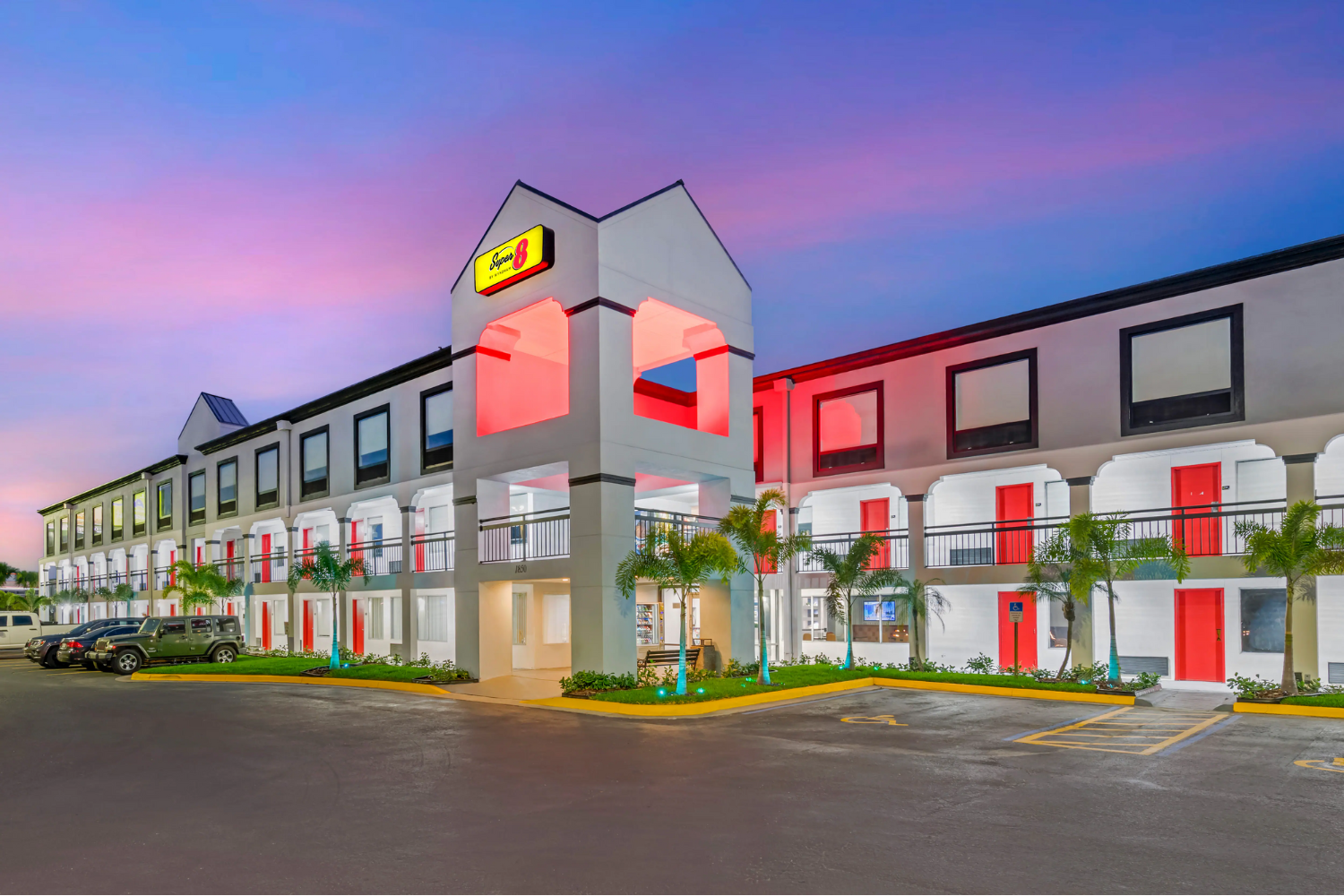
Wyndham Hotels & Resorts is executing a deliberate and significant strategic overhaul of its U.S. property portfolio, moving away from its traditional reliance on lower-fee economy accommodations towards higher-fee midscale segments. While the company’s headline U.S. room count remains largely stable year-over-year at approximately 501,100, this apparent constancy masks a profound internal rebalancing aimed at boosting overall profitability and brand perception. The core of this strategy, articulated by CEO Geoff Ballotti, is a methodical replacement of "lower quality, lower FeePAR [fee per available room] rooms with higher quality, higher FeePAR rooms." This transformation signifies a pivotal moment for a hospitality giant long synonymous with ubiquitous budget brands like Super 8, Days Inn, and Microtel.
The Strategic Rationale: Elevating FeePAR and Quality Standards
The primary driver behind Wyndham’s portfolio recalibration is a clear focus on enhancing FeePAR, a critical metric for a company that primarily operates as a franchisor. For Wyndham, FeePAR represents the revenue generated from franchise fees per available room across its vast network. Economy hotels, while offering widespread market penetration and accessibility, often yield lower average daily rates (ADR) and, consequently, lower percentage-based franchise fees. They can also incur higher administrative and operational costs due to the sheer volume of transactions and the demands of managing a large, diverse franchisee base, some of whom may operate properties with aging infrastructure.
Conversely, midscale properties, which typically offer more amenities, larger rooms, and a generally higher standard of service and maintenance, command better ADRs. This translates directly into higher franchise fee revenue for Wyndham. The shift is not merely about increasing rates but also about attracting and retaining guests who are willing to pay more for a superior experience, thereby fostering greater loyalty and repeat business. By elevating the quality threshold across its portfolio, Wyndham aims to improve guest satisfaction scores, strengthen brand equity, and ultimately drive more robust financial performance for both the company and its franchisees. This strategic move aligns with broader industry trends where even value-conscious travelers increasingly expect a baseline level of quality and modern amenities, pushing traditional economy segments to adapt or risk obsolescence.
A Historical Context: Wyndham’s Economy Foundation
Wyndham Hotels & Resorts has historically built its empire on the foundation of the economy lodging segment. Brands like Super 8, founded in 1972, and Days Inn, established in 1970, became household names across America, providing reliable, affordable accommodation for road travelers, families, and business professionals seeking value. Microtel Inn & Suites, acquired by Wyndham in 2008, further solidified its position in the economy extended-stay market. This extensive network of budget-friendly hotels allowed Wyndham to achieve unparalleled scale and geographic reach, positioning it as one of the largest hotel franchisors globally by number of properties.
The franchise model, central to Wyndham’s business, allowed for rapid expansion with minimal capital expenditure from the corporate entity. Franchisees, often independent owner-operators, would bear the costs of property development and maintenance, paying Wyndham a percentage of their gross room revenue and other fees in exchange for brand recognition, reservation systems, marketing, and operational support. This model proved incredibly successful for decades, particularly during periods of economic growth when travel was booming and diverse options were in high demand. However, market dynamics are rarely static, and the challenges inherent in maintaining consistent quality across hundreds, if not thousands, of independently operated economy properties began to manifest. Older properties, often requiring significant capital investment for modernization, became less attractive to both guests and prospective franchisees, creating a drag on the portfolio’s overall quality and profitability metrics.
Market Dynamics Driving the Shift
Several converging market forces have contributed to Wyndham’s strategic pivot. The global hospitality industry, still recalibrating after the unprecedented disruptions of the COVID-19 pandemic, has witnessed significant shifts in consumer behavior and operational realities.
Firstly, post-pandemic travel trends indicate a stronger rebound in leisure travel, often accompanied by a desire for enhanced experiences, even within budget constraints. While economy hotels serve a vital purpose, a segment of the market that previously opted for the absolute lowest price point is now willing to pay slightly more for better cleanliness, improved amenities, and a more contemporary aesthetic.
Secondly, inflationary pressures have significantly impacted the operating costs for hotel owners, particularly in the economy segment where margins can be tighter. Rising labor costs, utility expenses, and maintenance materials make it challenging for older, less efficient economy properties to remain profitable without raising rates, which can alienate their core customer base. Midscale properties, with their higher ADRs, offer more buffer against these rising costs.
Thirdly, competition in the economy and extended-stay segments has intensified, with new entrants and existing brands innovating their offerings. Brands like Choice Hotels’ Everhome Suites or Hilton’s Project H3 have emerged, designed to offer modern, efficient, and often extended-stay options that directly compete with older economy hotels but often with a more contemporary appeal. This competitive landscape necessitates an upgrade in product quality to remain relevant and attractive to both guests and franchisees.
Finally, the growing importance of online reviews and guest satisfaction scores in booking decisions means that even a few poorly performing properties can negatively impact the reputation of an entire brand or portfolio. By shedding lower-quality assets, Wyndham aims to elevate its average guest experience, thereby improving its online presence and brand perception.
Quantifying the Portfolio Rebalancing
The numbers, while appearing stable at a superficial level, tell a clear story of this targeted transformation. Wyndham’s total U.S. room count stood at 501,100 rooms year-over-year. However, the internal composition of this total has undergone a notable shift. Economy rooms in the U.S. have decreased by 3%, falling from an approximate previous count of 223,299 rooms to 216,600 rooms. This represents a divestment or conversion of approximately 6,699 economy rooms from the company’s U.S. portfolio.
To maintain the overall stable room count, this reduction in economy rooms has been directly offset by an increase in the midscale segment. Based on these figures, the midscale room count has expanded by roughly 6,699 rooms, growing from an estimated 277,801 rooms to 284,500 rooms. This represents an approximate 2.41% increase in Wyndham’s U.S. midscale footprint. This growth is driven by a combination of new construction in midscale brands, existing economy properties undergoing significant renovations and reflagging into midscale brands, and the acquisition of new midscale franchises. Wyndham’s midscale portfolio includes established brands such as Ramada, La Quinta by Wyndham, Wingate by Wyndham, Hawthorn Suites by Wyndham, and the Trademark Collection by Wyndham, all of which offer distinct value propositions above the basic economy tier. The company’s development pipeline is increasingly geared towards these segments, with a focus on new-builds that meet modern design and amenity standards.
The Franchisee Perspective and Development Pipeline
The systematic rebalancing of Wyndham’s portfolio carries significant implications for its vast network of franchisees. For owners of existing economy properties that no longer meet Wyndham’s evolving standards, the shift can present a challenging decision: invest significant capital into upgrades to reflag into a higher segment or divest from the Wyndham system. Wyndham likely offers incentives or support for franchisees willing to make these investments, recognizing that successful conversions benefit both parties. However, the emphasis on "replacing" lower-quality rooms suggests a willingness to part ways with properties that cannot or will not meet the new benchmarks.
Conversely, for current midscale franchisees and prospective developers, Wyndham’s strategy signals a commitment to supporting and growing this segment. Higher quality standards, improved brand perception, and potentially better marketing support can translate into stronger occupancy rates and higher RevPAR (Revenue Per Available Room) for these properties. The company’s development pipeline is a crucial indicator of future growth. By prioritizing new construction and conversions in midscale, extended-stay, and select upper-midscale brands, Wyndham aims to attract new, well-capitalized franchisees interested in building modern properties designed to meet contemporary traveler demands. This proactive approach ensures that the "stable" room count is not just maintained but actively enhanced in terms of quality and revenue generation potential.
Analyst and Investor Reactions
Industry analysts have largely viewed Wyndham’s strategic pivot as a prudent and necessary step for long-term profitability and competitive positioning. Analysts covering the hospitality sector recognize that while scale is important, quality and profitability per room are increasingly paramount. The focus on FeePAR demonstrates a sophisticated understanding of their asset-light franchise model. Investors are likely to respond positively to a strategy that promises higher-margin revenue streams and a more resilient portfolio against economic downturns, as midscale properties often perform well in various market conditions, catering to a broad demographic.
Statements from financial reports and investor calls often underscore the long-term benefits of such a rebalancing. While there might be short-term administrative costs associated with franchisee negotiations or property divestitures, the overarching narrative is one of strengthening the core business. This move also aligns Wyndham with a broader industry trend where many large hotel groups are shedding non-core assets or actively upgrading their portfolios to meet evolving consumer preferences and achieve better financial returns. The clarity of CEO Ballotti’s statement provides a strong signal to the market about the company’s direction and commitment to this strategic transformation.
Broader Industry Implications and Looking Ahead
Wyndham’s portfolio shift is not an isolated event but rather a reflection of broader trends shaping the hospitality industry. It highlights the increasing importance of quality and value, even in segments traditionally associated with budget travel. This move could spur other large hotel franchisors with extensive economy footprints to re-evaluate their own portfolios, potentially leading to an industry-wide "premiumization" effect where the baseline quality of hotel accommodations continues to rise.
For consumers, this means that while some of the absolute lowest-cost options from Wyndham brands might become less common, the available options will generally offer a better experience for the price. This could lead to greater guest satisfaction and stronger loyalty to Wyndham’s refreshed brands.
Looking ahead, Wyndham’s success in this endeavor will hinge on several factors: effectively managing franchisee relationships during the transition, ensuring a robust pipeline of high-quality midscale properties, and accurately anticipating future shifts in traveler preferences. The company will need to balance aggressive portfolio management with maintaining its reputation as a supportive franchisor. This strategic rebalancing, though incremental in its year-over-year impact on total room count, represents a fundamental repositioning of Wyndham Hotels & Resorts, aiming to solidify its place as a leader not just in scale, but in profitable, high-quality lodging across the midscale spectrum. The coming quarters will offer further insights into the tangible financial benefits and the long-term structural changes this strategic overhaul will bring to one of the world’s largest hotel companies.




 Anjar Salim
 Chandra Hamzah
 Budi Mulyono
 Lukman Taruna Persada Ramadan
