
 Tatiana Tantri Indah Sari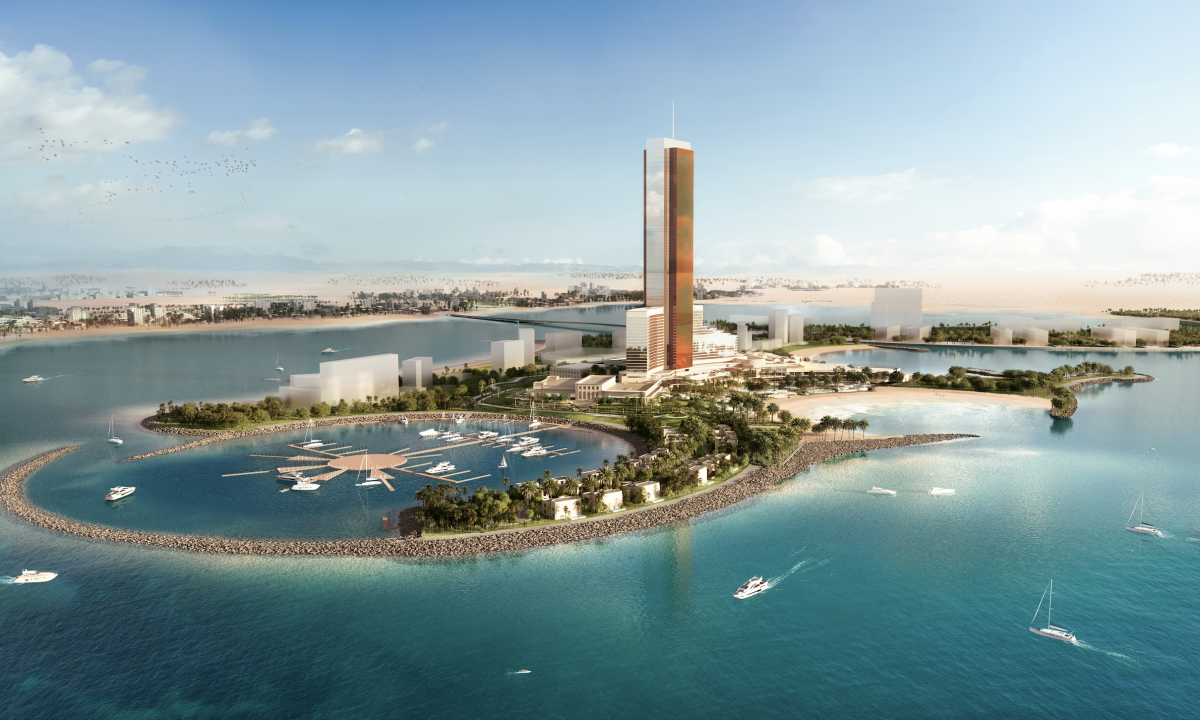
Wynn Resorts CEO Craig Billings confirmed on Thursday that the highly anticipated Wynn Al Marjan Island, slated to be the United Arab Emirates’ first integrated resort featuring a casino, will experience a "modest delay" beyond its initial first-quarter 2027 opening target. The adjustment in the timeline for the $5.1 billion development is attributed primarily to logistical challenges and disruptions within the global supply chain, exacerbated by ongoing regional geopolitical instability. Billings underscored the deliberate choice of the word "modest," indicating the company’s belief that the setback will not be substantial, though a revised opening date remains unannounced pending greater clarity on global conditions.
Wynn Al Marjan Island Faces "Modest Delay"
The announcement came during Wynn Resorts’ earnings call, where Billings addressed investor concerns regarding the progress of one of the company’s most ambitious international projects. "We expect a modest delay, and I use the word modest very intentionally, because that’s what we believe it’ll be," Billings stated, adding, "We don’t want to size that until we have a real view on stability." This cautious approach reflects the complex global economic and political landscape impacting large-scale construction endeavors. The project, poised to redefine luxury tourism in the Northern Emirate of Ras Al Khaimah, represents a significant investment and a pioneering venture into the integrated resort model for the UAE. The original target of early 2027 had positioned Wynn Al Marjan Island to be a cornerstone of Ras Al Khaimah’s burgeoning tourism sector and a major new attraction for the broader Gulf region.
The UAE’s Grand Vision for Integrated Resorts
The development of Wynn Al Marjan Island is not merely a standalone project but a pivotal component of the UAE’s broader strategy to diversify its economy and enhance its global appeal as a premium tourism destination. For decades, the UAE has built a reputation for luxury, innovation, and grand-scale developments, from Dubai’s iconic skyscrapers to Abu Dhabi’s cultural institutions. The introduction of integrated resorts, which combine luxury hotels, convention centers, retail, entertainment, and potentially gaming, marks a significant evolution in this strategy. This move aligns the UAE with global tourism powerhouses like Singapore and Las Vegas, which have successfully leveraged integrated resorts to attract high-net-worth individuals and a diverse range of international visitors.
Ras Al Khaimah’s Ambitious Tourism Drive
Ras Al Khaimah (RAK), one of the seven emirates of the UAE, has been particularly aggressive in its efforts to bolster its tourism infrastructure and appeal. Historically known for its natural landscapes, including mountains, deserts, and pristine beaches, RAK has been steadily investing in hospitality and leisure projects. The emirate aims to attract 3 million visitors annually by 2025 and has been actively promoting itself as an adventure tourism hub. The partnership with Wynn Resorts, announced in early 2022, was a game-changer for RAK, instantly elevating its international profile and signaling a new era of luxury entertainment. Al Marjan Island itself is a man-made archipelago off the coast of RAK, envisioned as a world-class leisure and hospitality destination, with Wynn’s resort serving as its crown jewel. The island already hosts several luxury hotels and residential developments, but the integrated resort is expected to dramatically increase its drawing power.
The Birth of a Regulatory Framework: GCGRA
A crucial precursor to the Wynn Al Marjan Island project and other potential integrated resorts across the UAE was the establishment of a robust regulatory framework for commercial gaming. In September 2023, the UAE announced the creation of the General Commercial Gaming Regulatory Authority (GCGRA). This federal body is tasked with creating a well-regulated gaming environment, overseeing licensing, and ensuring responsible gaming practices across the Emirates. The appointment of industry veterans Jim Murren, former CEO of MGM Resorts International, as Chairman, and Kevin Mullally, a seasoned gaming regulator from Missouri, as CEO, underscored the UAE’s commitment to building a world-class regulatory system based on international best practices. The GCGRA’s formation provided the legal and operational clarity necessary for projects like Wynn Al Marjan Island to proceed with confidence, distinguishing the UAE’s approach from previous, more ambiguous stances on gaming. This regulatory clarity is a testament to the UAE’s long-term strategic planning, ensuring that any introduction of gaming is carefully managed and contributes positively to the national economy.
A Chronology of Development and Anticipation
The journey of the Wynn Al Marjan Island project has been marked by significant milestones, generating considerable excitement both regionally and internationally.
- January 2022: Wynn Resorts announces its plans to develop a multi-billion dollar integrated resort on Al Marjan Island in Ras Al Khaimah, in partnership with Marjan, the master developer of freehold properties in the emirate, and RAK Hospitality Holding. The initial announcement highlighted the inclusion of a "gaming area," immediately sparking global interest.
- February 2022: Further details emerge, confirming the scale of the project as a 1,000+ room luxury hotel, high-end retail, state-of-the-art convention facilities, a spa, multiple dining options, and a gaming component.
- Early 2023: Groundbreaking ceremonies and initial construction work commence, signifying the start of the physical development phase. Renderings of the resort begin to circulate, showcasing its distinctive architecture and ambitious design.
- September 2023: The UAE officially announces the establishment of the General Commercial Gaming Regulatory Authority (GCGRA), providing the much-anticipated legal and operational framework for commercial gaming. This move solidifies the path for Wynn Al Marjan Island to operate its gaming facilities.
- November 2023: Wynn Resorts provides updates on the project’s progress during its Q3 earnings call, reiterating the Q1 2027 target opening and expressing confidence in the UAE market.
- February 2024: During the Q4 2023 earnings call, Wynn Resorts CEO Craig Billings announces the "modest delay," citing logistical and supply-chain issues stemming from regional geopolitical instability.
This timeline illustrates the rapid progression from concept to construction, highlighting the agility of both Wynn Resorts and the UAE authorities in pushing forward such a monumental undertaking. The current delay, while a setback, is contextualized against a backdrop of swift initial development.
Economic Canvas: Supporting Data and Projections
The economic impact of Wynn Al Marjan Island is projected to be transformative for Ras Al Khaimah and the wider UAE. The $5.1 billion investment is expected to generate thousands of direct and indirect jobs, spanning construction, hospitality, retail, entertainment, and related services. Industry estimates suggest that large-scale integrated resorts can create upwards of 10,000 direct jobs during operation, with a multiplier effect on local economies. For RAK, which recorded approximately 1.22 million overnight visitors in 2023, the Wynn resort is anticipated to significantly boost these figures, attracting a new segment of high-spending tourists. The resort is expected to contribute substantially to the emirate’s GDP, driving growth in sectors beyond traditional tourism, such as real estate and infrastructure.
Furthermore, the project’s high-end retail and dining offerings are designed to capture a significant share of the luxury tourism market, contributing to the UAE’s reputation as a global shopping and culinary destination. The convention and meeting facilities within the resort will also position RAK as a viable option for international business events, further diversifying its economic base. The long-term projections for the UAE’s tourism sector remain robust, with forecasts indicating continued growth in international arrivals and tourism spending, making the integrated resort a strategic investment for sustained economic prosperity.
Global Supply Chains and Regional Dynamics
The reasons cited for the delay – logistics and supply-chain disruptions, alongside regional geopolitical instability – are not isolated to the Wynn project. The global construction industry has grappled with unprecedented challenges since the pandemic, including shortages of raw materials, labor, and significant increases in shipping costs. Large-scale projects, particularly those requiring specialized components and materials sourced internationally, are highly vulnerable to these disruptions.
The reference to "regional geopolitical instability" is particularly pertinent for the Middle East. While specific events were not detailed, ongoing tensions in the Red Sea region, for instance, have led to significant rerouting of international shipping, increasing transit times and costs for goods traveling between Asia and Europe. Such disruptions directly impact the delivery of construction materials, equipment, and even specialized furnishings required for a luxury integrated resort. The complex logistics of importing materials for a project of this magnitude, combined with the need to adhere to stringent quality and design specifications, mean that even minor delays in the supply chain can have cascading effects on the overall construction schedule.
Stakeholder Perspectives and Long-Term Commitments
Despite the delay, the underlying commitment from all parties involved remains steadfast.
Wynn Resorts’ Strategic Patience
Wynn Resorts’ CEO Craig Billings’ emphasis on a "modest delay" reflects the company’s long-term strategic view of the UAE market. Wynn has a proven track record of developing and operating world-class luxury integrated resorts, and its entry into the UAE is a carefully calculated move. The company understands that pioneering a new industry in a region requires patience and adaptability. The "Skift Take" accompanying the original news snippet aptly summarized this sentiment: "Wynn is betting the UAE’s long-term fundamentals can absorb the uncertainty." This indicates that Wynn’s decision to invest in Ras Al Khaimah was based on a thorough assessment of the emirate’s economic stability, tourism potential, and the UAE’s overall strategic vision, factors that are unlikely to be fundamentally altered by a temporary logistical setback. The company’s focus remains on delivering a product that meets its exacting standards, rather than rushing to meet an arbitrary deadline at the expense of quality.
Official Reassurance from Ras Al Khaimah
While direct official statements from Ras Al Khaimah authorities regarding the delay were not provided, it is highly probable that their stance aligns with a continued commitment to the project and a pragmatic understanding of global challenges. Ras Al Khaimah’s government and Marjan, the master developer, have invested considerable effort and resources into attracting Wynn Resorts. They would likely reiterate their strong partnership with Wynn, emphasizing the strategic importance of the project for the emirate’s economic future. Statements would likely focus on the long-term vision, the robustness of the UAE economy, and the continued development of Al Marjan Island as a premier destination, irrespective of a minor schedule adjustment. Such reassurances would aim to maintain investor confidence and project momentum.
Implications of the Delay for the Region and Industry
The delay, though termed "modest," carries several implications for Wynn Resorts, Ras Al Khaimah, and the broader integrated resort landscape in the UAE.
Financial Outlook and Project Costs
For Wynn Resorts, a delay, even a modest one, can have financial repercussions. Extended construction periods often lead to increased costs due to ongoing labor expenses, material storage, and potentially renegotiated contracts. Inflationary pressures on construction materials and services, which have been prevalent globally, could further exacerbate these costs. While the $5.1 billion budget is substantial, any prolonged delay could necessitate budget adjustments. From a revenue perspective, the postponement means a delay in the operational cash flow that the resort is expected to generate, impacting short-to-medium term earnings forecasts. However, given the long-term nature of such investments, these impacts are often absorbed within the broader financial strategy of a major corporation like Wynn.
Paving the Way for Future Developments
For Ras Al Khaimah and the UAE, the delay represents a minor adjustment to an ambitious timeline rather than a fundamental shift in strategy. The groundwork laid by the GCGRA and the ongoing construction of Wynn Al Marjan Island continue to signal the UAE’s serious intent to become a major player in the integrated resort market. The experience gained from managing this pioneering project, including navigating global supply chain issues and geopolitical influences, will undoubtedly inform future developments. It provides valuable lessons in risk management and logistical planning for other potential operators looking to enter the UAE market. The delay could also offer RAK additional time to develop supporting infrastructure, such as improved transportation links and expanded tourism amenities, ensuring that the emirate is fully prepared to handle the influx of visitors once the resort eventually opens its doors.
Conclusion: A Strategic Pause, Not a Halt
The "modest delay" for Wynn Al Marjan Island is a pragmatic acknowledgment of current global realities, including supply chain complexities and regional geopolitical sensitivities. It reflects a strategic decision by Wynn Resorts to prioritize the quality and integrity of its landmark development over a rigid adherence to an initial timeline. For the UAE, and specifically Ras Al Khaimah, this pause does not diminish the long-term vision of becoming a global hub for luxury integrated resorts and a diversified tourism economy. The establishment of a clear regulatory framework and the significant investment already committed underscore a steadfast commitment to this new economic chapter. While the exact revised opening date remains to be seen, the fundamental appeal and strategic importance of Wynn Al Marjan Island for the region remain undiminished, signifying a strategic pause rather than a halt in the UAE’s ambitious journey into the world of integrated resorts.



 Budi Mulyono
 Anjar Salim
 Chandra Hamzah

 Lukman Taruna Persada Ramadan