
 Anjar Salim
The modern wellness tourism sector has experienced a profound shift away from crowded, commercialized resort hubs toward secluded, natural environments that prioritize genuine mental and physical restoration. Published in September 2026, travel and wellness industry analyses indicate that travelers are increasingly rejecting high-priced, trend-driven itineraries in favor of quiet, under-the-radar U.S. destinations. This movement is defined by a pursuit of real solitude, direct engagement with nature, and proximity to soothing water features such as rivers, lakes, bays, and geothermal hot springs. Rather than navigating congested tourist centers, travelers are seeking out hidden-in-plain-sight towns steeped in unique local history and whimsy. By focusing on off-the-path locations, visitors can achieve a deeper sense of self-care without the financial inflation and logistical stress typically associated with mainstream travel circuits.
Defining the Off-the-Path Wellness Economy
The criteria for a legitimate off-the-grid wellness destination extend far beyond standard hospitality offerings. According to travel researchers and hospitality analysts, a true reset location must combine accessibility to expansive outdoor spaces with a distinct lack of urban congestion. Historically, wellness travel was dominated by high-end coastal spas and structured desert retreats. However, shifting consumer preferences have elevated lesser-known municipalities that offer historical longevity, environmental conservation, and ecological diversity.
Market data from travel industry trackers shows a steady year-over-year increase in bookings for remote cabins, forest lodgings, and small-town rentals featuring private hot tubs or saunas. Economists note that this trend supports rural economies by decentralizing tourism revenue, distributing economic benefits to local artisans, organic farmers, and small business owners. Urban centers often induce sensory overload, whereas these alternative destinations utilize natural quietude—often measured by lower ambient decibel levels and expansive green coverage—to lower cortisol levels and encourage neurological recovery.
Chronology of Natural Thermal Healing and Conservation
The integration of natural healing waters into American culture spans centuries, beginning with indigenous communities who utilized geothermal springs for medicinal and ceremonial purposes long before European settlement. The formal institutionalization of these sites began in earnest during the late 18th and 19th centuries, marking the earliest phases of American public land conservation and health tourism.
During the 1700s, figures such as George Washington frequented the mineral springs of western Virginia, recognizing their restorative properties and establishing a precedent for presidential health retreats. By the early 19th century, the federal government recognized the unique ecological and therapeutic value of geothermal resources. In 1832, U.S. Congress legislation set aside the Hot Springs reservation in Arkansas, protecting the thermal waters nearly four decades before the establishment of Yellowstone as the first national park.
Throughout the Gilded Age of the late 19th and early 20th centuries, these thermal and mineral towns evolved into architectural showcases, featuring elaborate bathhouses designed to accommodate a burgeoning class of travelers seeking hydrotherapy. Over the decades, fluctuations in modern medicine shifted public focus away from natural springs toward pharmaceutical interventions. However, the contemporary wellness movement has catalyzed a renaissance for these historic sites, blending preservation efforts with modern hospitality practices to meet contemporary demands for holistic health.
Hot Springs, Arkansas: Gilded Age Hydrotherapy and Quartz Exploration
Nestled in the Ouachita Mountains, Hot Springs, Arkansas, represents a convergence of ancient geological activity and preserved Gilded Age infrastructure. The city centers around 47 natural thermal springs that continuously discharge mineral-rich water at an average temperature of 143 degrees Fahrenheit. These waters, fed by rainfall that filtered deep into the earth’s crust decades prior, have drawn visitors seeking physical restoration for generations.
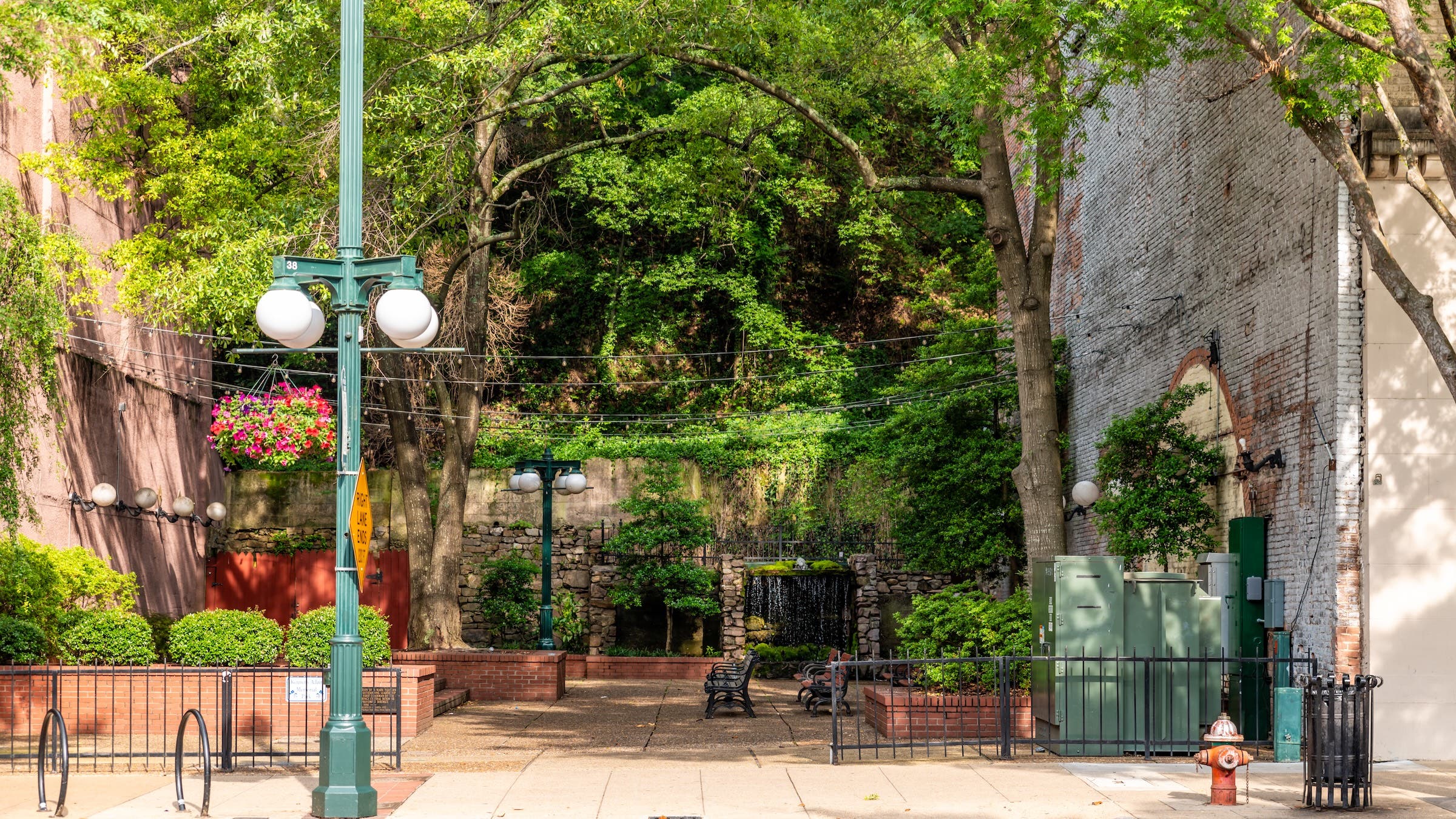
The downtown corridor features the historic Bathhouse Row, a collection of nine elaborately designed bathhouses managed in cooperation with the National Park Service. Beyond hydrotherapy, the region’s geological composition includes abundant quartz crystal deposits, particularly in nearby Mount Ida. Public rockhounding sites and guided foraging excursions allow visitors to engage in tactile, grounding activities.
For travelers seeking a wooded retreat away from the historic downtown, accommodations such as the Forest Tiny Cabin with Cedar Hot Tub offer an immersive nature experience. Priced around $200 per night for two guests, these rustic lodgings bridge the gap between architectural seclusion and proximity to thermal health amenities.
Bayfield, Wisconsin: Lake Superior Seclusion and Agricultural Grounding
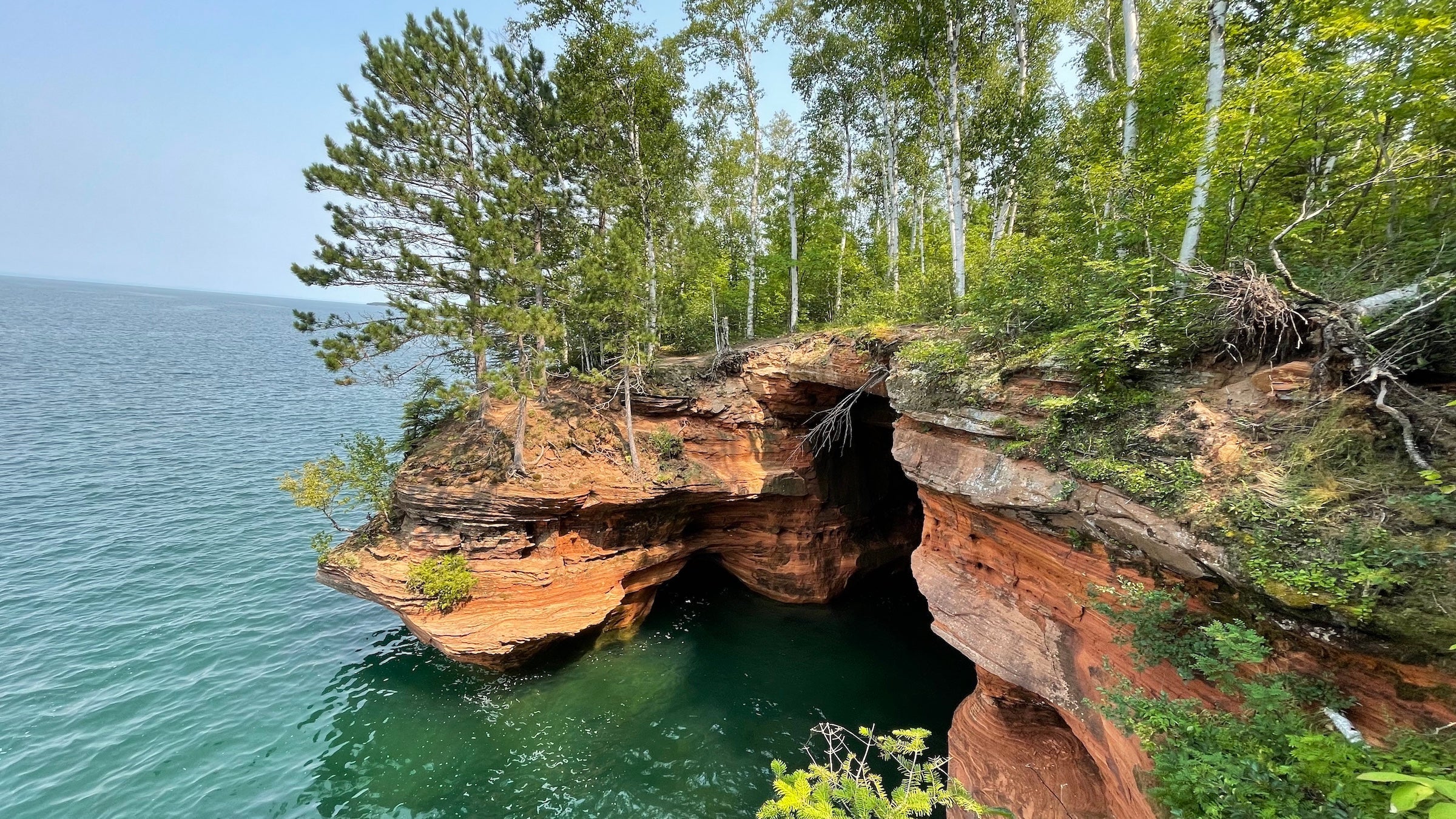
Along the rugged coastline of Lake Superior, Bayfield, Wisconsin, provides an ecosystem centered on freshwater immersion and small-town agricultural heritage. As the gateway to the Apostle Islands National Lakeshore, Bayfield attracts visitors interested in exploring ancient sandstone sea caves, towering cliffs, and pristine marine arches via kayaking and boating excursions.
Land-based wellness in the region emphasizes slow travel and sensory engagement. The local economy features the Bayfield Fruit Loop, a cooperative network of 13 farms and orchards where visitors can harvest berries, apples, and seasonal produce directly from the source. For structured wellness programming, institutions such as the Wild Rice Retreat offer year-round creative and yoga programs designed to foster mental clarity through artistic expression and mindful movement.
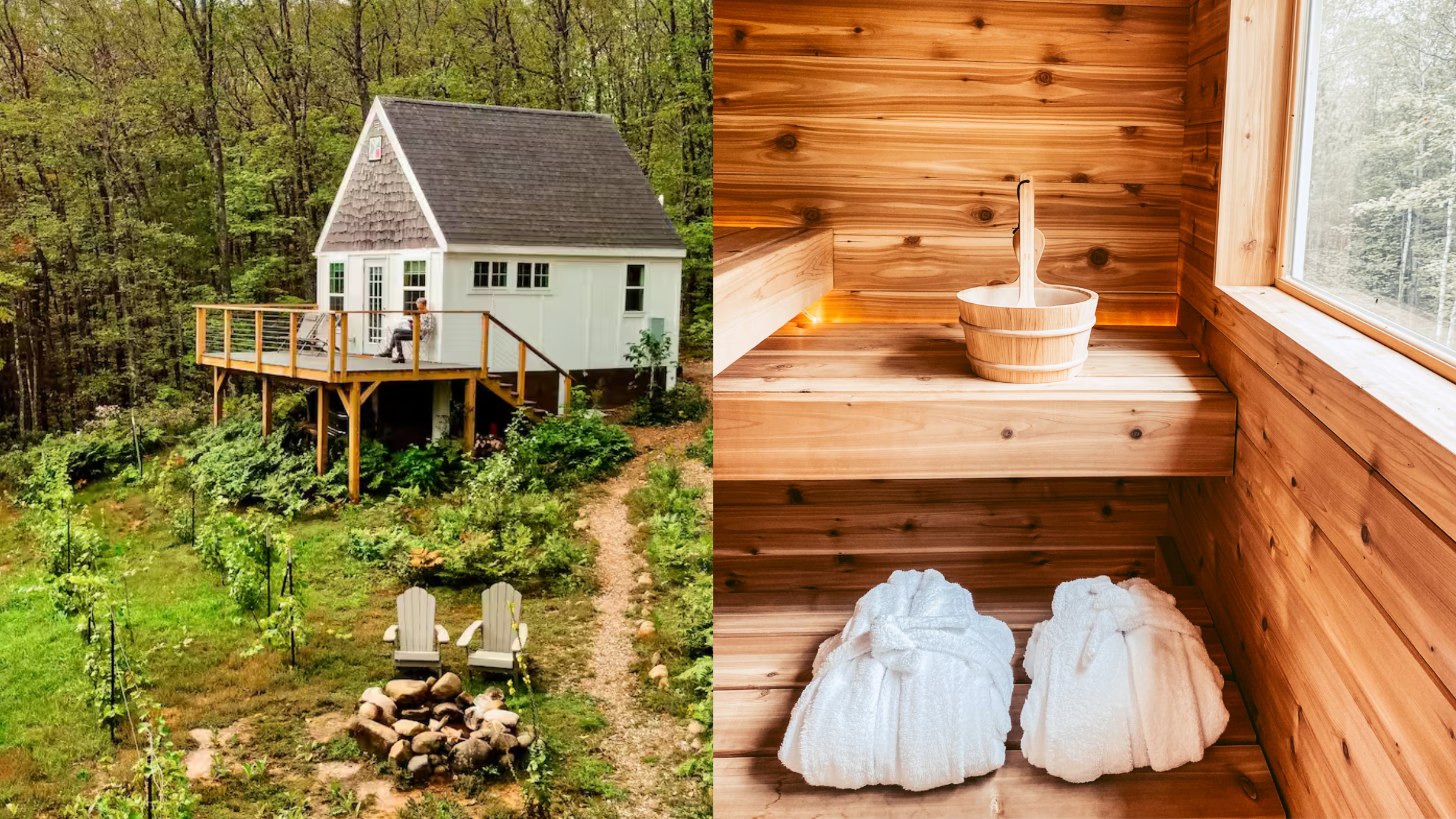
Visitors frequently opt for specialized local accommodations, such as the Romantic Vineyard Cabin. Starting at approximately $285 per night with a three-night minimum for two guests, this property integrates spa amenities like private saunas and plunge pools, ensuring that the restorative ethos of Lake Superior extends directly into the traveler’s living space.
Whidbey Island, Washington: Pacific Northwest Coastal Reflection
The Pacific Northwest offers a distinct atmospheric blend of marine mist, dense evergreen forests, and rural tranquility. Whidbey Island exemplifies this environment, featuring more than 60 miles of coastal and forest hiking trails alongside expansive shorelines at locations such as West Beach within Deception Pass State Park.
The island’s slow-paced rhythm encourages deep introspection and sensory awareness, often referred to in ecological psychology as nature-deficit mitigation. Spiritual and cultural exploration is further supported by sites like the Earth Sanctuary, a 72-acre nature reserve and sculpture garden incorporating sacred stones, meditation labyrinths, and architectural stupas inspired by global spiritual traditions.
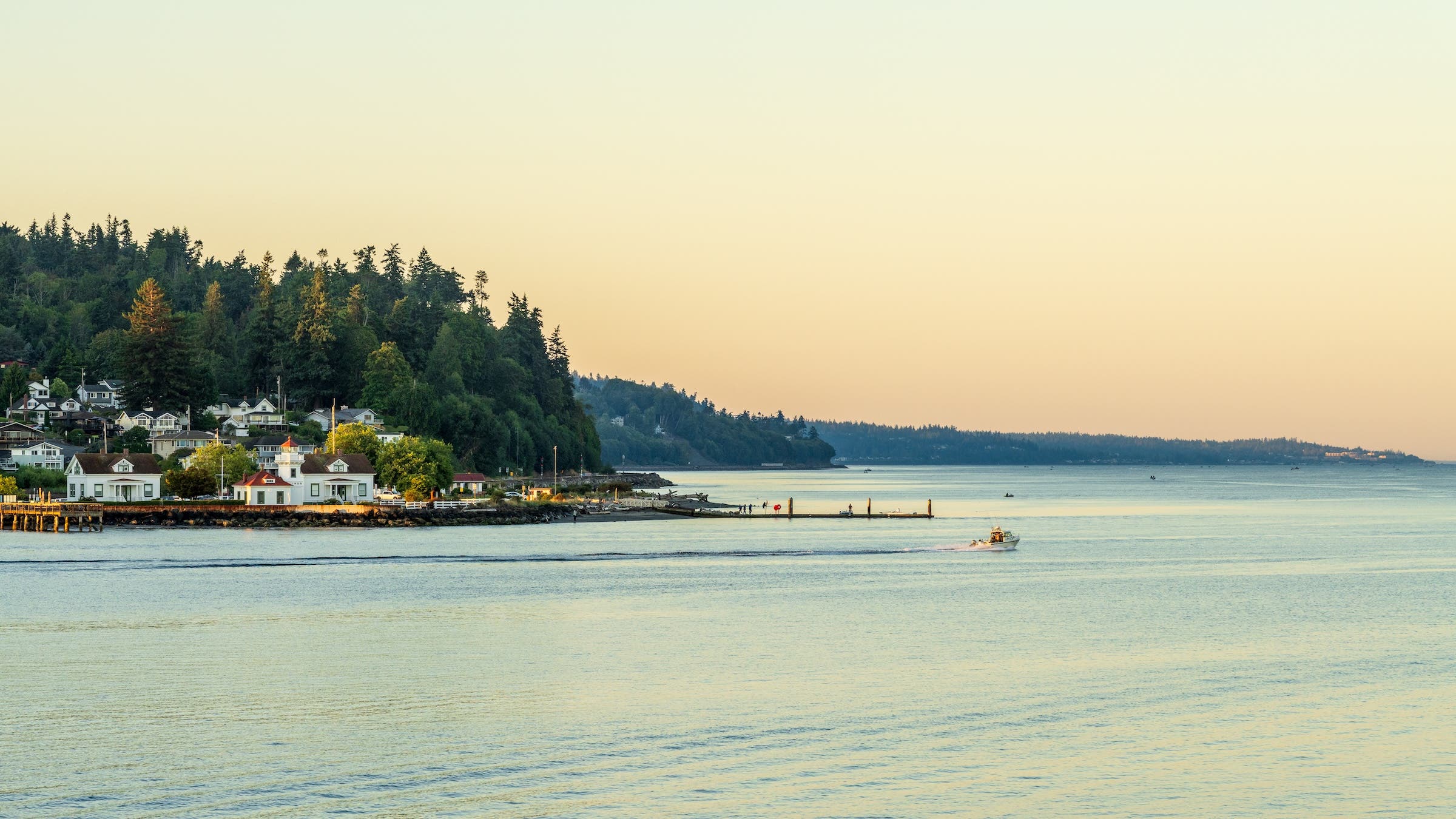
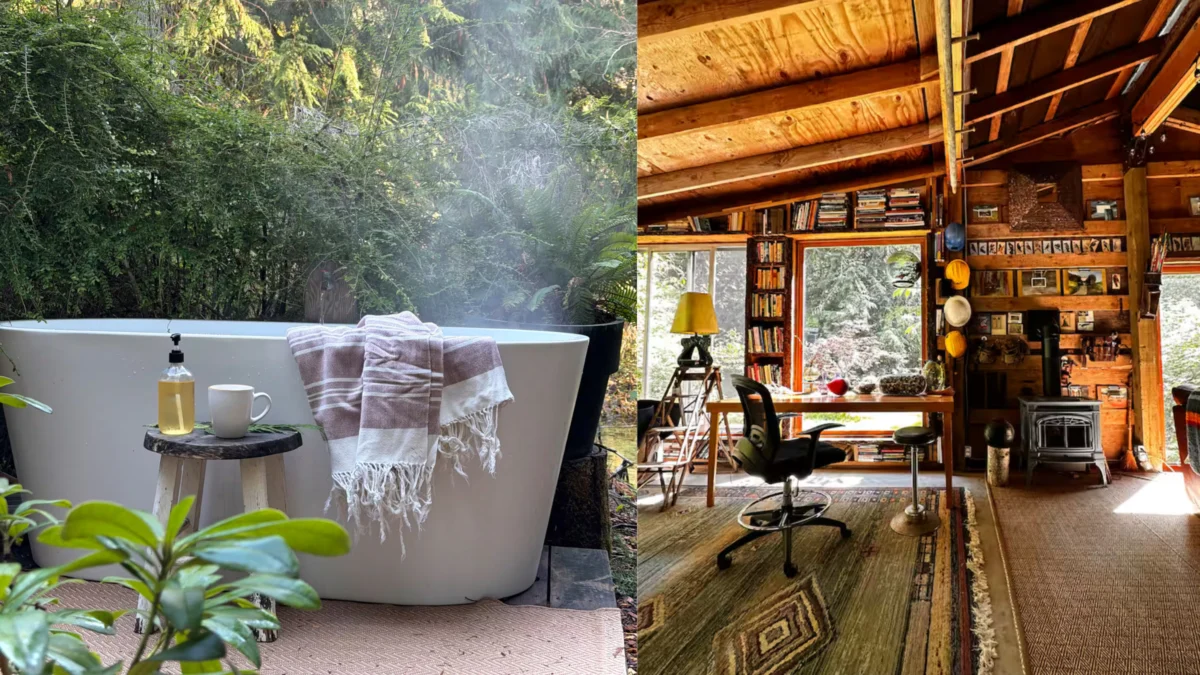
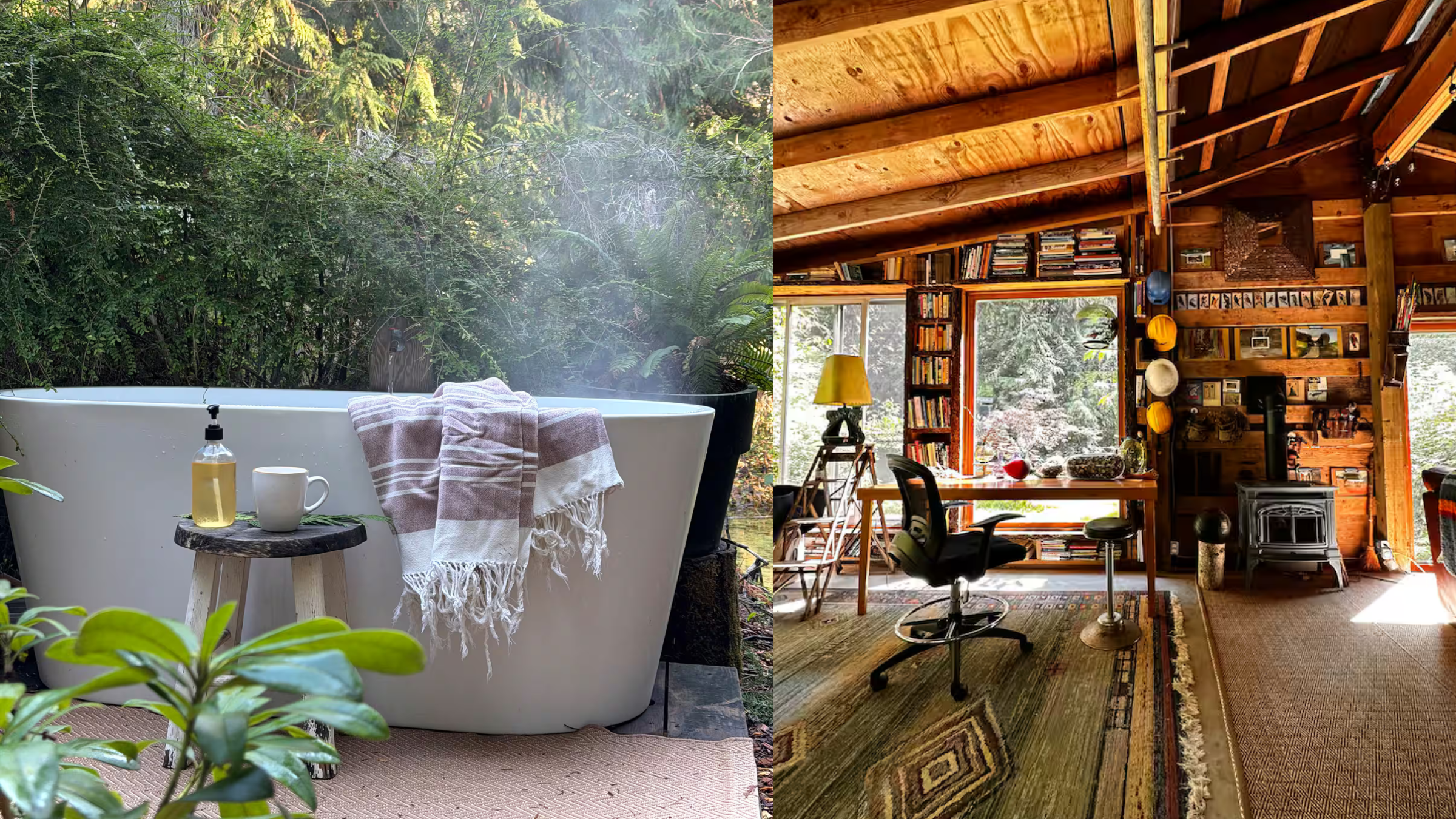
Accommodations on the island reflect its artistic community. A prominent local option, the Quiet Whidbey Cabin and Creative Studio, offers an eclectic, cozy environment complete with an outdoor soaking tub designed to modernize the Japanese practice of shinrin-yoku, or forest bathing. Rates begin at $330 per night with a two-night minimum, accommodating up to two guests.
Truth or Consequences, New Mexico: Desert Solitude and Mineral Soaking
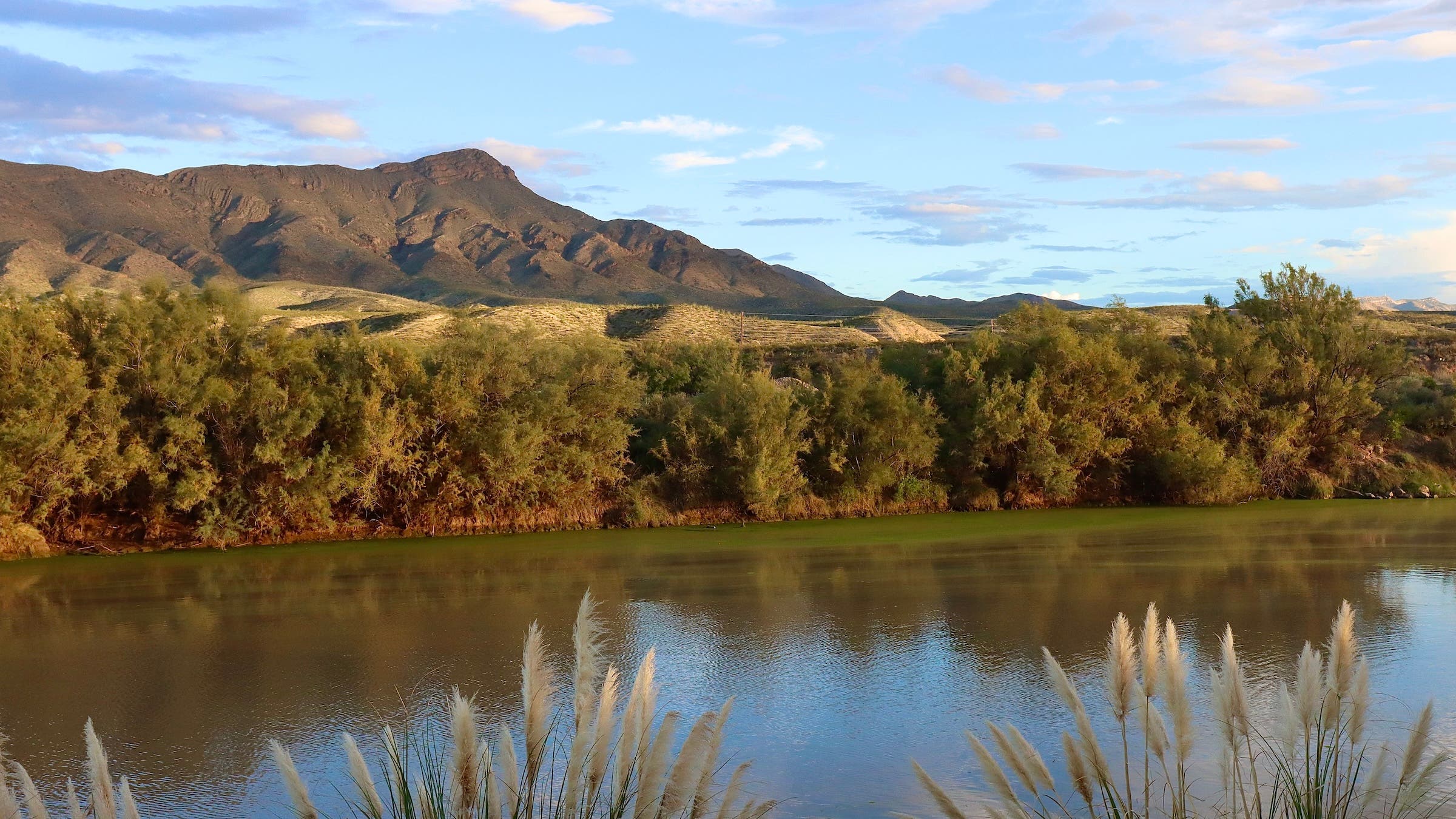
Situated within the Chihuahuan Desert, Truth or Consequences, New Mexico—originally named Hot Springs before a 1950 television show renaming stunt—retains a timeless, bohemian character characterized by Wild West architecture and a vibrant community of artists. The municipality sits atop an underground geothermal aquifer, supplying hot mineral water to ten commercial bathhouses clustered in the downtown district.
The town’s economic and social landscape prioritizes unhurried living. Visitors can access mineral soaks directly within town or embark on flatwater excursions down the nearby Rio Grande. For travelers requiring complete privacy, numerous residential properties feature private thermal wells fed directly from the subterranean aquifer.
The Riverside Hot Springs Private Retreat exemplifies this localized hospitality model. Priced from $282 per night with a two-night minimum for up to four guests, the property provides private soaking facilities accompanied by direct views of the rushing river, facilitating an environment conducive to meditative yoga practices and quiet contemplation.
Berkeley Springs, West Virginia: America’s First Spa Town
Formally known as Bath during the colonial era, Berkeley Springs, West Virginia, holds the distinction of being the first designated spa destination in the United States. Long before European settlers arrived, indigenous nations utilized the warm mineral springs for healing gatherings. By the 18th century, prominent colonial figures, most notably George Washington, regularly visited the area to utilize the waters for rheumatism and general fatigue. Today, visitors can still view the historic brick foundation of Washington’s original outdoor plunging tub in the heart of the town park.
The local springs maintain a consistent temperature of 74 degrees Fahrenheit, offering a refreshing mineral bath experience. Beyond hydrotherapy, the surrounding region provides extensive outdoor recreation opportunities. Mountain biking and hiking trail systems are accessible within Cacapon Resort State Park and the Eidolon Nature Preserve, catering to travelers who prefer forest immersion over aquatic therapies.
To complement the historical thermal experience, lodging options such as the River Cabin in Bath provide woodsy seclusion along local waterways. Priced at approximately $413 per night for four guests, the property includes a private hot tub, an outdoor shower, and an exclusive swimming hole, reinforcing the town’s centuries-old reputation as an American sanctuary for restorative leisure.
Implications for the Future of Domestic Travel
The proliferation of these off-the-beaten-path destinations signals a broader transformation in consumer travel priorities. As domestic tourism infrastructure continues to adapt to an increased demand for mental health support and burnout recovery, rural municipalities are finding economic viability in the preservation of their natural and historic assets. Industry analysts suggest that destinations emphasizing ecological conservation, historical authenticity, and low-density tourism will see sustained growth. By turning away from hyper-commercialized resort complexes, travelers are not only securing deeper personal well-being but are also contributing to a sustainable, community-centered model of tourism that honors both local heritage and environmental integrity.


 Tatiana Tantri Indah Sari

 Dwi Wanna
 Lukman Taruna Persada Ramadan

 Budi Mulyono
