
 Susilo Edi Turonggo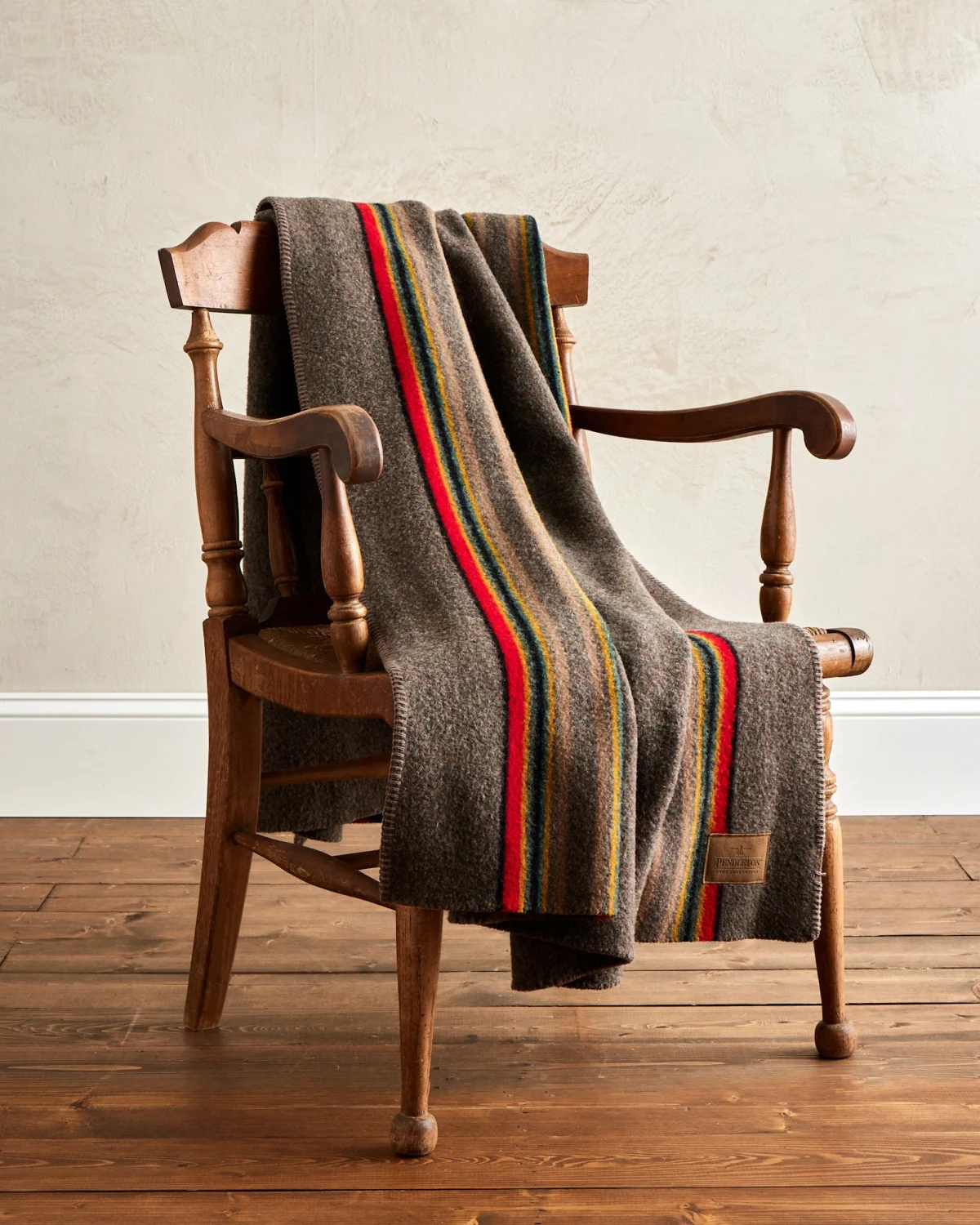
The allure of a warm, inviting blanket as a winter companion is undeniable, offering solace through months of snow, comfort during holiday travels, and warmth by a crackling fire. Beyond its immediate comfort, a thoughtfully chosen blanket represents a long-lasting investment and a considerate gift, particularly for those seeking items with deeper meaning. However, in an era of heightened environmental awareness and social responsibility, the selection of such a seemingly simple household item has evolved into a conscious decision, demanding scrutiny of materials, production processes, and supply chain ethics. Consumers are increasingly seeking blankets that not only provide warmth and aesthetic appeal but also align with principles of sustainability and fair labor.
The Hidden Costs of Conventional Textile Production
The global textile industry, a colossal economic engine, has long been a significant contributor to environmental degradation and social inequities. Conventional textile manufacturing, particularly for synthetic fibers and conventionally dyed natural fibers, carries a substantial ecological footprint. The production of synthetic textiles, such as polyester, relies heavily on fossil fuels, contributing to carbon emissions and non-renewable resource depletion. Furthermore, these materials are a primary source of microplastic pollution, shedding tiny plastic fibers into waterways with every wash, eventually entering the food chain and accumulating in ecosystems. Studies have shown that a single load of laundry can release hundreds of thousands of microplastic fibers, underscoring the pervasive nature of this issue.
Beyond synthetics, the processing of even natural fibers often involves intensive water usage and the discharge of chemical-laden wastewater. Dyeing and finishing processes are particularly problematic, with an estimated 20% of global industrial water pollution attributed to textile dyeing and treatment. Many conventional dyes, including certain azo-benzene disperse dyes, contain heavy metals and other toxic substances that are harmful to aquatic life and human health. These chemicals can contaminate local water sources, impacting communities reliant on these resources for drinking and agriculture. The textile industry’s vast consumption of water, often in water-stressed regions, further exacerbates resource scarcity, with estimates suggesting that producing a single cotton t-shirt can require up to 2,700 liters of water.
Prioritizing Health: Skin-Safe Materials and Dyes
The chemicals used in textile production are not merely an environmental concern; they pose direct health risks to consumers and textile workers alike. Immuno-sensitizing azo-benzene disperse dyes, commonly used in synthetic textiles, have been linked to skin reactions, allergic contact dermatitis, and respiratory issues. While blankets may not be ingested directly, these hazardous substances can migrate from the fabric into household dust, becoming airborne and subsequently inhaled or ingested, particularly by children and pets. Certain chemicals, like formaldehyde and heavy metals, are also prevalent in conventional textile finishes and dyes, acting as irritants, allergens, and in some cases, carcinogens or endocrine disruptors.
Recognizing these risks, a growing segment of the textile industry has shifted towards safer alternatives. Natural fibers, inherently biodegradable and often requiring fewer harsh chemicals in their processing when cultivated organically, represent a superior choice for both personal health and planetary well-being. Materials such as organic cotton, alpaca, merino wool, linen, Tencel (lyocell), and hemp offer breathability, durability, and a reduced chemical load.
- Organic Cotton: Cultivated without synthetic pesticides, fertilizers, or genetically modified organisms, organic cotton significantly reduces soil and water contamination, protecting biodiversity and farmer health.
- Alpaca and Merino Wool: These natural fibers are renowned for their exceptional warmth, softness, and moisture-wicking properties. Wool is naturally antimicrobial and odor-resistant, requiring less frequent washing, which conserves water and energy. Ethical sourcing ensures animal welfare.
- Linen: Derived from the flax plant, linen is celebrated for its strength, breathability, and low environmental impact. Flax requires minimal water and pesticides to grow and is naturally hypoallergenic.
- Tencel (Lyocell): A semi-synthetic fiber made from wood pulp, Tencel is produced using a closed-loop system that recycles water and solvents, minimizing waste and pollution. It offers a silky texture and excellent moisture management.
- Hemp: A highly sustainable crop, hemp requires little water, no pesticides, and enriches the soil. Its fibers are incredibly strong and durable, making for long-lasting textiles.
To ensure that the dyes and finishes applied to these fibers are non-toxic, consumers must look for credible certifications. Oeko-Tex Standard 100 certification guarantees that every component of a textile product, from the fabric to the thread and accessories, has been tested for harmful substances and is safe for human use. The bluesign standard goes further, ensuring that the entire production chain is optimized to reduce environmental impact, from raw materials to finished products, focusing on resource productivity, consumer safety, water and air emissions, and occupational health. These certifications serve as vital benchmarks, offering transparency and assurance in a complex market.
Beyond the Fabric: The Ethical Imperative in Supply Chains
The journey of a blanket from raw material to finished product often spans continents, involving numerous hands and processes. Historically, the textile industry has been plagued by exploitative labor practices, including low wages, unsafe working conditions, and child labor. The tragic collapse of the Rana Plaza factory in Bangladesh in 2013, which killed over 1,100 garment workers, served as a stark global awakening to the human cost embedded in fast fashion and opaque supply chains. This event catalyzed a widespread movement for greater transparency and accountability in textile manufacturing.
In response, many brands are now committed to establishing traceable and ethical supply chains. This involves working closely with artisans and factories to ensure fair wages, safe and healthy working environments, and respect for human rights. Investing in artisan craftsmanship not only supports traditional skills and cultural heritage but also empowers communities economically. Certifications like Fair Trade USA and the World Fair Trade Organization (WFTO) provide independent verification that products are made in accordance with rigorous social, environmental, and economic standards. These labels ensure that producers receive fair prices, workers are paid living wages, and safe working conditions are maintained, fostering sustainable livelihoods and community development. The B Corp certification, while broader in scope, signifies that a company meets high standards of verified performance, accountability, and transparency on factors from employee benefits and charitable giving to supply chain practices and input materials.
Durability, Design, and the Circular Economy
A truly sustainable blanket is one that is built to last, resisting the cycles of fast consumption and waste. Brands committed to sustainability prioritize quality materials and timeless designs that transcend fleeting trends. This focus on durability not only reduces the frequency of replacement purchases but also minimizes the overall environmental footprint associated with manufacturing and disposal. For instance, high-quality wool blankets are naturally resilient, anti-odor, and require less frequent washing compared to their synthetic counterparts, thereby conserving water and energy over their lifespan.
The concept of a circular economy, where products are designed for longevity, repair, reuse, and recycling, is gaining traction in the textile sector. Choosing durable items is a direct step towards this model, reducing textile waste that currently clogs landfills. In 2018, the EPA estimated that textile waste accounted for 17 million tons of municipal solid waste in the U.S. alone. By investing in well-made blankets and adhering to proper care instructions, consumers can significantly extend product life, ensuring that these cherished items remain part of their homes for years, if not decades.
Leading the Way: Brands Championing Sustainable Comfort
The market now features a growing number of brands dedicated to offering blankets that marry luxurious comfort with uncompromising ethical and environmental standards. These companies are setting new benchmarks for responsible production, offering consumers clear choices that align with their values.
-
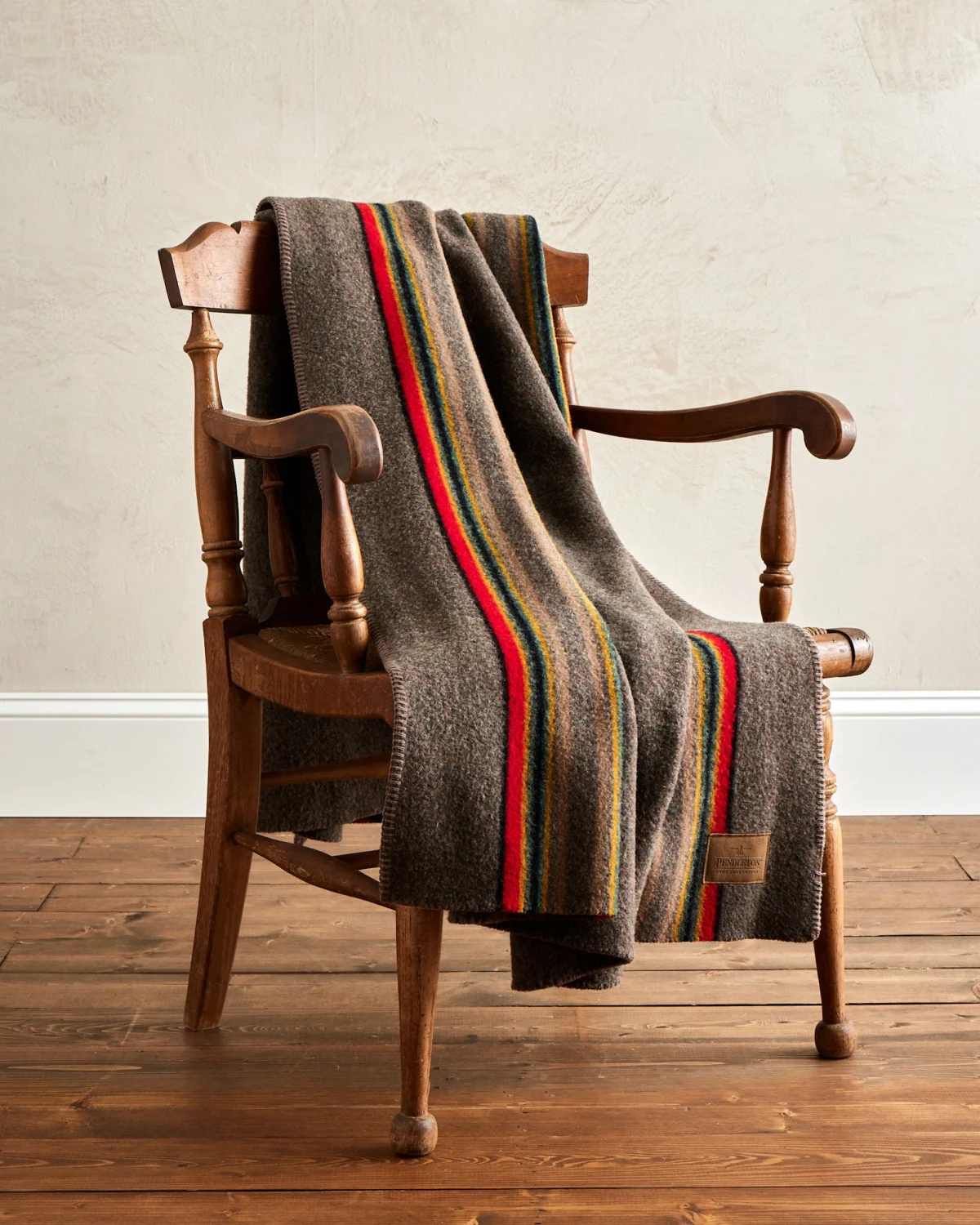
Pendleton: With a heritage dating back to 1909, Pendleton stands as an iconic American brand. Operating two of the few remaining woolen mills in the U.S., the company meticulously controls its production process, from scouring and dyeing to spinning and weaving. Its Oeko-Tex-certified wool and cotton blankets are a testament to quality, crafted from long-standing relationships with local wool farmers and indigenous artists whose iconic patterns are intricately woven on looms. This deep commitment to American manufacturing and cultural preservation sets Pendleton apart.
-
Minna: A certified B Corp and queer-led business based in Upstate New York, Minna infuses abstract patterns and minimalist designs into its handmade blankets. Produced in small batches, these throws utilize alpaca, Oeko-Tex-certified cotton, and merino wool. Minna’s dedication to ethical sourcing is evident in its direct relationships with artisan partners in Central and South America, with each product page transparently crediting the artisan who crafted the item, fostering a direct connection between maker and consumer.
-
April Notes: This brand specializes in soft, earth-friendly home linens, offering blankets made from linen, cotton, and merino wool. All products are certified free of harmful chemicals and synthetic dyes, ensuring they are naturally breathable and hypoallergenic. April Notes champions sustainability by producing on demand, drastically minimizing textile waste and overproduction. Their collaboration with a boutique atelier in Lithuania highlights a commitment to traditional craftsmanship, fair wages, and safe working conditions.
-
Avocado: Renowned for its eco-conscious bedroom stylings, Los Angeles-based Avocado is another certified B Corp. Its throw blankets feature Oeko-Tex-certified organic cotton, alpaca wool, cashmere, merino wool, and recycled cotton. A unique aspect is the use of naturally occurring colors in its alpaca wool throws, eliminating the need for dyes, while other blankets utilize azo-free dyes. Avocado’s supply chain, sourcing wool from Northern India, undergoes regular audits to ensure ethical practices.
-
Coyuchi: Committed to high-quality home goods with minimal environmental impact, Coyuchi sources organic cotton and wool from India. Their blankets are woven in Fair Trade-certified factories across Turkey, Portugal, and Germany, reflecting a global commitment to ethical manufacturing. Coyuchi provides a comprehensive blanket guide, assisting consumers in making informed choices that meet their specific needs and preferences.
-
Savvy Rest: This certified B Corp bedding brand focuses on simplicity and purity, offering organic cotton dye-free blankets. Ranging from throw to king sizes, their cotton is grown and woven into blankets entirely within the United States, emphasizing local production and reduced transportation footprints.
-
Under the Canopy: With a global production footprint spanning India, Pakistan, Turkey, and China, Under the Canopy creates durable, intentional designs using Oeko-Tex-certified low-impact dyes. Their materials include merino wool from Argentina and organic cotton from Turkey, highlighting a diversified approach to sourcing sustainable fibers.
-
Boll & Branch: As a Fair Trade Certified bedding company, Boll & Branch prioritizes non-toxic processes for its soft and safe blankets. Artisans in India, Turkey, and Pakistan craft their throws using traceable Oeko-Tex-certified organic cotton and alpaca, demonstrating a strong commitment to both material integrity and worker welfare.
-
Bearaby: Specializing in weighted blankets designed for sleep and anxiety, Bearaby also offers lightweight throws. Their innovative use of Tencel from Austria, organic cotton from India, and Oeko-Tex-certified recycled polyester underscores a versatile approach to sustainable materials, offering various weights and sizes to suit different preferences.
-
Cold Picnic: This brand transforms home goods into artistic pieces, utilizing domestically-sourced Oeko-Tex-certified recycled cotton. Designed in Brooklyn and produced in small batches by a family-owned company in the U.S., their blankets celebrate local craftsmanship. Their quilts, however, are handmade by artisans in India, showcasing a blend of local and international ethical production. Consumers should note that some blankets incorporate polyester, necessitating a check of material details for those sensitive to synthetics.
-
Parachute: A direct-to-consumer brand, Parachute emphasizes quality and durability in its home goods. Their blankets feature timeless modern designs crafted from Oeko-Tex-certified materials, including cotton, alpaca wool, and linen. Parachute partners with Fair Trade manufacturers in Portugal and Turkey, maintaining an ethical supply chain. As with some other brands, a small percentage of polyester may be present in certain blankets, so material details should be reviewed.
-
The Citizenry: This Fair Trade brand offers warm, lightweight blankets, quilts, and throws made from ethically sourced Oeko-Tex-certified materials such as alpaca wool, mohair, linen, and cotton. The Citizenry provides exemplary transparency, listing all its international partners and detailing where each blanket was handwoven or loomed on its product page. Consumers are advised to check material composition, as some blankets may contain a small amount of polyester.
-
Made Trade: As an online marketplace, Made Trade meticulously vets every product for genuine sustainability and transparency. It empowers consumers to shop by values, allowing them to filter for blankets that are USA Made, handcrafted, or Fair Trade. The platform also enables searching by preferred materials, including cotton, recycled polyester, hemp, linen, and merino and alpaca wool, providing an unparalleled level of consumer choice and ethical curation. Filters can be used to avoid synthetics if desired.
The Consumer’s Role and Future Outlook
The evolving landscape of sustainable and ethical blankets reflects a broader paradigm shift in consumer values and industry practices. The increasing demand for transparent, health-conscious, and responsibly produced goods is a powerful force driving manufacturers towards greater accountability. By choosing brands that prioritize skin-safe materials, non-toxic dyes, durability, and ethical supply chains, consumers play a direct role in fostering a more sustainable and equitable global economy.
The future of home textiles is likely to see further innovations in material science, with an emphasis on regenerative agriculture, bio-based alternatives, and advanced recycling technologies. The push for greater circularity will encourage brands to design products for end-of-life recovery, minimizing waste and maximizing resource utilization. As certifications become more widespread and robust, and as consumer awareness continues to grow, the default for comfortable living will increasingly become synonymous with conscious consumption, ensuring that the warmth of a blanket extends beyond personal comfort to embrace environmental stewardship and social justice.


 Anjar Salim
 Chandra Hamzah
 Tatiana Tantri Indah Sari
 Budi Mulyono
 Lukman Taruna Persada Ramadan
