
 Anjar Salim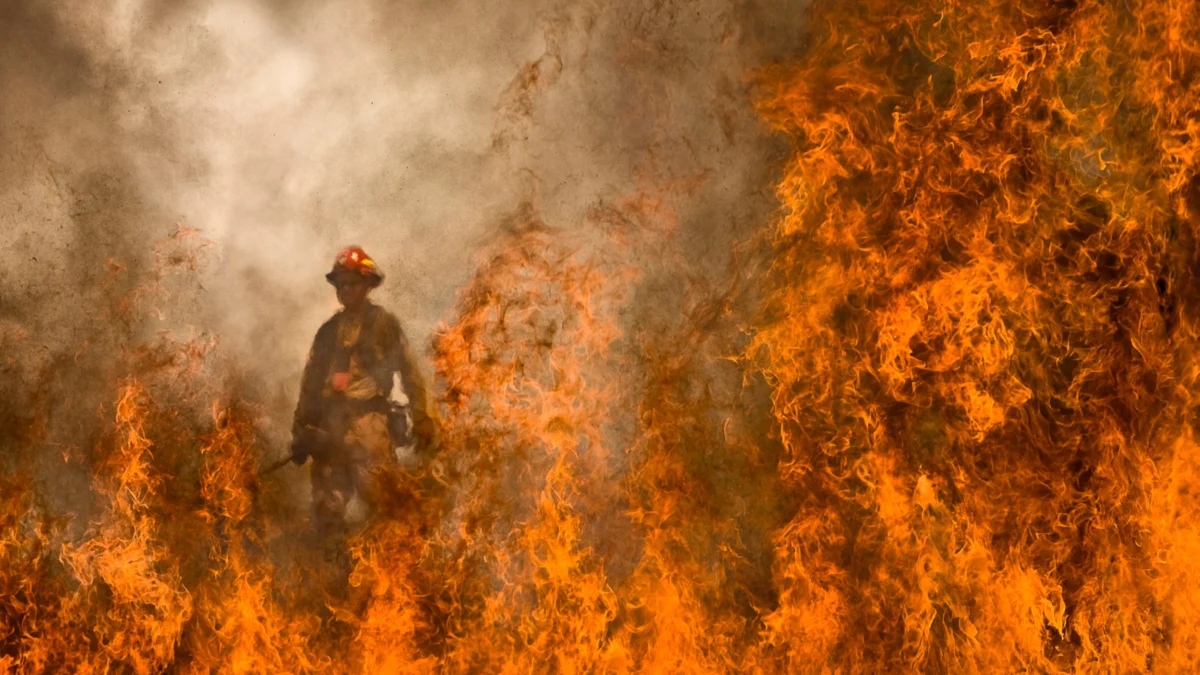
The wildland firefighting community is mourning the loss of three dedicated personnel who were overrun by a fast-moving blaze along the Colorado-Utah border on June 27, 2026. Emily Barker, 38, of Michigan; Nick Hutcherson, 27, of Arizona; and Sydney Watson, 27, of Alabama, died after being forced to deploy their emergency fire shelters—a tactical maneuver of last resort that highlights the extreme dangers of the current fire season. The incident occurred during the initial attack phase of the Knowles Fire, which has since merged with other ignitions to form the massive Snyder Fire, now estimated at 28,000 acres.
According to federal officials and the Department of the Interior, the three firefighters were part of a crew responding to a series of lightning-caused ignitions following a red flag warning in the region. Two other firefighters sustained injuries during the same "burnover" incident and were transported to regional hospitals for treatment. The deaths have sent shockwaves through a service already strained by an early and aggressive start to the summer, drawing haunting parallels to previous tragedies where emergency equipment proved insufficient against the raw power of wind-driven wildfires.
The Mechanics of a Last Resort: Understanding Fire Shelters
The fire shelter is perhaps the most iconic and dreaded piece of equipment in a wildland firefighter’s kit. A small, pup-tent-like structure made of aluminum foil, silica, and fiberglass, it is designed to reflect radiant heat and provide a pocket of breathable air when a firefighter is trapped and cannot reach a designated safety zone.
When a burnover becomes imminent, firefighters are trained to clear a 4-by-8-foot patch of mineral soil, lie face down inside the shelter, and use their extremities to pin the edges to the ground. The goal is to survive the passage of the "flaming front," which typically lasts between two and ten minutes. However, as Bill Kaage, the retired chief of the National Park Service’s division of fire and aviation, explains, the shelter is not a guarantee of survival.
"A shelter is a tool of last resort meant to protect one from a flaming front and the gases released during a fire," Kaage said. "They train on fire shelter use yearly, if not more often. Realistically, no firefighter wants to be in a situation requiring the use of a shelter."
While the shelters are highly effective at reflecting radiant heat—up to 95 percent—they are significantly less effective against convective heat (direct flame contact). If a fire is intense enough to create a sustained "bake" or if the flames are driven by high-velocity winds that get under the shelter’s skirt, the interior temperatures can quickly become unsurvivable. Most fatalities in these scenarios are caused not by external burns, but by the inhalation of superheated gases that cause the airway to swell and the lungs to fail.
Chronology of the Snyder Fire Incident
The tragedy unfolded against a backdrop of deteriorating weather conditions in Western Colorado and Eastern Utah. On June 26, the National Weather Service issued a red flag warning for the region, citing record-low humidity and wind gusts exceeding 40 miles per hour.
On the morning of June 27, multiple "smoke reports" were logged in the rugged terrain near the border. The Knowles Fire was one of several small starts that crews were dispatched to contain immediately—a process known as "initial attack." The objective of initial attack is to suppress a fire while it is small, preventing it from growing into a large-scale "complex."
By early afternoon, the Knowles Fire began to exhibit extreme behavior, fueled by parched vegetation and erratic winds. The three victims were engaged in suppression efforts when the fire’s direction shifted unexpectedly. Trapped by the speed of the advancing flames, Barker, Hutcherson, and Watson deployed their shelters in an attempt to weather the burnover.
Simultaneously, the Knowles Fire merged with the nearby Snyder Fire. This merger created a massive, unified front that overwhelmed local resources and forced a transition to a higher level of incident management. By the time search and rescue teams could reach the deployment site, the three firefighters had succumbed to the conditions.
A Season of Unprecedented Risk: Climate and Preparedness Data
The deaths of the three firefighters come at a time when fire managers are warning of a "perfect storm" of environmental factors. On June 29, just two days after the tragedy, the National Interagency Fire Center (NIFC) elevated the national preparedness level to Level 4 (PL4). There are five levels in total, with PL5 representing the highest state of emergency where national resources are fully committed.
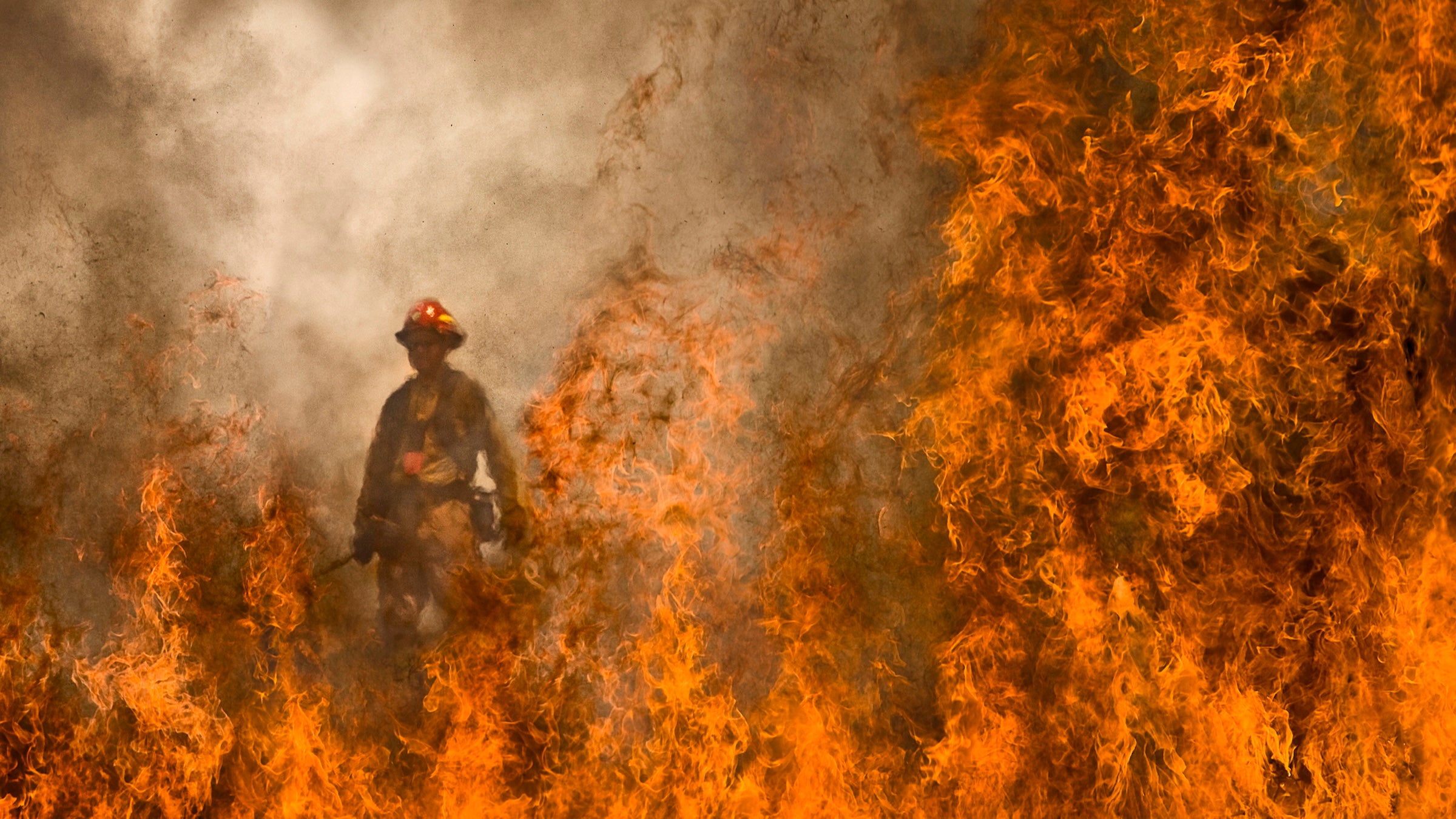
Moving to PL4 in June is statistically early. According to historical data provided by Bill Kaage, the number of fires and the total acreage burned so far in 2026 are significantly above the ten-year average. Several factors contribute to this volatility:
- Snowpack Deficits: Much of the Colorado River Basin saw a below-normal snowpack during the winter of 2025-2026. This meant that high-elevation fuels were exposed to the sun and wind weeks earlier than usual.
- Spring Heatwaves: A record-warm spring led to a rapid "green-up" followed by a quick "curing" of grasses. This created a continuous carpet of dry, fine fuels that act as a fuse for larger fires.
- Persistent Drought: Soil moisture levels in Western Colorado and Utah are at decadal lows, causing larger timber and brush to become "stressed." Stressed vegetation burns more intensely and is more resistant to traditional suppression methods.
"This is very early in the summer for places like Utah to be so active," said Riva Duncan, president of the Grassroots Wildland Firefighters. Duncan noted that the combination of drought and low snowpack has created a landscape that is essentially a tinderbox before the traditional peak of the fire season in August.
Official Reactions and the Human Toll
The loss has reverberated through the federal agencies that manage wildland fire. Brian Fennessy, Chief of the Wildland Fire Service, issued a poignant statement honoring the fallen.
"We mourn the loss of three firefighters who answered the call to protect others and made the ultimate sacrifice in service to their fellow citizens," Fennessy said. "Our thoughts are with their families, loved ones, friends and crewmates as they face an unimaginable loss. These firefighters embodied the courage, professionalism and selflessness that define the wildland fire service."
The victims represented a cross-section of the modern wildland workforce. Emily Barker, a veteran at 38, was known for her leadership and experience in Michigan’s forest management. Nick Hutcherson and Sydney Watson, both 27, represented the younger generation of "seasonal" and "initial attack" responders who often travel thousands of miles from their home states to assist in Western blazes.
Riva Duncan, whose organization advocates for the health and safety of wildland firefighters, emphasized that the public must understand the human cost of these incidents. "Their deaths are absolutely devastating," Duncan told Outside. She reminded the public that while wildland firefighters are often viewed as heroes, they are also workers facing increasingly lethal conditions for relatively modest pay.
Historical Context and Policy Implications
The Snyder Fire tragedy is being compared to the 2013 Yarnell Hill Fire in Arizona, where 19 members of the Granite Mountain Hotshots died after deploying their shelters. Both incidents involved "initial attack" crews being caught in rapidly changing conditions where shelters were the only remaining option.
In the wake of Yarnell Hill, the U.S. Forest Service and the Department of the Interior underwent extensive reviews of fire shelter design and "LACES" (Lookouts, Anchor Points, Communication, Escape Routes, and Safety Zones) protocols. While the shelter was redesigned to offer better protection, the Snyder Fire incident serves as a grim reminder that no technology can fully insulate a human body from the 2,000-degree Fahrenheit temperatures of a crown fire.
The incident is likely to spark renewed debate over firefighting tactics in the era of "mega-fires." Some advocates suggest that as fires become more intense due to climate change, the "initial attack" strategy—which puts firefighters in close proximity to uncontained blazes—may need to be re-evaluated in favor of more defensive, indirect strategies that prioritize personnel safety over acreage containment.
Ongoing Investigation and Safety Warnings
Authorities have launched a formal Serious Accident Investigation (SAI) into the Snyder Fire fatalities. This multi-agency team will analyze weather data, communication logs, and the physical evidence at the deployment site to determine why the escape routes failed and how the fire behavior exceeded the crew’s expectations.
In the meantime, the Snyder Fire continues to grow. With the national preparedness level at PL4, resources are being redirected from across the country to assist in the Great Basin and Rocky Mountain regions. Fire managers are pleading with the public to adhere to fire restrictions, noting that human-caused ignitions add unnecessary strain to an already exhausted workforce.
"We ask the public to please be mindful of fire restrictions and remember we have real people with families out on the firelines doing an already risky job," Duncan said. "The last thing we need is a human-caused wildfire. Our firefighters are doing the absolute best they can in really difficult and dangerous conditions."
As the investigation continues, the names of Emily Barker, Nick Hutcherson, and Sydney Watson will be added to the long list of those who have fallen in the line of duty, serving as a sobering testament to the rising stakes of wildland firefighting in a changing American West.




 Chandra Hamzah
 Tatiana Tantri Indah Sari
 Budi Mulyono
 Lukman Taruna Persada Ramadan