
 Budi Mulyono
As the mid-summer travel season reaches its peak, a confluence of expiring credit card offers, shifting airline loyalty policies, and significant disruptions in the secondary ticketing and maritime sectors has created a complex landscape for domestic and international travelers. Industry analysts and frequent flyer advocates are highlighting several critical deadlines and operational changes that could significantly impact consumer value and travel logistics in the coming weeks. From the tightening of Delta Air Lines’ baggage guarantee window to the emergence of "speculative ticketing" risks at major sporting events, the current travel environment requires a heightened level of consumer vigilance and strategic planning.
Strategic Shifts in Delta Air Lines Loyalty and Lounge Access
A primary focus for frequent flyers this month involves the looming July 15 deadline for elevated welcome offers on Delta-branded American Express cards. The Delta SkyMiles Reserve and Business Reserve cards are currently offering introductory bonuses of up to 125,000 miles, a significant increase over standard offers. This deadline coincides with a broader shift in how Delta manages its premium lounge ecosystem, known as the Sky Club.
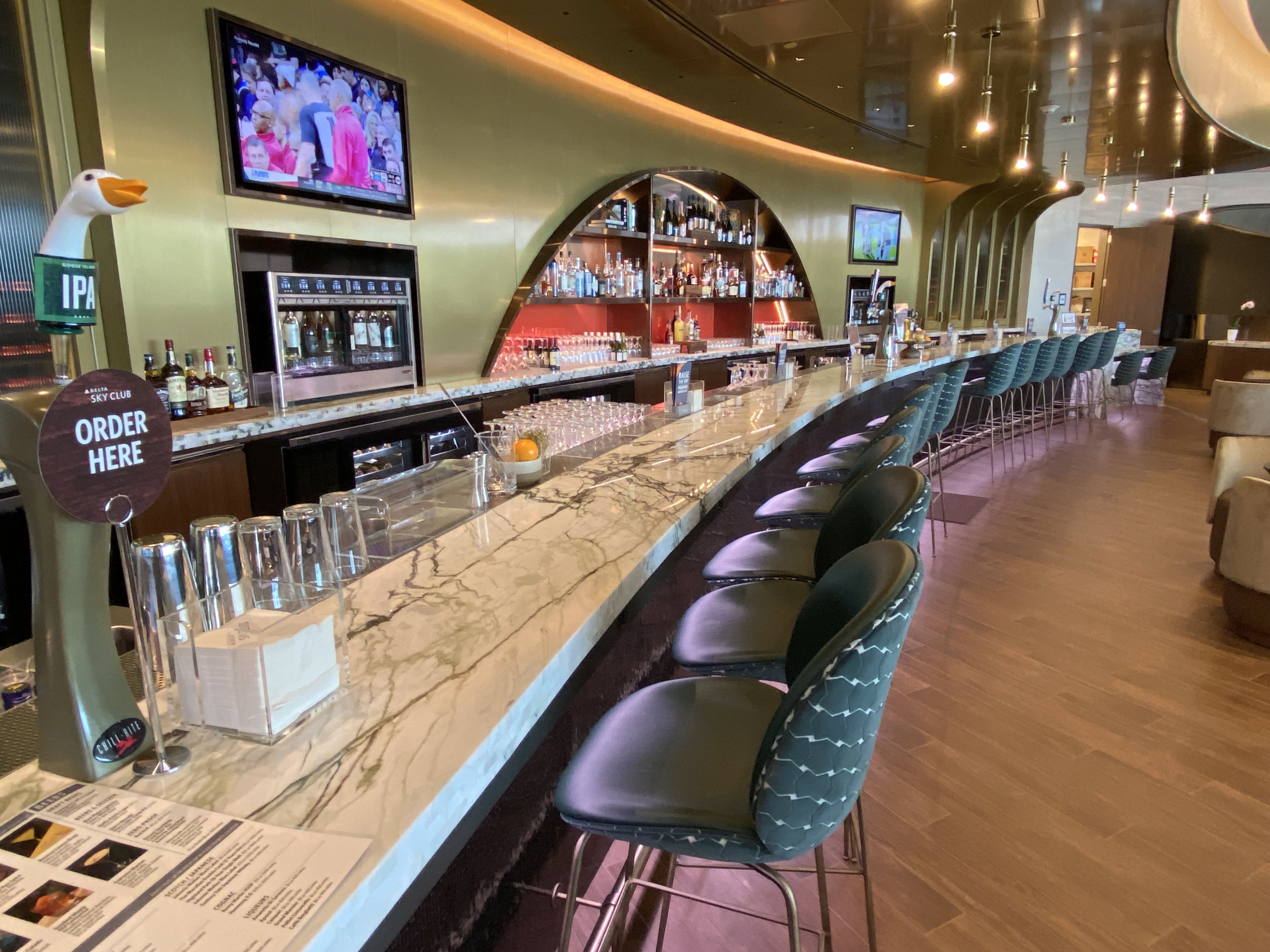
The strategic value of the Reserve card has increased following recent policy changes. While the standard American Express Platinum card carries a higher annual fee of $695 (often cited as part of a broader $895 package when including authorized users or business variants), the Delta Reserve card maintains a $650 annual fee while providing more robust access to Delta’s proprietary lounges. Starting in early July, the Reserve card offers 15 Sky Club visits per year, compared to the 10 visits allocated to Platinum cardholders. Furthermore, the Reserve card includes four guest passes, a feature notably absent from the Platinum card’s Delta-specific benefits.
This divergence in card value is further emphasized by the July 8 implementation of new rules for Centurion Lounge access during layovers. Analysts suggest that for dedicated Delta flyers, the math increasingly favors the Reserve tier, particularly as the airline moves toward a more restrictive access model designed to reduce lounge overcrowding. The "stacking" strategy—whereby travelers hold multiple Platinum cards to circumvent visit limits—is becoming less cost-effective compared to the simplified, higher-visit ceiling of the Reserve cards.
The Shrinking Window for Delta’s Baggage Guarantee
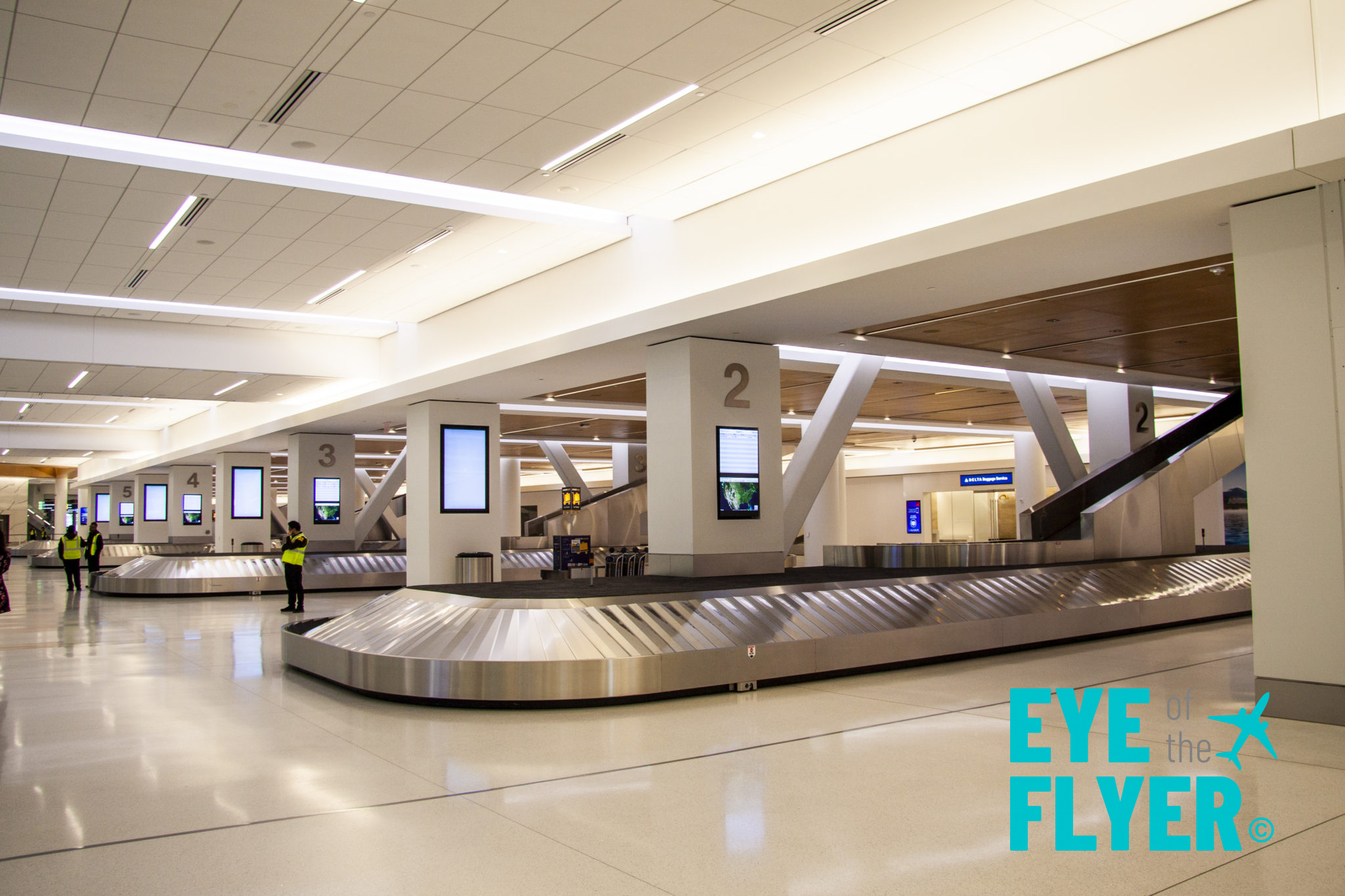
In addition to loyalty card shifts, Delta Air Lines has quietly modified the terms of its "Bags on Time" guarantee, a popular program that awards passengers 2,500 SkyMiles if their checked luggage does not arrive at the carousel within 20 minutes of the aircraft’s gate arrival. While the program remains a cornerstone of Delta’s customer service promise, the window for filing a claim has been drastically reduced.
Previously, passengers had up to three days to submit a claim for delayed baggage. New operational directives have shortened this window to just two hours from the time of flight arrival. This change necessitates that travelers monitor their luggage arrival in real-time and file claims via the official Delta website before leaving the airport. Data from frequent travelers indicates that while the miles are disbursed reliably, the shortened claim period is designed to reduce the volume of retrospective filings.
To maximize the success of these claims, travel experts recommend using third-party tracking applications such as Flighty or FlightAware to establish the exact "gate-in" time, as the 20-minute countdown begins the moment the aircraft is secured at the gate, not when the first bag hits the belt.
Regulatory Concerns and Banking Account Closures
The travel rewards ecosystem has also been rattled by reports of sudden bank account closures and the subsequent withholding of consumer funds. In a notable recent case, a consumer reported that after a bank unilaterally closed their credit card account, the institution initially refused to refund a significant credit balance resulting from an accidental overpayment.
Legal experts point out that while banks have the right to terminate customer relationships at their discretion—a process often referred to as "de-risking"—the retention of a customer’s overpaid funds is generally a violation of federal consumer protection laws. Under the Truth in Lending Act and Regulation Z, creditors are required to refund any credit balance exceeding one dollar within seven business days of receiving a written request, or to make a good-faith effort to refund the balance if it remains in the account for more than six months.
This incident serves as a cautionary tale for those in the "points and miles" community who manage multiple high-velocity accounts. Consumers are advised to maintain meticulous records of their balances and to escalate disputes to the Consumer Financial Protection Bureau (CFPB) if a financial institution fails to return personal funds following an account shutdown.
The Pitfalls of Delta’s "Reclaim My Status" Program
For travelers who suffered a loss of elite status due to life events such as illness, injury, or family changes, Delta’s "Reclaim My Status" program offers a path to recovery. However, recent data suggests that the program’s "90-day sprint" is more difficult to complete than many anticipate.
The program allows travelers to regain their former Medallion tier by meeting specific Medallion Qualification Dollar (MQD) targets within a three-month window. A common point of failure for participants is the misunderstanding of "MQD HeadStart" benefits. While Delta SkyMiles Platinum and Reserve cardholders receive an annual $2,500 MQD boost toward their status, these "HeadStart" dollars do not count toward the specific requirements of a Reclaim My Status challenge. Only MQDs earned through actual flight segments or direct credit card spending during the 90-day period are eligible.
Furthermore, American Express’s internal policies regarding the number of active cards a consumer can hold—often capped at five non-Membership Rewards "credit" cards—can prevent travelers from opening new accounts to bridge the MQD gap. This interplay between banking limits and airline loyalty requirements highlights the need for precise timing when attempting to recover elite status.
Market Volatility in Event Ticketing and Maritime Overbooking
The broader travel sector is also facing volatility in specialized markets. At the ongoing World Cup and other major international sporting events, "speculative ticketing" has led to significant consumer distress. This practice involves secondary market resellers listing tickets they do not yet possess, hoping to acquire them at a lower price before the event. When the reseller fails to secure the ticket, the buyer is left without entry, often after traveling thousands of miles.
Despite "FanProtect" guarantees offered by platforms like StubHub, which promise replacement tickets or refunds, the reality for many fans has been a lack of comparable seating or total exclusion from the venue. Authorities recommend purchasing tickets exclusively through official platforms, such as FIFA’s ticketing portal, to avoid the risks associated with speculative listings.
In the cruise industry, record-breaking demand has led to instances of extreme overbooking. Royal Caribbean recently issued a significant compensation offer for a July 19 sailing of the Serenade of the Seas out of Vancouver. To resolve an overbooked situation, the cruise line offered volunteers a 100% refund of their fare, a 50% future cruise credit, and a comparable stateroom on an alternate Alaska sailing. This level of compensation reflects the high stakes of current maritime operations, where the cost of "bumping" a passenger is significantly higher than in the airline industry.
Labor Unrest and Infrastructure Challenges
Finally, infrastructure and labor issues continue to threaten travel stability. In Florida, 130 concession workers at Miami International Airport (MIA) have authorized a strike as the region prepares for massive crowds associated with international soccer tournaments. The dispute centers on a wage increase of $3.75 per hour, with the operator currently offering significantly less. A strike in Concourse D, a major hub for American Airlines and international transfers, could result in the closure of approximately 10 major retail and dining outlets, complicating the travel experience for thousands of passengers.
Simultaneously, record-breaking heatwaves across the United States are contributing to flight delays and equipment failures. Travelers are urged to monitor flight statuses closely and prepare for "gate returns" or deplaning events, which have become more frequent as aircraft cooling systems struggle to maintain safe cabin temperatures during extended tarmac delays.
In summary, the current travel landscape is defined by a series of narrow windows—whether for credit card applications, baggage claims, or status challenges. As airlines and financial institutions tighten their policies, the burden of "travel literacy" falls increasingly on the consumer to ensure they receive the value and protections they are promised.




 Anjar Salim
 Chandra Hamzah
 Tatiana Tantri Indah Sari
 Lukman Taruna Persada Ramadan