
 Gabriela Annisa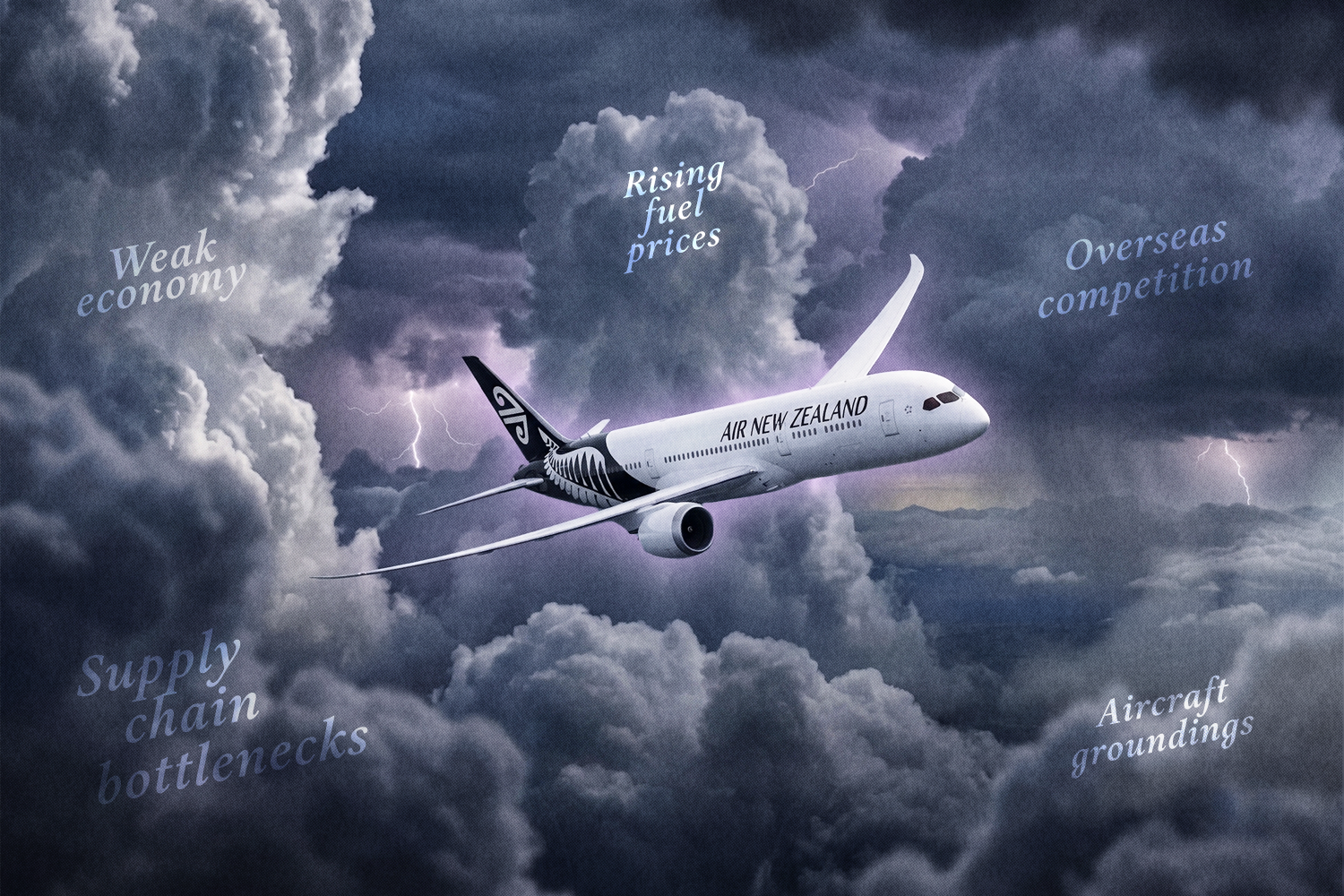
Nikhil Ravishankar, Air New Zealand’s newly appointed Chief Executive Officer, has unveiled a comprehensive "three-pillar reset" strategy designed to navigate the airline through its recent turbulence and chart a course back to sustained profitability. This strategic pivot, coming amidst a period of significant operational and financial headwinds, places a sharper customer focus, rigorous cost management, technological integration, and renewed growth at the forefront of the Kiwi carrier’s ambitions. The announcement marks a critical juncture for Air New Zealand, with industry observers keenly watching whether Ravishankar can deliver on a plan that now largely removes the previous "excuses" of engine groundings and soaring fuel costs, which are gradually receding from their peak impact.
The Genesis of a Crisis: A Challenging Pre-Ravishankar Era
Air New Zealand has endured a tumultuous period leading up to Ravishankar’s appointment, characterized by a confluence of adverse factors that significantly eroded its financial performance and operational stability. The most prominent of these challenges stemmed from the widespread issues with Pratt & Whitney PW1100G engines, which power a substantial portion of the airline’s Airbus A320neo and A321neo narrow-body fleet. These engines, critical for short-to-medium haul routes, experienced a series of manufacturing defects and durability issues, necessitating extensive inspections and lengthy maintenance groundings.
Beginning in late 2023 and intensifying into early 2024, the engine problems forced Air New Zealand to ground an average of five to eight aircraft at any given time, representing approximately 15-20% of its narrow-body fleet. This substantial reduction in available capacity led to widespread flight cancellations, schedule adjustments, and a significant disruption to its domestic and trans-Tasman networks. The direct financial impact was severe, with estimated revenue losses from cancelled flights and reduced passenger loads, coupled with increased operational costs associated with lease extensions for older aircraft and compensation for affected passengers. Industry estimates suggested these groundings alone cost the airline tens of millions of dollars per quarter in lost revenue and increased expenses.
Compounding the engine crisis were persistently high jet fuel costs. Global geopolitical events and supply chain disruptions pushed crude oil prices to elevated levels throughout 2023 and into early 2024, with jet fuel prices experiencing year-over-year increases of up to 40% in some quarters. As fuel typically represents 25-35% of an airline’s operating expenses, this surge placed immense pressure on Air New Zealand’s bottom line, despite hedging strategies. The airline reported a net loss of NZ$150 million for the third quarter of fiscal year 2025, a stark contrast to the post-pandemic recovery hopes, directly attributing much of this to the dual impact of engine groundings and elevated fuel prices.
Furthermore, a general softening in post-pandemic demand, particularly in certain international leisure segments, also played a role. Economic uncertainties, inflationary pressures in key markets, and increased competition on popular routes meant that while demand had largely rebounded from COVID-19 lows, it was not as robust or consistently strong as initially projected. This "softer demand" environment made it harder for Air New Zealand to pass on increased costs through higher fares, further squeezing margins.
Nikhil Ravishankar: A New Mandate for Change
Nikhil Ravishankar, a seasoned executive with a background spanning technology and operational leadership, was appointed CEO with a clear mandate: to stabilize the airline and steer it towards a more resilient future. His arrival signaled a recognition by the board that while external factors had undeniably played a significant role in recent performance, a proactive and internally focused strategy was now paramount. "The groundings are slowly resolving, and while fuel prices remain volatile, the extreme spikes of the past year appear to be moderating," Ravishankar noted in a recent internal memo. "These were significant headwinds, but as they abate, the responsibility to deliver robust performance rests squarely on our strategic execution."
Ravishankar, who previously served as the airline’s Chief Digital Officer, brings a strong emphasis on data-driven decision-making and technological innovation—a core component of his new strategy. His appointment was widely seen as a signal that Air New Zealand was preparing to move beyond crisis management and into a phase of fundamental business transformation.
The Three-Pillar Reset: A Blueprint for Recovery
Ravishankar’s strategy is built upon three interconnected pillars, each designed to address specific aspects of the airline’s performance and market position.
Pillar One: Sharpening the Customer Focus
This pillar aims to reclaim and enhance Air New Zealand’s reputation for exceptional customer service, which had been strained by the recent operational disruptions. The strategy involves a multi-pronged approach to improve the entire passenger journey. On the ground, this includes significant investments in improving the digital experience, such as upgrading the mobile app and website for more intuitive booking, real-time flight information, and seamless self-service options. The airline plans to introduce AI-driven customer support channels to handle routine inquiries more efficiently, freeing up human agents for complex issues and personalized assistance.
In the air, Air New Zealand intends to elevate the in-flight experience across all cabins. This includes a refresh of cabin interiors on select aircraft, enhanced entertainment options, and a renewed focus on the quality and variety of its food and beverage offerings, particularly emphasizing local New Zealand produce and culinary excellence. The loyalty program, Airpoints, is also slated for a comprehensive review and revamp, with plans to introduce more flexible redemption options, personalized rewards, and expanded partnership benefits. A key objective is to address pain points identified during the period of cancellations and delays, such as proactive communication during disruptions and more efficient rebooking processes. The airline aims to achieve a 15% increase in its Net Promoter Score (NPS) within two years, signaling a tangible improvement in customer satisfaction.
Pillar Two: Driving Operational Efficiency and Cost Reduction
Recognizing the need for a leaner operating model, this pillar targets significant improvements in efficiency and a reduction in non-fuel operating costs. Ravishankar has set an ambitious target of achieving a 10% reduction in non-fuel operating costs over the next two fiscal years. This will be achieved through a rigorous review of all operational expenditures, including supply chain renegotiations, optimizing ground handling contracts, and a comprehensive assessment of administrative overheads.
A major focus will be on maximizing fleet utilization as the PW1100G engine issues are progressively resolved. This involves optimizing flight schedules to reduce aircraft downtime, implementing advanced predictive maintenance technologies to minimize unscheduled repairs, and leveraging data analytics to improve turnaround times. Digital transformation plays a crucial role here, with plans to automate back-office processes, streamline crew scheduling, and implement new inventory management systems to reduce waste. Furthermore, the airline will explore new technologies for fuel efficiency, such as advanced flight planning software that optimizes routes for minimum drag and fuel burn, even as fuel prices moderate.
Pillar Three: Technology and Sustainable Growth
The third pillar is forward-looking, emphasizing technology not just as an enabler of efficiency but as a driver of innovation and sustainable growth. Air New Zealand plans to invest significantly in next-generation IT infrastructure, including cloud migration for critical systems and the adoption of advanced data analytics platforms. These technologies will underpin smarter route planning, dynamic pricing strategies, and personalized marketing efforts.
In terms of growth, the airline is committed to a cautious but strategic network expansion. This includes the reinstatement of key international routes that were temporarily suspended due to capacity constraints, and the exploration of new, high-potential destinations in Asia and North America that align with New Zealand’s tourism and trade objectives. Fleet modernization remains a priority, with ongoing evaluation of next-generation aircraft that offer superior fuel efficiency and passenger comfort.
Sustainability is also woven into this growth strategy. Air New Zealand has set ambitious targets for the integration of Sustainable Aviation Fuel (SAF) into its operations, aiming for 10% SAF usage by 2030. This involves exploring partnerships for SAF production and supply, and investing in research and development for decarbonization technologies. The airline’s commitment extends to reducing waste, improving energy efficiency across its ground operations, and supporting biodiversity initiatives in New Zealand.
Industry and Financial Analyst Reactions
Initial reactions from industry analysts have been cautiously optimistic. "Ravishankar’s three-pillar strategy is a necessary and well-structured pivot for Air New Zealand," commented Aviation Analyst Sarah Chen from Pacific Skies Consulting. "The focus on customer experience is vital, as is the relentless pursuit of efficiency. However, execution will be everything. The previous challenges provided a clear narrative; now, the onus is on the leadership team to deliver measurable results on their own strategic merits."
Shareholder sentiment has shown a tentative positive response, with Air New Zealand’s stock experiencing a modest uptick following the announcement. However, many investors remain watchful, having endured a period of significant volatility. "The plan is ambitious but achievable, provided there are no major unforeseen external shocks," stated Mark Thompson, a portfolio manager at Kiwi Capital Partners. "The market will be looking for tangible signs of improved profitability and operational stability in the coming quarters."
The Board of Directors expressed full confidence in Ravishankar’s leadership. "Nikhil has demonstrated a deep understanding of Air New Zealand’s strengths and the challenges we face," said Theresa Miller, Chair of the Air New Zealand Board. "His vision for a more customer-centric, efficient, and technologically advanced airline is precisely what we need to secure our long-term future. We believe this strategy will not only restore our financial health but also reinforce our position as a leading global airline."
Broader Implications for Air New Zealand and the Region
The success of Ravishankar’s strategy has significant implications extending beyond Air New Zealand’s balance sheet. For the New Zealand tourism sector, a robust and reliable national carrier is paramount. Improved capacity, reliable scheduling, and an enhanced customer experience will directly support the country’s efforts to attract international visitors, contributing vital foreign exchange earnings and supporting local businesses. The renewed focus on network growth will be critical in reconnecting New Zealand with key international markets, fostering trade and cultural exchange.
In the broader Asia-Pacific aviation landscape, Air New Zealand’s strategic reset could intensify competition. As it optimizes its operations and potentially expands, it will likely challenge regional rivals on routes and service quality. The emphasis on technology and sustainability could also set new benchmarks for other carriers in the region, particularly regarding digital transformation and decarbonization efforts.
Internally, the strategy will demand significant adaptation from Air New Zealand’s workforce. While cost efficiencies are a focus, the emphasis on customer service and technology will require investment in employee training, upskilling, and fostering a culture of continuous improvement. Maintaining high employee morale and engagement during a period of transformation will be crucial for successful execution.
Challenges Ahead
Despite the clear strategic direction, significant challenges lie ahead. The global economic environment remains unpredictable, with potential for renewed inflationary pressures or recessionary impacts that could dampen demand. Geopolitical instability could again trigger spikes in fuel prices or disrupt supply chains. Competitors are unlikely to remain static, with other airlines also investing in their product and networks. Most critically, the successful execution of the strategy depends on meticulous planning, effective change management, and the ability to adapt to unforeseen circumstances. The resolution of the PW1100G engine issues, while improving, still presents an ongoing operational hurdle that needs careful management.
In conclusion, Nikhil Ravishankar’s three-pillar reset represents a decisive move for Air New Zealand, aiming to reposition the airline for growth and profitability after a period of intense adversity. With the immediate crises of engine groundings and extreme fuel costs gradually easing, the focus shifts squarely to internal strategic execution. The coming quarters will be a crucial test of this new leadership and its ambitious plan, determining whether Air New Zealand can indeed chart a path back to sustained success and reaffirm its status as a premium carrier in the highly competitive global aviation market.




 Anjar Salim
 Chandra Hamzah
 Tatiana Tantri Indah Sari
 Budi Mulyono

