
 Gabriela Annisa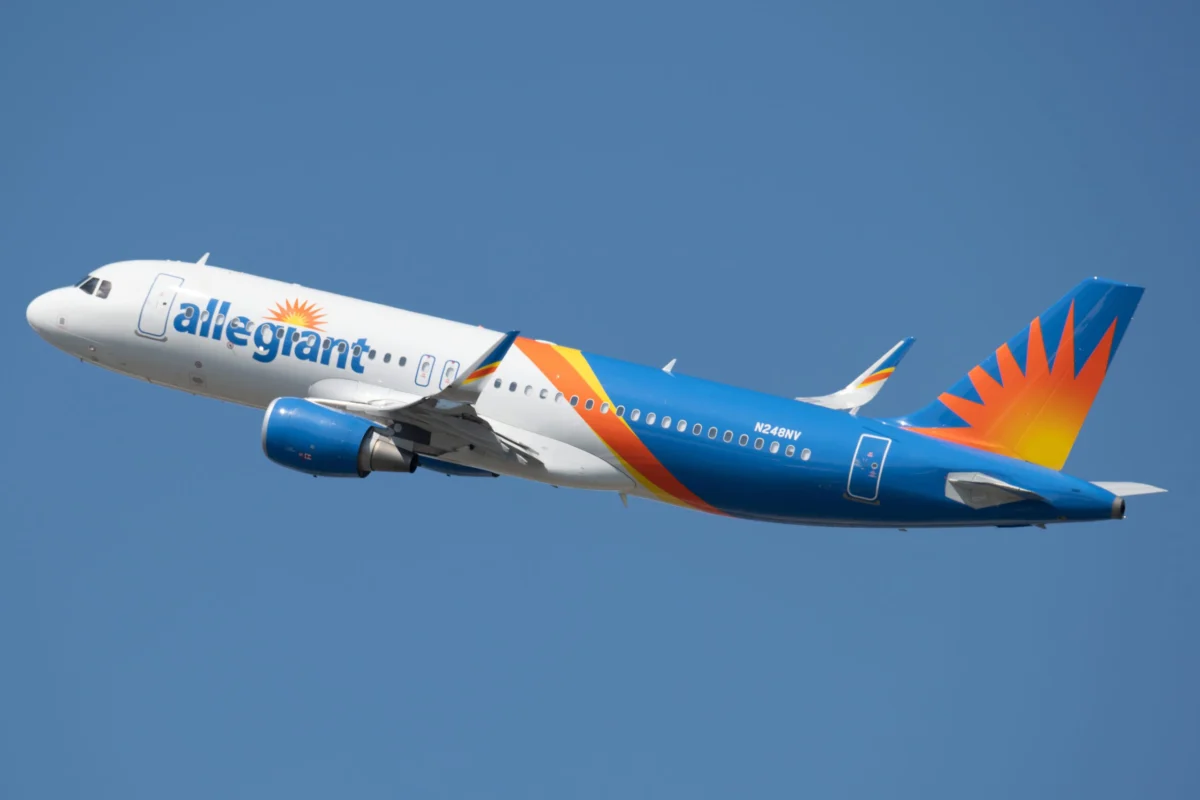
The contrasting fortunes of two prominent West Coast cities, Las Vegas and San Diego, are currently redefining the landscape of commercial aviation in the region. While Las Vegas, long hailed as an "all-star" airline market, grapples with a notable downturn in air traffic, San Diego is experiencing a remarkable surge in capacity, positioning itself as a key growth area. This divergence highlights significant shifts in post-pandemic travel patterns, economic priorities, and airline strategies, painting a complex picture for the future of West Coast tourism and business travel.
The Fading Luster of Las Vegas: A Decline in Air Traffic
For decades, Las Vegas epitomized a thriving airline market, a sentiment once encapsulated by Allegiant, which is headquartered there, describing it as a "rock star." The city’s unique appeal, combining entertainment, gambling, and conventions, fueled a consistent demand for air travel from across the United States and internationally. However, recent data suggests a significant loss of vigor. Passenger volumes at Harry Reid International Airport (LAS) were down 6% last year compared to the prior period, a trend that has continued into the current year, with April 2024 data showing another 6% decline. This contraction raises questions about whether the city is experiencing a temporary setback or a more profound structural shift.
Several factors are contributing to this decline. Foremost among them is the disappearance of Spirit Airlines from the market. Spirit, an ultra-low-cost carrier, was, as recently as last summer, the second busiest airline at LAS. Its departure left a substantial void in capacity and, crucially, in competitive pricing, impacting a significant segment of the market that relied on affordable air travel to access Las Vegas. The routes previously served by Spirit, often connecting secondary markets with lower average fares, have not been fully absorbed by other carriers, leading to reduced overall connectivity and potentially higher prices for budget-conscious travelers.
Beyond the loss of a major carrier, Las Vegas has also seen a significant reduction in its international visitor base. Historically, Canadians, Europeans, and Asians constituted a vital component of the city’s tourism. However, a confluence of factors, including political considerations, fluctuating exchange rates (such as the Canadian dollar’s value against the USD), and altered post-pandemic travel preferences, has led to fewer visitors from abroad. While Las Vegas is not a primary international hub with numerous foreign airlines, a substantial portion of its international visitors arrived via connecting flights on U.S. carriers. This indirect international traffic has also withered, impacting overall passenger numbers. Industry analysts suggest that a stronger U.S. dollar has made international travel to the United States more expensive for many, while destinations in Europe and Asia have seen renewed interest from American travelers.
Southwest Airlines, historically the dominant carrier in Las Vegas and its largest operator by far, has also adjusted its strategy. While Southwest had significantly grown its presence in LAS in the immediate post-pandemic period, that growth has since tapered off. The airline, facing its own network optimization challenges and increasing competition, appears to be reallocating capacity to other markets. This shift by such a pivotal player underscores the changing dynamics within Las Vegas’s aviation landscape.
The "Premium" Paradox and Market Shift
A critical aspect of Las Vegas’s current challenge lies in its deliberate pivot towards a more premium, high-end destination. Once synonymous with "dirt cheap hotel rooms and buffets, all subsidized by gambling revenue," the city has evolved to cater to the affluent. This transformation is evident in rising hotel rates, which, according to a recent Wall Street Journal article, have increased faster in Las Vegas than in any other major U.S. market. Visitors are increasingly organizing trips around big-ticket events, luxury dining, and exclusive entertainment, rather than spontaneous, budget-friendly getaways.
However, this upscale shift has created a "premium paradox" in the airline market. While the city aims to attract wealthier visitors, this has not consistently translated into increased premium air traffic for legacy carriers on domestic routes. Industry observers note that for shorter flights, such as those from Los Angeles or even longer transcontinental routes, the perceived value of a first-class ticket to Las Vegas may not compete with the allure of a premium experience on an international flight to, say, Paris, France, rather than the Paris Hotel in Las Vegas. Legacy airlines like United, American, and Delta are reportedly focusing their premium capacities on lucrative long-haul international routes, viewing domestic flights to Las Vegas as less critical for their top-tier revenue streams.
The market has also become "lumpier," characterized by significant peaks around major events like the Consumer Electronics Show (CES), Formula One races, the Super Bowl, or major concert residencies, rather than a steady year-round stream of demand. While these events draw substantial crowds, the interim periods can experience lower demand, leading to more seasonal and less predictable traffic patterns. This shift challenges airlines to manage capacity efficiently and maintain profitability outside of these high-demand windows.
Furthermore, competition for leisure dollars has intensified. The proliferation of online sports gambling apps and the expansion of regional casinos across the U.S. offer alternatives to the traditional Las Vegas gambling experience. As many distressed economies have opened local casinos to stimulate development, potential visitors who once traveled to Las Vegas for gambling now have convenient, closer-to-home options. This wider availability of gambling outlets dilutes Las Vegas’s unique selling proposition, particularly for segments of the population that previously sought its affordable entertainment.
In this evolving environment, ultra-low-cost carriers like Frontier and Breeze Airways are reportedly exploring opportunities left by Spirit, attempting to fill some of the capacity gaps. However, the "Big Three" legacy carriers remain focused elsewhere, and even Allegiant, once a key proponent of the Las Vegas market, has indicated a diminishing interest, looking to diversify its network. Airport authorities at Harry Reid International Airport are likely exploring various strategies to mitigate the impact, including actively courting new carriers and working with tourism boards to diversify visitor segments beyond gambling, emphasizing its growing appeal as a sports and entertainment hub with new stadiums and venues.
San Diego: A Dynamic Growth Hub
In stark contrast to Las Vegas, San Diego is experiencing a robust period of airline market expansion. San Diego International Airport (SAN) was identified as the number one U.S. airport on a recent list of the world’s 100 busiest airports by growth, ranking third globally. For the upcoming third quarter, San Diego’s total seat capacity is projected to be up 15%, according to Sirium Dio data, signaling strong confidence from airlines in the region’s market potential.
This growth is largely fueled by an intense competitive battle, often described as a "big war," between two major carriers: Alaska Airlines and Southwest Airlines. Alaska Airlines is leading this expansion, with its seat counts in San Diego (including Hawaii routes) projected to increase by a remarkable 35%. Not to be outdone, Southwest, the long-time market leader in San Diego, is responding aggressively, growing its seat capacity by 28% for the same period. This head-to-head competition is generating a significant influx of new routes and increased frequencies for travelers.
San Diego’s strong economic fundamentals underpin this airline investment. As the 18th most populous metro area in the United States, San Diego boasts an extraordinarily wealthy economy driven by diverse sectors including biotech, telecommunications, defense, and a robust tourism industry. While its population growth has been modest recently, the high concentration of wealth and significant inbound tourism make it an attractive market for airlines, particularly those targeting premium and business travelers. Southwest Airlines recognizes this, with San Diego ranking as its 12th largest market in its extensive network. For Alaska Airlines, San Diego is even more critical, standing as its 4th largest market.
Alaska Airlines’ strategic imperative in San Diego stems partly from growth limitations at its primary hub in Seattle. Facing physical constraints at Seattle-Tacoma International Airport (SEA) and challenges in expanding significantly in other major California markets like Los Angeles and San Francisco (despite past efforts like the acquisition of Virgin America), San Diego has emerged as a prime opportunity. Alaska believes it holds a competitive advantage in attracting premium travelers, a segment increasingly prioritized by U.S. airlines. By leveraging its strong West Coast network and focus on service, Alaska aims to capture a larger share of San Diego’s affluent leisure and business travelers.
Southwest Airlines, in turn, is vigorously defending its long-held leadership position in San Diego. The airline views the market as a crucial part of its California network and is investing heavily to maintain its dominance against Alaska’s aggressive expansion. While Southwest has historically focused on leisure and value-oriented travel, it has also been inching towards the premium market with offerings like extra legroom seats and discussions around potential airport lounges, indicating a broader strategy to cater to a wider spectrum of travelers in key markets like San Diego.
Airport Challenges and Broader Implications
Despite the robust airline growth, San Diego International Airport faces unique operational challenges. It holds the distinction of being the busiest U.S. airport operating with a single runway. This constraint limits the airport’s ability to absorb unlimited capacity increases, raising questions about the long-term sustainability of the current growth rates. While the airport has undertaken infrastructure improvements, including a new terminal project, the physical and regulatory environment in California makes large-scale expansion, such as building additional runways, exceedingly difficult. This "wealth preservation" ethos, characteristic of affluent California communities, often translates into stringent regulations and community opposition to new development, including airport expansion, prioritizing quality of life over unchecked growth.
This dynamic is part of a broader trend observed across California. Cities like Los Angeles, once rapidly growing, have experienced population declines in recent years, partly due to the prohibitively high cost of living and housing. This out-migration has seen some residents move to more affordable areas, including Las Vegas. The "Not In My Backyard" (NIMBY) phenomenon, where established communities resist new development to preserve existing property values and infrastructure, further compounds the challenge for urban and transportation planning across the state.
The contrasting trajectories of Las Vegas and San Diego illustrate a significant reconfiguration of West Coast air travel. It highlights the vulnerability of markets heavily reliant on specific segments (like ultra-low-cost or mass-market tourism) when economic conditions or airline strategies shift. Conversely, it showcases the resilience and growth potential of markets with diverse, wealthy economies that can attract both premium and value-oriented carriers, even amidst infrastructural constraints.
For the airline industry, this divergence underscores the ongoing adaptation to post-pandemic travel preferences, the intensified competition for premium passengers, and the strategic importance of market-specific factors beyond just population size. Airport authorities in both cities will continue to play a crucial role in shaping their respective futures, with Las Vegas focusing on diversification and retention, and San Diego managing intense growth while navigating capacity limitations. The coming years will reveal whether Las Vegas can regain its former vigor or if San Diego’s ascent heralds a new era for West Coast air travel dominance.




 Budi Mulyono
 Anjar Salim
 Chandra Hamzah
 Tatiana Tantri Indah Sari

 Lukman Taruna Persada Ramadan