
 Gabriela Annisa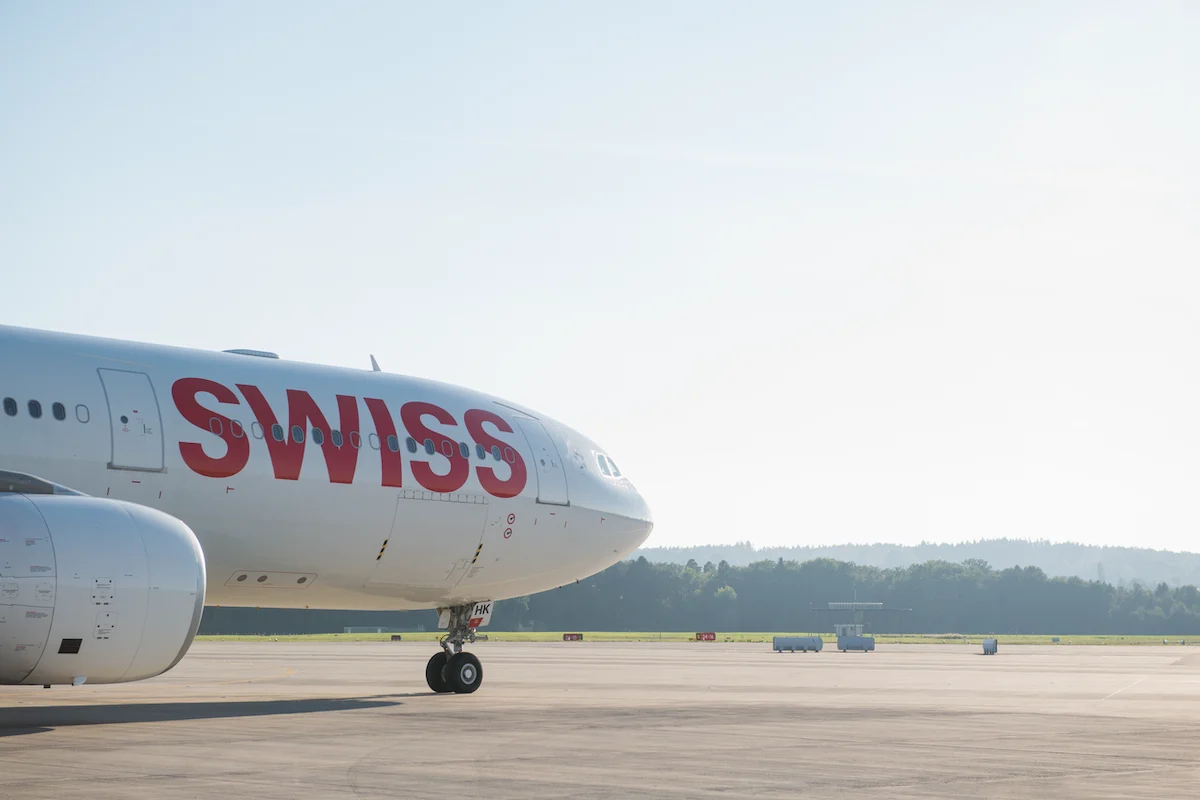
The latest quarterly financial disclosures from the Lufthansa Group have laid bare a stark operational divergence between its flagship brand and its Swiss subsidiary. While Swiss International Air Lines continues to demonstrate robust profitability and operational resilience, the core Lufthansa mainline carrier has retreated into the red, grappling with a challenging macroeconomic environment and internal cost pressures. This performance gap, which has persisted for several quarters, raises fundamental questions regarding the strategic positioning of the group’s network airlines and the efficacy of its multi-hub operational model.
A Tale of Two Airlines: The Quarterly Disconnect
In the most recent fiscal quarter, Swiss International Air Lines reported earnings that not only exceeded its own historical benchmarks but also managed to eclipse the total operating profit of the entire Lufthansa Group network division. This outcome is particularly striking given the sheer disparity in fleet size, route network scale, and market reach between the two entities. For the Lufthansa Group, which encompasses several network carriers—including Austrian Airlines, Brussels Airlines, and SWISS—the news that a single subsidiary could effectively carry the weight of the segment’s performance highlights an increasing reliance on the Swiss premium market.
Conversely, the Lufthansa mainline brand, which serves as the cornerstone of the group’s identity, slipped back into an operating loss. The primary culprit cited by executives during the post-earnings analysis was the escalating cost of jet fuel. However, industry analysts suggest that while fuel prices are a universal headwind, the impact on Lufthansa appears disproportionately severe compared to its peers, pointing toward underlying structural vulnerabilities in the flagship carrier’s cost base.
Chronology of the Operational Divergence
The growing divide between Lufthansa and Swiss is not a sudden phenomenon but rather the culmination of a multi-year trajectory. Following the initial recovery period post-2020, the Lufthansa Group faced a series of labor disputes, infrastructure bottlenecks at major German airports, and inflationary pressures that hit its domestic hub operations particularly hard.
During 2023, the group began a rigorous restructuring phase, aiming to harmonize operations and reduce administrative overhead. Despite these efforts, the 2024 fiscal calendar has seen a widening gap. In the first quarter, both airlines faced the typical seasonal softness associated with European aviation. By the second quarter, as peak summer demand materialized, Swiss leveraged its premium positioning to capture high-yield traffic, effectively shielding itself from the worst of the cost-inflation pressures. Lufthansa, meanwhile, struggled to manage the dual burden of rising fuel prices and high operational expenditures related to its massive scale and legacy workforces.
Financial Metrics and Comparative Analysis
The data underscores a clear trend: Swiss has mastered the art of unit revenue management in an inflationary environment. When adjusting for capacity, Swiss has consistently achieved higher Revenue Per Available Seat Kilometer (RASK) than its German counterpart. This is largely attributed to the airline’s ability to attract premium business travelers from the Zurich financial hub, who have shown a lower price sensitivity than the broader leisure market that dominates much of Lufthansa’s short-haul and medium-haul network.
In contrast, Lufthansa’s mainline operations have been hampered by stagnant yields in competitive markets. The cost side of the ledger is equally revealing. Swiss has maintained a tighter grip on its Cost Per Available Seat Kilometer (CASK), benefiting from a more streamlined organization and a highly efficient fleet renewal program. Lufthansa, burdened by a complex and legacy-heavy operational structure, has found it difficult to achieve similar cost efficiencies, leaving the airline’s bottom line highly exposed to external price shocks like fuel volatility.
Institutional Perspectives and Management Commentary
Lufthansa Group executives, led by CEO Carsten Spohr, have acknowledged the disparity, though they maintain that the group’s multi-hub strategy remains the correct path for long-term sustainability. In recent investor calls, the management team emphasized that the group’s diversification—spanning network airlines, leisure carriers like Eurowings, and a robust maintenance, repair, and overhaul (MRO) division—is intended to balance out exactly these types of cyclical variations.
However, the internal pressure on the Lufthansa brand is palpable. Union negotiations in Germany have been particularly fraught, with frequent industrial action disrupting operations and driving up labor costs. In comparison, Swiss has navigated its own labor landscape with greater stability, allowing management to focus on operational execution rather than crisis management. Analysts from major financial institutions have suggested that the group may need to accelerate its "Turnaround Program" for the Lufthansa brand, potentially looking at further capacity rationalization or a shift in focus toward more profitable segments of the network.
The Broader Impact on Aviation Strategy
The sustained outperformance of Swiss at the expense of Lufthansa raises broader questions about the viability of the "megacarrier" model in Europe. As fuel prices remain volatile and geopolitical instability continues to disrupt long-haul route planning, the ability of an airline to remain agile is paramount.
The Swiss success story is also a case study in market specialization. By concentrating on high-value traffic and maintaining an impeccable service reputation, the airline has created a "moat" that protects it from the price wars often seen in the wider European aviation market. Lufthansa, by virtue of its size, does not have the luxury of such extreme specialization. It must serve as a volume-driven network provider, a role that inherently carries higher exposure to economic cycles and fuel-related losses.
Implications for Future Growth
Looking ahead, the Lufthansa Group faces a critical juncture. The capital expenditure required to modernize the fleet and meet ambitious environmental, social, and governance (ESG) targets is immense. If the mainline brand continues to struggle, the group may face difficult choices regarding capital allocation. Will the group prioritize the expansion of its most profitable assets, potentially starving the flagship brand of needed investment? Or will it push for a deeper integration of the airlines to force cost synergies that have so far proven elusive?
Market sentiment suggests that investors are looking for a clear roadmap to profitability for the Lufthansa mainline. Without a significant reduction in CASK or a substantial improvement in yield management, the brand risks becoming a drag on the group’s overall valuation. Meanwhile, the challenge for Swiss will be to maintain its high-margin performance as it faces capacity constraints at Zurich Airport, which may limit its ability to grow without significant investment in infrastructure.
Conclusion: A Structural Challenge
The current financial situation at the Lufthansa Group is a microcosm of the challenges facing legacy network carriers globally. The reliance on a single, high-performing subsidiary to offset the losses of the mainline is a precarious position. While Swiss has undoubtedly provided a vital cushion, the long-term health of the group depends on the successful stabilization of the Lufthansa brand.
As the industry enters the next phase of its post-pandemic evolution, the disparity between these two airlines serves as a reminder that scale alone is no longer a guarantee of success. In an environment defined by high energy costs and shifting demand patterns, operational precision, cost control, and a clear brand identity—the very traits Swiss has leveraged—are the true determinants of profitability. The coming quarters will be decisive in determining whether Lufthansa can regain its footing or if the group’s reliance on its Swiss powerhouse will become the new, albeit uncomfortable, status quo.




 Anjar Salim
 Chandra Hamzah
 Tatiana Tantri Indah Sari
 Budi Mulyono
 Lukman Taruna Persada Ramadan
