
 Walid Sujud Trenggono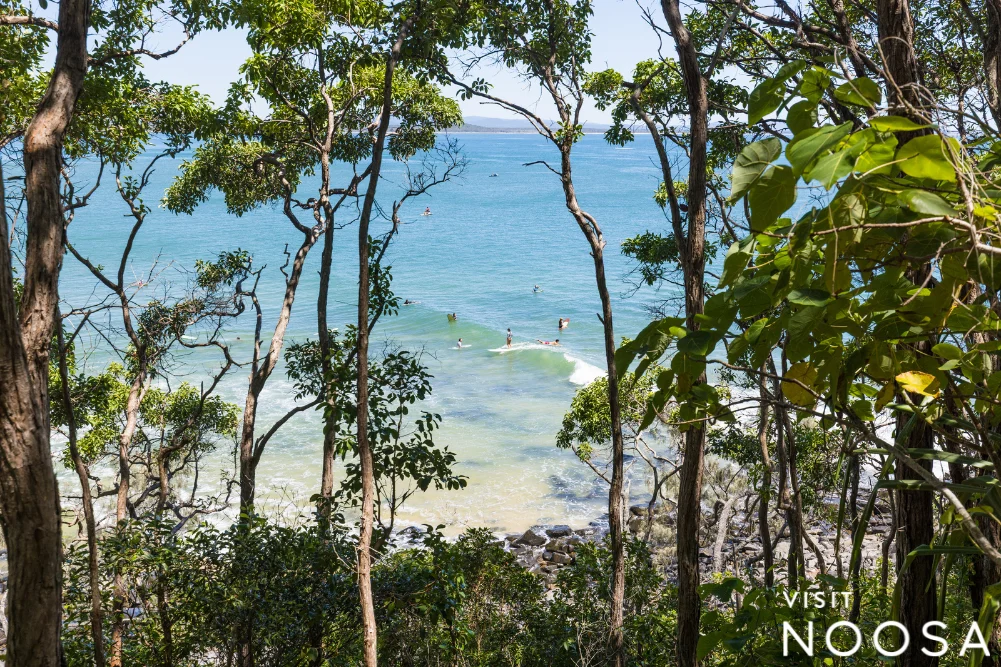
The Noosa region has officially launched its highly anticipated seasonal tourism campaign, titled Your Noosa Reset Winter 2026, aimed at attracting domestic and international travelers seeking a temperate climate, ecological preservation, and holistic wellness during the cooler months. Spearheaded by regional tourism authorities, the initiative arrives as tourism operators look to sustain visitor momentum during the shoulder and winter seasons, capitalizing on Noosa’s rare geographical status as a designated UNESCO Biosphere Reserve. Unlike many heavily urbanized coastal strips along Australia’s eastern seaboard, Noosa maintains strict municipal planning parameters that prohibit high-rise developments and major corporate fast-food franchises, preserving an aesthetic characterized by low-density architecture, pristine natural waterways, and uncrowded shorelines.
Background and Ecological Context
The framing of Noosa as a sanctuary for slow travel and environmental appreciation is deeply rooted in its official designation as a UNESCO Biosphere Reserve, a status first conferred in 2007 and subsequently expanded. Covering more than 150,000 hectares of land, marine environments, and waterways, the reserve system encompasses marine national parks, extensive mangrove systems, and the rolling terrain of the Noosa Hinterland. Economically, tourism remains the lifeblood of the local shire, generating hundreds of millions of dollars annually and supporting thousands of local jobs. However, post-pandemic travel trends have shifted consumer demand away from fast-paced, high-density tourism toward regenerative travel, extended stays, and wellness-focused itineraries. The Winter 2026 campaign has been strategically engineered to meet this evolving consumer preference, highlighting average daytime winter temperatures of 20 degrees Celsius, consistent long-board surf conditions, and access to undisturbed natural landscapes.
Chronology of the Winter Tourism Strategy
Planning for the Winter 2026 initiative began in earnest during the final quarter of the preceding year, as regional tourism stakeholders analyzed seasonal booking patterns and visitor feedback from previous cooler months. Historically, Noosa experienced a distinct drop in occupancy rates following the conclusion of the spring school holidays and the summer peak, despite offering some of the most reliable weather conditions in the country. To counter this seasonal slump, regional tourism boards collaborated with local hoteliers, wellness operators, adventure tourism providers, and restaurateurs to curate a unified package system. By late autumn, digital infrastructure on the official Visit Noosa portal was updated to host integrated booking pathways, allowing travelers to bundle boutique accommodations, spa retreats, and specialized dining experiences directly. This synchronized rollout marks a departure from fragmented regional marketing, providing a streamlined digital ecosystem for consumers navigating the winter offerings.
Accommodation Infrastructure and Luxury Offerings
At the core of the Winter 2026 campaign is an extensive portfolio of accommodation providers catering to distinct demographic segments, ranging from luxury seekers to multi-generational families and boutique travelers. High-end beachfront properties such as Netanya Noosa Resort, Fairshore Noosa, and No. 1 Hastings Street anchor the luxury market, offering direct pedestrian access to Noosa Main Beach and the Coral Sea. According to local hospitality analysts, these properties have experienced sustained demand from travelers prioritizing convenience, premium amenities, and coastal proximity. Meanwhile, family-oriented resorts—including RACV Noosa Resort, Peppers Noosa Resort, Ocean Breeze Resort, and Ivory Palms Resort—have integrated family-centric packages featuring spacious apartment living, children’s facilities, and proximity to both the beach and the hinterland. For independent travelers seeking bespoke or secluded environments, agencies such as Noosa Secret Destinations and Stay Noosa provide curated properties tucked away in quieter pockets of the shire, balancing privacy with regional accessibility.
Wellness Tourism and Economic Diversification
The inclusion of dedicated wellness itineraries reflects a broader global shift in consumer spending toward health-restorative travel. Noosa Springs Spa, a prominent fixture within the region’s wellness economy, has reported an increase in demand for comprehensive day packages and hydrotherapy treatments. The facility’s signature Hydromassage pool and specialized thermal circuits serve as anchor attractions for visitors looking to alleviate muscle fatigue and mental stress during their holidays. Economic observers note that wellness tourism yields higher per-capita daily expenditure compared to traditional sightseeing, benefiting ancillary service providers such as local therapists, organic food producers, and boutique retailers. By integrating wellness centers directly into promotional tourism bundles, regional planners aim to lengthen the average duration of stay, encouraging visitors to transition from standard weekend getaways to multi-day restorative itineraries.
Recreation, Adventure, and Environmental Integration
Balancing relaxation with physical activity, the Winter 2026 campaign highlights the region’s diverse natural infrastructure through land- and water-based recreational offerings. Noosa National Park remains a cornerstone of the region’s outdoor appeal, featuring maintained coastal walking tracks that wind through protected headlands where visitors frequently sight koalas, dolphins, and migrating whales. For cycling enthusiasts, operators like Bike On Noosa provide customized routes ranging from gentle, family-friendly hinterland meanders to challenging terrain with significant elevation gains. Aquatic recreation plays an equally vital role, with By Earth and Ocean offering guided kayaking excursions along the expansive, tranquil reaches of the Noosa River. Further diversification is provided by Noosa Watersports, which facilitates motorized river exploration, and the Aquaduck Sunshine Coast, which offers amphibious vessel tours combining land-based sightseeing with coastal river cruising. These recreational options are designed to disperse visitor density across multiple ecosystems, mitigating environmental wear and tear on sensitive national park habitats.
Gastronomic Evolution and the Culinary Economy
Noosa’s reputation as a premier dining destination in regional Australia continues to play a pivotal role in its tourism strategy. The winter campaign features an eclectic mix of waterfront dining venues and contemporary eateries that showcase local produce, seafood, and international culinary techniques. High-profile establishments such as Lucio’s Marina and Rickys River Bar and Restaurant capitalize on their pristine waterfront positions to drive the region’s famous long-lunch culture, where dining experiences seamlessly transition from midday service into the late afternoon. Concurrently, venues like Bandita Cantina Latina, Sabrosa Dim Sum House, Mariella Mexicantina, Humble on Duke, and Alsahwa Estate contribute to a diverse culinary landscape that blends Latin American, Asian, and modern Australian flavors. Food and beverage economists emphasize that Noosa’s culinary sector acts as a primary economic multiplier, generating sustainable revenue streams for regional farmers, fishermen, and wine producers throughout the cooler months.
Official Responses and Stakeholder Perspectives
Representatives from regional tourism bodies and local business associations have expressed optimism regarding the performance indicators for the upcoming winter season. Industry stakeholders emphasize that the collaborative nature of the Winter 2026 campaign has fostered stronger operational cohesion among small-to-medium enterprises across the shire. Local hoteliers have reported steady forward-booking trends, particularly among drive-market visitors originating from capital cities within driving distance, as well as interstate travelers seeking refuge from harsher southern winters. Furthermore, environmental managers have praised the campaign’s emphasis on low-impact, nature-based activities, noting that structured itineraries help educate visitors on the ecological fragility of the UNESCO Biosphere Reserve. Local business leaders maintain that strategic promotion of shoulder-season travel is essential for mitigating the economic volatility traditionally associated with tourism-dependent local economies.
Broader Economic Implications and Future Outlook
The launch of Your Noosa Reset Winter 2026 serves as a case study in destination management, illustrating how regional tourism authorities can leverage ecological designations, climate advantages, and diversified commercial partnerships to maintain economic viability year-round. By steering clear of high-density mass tourism and focusing on premium accommodations, wellness tourism, gastronomic excellence, and environmental stewardship, Noosa has positioned itself as a resilient destination capable of adapting to shifting consumer demands. Analysts suggest that the success of this winter initiative could serve as a blueprint for other coastal and regional destinations across Australia seeking to balance visitor volume with environmental preservation. Comprehensive details, including accommodation packages, dining itineraries, and booking portals, remain accessible to the public through the official Visit Noosa digital platforms.


 Anjar Salim
 Chandra Hamzah
 Gabriela Annisa
 Susilo Edi Turonggo
 Tatiana Tantri Indah Sari