
 Anjar Salim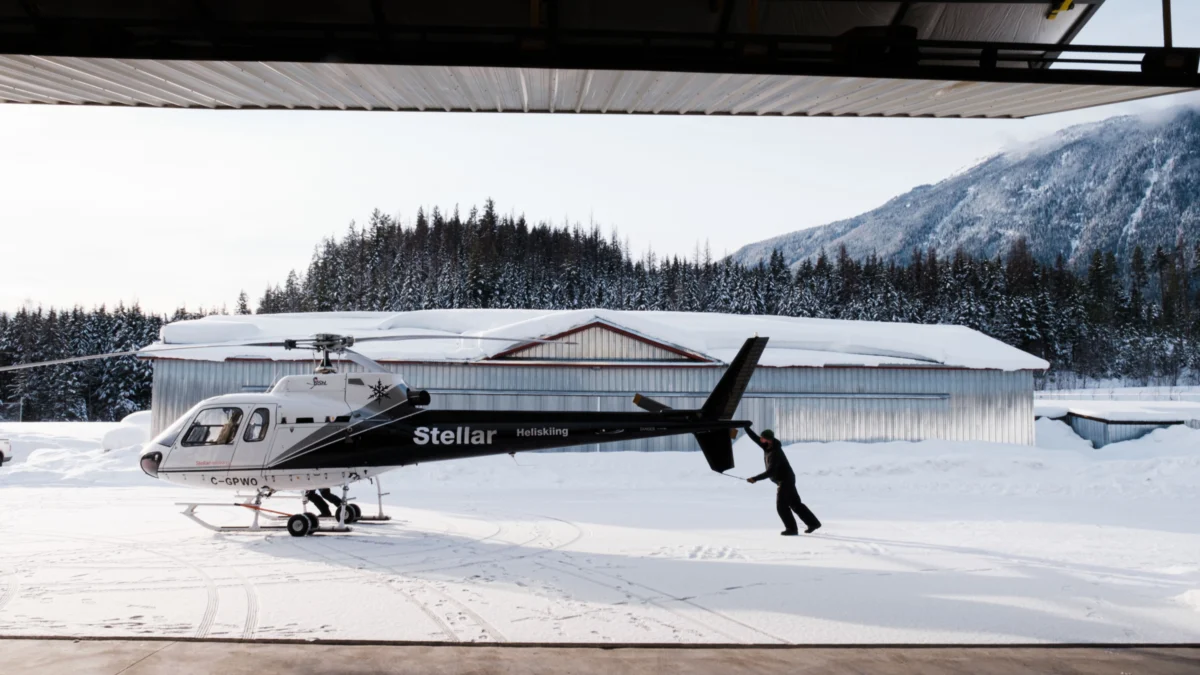
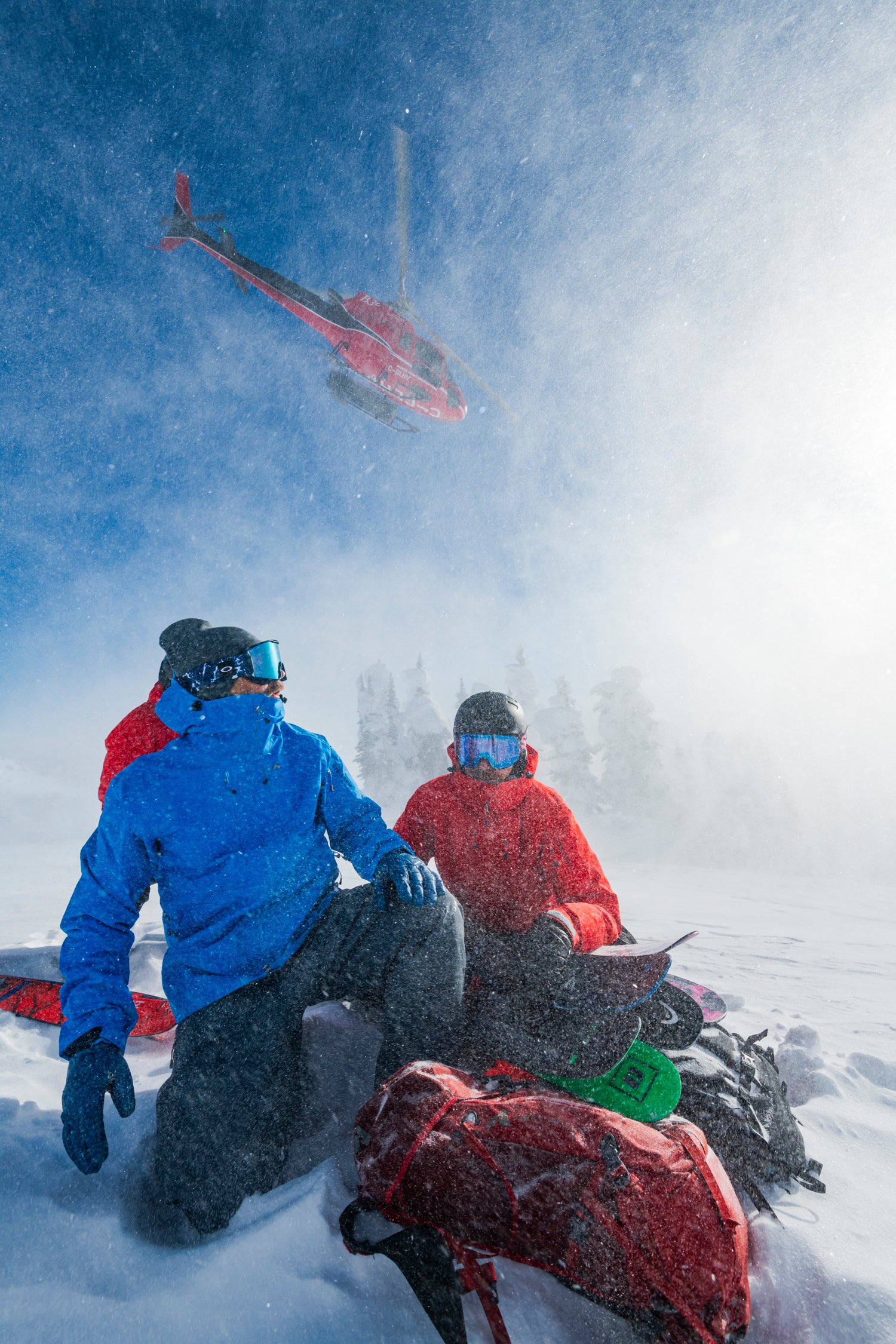
The rhythmic thrum of rotor blades vibrating through frozen air, the sharp sting of dry powder crystals pelting exposed skin, and the muted hiss of unskied snow folding beneath heavy alpine skis define an experience that has long captured the imagination of winter sports enthusiasts. Heliskiing remains the pinnacle of human-powered gravity sports, merging aviation with remote wilderness exploration. For both seasoned veterans of the backcountry and first-time deep-snow travelers, choosing the appropriate operator dictates the quality, safety, and exclusivity of the descent. Situated in the historic mining village of Kaslo, British Columbia, Stellar Heliskiing has established a specialized operational model designed to maximize individual ride time through strict small-group dynamics and access to over 125,000 acres of varied alpine terrain.
Main Facts of the Operation
Operating since its founding in 2005, Stellar Heliskiing has carved out a distinct niche within the competitive British Columbia backcountry tourism sector. The operation centers its logistics around Kaslo, a municipality positioned on the western shores of Kootenay Lake. The terrain utilized by Stellar spans two legendary mountain ranges—the Selkirks and the Purcells—which are renowned for catching Pacific moisture systems and converting them into consistent, dry snowfall. Annual accumulations routinely exceed 600 inches, creating a reliable snowpack that supports winter operations from early winter through the spring melting cycle.
The primary operational differentiator for Stellar is its commitment to ultra-low guide-to-guest ratios. The company enforces a strict limit of four guests per guide, a practice that contrasts sharply with larger commercial operations where groups may scale upwards of 10 to 12 skiers per helicopter stick. This constraint alters the mechanics of each day on the mountain, minimizing wait times at pickup zones, accelerating group movement through complex avalanche terrain, and allowing guides to tailor descents precisely to the technical capabilities of the participants.
Chronology and Historical Context
The commercial heliskiing industry in British Columbia traces its roots back to the mid-1960s when Austrian mountaineer Hans Gmoser founded the first commercial heliskiing operation in the Bugaboos, part of the Purcell Mountains. Gmoser’s innovations laid the groundwork for transforming what was once an extreme mountaineering stunt into a regulated, commercial tourism sector.
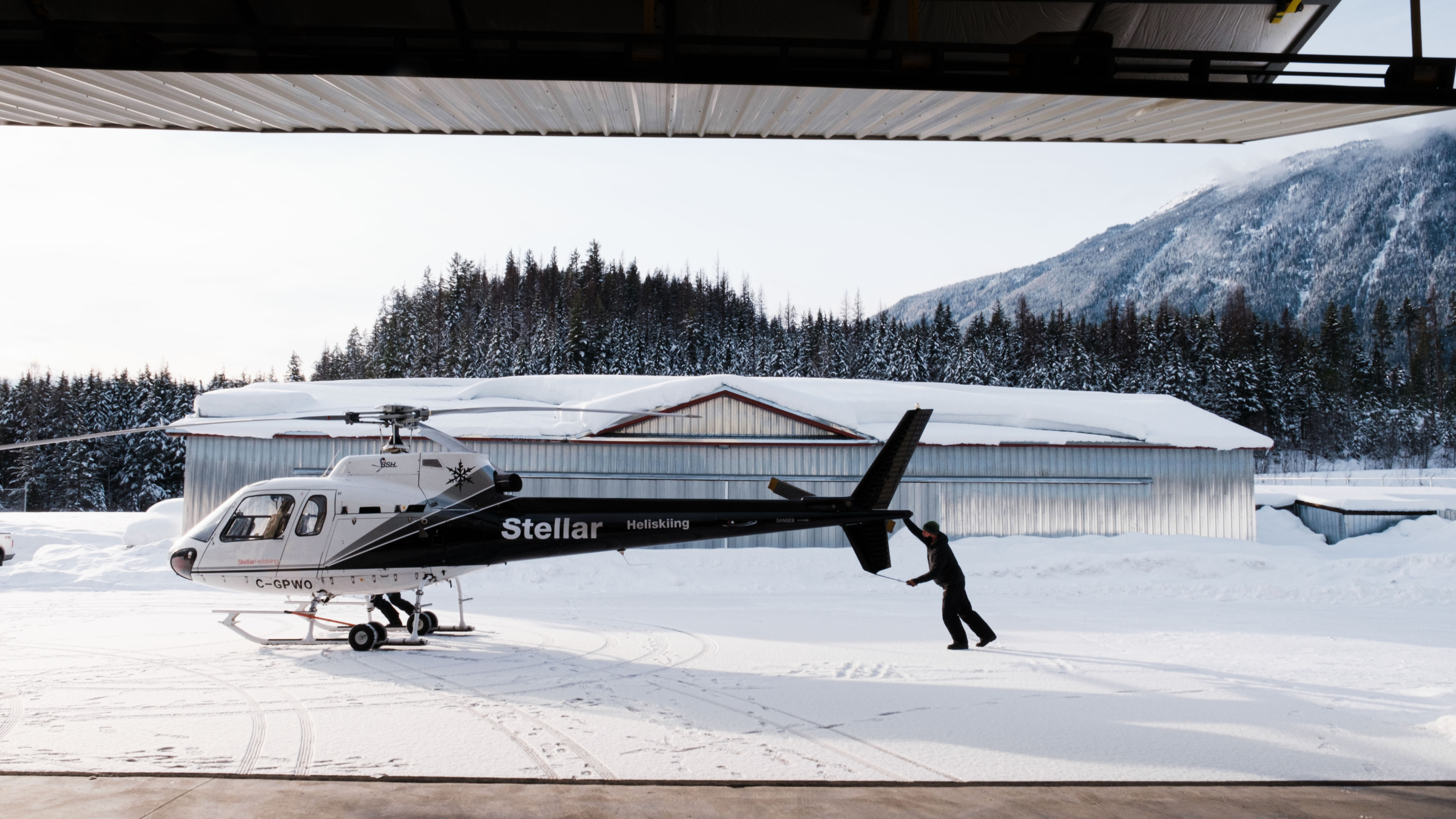
Stellar Heliskiing entered this established landscape two decades later, launching operations in 2005 with a deliberate focus on boutique, highly personalized trips rather than high-volume throughput. Over the intervening two decades, the company expanded its terrain portfolio to cover more than 125,000 acres, incorporating a diverse geographical spread that includes high-altitude alpine bowls, gladed old-growth timber, and technical pillow lines favoured by professional athletes filming winter media projects.
Supporting Data and Terrain Metrics
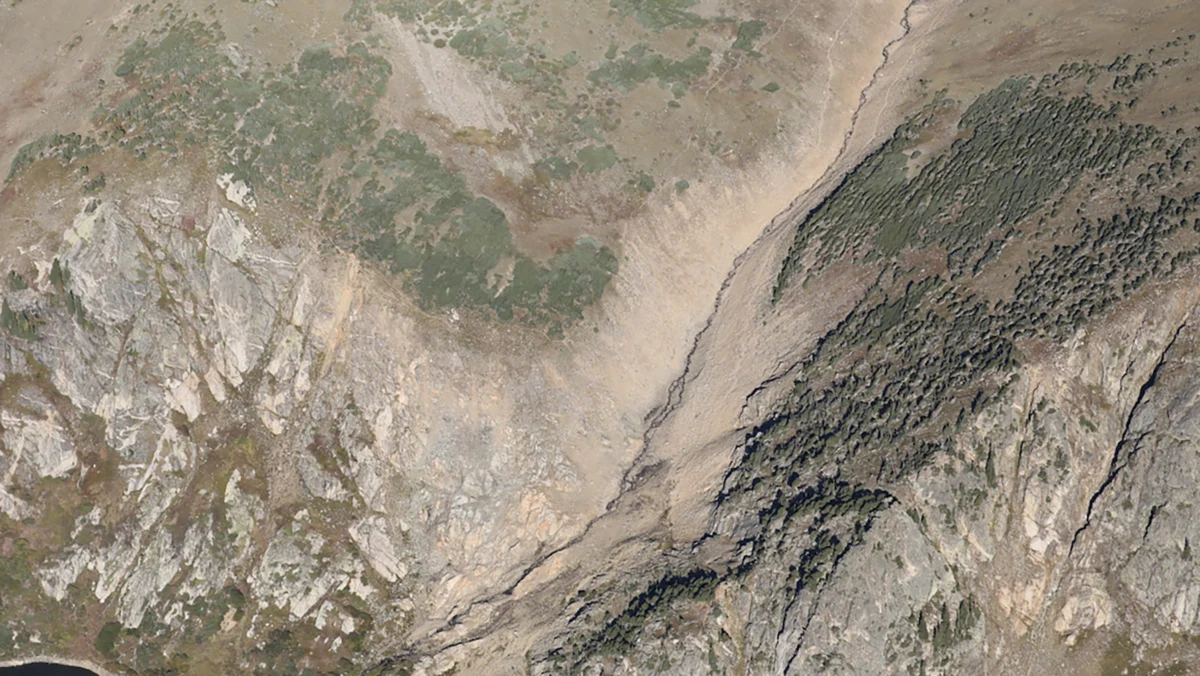
The geography surrounding Kaslo presents a unique convergence of meteorological and topographical factors favorable to deep-snow skiing. The Selkirk and Purcell mountain ranges run parallel north-south axes, separated by the deep trench of Kootenay Lake. This topography generates localized weather patterns that frequently stall storm systems over the region, dropping cold, low-density snow across elevations ranging from valley bottoms up to high alpine ridges.
Terrain distribution within Stellar’s permit area is split approximately evenly between wide-open alpine bowls and tightly spaced tree runs. This structural diversity ensures operational viability even during periods of marginal visibility or unstable snowpacks, allowing guides to transition safely from exposed ridgelines to sheltered forest environments. The snow density in the region often registers well below the global average for coastal ranges, yielding the characteristic "champagne powder" sought after by international travelers.
Logistics and Transportation Infrastructure
Access to remote backcountry operations historically required complex multi-leg travel itineraries. Stellar Heliskiing mitigates this logistical hurdle through its strategic positioning relative to regional transportation hubs. International travelers typically route through Spokane, Washington, executing a four-hour drive north that spans approximately 147 miles, the final leg of which traverses British Columbia’s designated Powder Highway.
Domestic and regional arrivals utilize closer aviation facilities, including West Kootenay Regional Airport in Castlegar, located 70 miles from Kaslo, or Cranbrook/Canadian Rockies International Airport, situated 141 miles to the east. Kelowna International Airport serves as a secondary alternative for travelers encountering limited regional flight schedules, sitting approximately 208 miles west of the village base.
Accommodations and Community Integration
Unlike corporate lodge models isolated deep within the wilderness, Stellar’s lodging strategy anchors guests directly within the historic community of Kaslo. Accommodations are centralized at the Kaslo Hotel, a modernized Victorian-era structure originally constructed in 1896 during the region’s silver-mining boom. The facility features architectural elements characteristic of late-19th-century European chateaux, including soaring ceilings, intricate woodwork, and walk-out balconies overlooking Kootenay Lake.
This integration into an existing municipal infrastructure influences the cultural footprint of the guest experience. Following active days in the alpine, visitors share communal spaces with local residents at the hotel’s restaurant, the Waypoint, merging traditional backcountry aprés-ski culture with local community interactions. This model reduces the insular environment typical of remote heliski lodges, offering a broader immersion into the cultural history of the Central Kootenays, an area frequently referenced geographically as the "Switzerland of the Rockies."
Safety, Guiding Protocols, and Industry Standards
Operating within uncontrolled avalanche terrain requires adherence to rigorous safety standards governed by provincial regulations and professional associations such as the Association of Canadian Mountain Guides (ACMG) and the Canadian Avalanche Association (CAA). Stellar Heliskiing employs certified guides who manage terrain selection, snowpack stability testing, and emergency extraction protocols.
The four-to-one guest-to-guide ratio functions not only as a performance enhancer for skiing efficiency but also as a critical risk-management tool. Smaller groups permit more efficient communication during descents, faster deployment of rescue equipment in the event of an incident, and continuous visual monitoring of individual skiers traversing variable snow conditions. Guides additionally conduct mandatory morning briefings covering transceiver checks, helicopter safety protocols, and daily hazard evaluations before any aircraft departs the staging area.
Broader Impact and Industry Implications
The ongoing operational success of boutique heliskiing providers like Stellar highlights a broader shift in adventure tourism consumer preferences. As the global adventure travel market matures, a distinct segment of consumers is actively trading high-capacity, high-volume experiences for low-density, highly curated itineraries. This trend places a premium on operators capable of delivering personalized experiences while maintaining strict environmental stewardship over Crown land tenures.
Furthermore, economic impacts ripple outward through the Kootenay region. By utilizing local municipal lodging, dining establishments, and transport networks, operations based in towns like Kaslo contribute to year-round economic stability in communities historically dependent on cyclical resource extraction industries such as mining and forestry.
As the winter tourism sector continues to navigate the challenges of variable climate patterns and shifting snowpacks, operators with deep geographic diversification and low-impact footprints are positioned to endure. For Stellar Heliskiing, the combination of a 600-inch annual snowpack, historic village infrastructure, and a deliberate cap on group sizes underscores a viable blueprint for modern backcountry recreation—one that balances ecological access with the preservation of wilderness solitude.



 Dwi Wanna
 Chandra Hamzah
 Gabriela Annisa
 Tatiana Tantri Indah Sari
 Walid Sujud Trenggono