
 Chandra Hamzah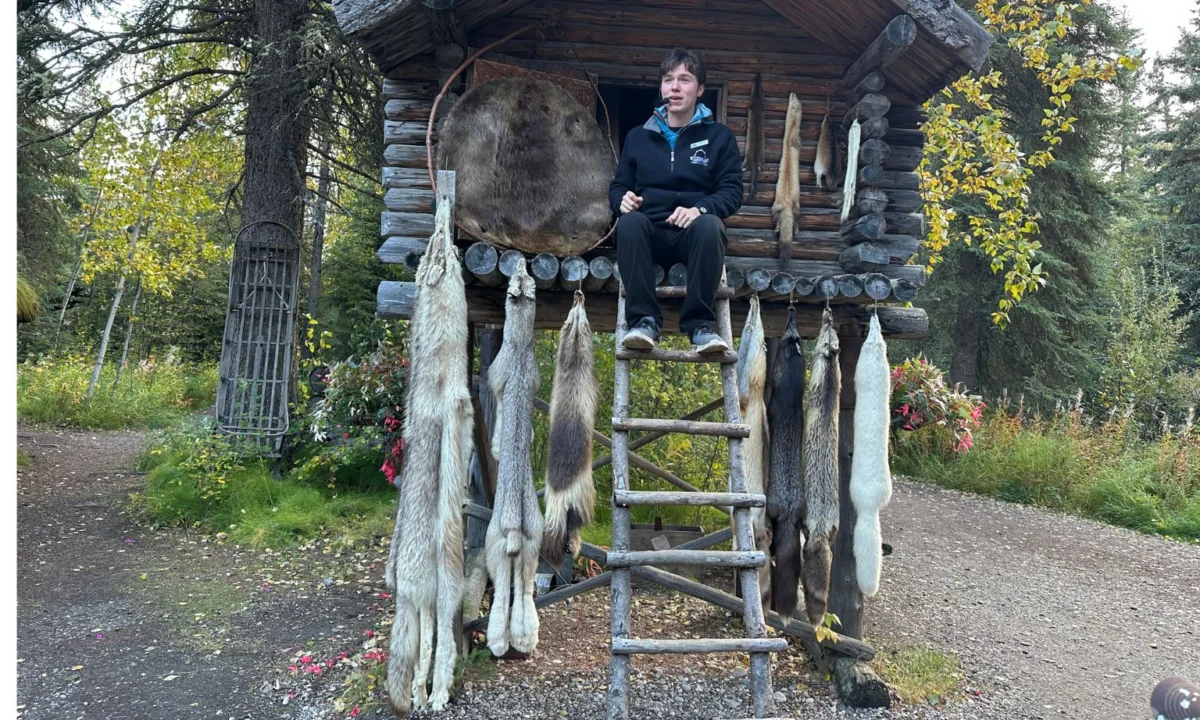
At 30,000 feet, the landscape beneath the flight path from Vancouver to Fairbanks presents as a vast, frozen expanse, with mountain ranges heavily blanketed in snow—a stark and fitting introduction to a destination that is increasingly capturing the imagination of Australian travellers. For those accustomed to the sun-drenched coastlines of the South Pacific, Alaska, known as "The Last Frontier," offers a radical departure in climate, ecology, and cultural heritage.
The Rise of the Alaskan Cruise-Tour Model
The Alaskan cruise industry has experienced a significant surge in interest from the Australian market. According to data provided by the Cruise Lines International Association (CLIA), approximately 36,000 Australians participated in Alaskan cruises during 2025. This figure positions Alaska as Australia’s third-largest long-haul cruise destination, trailing only the Mediterranean and the broader Asian market.
While the majority of travellers initially approach the region via the traditional cruise route, there is a marked shift toward comprehensive "cruise-tours." Industry statistics reveal that while 92 per cent of Australians and New Zealanders currently visit Alaska via cruise, a substantial 30 per cent are now opting to integrate their voyage with a land-based tour, and 29 per cent are choosing to extend their stays in wilderness lodges. On specific Gulf of Alaska itineraries, this integration of land and sea travel reaches nearly 50 per cent, signalling a transition from passive sightseeing to active, immersive adventure tourism.

Historical Context and Operational Evolution
Princess Cruises, a long-standing operator in the region, has been navigating Alaskan waters for 57 years. The company has played a pivotal role in shaping the current infrastructure for tourists, moving beyond the port-to-port cruise model to incorporate interior exploration. This season, the Grand Princess has served as a focal point for this strategy, providing a vessel for those looking to traverse the Gulf of Alaska before or after trekking into the state’s rugged interior.
The operational strategy of these land-tours is designed to bridge the gap between coastal port accessibility and the remote interior. By establishing a network of five dedicated wilderness lodges, operators have created a "lodge-within-a-lodge" environment that allows guests to venture into areas such as Denali National Park, Fairbanks, and the Mt. McKinley region while maintaining a standard of comfort that appeals to international travellers.
A Chronology of the Expedition Experience
The typical modern cruise-tour itinerary follows a carefully calibrated schedule. Travellers often begin in the northern city of Fairbanks, situated on the banks of the Chena River. The Fairbanks Princess Riverside Lodge serves as a logistical hub, providing proximity to the University of Alaska, the rail depot, and local cultural landmarks.
A primary highlight of this phase is the integration of local indigenous heritage. For instance, the Discovery III riverboat experience, operated by the Binkley family for five generations, offers a lens into Athabascan history. These excursions are not merely scenic; they include demonstrations of traditional subsistence practices, such as salmon preparation and dog sledding training, providing a structured educational component to the trip.

Following the Fairbanks stay, the journey typically transitions to the Denali area. The Denali Princess Wilderness Lodge, established in 1987, facilitates access to the six-million-acre national park. The chronology of the tour is intentionally paced to coincide with the changing seasons. In late summer and early autumn, the focus shifts to the seasonal activity of local wildlife. Brown bears and grizzlies are frequently observed during this period, as they enter a phase of hyperphagia—intense feeding—to prepare for the winter hibernation cycle.
The Ecological and Cultural Implications
The Alaskan interior presents a unique set of ecological challenges and cultural narratives. The region’s indigenous communities maintain traditional subsistence lifestyles, which are strictly regulated by government quotas. The sharing of harvested resources, particularly whale and salmon, remains a cornerstone of communal life.
However, the intersection of tourism and local culture is a complex dynamic. There is a concerted effort by tour operators to present these traditions accurately. For instance, the discussion surrounding the "dog salmon" (chum salmon) highlights a cultural dichotomy: while the fish is a primary food source for sled dogs, it remains a vital part of the regional ecosystem. Similarly, the preservation of artifacts and the history of indigenous fur use provide visitors with a sobering look at life in one of the world’s most extreme environments.
The region also serves as a cautionary tale for those seeking a romanticized version of "off-grid" living. The story of Christopher McCandless, whose attempt to live in the Alaskan wilderness resulted in his death in 1992, remains a significant cultural touchstone. The subsequent removal and museum preservation of the "Magic Bus" used by McCandless serves as both an educational exhibit and a warning regarding the inherent dangers of the Alaskan wilderness for the unprepared.

Economic Factors and Market Demand
From a macroeconomic perspective, the surge in Alaskan tourism is driven by a combination of accessibility and the desire for "bucket-list" experiences. The cost of such tours has become increasingly competitive, with various bundled packages lowering the barrier to entry. For example, a 10-day Denali Explorer tour—inclusive of a seven-night cruise and three nights in wilderness lodges—starts at approximately $3,101 per person, with "Plus" packages adding value through amenities such as Wi-Fi and beverage credits.
Industry analysts note that these prices, when compared to other expedition-style travel, represent a high level of value. By leveraging existing infrastructure like the Direct-to-the-Wilderness rail system, operators can bypass traditional logistics bottlenecks, such as the need to return to major transit hubs like Anchorage, thereby maximizing the time guests spend in the wilderness.
Professional Perspectives on the Alaskan Interior
Local management perspectives underscore the importance of the land-based experience. Michael Cook, General Manager of the Denali Princess Wilderness Lodge, highlights that the most successful trips are those that allow for extended stays. "The longer you are here, the more time you have to enjoy it," Cook observes, noting that guests who opt for two-night stays are consistently more satisfied than those on shorter, more rushed itineraries.
The environmental conditions, which can fluctuate between -34 degrees Celsius and 32 degrees Celsius, require significant planning. The infrastructure, including the lodge notification systems for the Northern Lights, reflects a high level of accommodation for the specific interests of the modern, adventure-focused cruiser.

Future Outlook
The trend toward combining cruises with inland wilderness tours is expected to grow as demographic shifts favour experiential travel. As cruise lines continue to invest in their land-based assets—such as the expansion of lodges and the improvement of rail transport—the barrier between the "coastal cruiser" and the "interior explorer" will continue to blur.
For the Australian market, the appeal of Alaska lies in its stark contrast to the familiar, offering a controlled yet authentic engagement with one of the planet’s last remaining pristine environments. Whether through the lens of a sternwheeler on the Chena River or a tundra bus tour in Denali, the trajectory of Alaskan tourism suggests that the future of the industry lies not just in the water, but in the depths of the wilderness that the sea facilitates.


 Gabriela Annisa
 Tatiana Tantri Indah Sari
 Walid Sujud Trenggono
 Cholid Fahmi Thalib
 Diana Nuri Rohmawati