
 Dwi Wanna
For nearly two decades, the small Thai island of Ko Lipe in the Adang Archipelago has served as a case study for the rapid, often volatile evolution of Southeast Asian tourism. Once a remote outpost characterized by limited infrastructure and a nomadic fishing culture, the island has transformed into a high-density tourist destination. This shift, while economically lucrative in the short term, has prompted an intense debate among environmentalists, local stakeholders, and travel analysts regarding the long-term viability of the island’s natural and social ecosystem.
A Chronology of Transformation: From Seclusion to Saturation
In the mid-2000s, Ko Lipe was classified as an "off-the-beaten-path" destination. Travelers arriving at that time encountered an environment where basic necessities—such as electricity and potable water—were provided only on a limited, rationed basis. Development was minimal, consisting primarily of modest, locally owned beach bungalows. The island’s economy was rooted in small-scale fishing and a burgeoning, low-impact hospitality sector.
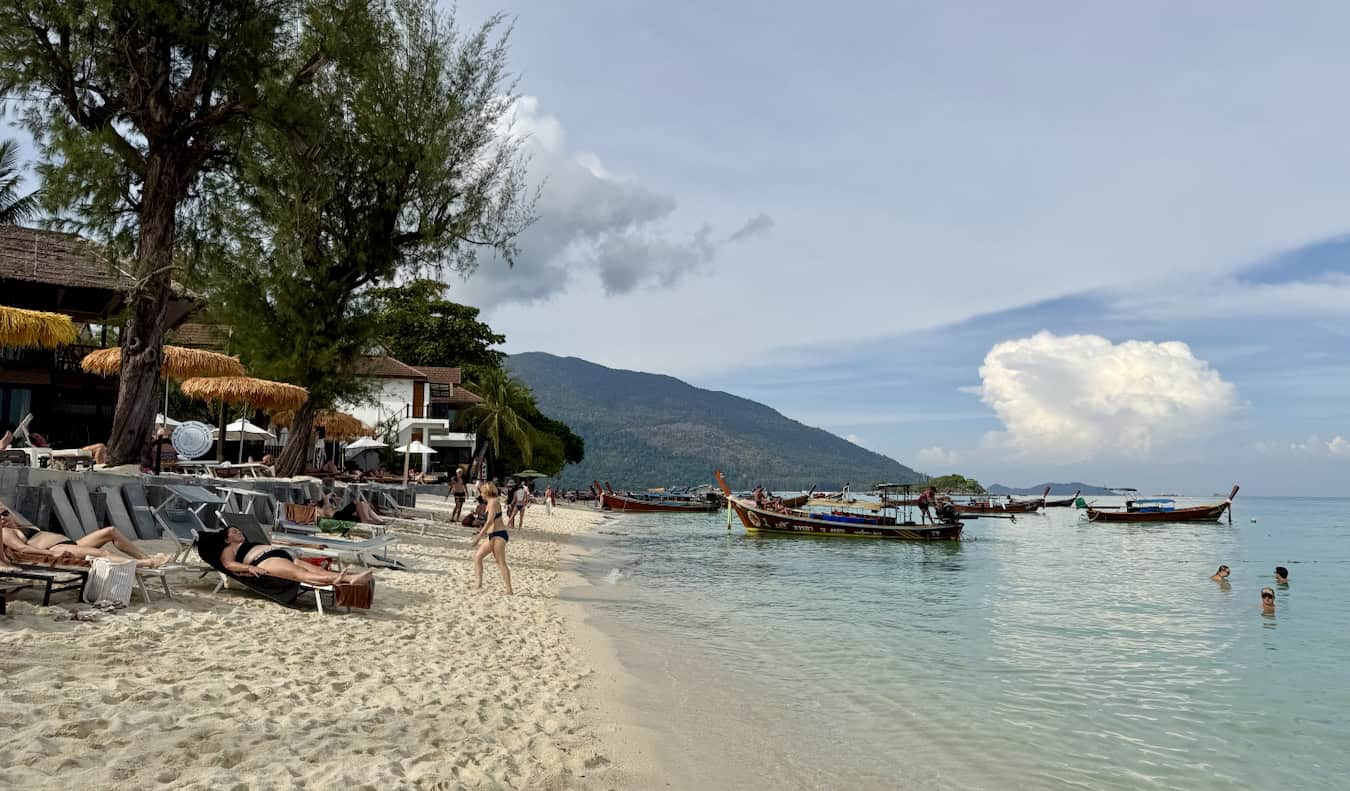
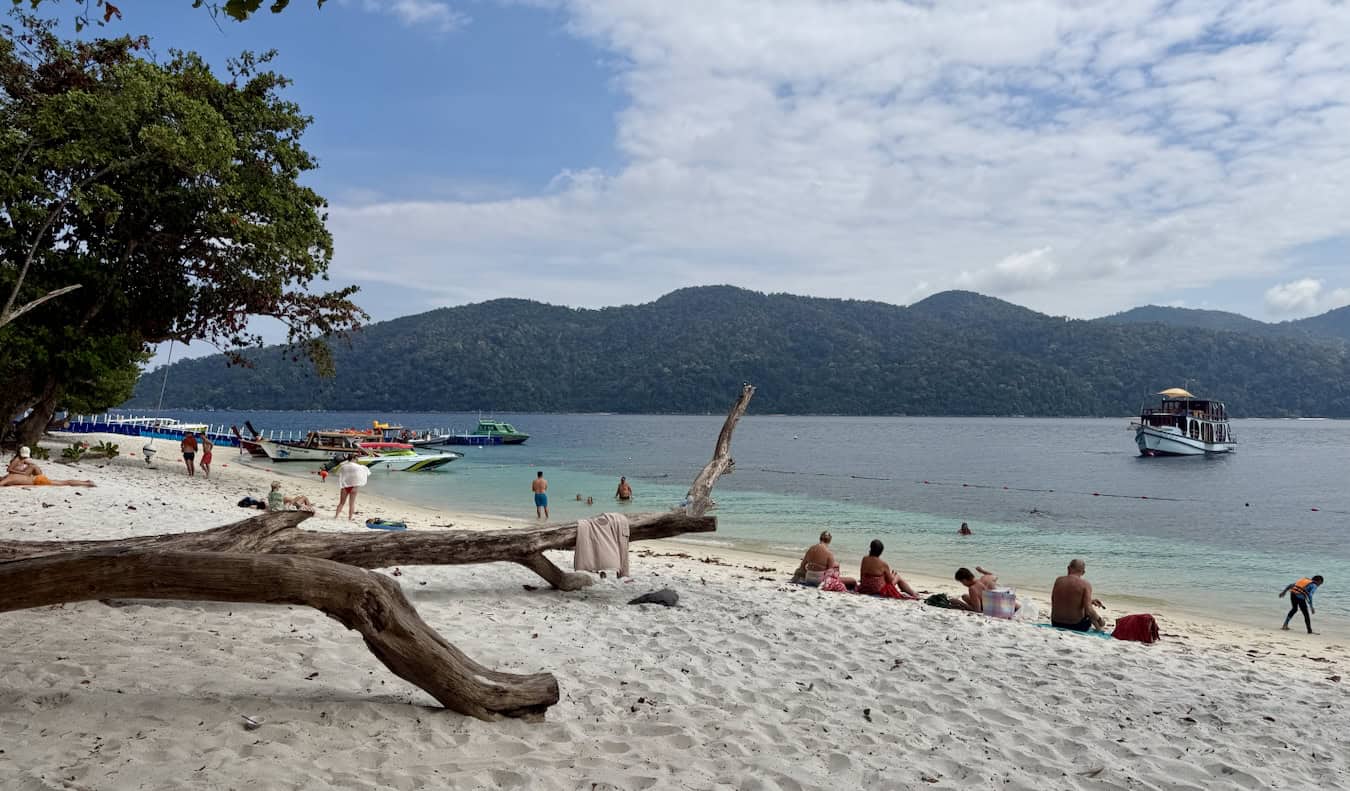
By the early 2010s, the island began to see a marked increase in connectivity. The introduction of regular speedboat services from the mainland and the neighboring Malaysian island of Langkawi acted as a catalyst for growth. Over the subsequent decade, the island experienced a construction boom. Dirt footpaths were gradually replaced by paved, concrete roads designed to accommodate motorized transport, and the architectural landscape shifted from vernacular structures to multi-story concrete resorts.
Environmental Implications of Rapid Development
The ecological consequences of this rapid urbanization are increasingly visible. Scientific assessments of the surrounding Tarutao National Marine Park have highlighted the strain on local resources. Unlike larger islands with complex utility networks, Ko Lipe lacks a centralized, sustainable water supply. The proliferation of resorts, many featuring private swimming pools, has necessitated the extraction of groundwater at rates that threaten the island’s freshwater table.
Furthermore, the surge in marine traffic has had a deleterious effect on the local coral reef systems. Marine biologists have noted a decline in coral health attributed to several factors:
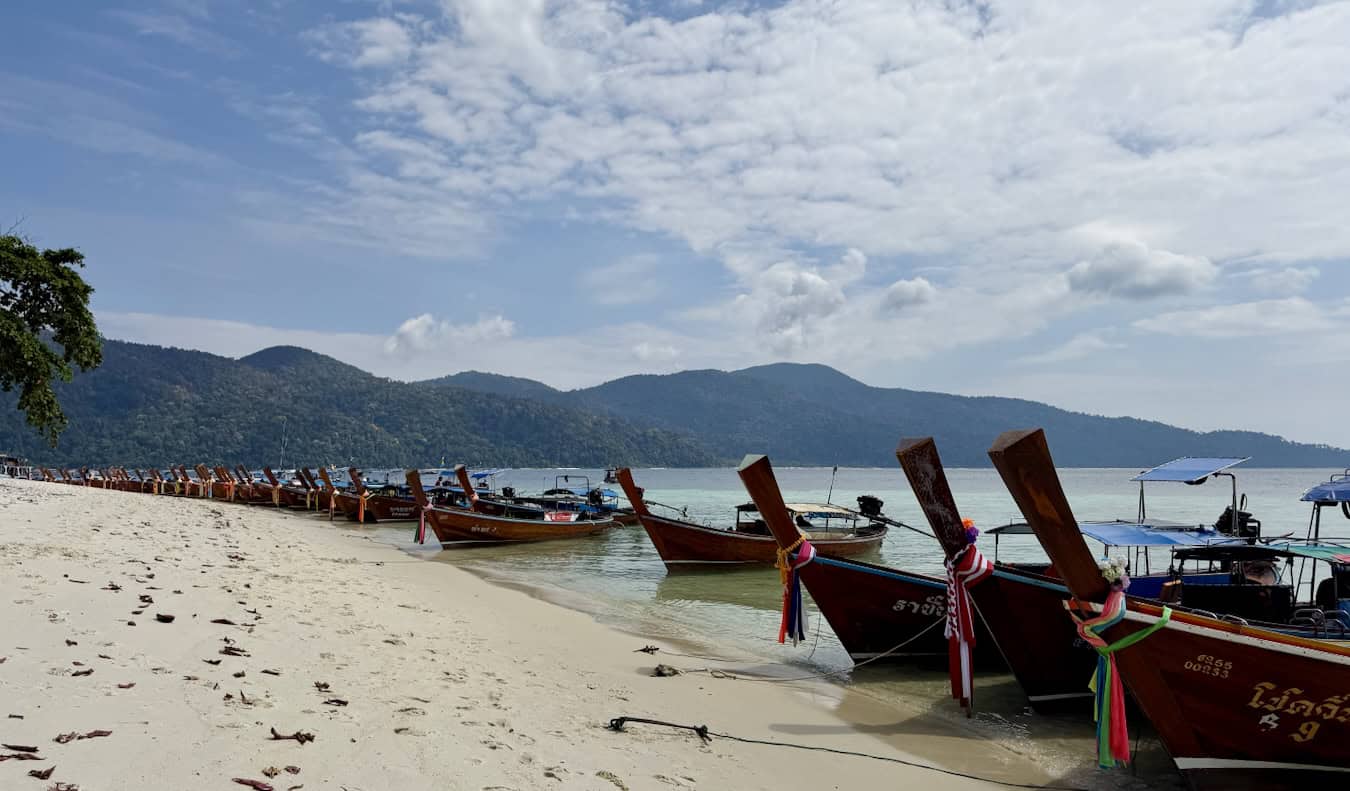
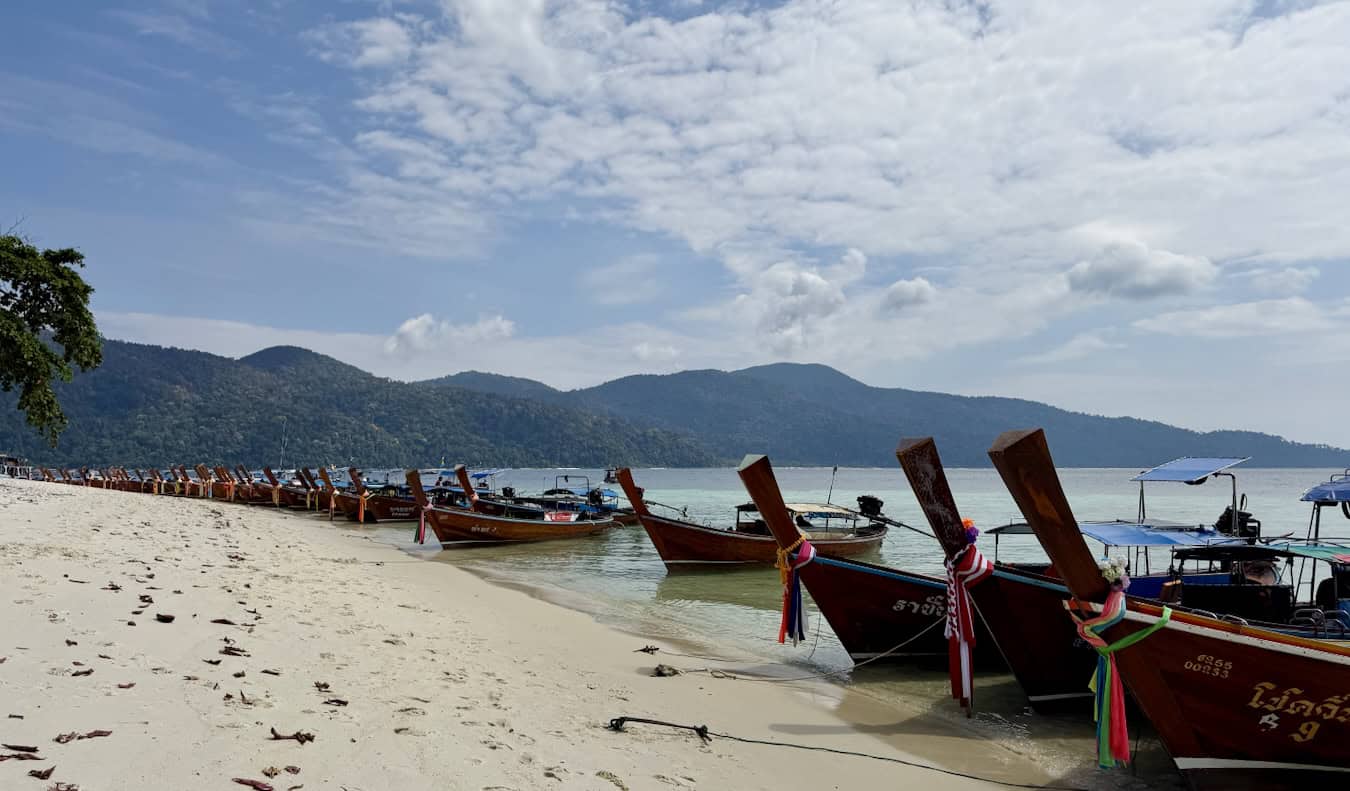
- Mechanical Damage: Increased anchor usage by a high volume of longtail and speedboats.
- Chemical Pollution: Runoff from improper waste management and the presence of petroleum-based films on the water’s surface.
- Sedimentation: Construction projects along the coastline contribute to increased siltation, which smothers delicate reef organisms.
Data from regional environmental monitoring groups suggest that the cumulative impact of these factors has significantly altered the biodiversity of the local seabed, leading to a visible reduction in fish populations and coral vitality.
The Socio-Economic Displacement of Local Communities
The shift in Ko Lipe’s economic model has had profound consequences for its indigenous population. Historically, the Urak Lawoi—the seafaring ethnic group indigenous to the Adang Archipelago—held strong ties to the land and sea. As land values on Ko Lipe soared, many local families faced intense pressure to sell their property to commercial developers from mainland Thailand or international investors.
Economic analysts observe that the current tourism model on the island often bypasses the local community. A significant portion of the workforce on the island is now comprised of seasonal laborers recruited from the mainland, as the original inhabitants have been largely priced out of the real estate market or displaced by the industrialization of the shoreline. While the island generates substantial tax revenue and private profit, the benefits are frequently concentrated among external developers, leaving the local community with the externalities of environmental degradation and rising costs of living.
Comparative Analysis: The "Ko Phi Phi" Model
The trajectory of Ko Lipe is frequently compared by urban planners and travel analysts to the "Ko Phi Phi model." In the late 20th century, Ko Phi Phi served as a similar, albeit larger, example of rapid, unregulated expansion. The resulting ecological damage eventually necessitated drastic government interventions, including temporary closures of popular sites like Maya Bay to allow for environmental rehabilitation.
Critics of the current development trajectory argue that Ko Lipe is following a similar path, where the prioritization of short-term guest capacity overrides the carrying capacity of the land. In response to these trends, several sustainable tourism advocates have suggested that travelers redirect their interest toward neighboring islands, such as Ko Lanta, Ko Jum, or Ko Mook. These locations currently maintain a more balanced approach to tourism management, characterized by stricter zoning laws and a slower pace of infrastructure growth.
Official Responses and Regulatory Challenges
The Thai government, through the Department of National Parks, Wildlife and Plant Conservation, faces a complex challenge in balancing tourism demand with environmental protection. While regulations exist to protect the marine park, enforcement on an island with such high tourist density is historically inconsistent.
Local government officials have occasionally proposed waste management upgrades and tighter zoning restrictions, but these measures often lag behind the pace of private development. Industry experts suggest that without a centralized, comprehensive master plan—one that limits the number of tourist arrivals and mandates strict sustainable building codes—the degradation of the island’s natural assets is likely to continue unabated.
The Future of Responsible Travel
The broader implications of Ko Lipe’s situation touch upon the ethics of modern global tourism. As awareness grows regarding the impact of travel, consumers are increasingly expected to consider the "carrying capacity" of their destinations. The trend of "conscious travel"—where visitors actively avoid regions experiencing overtourism—has gained momentum as a tool to influence market behavior.
Industry observers note that the success of eco-lodges and sustainable tourism initiatives globally has been driven, in large part, by consumer demand. If the travel market signals a preference for destinations that prioritize sustainability, developers may be forced to adapt their practices to remain profitable. Conversely, as long as demand remains high for high-density, rapidly developed resorts, there is little incentive for systemic change.

Conclusion: A Call for Strategic Stewardship
The case of Ko Lipe is a sobering reminder of the finite nature of island ecosystems. The island, which once represented an idyllic, remote escape, now stands at a crossroads. Its future will be determined by whether it continues to prioritize rapid, mass-market development or transitions toward a model of restorative, low-impact tourism.
For the prospective traveler, the situation presents a clear ethical consideration. The cumulative impact of individual travel decisions directly contributes to the viability of a destination’s resources. By choosing to visit areas that are currently managed with higher environmental standards, travelers can contribute to a market environment that rewards stewardship rather than exploitation.
While the prospect of restoring Ko Lipe to its previous state remains unlikely given the depth of current infrastructure, the lessons learned from its rapid development may prove vital for the management of other, still-pristine islands in the region. The focus now shifts to whether local authorities and international stakeholders can implement the necessary controls to prevent further, irreparable damage to one of Thailand’s most iconic landscapes. The era of unchecked growth has reached a point where, according to many environmental and social observers, "enough is enough," and a more disciplined, sustainable approach to regional tourism is no longer a luxury, but a necessity.




 Chandra Hamzah
 Gabriela Annisa
 Tatiana Tantri Indah Sari
 Walid Sujud Trenggono
 Cholid Fahmi Thalib